A Pathway Out of Fee-for-Service Healthcare
Direct primary care has emerged as a possible solution to the healthcare affordability crisis in the U.S. But is it a sustainable option?
By Zoë Buhrmaster
When Camee Ridgeway began looking for healthcare after she moved to the Flathead Valley from Chicago nearly four years ago, she found herself on hospital waitlists and denied by neurologists whose patient lists were full.
“I was like, ‘yikes.’ What’s going on with the healthcare system?”
For Ridgeway, who has a series of health conditions – including a traumatic brain injury, chronic migraines, fibromyalgia and mitochondrial dysfunction resulting in chronic fatigue, pain, and frequent muscle cramps – having a team of doctors and specialists who know her was a priority.
Then she found Dr. Dan Gragert, the presiding physician at Bluebird Health in Kalispell, a direct primary care (DPC) clinic.
DPCs offer a unique model of care where self-employed providers charge patients a monthly membership fee in exchange for longer visits and round-the-clock access. They do not accept insurance, only direct payments, differing from the traditional fee-for-service (FFS) model. Most DPCs recommend patients still have high-deductible insurance or another plan in case of catastrophic emergencies.
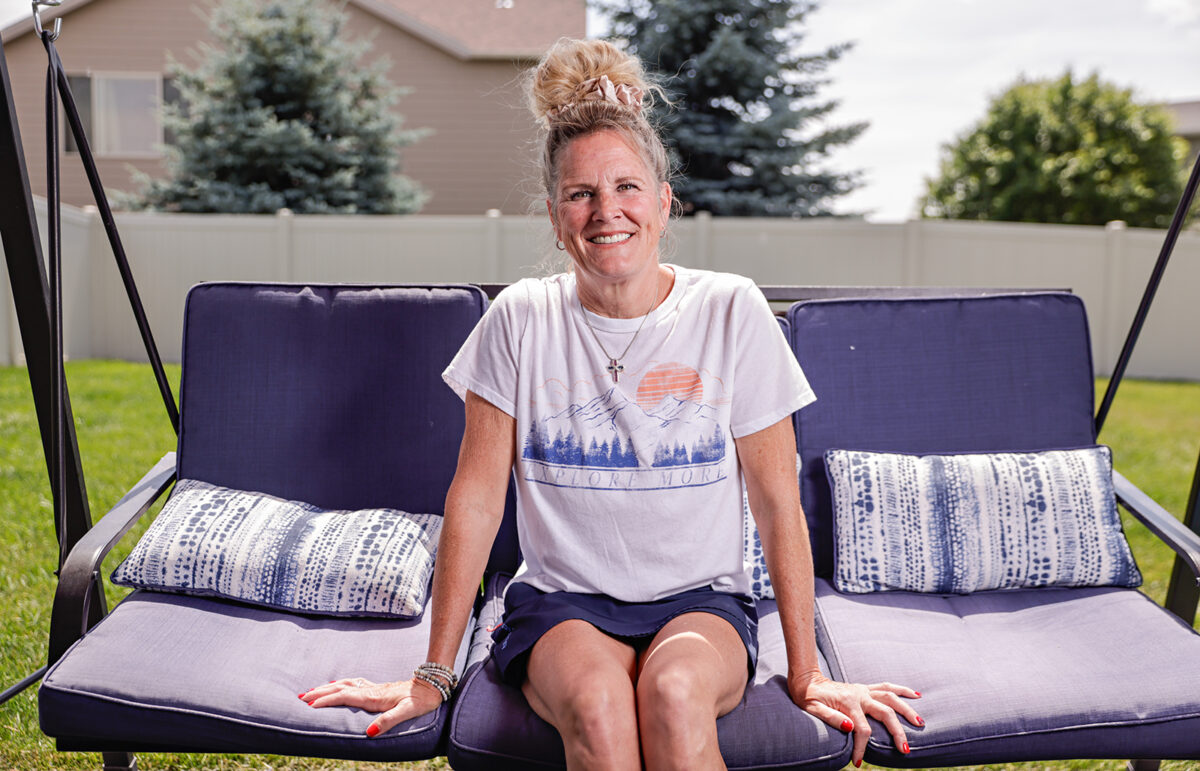
Even though Ridgeway has great coverage through her insurance, she was drawn to Gragert for his wide-ranging knowledge and the ability to see him on a frequent basis without incurring extra costs.
“When I find a doctor that I like, that I feel that can take care of me – I have a lot of weird things,” said Ridgeway. “My dad was in Vietnam and heavily exposed to Agent Orange, so my body attacks all my cartilage. And I’ve had a lot of surgeries. It’s very important to me to find a doctor that I can trust and can throw anything at.”
Ridgeway isn’t alone in her faith in direct primary care. DPC models have grown in popularity over the last decade as people lose patience with hospital waitlists, the complexities of insurance, and abbreviated doctor visits that have become commonplace in the fee-for-service model that defines healthcare in the U.S.
Eight direct primary care clinics operated in the state of Montana in 2021. Today, there are at least 32 healthcare providers in the state who operate under a DPC model, according to data collected by the Frontier Institute.
Republicans have advocated for direct primary care as a free-market healthcare option in the states. In a post to X on July 1, the Montana Senate GOP highlighted Senate Bill 101 as an example of “major free market health care reform.” Ushered into law in 2021 by Sen. Cary Smith, R-Billings, the measure made it easier to open DPCs in Montana.
Direct primary care has also been offered up as a remedy to growing grievances against rising healthcare costs and barriers limiting access to care such as the long waitlist Ridgeway confronted.
But is it a feasible solution?
After 16 years of working in family medicine for Kalispell Regional Healthcare, now rebranded as Logan Health, Dr. Kelly Berkram decided to open her own direct care clinic last year. She had spent the previous five years ruminating on the idea and what it would mean: the uncertainty in job security compared to the safety net a hospital system provides, the intricacies of starting her own business, and the pressure of being on call for several hundred patients.
At Logan, Berkram loved her clinic and the doctors she worked alongside. She felt frustrated, however, with regulations on how many patients she was required to see and the large amount of time she had to spend filling out paperwork for insurance purposes.
“You can’t get to know your patient in a 20-minute visit,” said Berkram. “The more that you know your patients, the more insight you have into what might be going on with them.”
Logan Health, like hospitals across the country, has guidelines around the number of patients, or panel size, each provider must see. Panel sizes are determined by a combination of network standards set by partnering insurance companies and optimal numbers set by the hospital.
The Medical Group Management Association (MGMA) estimates that the national average of a primary care physician panel size today is between 1,200 to 2,000 patients. This means providers see on average 20 to 25 patients per day.
At Logan, Berkram saw around 14 patients a day, which she notes was often less than her cohorts because of the amount of wellness exams she performed, which take more time.
Berkram’s decision was put on hold when she was diagnosed with breast cancer in 2020. When she finally recovered, she knew it was time.
“I was not burned out,” Berkram said. “Burnout is when you lose empathy for the things that people are telling you because you’re dead inside, essentially. You just don’t care anymore. I was not at that point. I absolutely had empathy and would work as hard as I needed for my patients. But, I was at the point where I felt like working for an insurance-based system was not sustainable, and my choices were going to be: retire in my 40s or do it a different way.”
In August 2024 she opened her own clinic in Kalispell, Apex DPC, which is located kitty corner to the Logan Health Medical Center she left.
Berkram stays in touch with former colleagues who still work at Logan. When patients need services that Berkram cannot provide, for instance, she refers them to Logan Health specialists. She also orders certain tests through the hospital, and doesn’t blame its staff for what she describes as systemic shortcomings.
“It’s not the fault of the doctors,” Berkram said. “It is the fault of the system. The insurance system.”
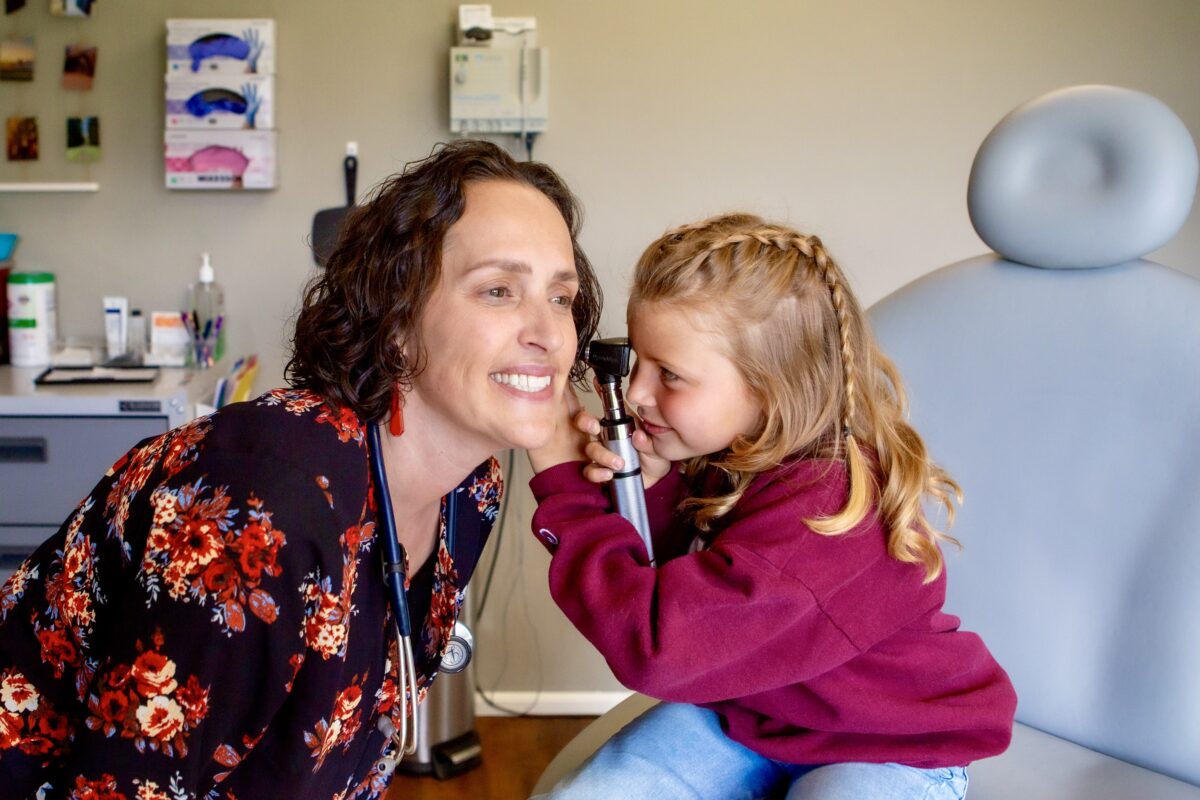
Origins of today’s fee-for-service model of healthcare date back to the early 1930s with the introduction of Blue Cross Blue Shield insurance, born out of necessity for a different way to pay for healthcare coverage during the Great Depression. Other methods were introduced over the years, but the fee-for-service model stuck, further integrated with the origin of Medicaid and Medicare in the 1960s that relied upon the FFS system.
In a model where hospitals are paid by insurance companies per service provided, primary care providers are paid for how many patients they see, not how long they spend with them.
Cara Harrop, a direct primary care doctor in Polson and a healthcare innovation analyst, called it a “recipe for burnout.”
“You have to see enough patients today to generate enough income to justify your existence,” she said.
The result is physicians retiring earlier, diminishing the primary care workforce. In a 2022 study by the Physicians Foundation, one-third of primary care doctors reported their current practice as overextended and overworked, and one in three doctors said they’d experienced a reduction in staff.
Among other leading factors in the shortage is the generally older primary care workforce, according to an analysis by the federal Health Resources and Services Administration. That, combined with the fact that primary care is among the lowest-paid medical fields, which means fewer medical school graduates are joining the primary care workforce, widens the staffing gap.
DPCs typically retain fewer than 1,000 patients at a time, with patient rosters often numbering between 300 and 700, depending on the clinic.
In the face of a dwindling primary care workforce, this means that DPCs add to the problem, at least in the short-term. The downstream effects, however, are what validate DPC as a viable solution in many ways, said Dr. Todd Bergland, a DPC physician at Fountainhead Family Medicine in Whitefish since 2020.

Bergland served as the first president of the Montana Direct Patient Care Association, advocating for the DPC model during the 2021 legislative session when SB 101 was introduced. He pointed out that direct care doctors can craft their own schedules and panel sizes, leading to less burnout.
“Medical students would likely be more attracted to a career in primary care if they knew of DPC as a viable option,” Bergland said. “There would almost certainly be many fewer ER visits and hospitalizations because folks would have better access to their own doctor when something acute comes up.”
Bergland said when people come knocking on his door they’re often fed up with how the insurance system works, or say that they’ve heard about the benefits of the DPC model from other patients.
Instead of calling their primary care doctor to be put on a waitlist, DPC patients can text or call their doctor. That’s part of the bargain with DPC – fewer patients, 24/7 care.
“You’re always on call, which turns out is super easy because I know all my patients,” said Berkram, at Apex. “I’m only taking calls for a small number of patients, not thousands.”
DPC providers like Berkram who maintain relationships with doctors at Logan Health can still reach out for medical feedback on complex patient issues, while following rules around patient privacy and HIPAA.
Outpatient providers like DPC doctors can complete a credential process to gain hospital privileges that allow them to access Logan facilities, access hospital records, or attend outpatient meetings. But reaching out for medical advice can be more difficult without those existing relationships.
For a profession that Dr. Brendon Smith, the physician executive for primary care at Logan Health, views as a “team sport,” collaborating with others is easier for primary care physicians at a hospital than at a direct primary care clinic, which usually only has one physician and sometimes a medical assistant or nurse.
“In the conventional practice model with insurance, with Logan we have a more connective and integrated primary care,” Smith said. “Your colleagues are right there, you have access to care navigation and clinical pharmacy. There’s some better geographical availability.”
It’s a challenge that direct care providers in the state have been working to overcome through the Montana Direct Patient Care Association, which Bergland and other DPC clinics in the valley helped start. Direct care providers in the area also have dinners and regularly communicate with each other. Some also send patients to other DPC clinics if they are unavailable or for specific services, such as the CT and ultrasound machines at Gragert’s clinic.
“It’s really a collegial community and just like finding your doctor at a traditional place, you might mesh with someone and not another person,” Berkram said. “I think we’re all in this together and we all want people to understand there’s a better way to do primary care.”
With price transparency and better access, patients in a direct primary care model also tend to access care more frequently.
Dorothy Drury, the executive director for the Kalispell Education Foundation, and her family of four began seeing Berkram at Apex shortly after the clinic opened. A few months ago her husband was scheduled for a minor procedure with Berkram. The day before the procedure, Drury slammed her foot into the kitchen garbage can and watched the entire foot swell like a balloon. She texted Berkram, asking if she thought it was worth taking a look.
Berkram replied that since her husband was already coming in the following day, Drury should come along with him. The next morning the whole family went into the office.
Berkram sent Drury to Logan Health for an X-ray, for which she used their family’s insurance, and found out she had a broken toe.
“I absolutely would not have taken the time to go and get that checked out if I had been relying on going to urgent care,” Drury said. “I just would have ignored it, which would have been a mistake.”
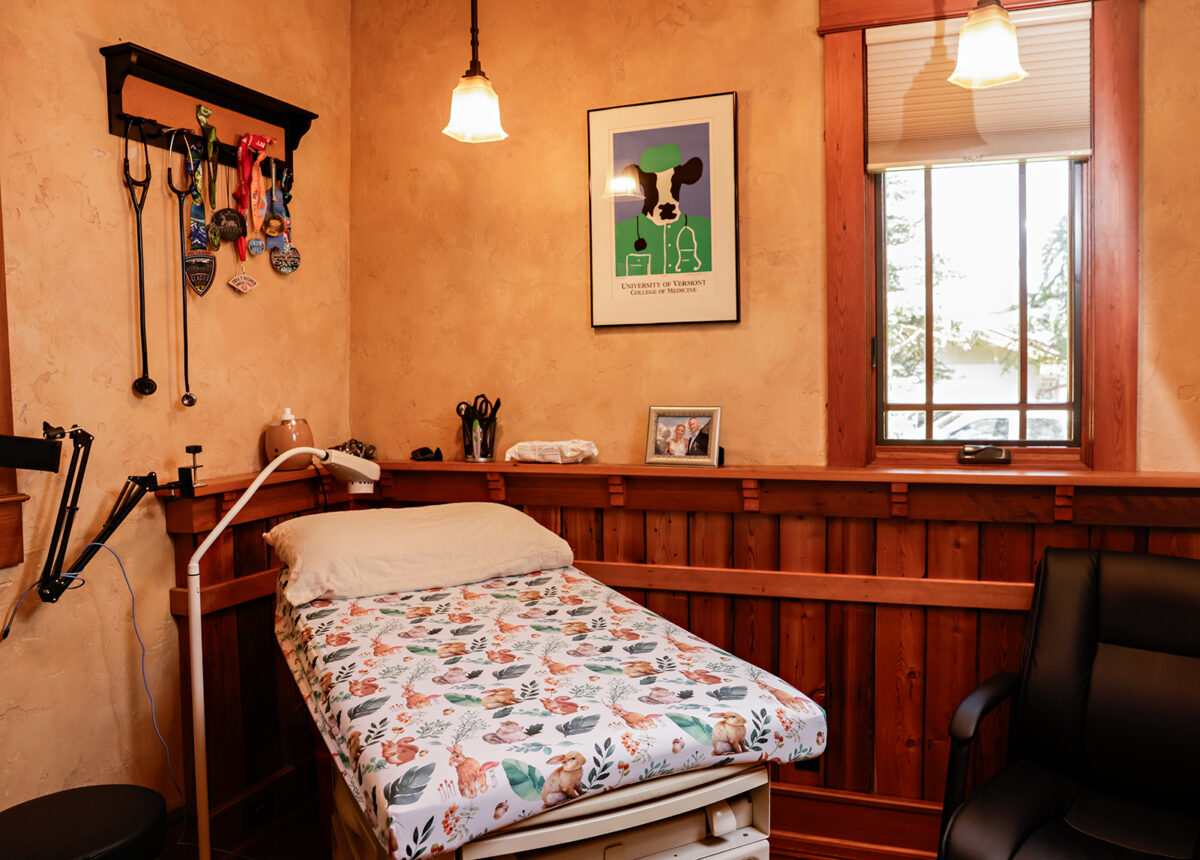
Affordability is the other factor that makes DPCs a reasonable model for many. At Fountainhead, Bergland charges his patients who are between 18 and 59 years old $80 per month, while he charges those 60 and up $110 per month. Patients who are 17 years old or younger are $30 if another adult family member is also enrolled. That’s about average for a DPC membership, which can range from $65 to $110 depending on age and clinic.
Bergland said he’s heard from several patients who said they were paying more than their mortgage for their health insurance premiums and still had high deductibles.
“I eventually came to the belief that this type of model could be one piece of the solution,” Bergland said. “I’m charging people inexpensive cell phone money for my monthly membership, compared to in the insurance world, they’re talking about paying mortgage type money for their insurance premiums.”
Patients can also use Health Savings Accounts (HSAs) to pay for direct primary care, a provision tucked inside the One Big Beautiful Bill Act that just passed Congress.
At Bluebird DPC, 62% of Gragert’s patients have full insurance, of which 18% have Medicaid, and 3% have Medicare. Among the remainder of uncovered patients, the majority have HSAs, he said.
It’s not an all-out solution, however. Monthly DPC memberships can be cheaper than deductibles and copays in the long run, but still higher than those on Medicaid whose copays can be as low as $4.
For those unable to afford a DPC membership with cost to care as their biggest barrier, hospitals like Logan are required to see patients whether or not they can pay.
“It is a personal preference depending on what you value most; if you value more time and getting to work closer with clinicians then the DPC model might be your choice,” Smith said. “But if you have more problems, have to see more specialists, or are at risk for hospitalizations, the conventional method might work better for you.”
In the face of changes to Medicaid also in the Big Beautiful Bill, Harrop said she sees the DPC model as an option for many, but not all.
“There are some vulnerable populations who don’t have the ability to cover the cost of healthcare,” Harrop said.
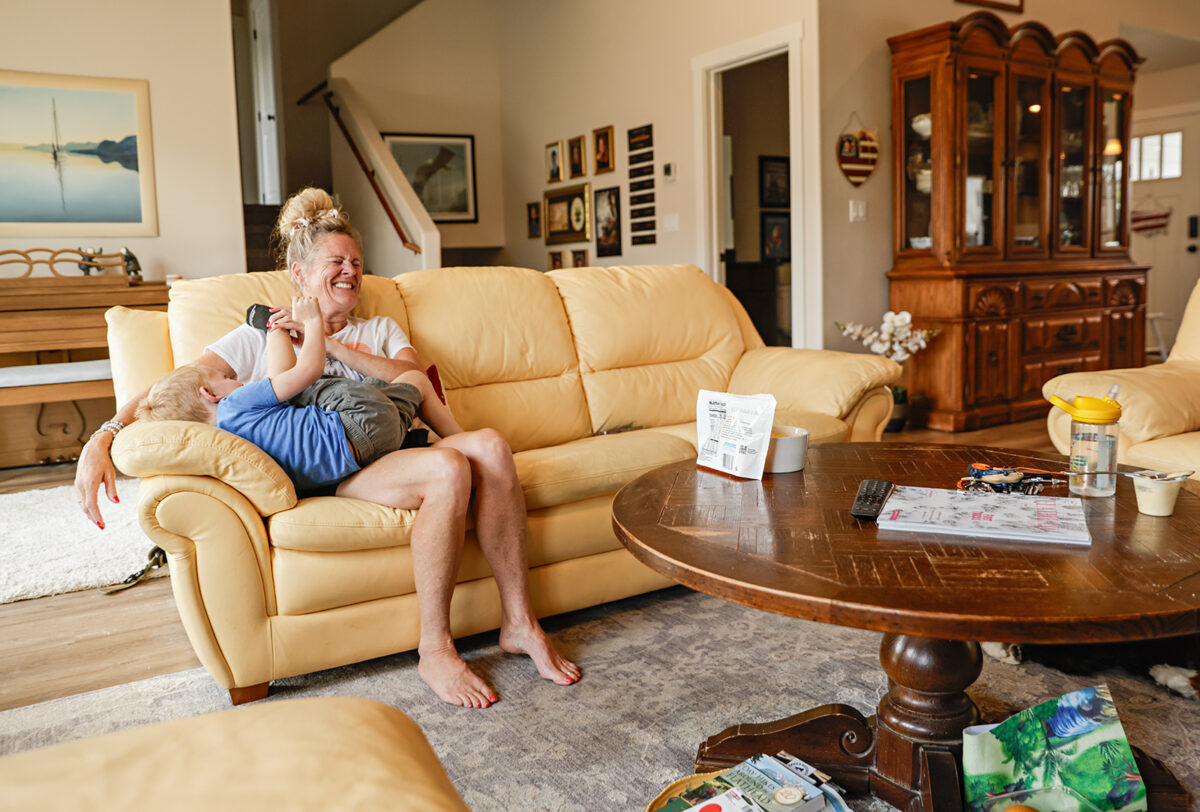
Ridgeway began seeing Gragert regularly with the goal of getting off medications she so heavily relied upon for her migraines and muscle cramps. Together they worked through eliminating pain and replacing her medication with more natural approaches, something Ridgeway had wanted to do for awhile.
“At one time, I was going in every two, three months because he got me off of a lot of medication,” Ridgeway said. “I’m not on migraine medication anymore, I don’t take the medication for leg cramps at night anymore. I’m off a bunch of things.”
Instead of seeing a primary care doctor in tandem with neurology and pain specialists, Ridgeway now only sees Gragert.
Preventative care often hinges on the time getting to know a patient and their problems, an amount which varies for each patient. This can present a problem in a fee-for-service healthcare system, Gragert said, where doctors make their income based on the number of patients they see.
Gragert said that the DPC payment model and its guaranteed monthly payments remove that roadblock.
“It divorces the finance from the illness,” he said. “In a fee-for-service system, I will make money off people being sick. With this divorce happening, you have a flat rate, it sits over there and allows us to practice medicine completely separate from that.”
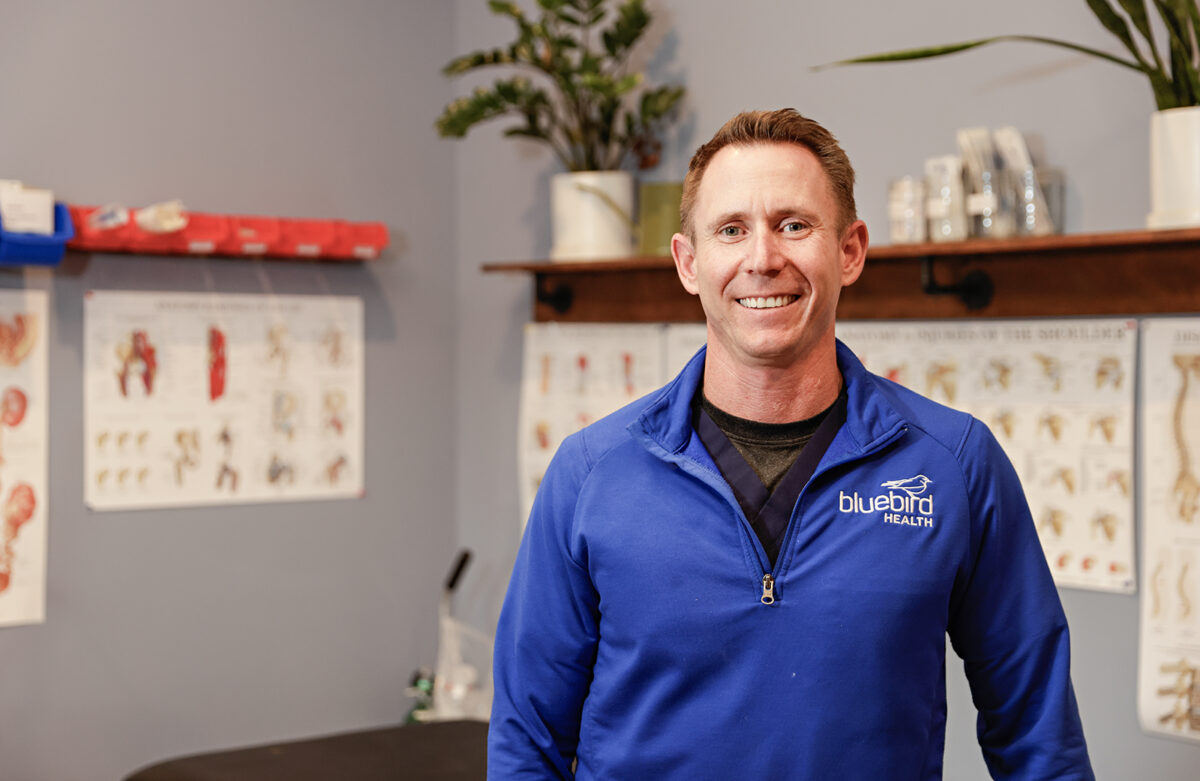
At Bluebird, Gragert has made efforts to keep his fees affordable while still adding other services like onsite lab services and imaging with subsidized costs for non-members. The CT and ultrasound services are both offered to the public at lower-than-normal pricing.
Most DPC doctors recommend patients still have catastrophic coverage, high-deductible, low-premium insurance to use in case of emergencies. Some patients also have health-share plans, which Bergland noted also work well with direct primary care because of the low-monthly fees.
To salvage a broken and complex healthcare system, Harrop believes it will take collaboration between both fee-for-service and DPC models. For primary care, however, the DPC model offers a pathway out of the insurance-based model, she said.
“I think you have to take it out of the volume-based world in order to improve patient care,” said Harrop.
Correction: The original version of this story included the wrong monthly rate for minors receiving care at Fountainhead Family Medicine in Whitefish. The story has been updated with the correct price point.