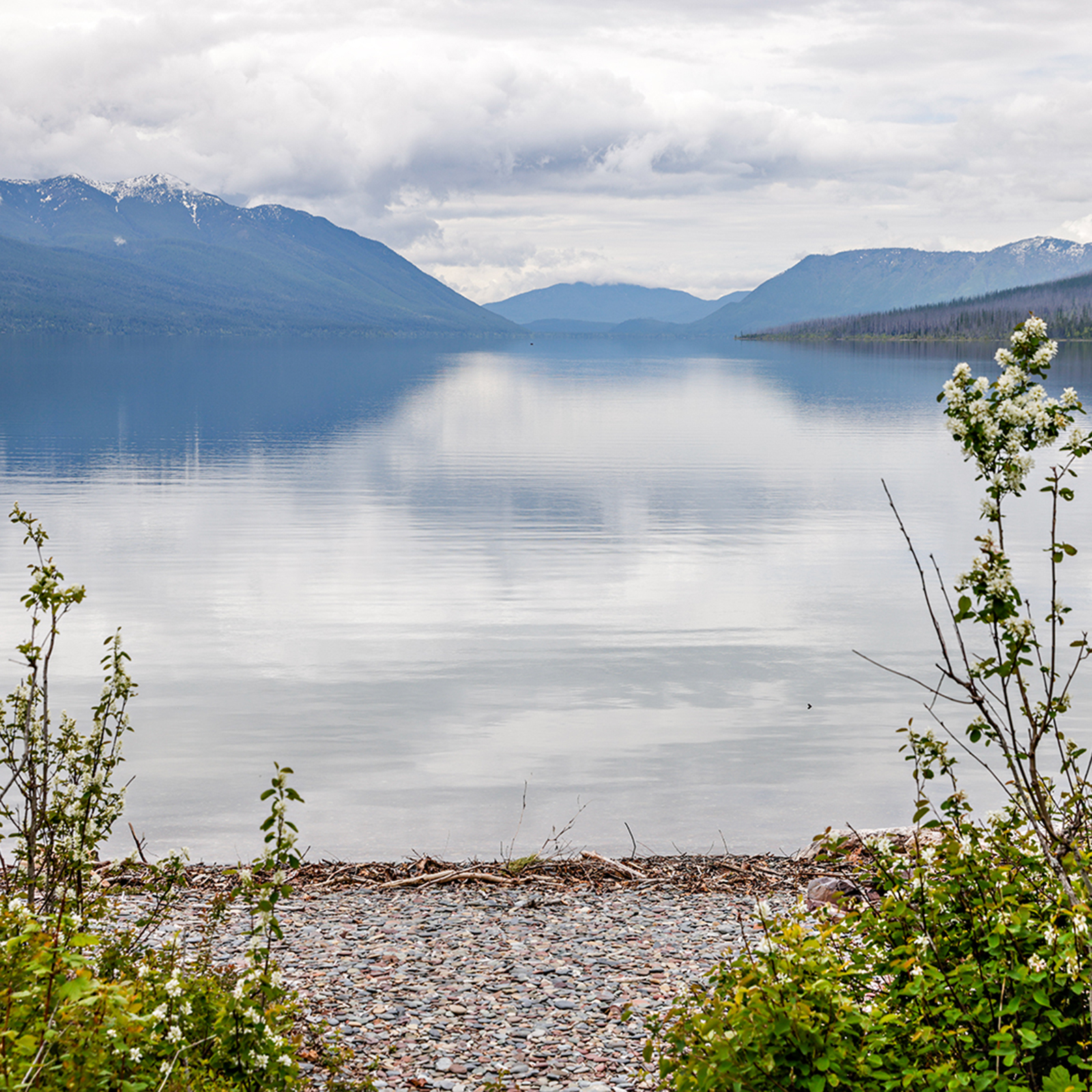
Rimmed by snow-capped mountains and ringed by colorful rocks, Glacier National Park’s Lake McDonald catches the eye and imagination of thousands of visitors each year. But the deep, cold lake, the largest in Glacier, has been captivating folks for centuries.
Early on, Indigenous people knew the lake as the “sacred dancing water.” In the white world, it was initially Terry Lake. But in 1878, Duncan McDonald and others camped at the lake during a journey to Canada. McDonald, of Salish and Scottish heritage, carved his name into a birch tree along the lake, an act that eventually led the National Park Service to officially establish the McDonald name for the lake and creek that feeds it.
Name aside, there was a broad agreement that the 10-mile-long lake was a scenic gem. Ida Goss, an early Apgar-Belton area resident, shared this 1911 impression of Lake McDonald: “To me, there is but one step between this and heaven and I’d like heaven to look like this.”
That observation, and those of many others, came in the form of letters written to students at the one-room school at Apgar, the community at the foot of Lake McDonald. The letters were solicited and compiled by Leona Harrington, who taught at Apgar and later in West Glacier. The resulting “History of Apgar,” published in 1950, includes accounts and memories that predate the formation of the national park in 1910.
Mountains, streams, wildflowers, crystalline air and abundant fish and wildlife were woven into the memories, as were trees, in particular the thick stands of fragrant cedar trees. The wagon ride from Belton (now West Glacier), the site of the train station, to Apgar was particularly memorable, even to a young Genevieve Walsh Gudger.
“…no forests ever smelled so good, no air was ever so invigorating, no stars were ever so brilliant as those of this lovely country to my nine-year-old nose and eyes,” she wrote many decades after her first foray to Lake McDonald. “The road from Belton to the foot of the lake was a slender ribbon, the trees so close that my father, standing in the open coach, pulled white and brown moss from the trees for me.” She continued: “The wagon trip was so deep with needles and moss and leaves that the hooves of the horses made only a gentle clip-clop as they sped along. And then suddenly, the road emerged from the forest and the whole beauty of the entire lake was before us.”
The cedars were also etched in the memory of Lulu Wheeler, who first came to Lake McDonald from Butte. “We often arrived late in the evening and it did seem as if their branches touched the sky,” she wrote in her letter to the students. “It was a great loss to the beauty of the park when the cedars were burned in the 1929 fire.”
The 1929 Half Moon fire, which started near Coram, raced up the canyon, reaching Belton and into Glacier in a single August afternoon. The historic blaze, which burned for days and consumed 162 square miles of forest, eventually reached the Apgar area. After the fire, the area between the train station and Lake McDonald never seemed the same, with area residents recalling the sight of thousands of charred tree trunks and the ground deep with ashes.
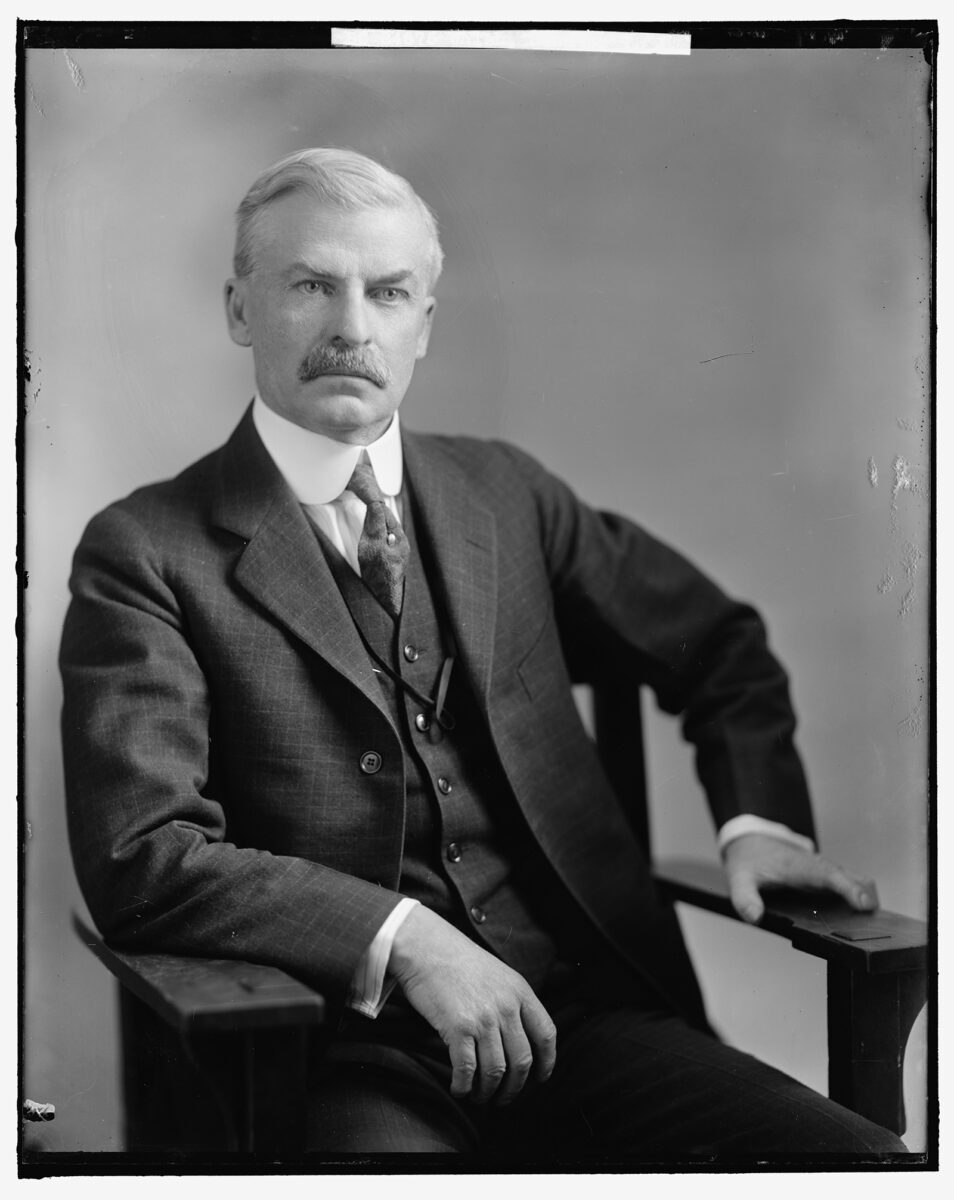
But the allure of Lake McDonald burned strong, especially for the Walsh and Wheeler families. Originally living in Helena and Butte, respectively, the two families also spent overlapping years in Washington, D.C., where the family patriarchs, Thomas J. Walsh and Burton K. Wheeler, each represented Montana in the U.S. Senate and in the process, carved their names deep into U.S. history.
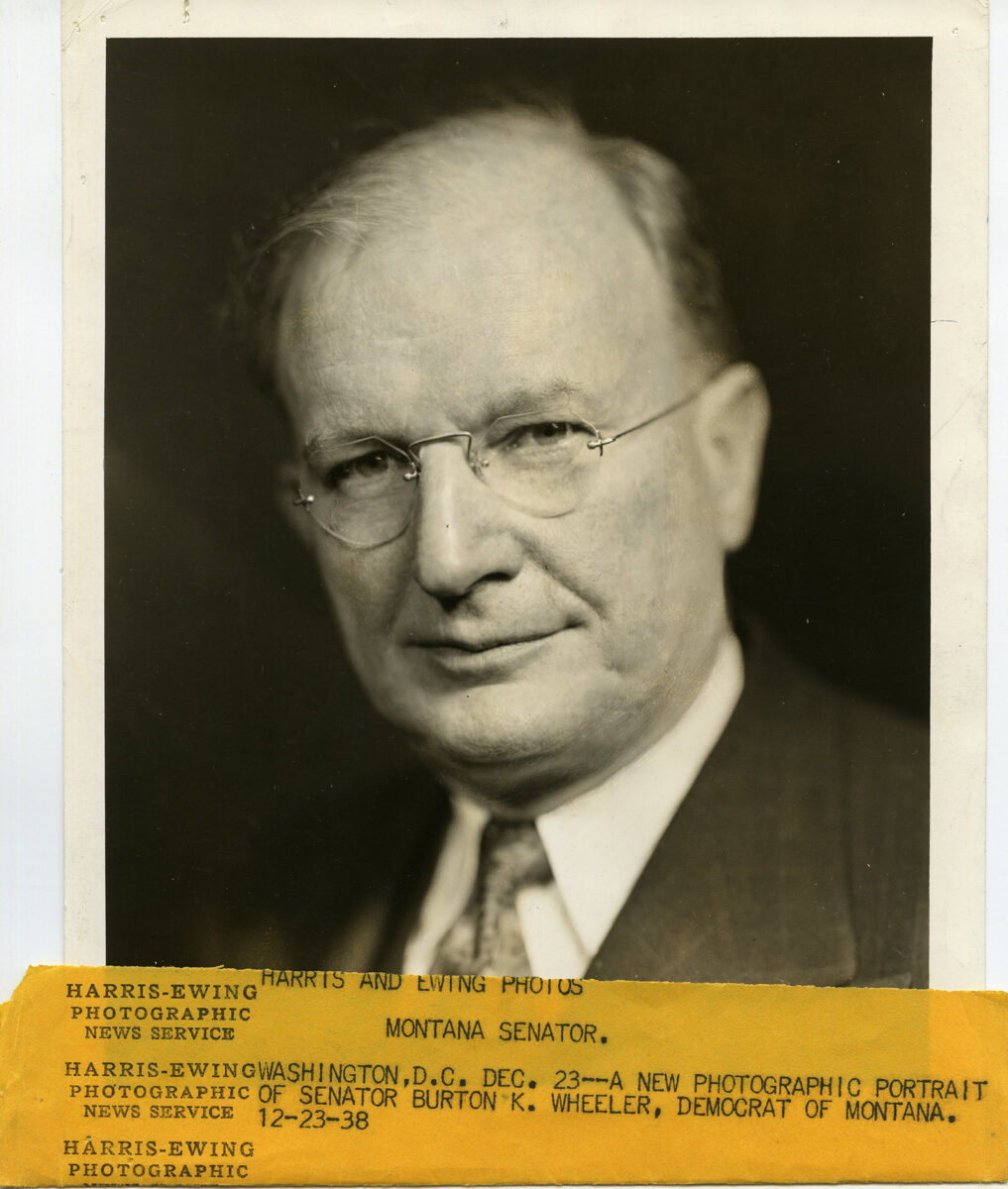
Wheeler was also part of the Teapot Dome story, focusing his inquiry into why U.S. Attorney General Harry Daugherty hadn’t pursued charges against others implicated in the oil scandal. But later in his Senate career, Wheeler, a Democrat and one-time supporter of Roosevelt and the New Deal, became a leading critic of the president and his proposed “court-packing” plan. The ill-fated 1930s effort proposed adding members to the U.S. Supreme Court in an attempt to bolster legal support for controversial New Deal programs.
Walsh, who moved to Helena in 1890, served in the Senate from 1913 to 1933. Midway through that tenure in 1923 to 24, Walsh led the Senate investigation into the no-bid leasing of U.S. naval oil reserves in the western U.S. The dubious leases mushroomed into the Teapot Dome scandal that led to the imprisonment of Secretary of Interior Albert Fall, who was convicted of taking bribes from an oil company executive. The Teapot Dome investigation, regarded as one of the biggest corruption scandals in U.S. history, is credited with setting the legal groundwork for many future congressional investigations. In the weeks before his sudden death in 1933, he was nominated to be the U.S. Attorney General by President Franklin D. Roosevelt.
Wheeler, a lawyer who claimed he ended up in Butte only because of losing a big chunk of his nest egg in a poker game there while traveling to Seattle, eventually served as U.S. District Attorney in the Mining City before his Senate tenure, which spanned from 1923 to 1947. Along with his tumultuous relationship with FDR, Wheeler in the 1930s actively opposed U.S. involvement in events that led to World War II, only changing his view after the 1941 bombing of Pearl Harbor.
While Walsh and Wheeler are regarded by many as political legends, they also shared a deep affection for Glacier National Park and Lake McDonald. Walsh and his wife, Elinor, bought roughly an acre of land at the head of Lake McDonald from a homesteading family in 1909. They constructed a lodge from cedar logs on the site in 1910, the year Glacier became a national park.
The Walsh property, one of a number of private inholdings in Glacier, sits near the Going-to-the-Sun Road. Nearby, McDonald Creek flows into the lake. The cabin’s west-facing view, while not as dramatic as the scene presented at the far end of the lake at Apgar, is captivating. In 2010, Elin Gudger Parks, Walsh’s granddaughter, told an interviewer that Ansel Adams took the photograph titled “Evening, McDonald Lake, Glacier National Park,” from the home’s beachfront in 1942.
Just up the road, sitting on property leased for decades from the Park Service, is the Wheeler cabin. The Wheeler family’s first trip to the head of Lake McDonald came at the invitation of the Walsh family. “I had often heard Senator Walsh talk of Lake McDonald as the ideal vacation spot,” Wheeler said in a letter to the Apgar students.
At least in the early years, Wheeler wrote, the trip from Butte to Apgar was a multi-day affair, due to poor roads. “Then we would leave our car at the foot of the lake and come up on the Emeline (a commercial boat) to stay for three months.”
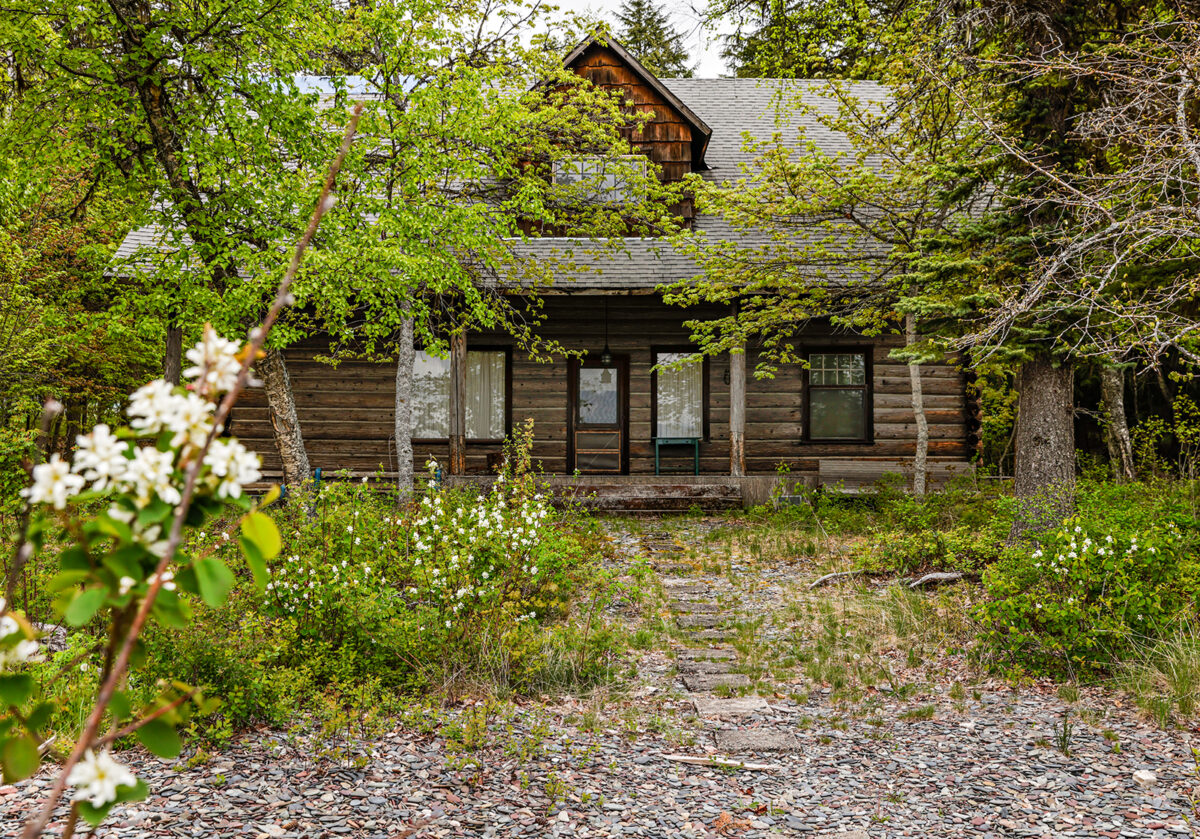
Burton and Lulu Wheeler bought a rundown hunting cabin in 1916 after several earlier trips to the park. The cabin, while privately owned, sat on land leased from the Park Service. By all accounts, it was primitive. In the early years, the family often slept on a screened porch, with any guests assigned the cabin’s only bedroom.
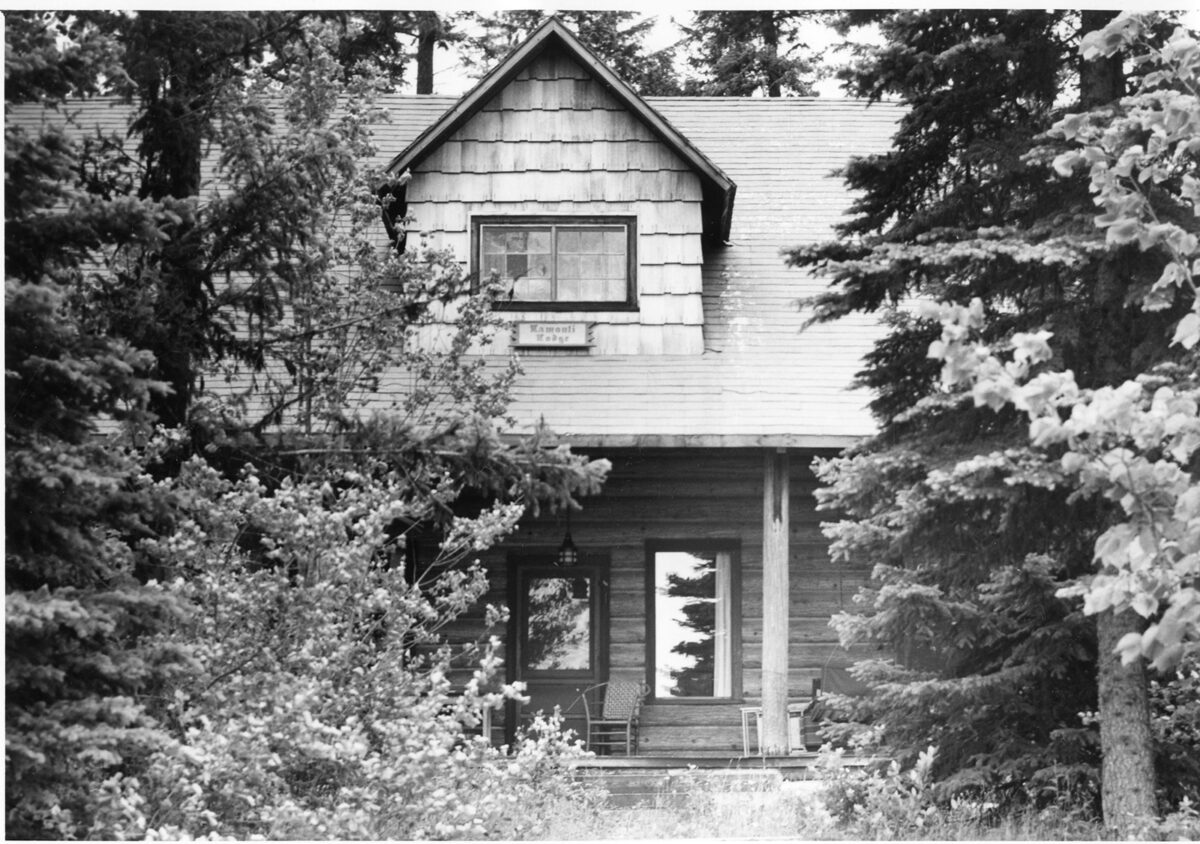
The summer homes at the head of the lake were isolated. Until the construction of the Going-to-the-Sun Road and electrical and phone lines reached the area “we had little contact with the good folks at the foot of the lake,” recalled Genevieve, Walsh’s daughter. A store near the Lake McDonald Lodge was the sole source of supplies, a significant trip before the acquisition of an outboard boat motor. “It was quite a change to be able to chug over to the hotel in twenty minutes for mail and supplies instead of rowing for the better part of two hours coming and going.’’
Members of both families enjoyed swimming, fishing, hiking and climbing, including steep jaunts to Sperry Glacier. While Wheeler enjoyed hiking, Walsh was more likely to rely on a horse for backcountry travel. “As a fisherman, he was superb,” Wheeler wrote of Walsh, regarded as a skilled fly caster. “Many of my most pleasant hours with him were spent in Glacier National Park trying to capture the elusive trout.” Wheeler, in many ways, was a protégé of Walsh, and clearly an admirer. He eulogized Walsh as “the most distinguished citizen Montana has ever developed.”
While they shared political affiliation, Walsh and Wheeler had differing personalities. The older Walsh was serious and often brought a Senate aide and secretary to Lake McDonald to assist in conducting business. He always wore a tie to dinner even while in Glacier, and Walsh insisted that his daughter Genevieve learn Latin and Greek history. A roster of Lake McDonald visitors, according to Elin Parks, Walsh’s granddaughter, included FDR, Herbert Hoover, “copper king” W.A. Clark, and William Jennings Bryan, the orator and politician.
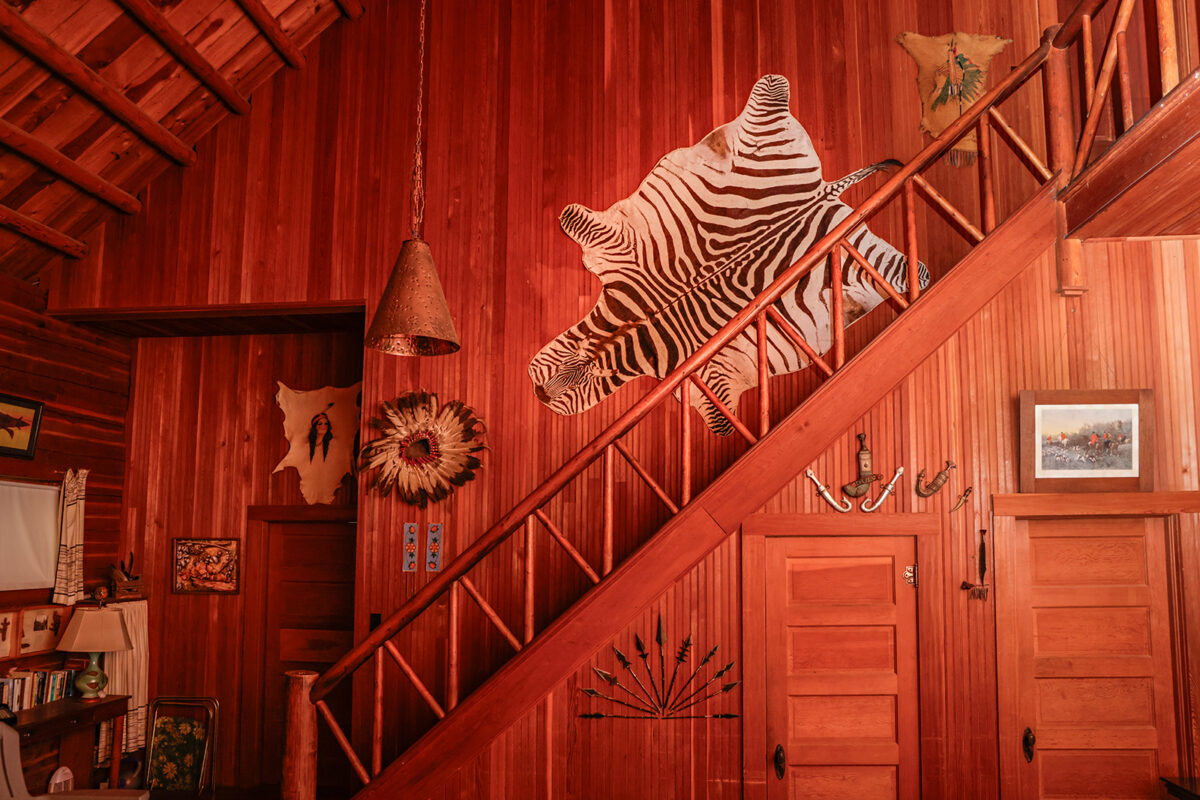
Wheeler, while a commanding presence, was more easy-going and social and seemed to enjoy having guests. His granddaughter, Frederica Wheeler Johnson, spent many summers at Lake McDonald. While she recalls many visitors, the most memorable in her eyes were representatives of various Montana tribes, who would visit at length with her grandfather. “They would be dressed in full regalia,” she says. “That impressed me a lot as a little girl.”
Wheeler was a primary sponsor of the Indian Reorganization Act passed in 1934 which gave tribes the right to self-governance and encouraged them to assume management of tribal affairs. “He fought tooth-and-nail for Indian rights,” his granddaughter told Whitefish resident and historian Bob Brown in 2012. “He associated with them on an equal basis, here on Lake McDonald.”
The generations of Walsh-Wheeler children, grandchildren and other relatives of both families, along with members of other nearby Lake McDonald families, visited frequently, in many cases developing a lifelong bond. “We all knew each other, and all the tales about everybody,” Wheeler Johnson said.
While plenty of political business was conducted at Lake McDonald, Lulu Wheeler found the remote corner of Montana to be a refuge from Washington and politics. “Another unique thing about the Park,” she wrote to the Apgar students, “is that nothing else seems to matter excepting the things one is doing up here. The happenings of the world seem far away and of little consequence.”
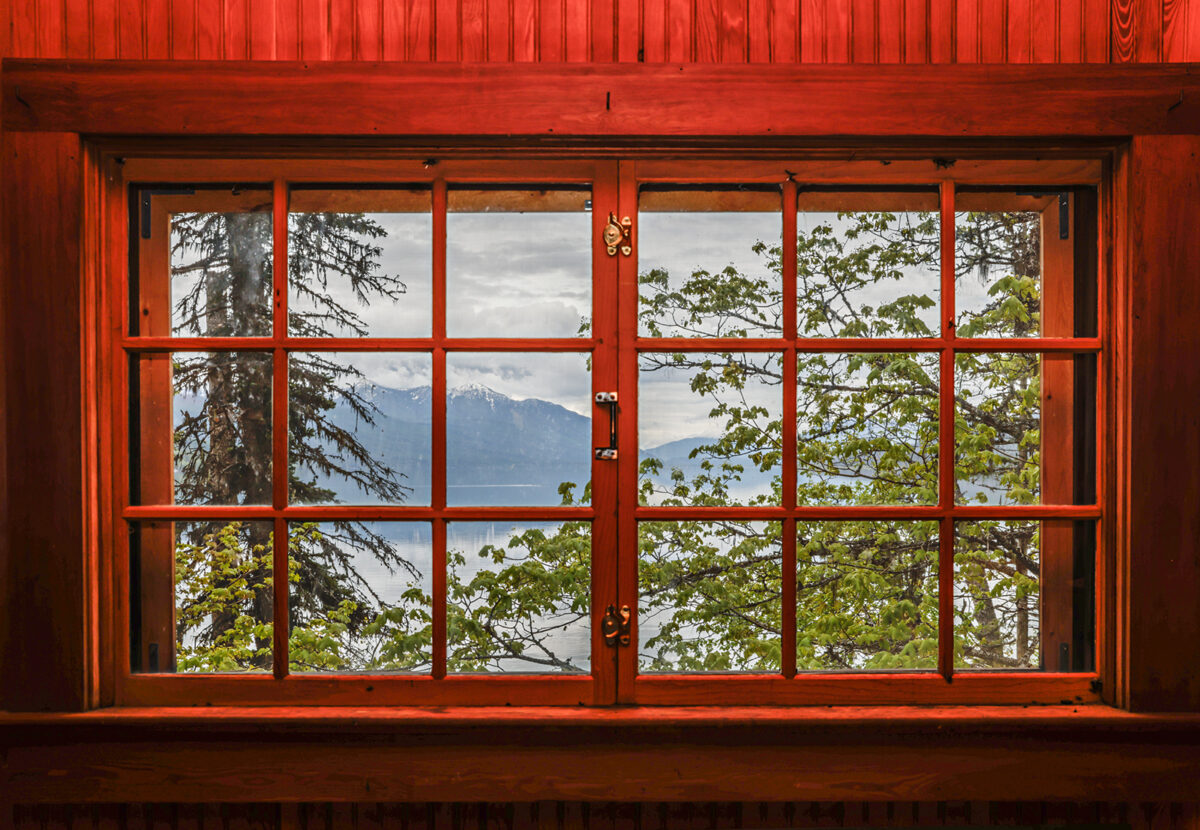
Lulu Wheeler had a deep connection to the family’s summer home. After the original cabin was heavily damaged by a fire in 1941, she negotiated with the Park Service to win approval to build a new structure on the leased ground. She designed the new cabin, and helped select the logs, windows and even the stones used in the fireplace. She also agreed that after the last of her children was no longer living, the cabin would become the property of the Park Service.
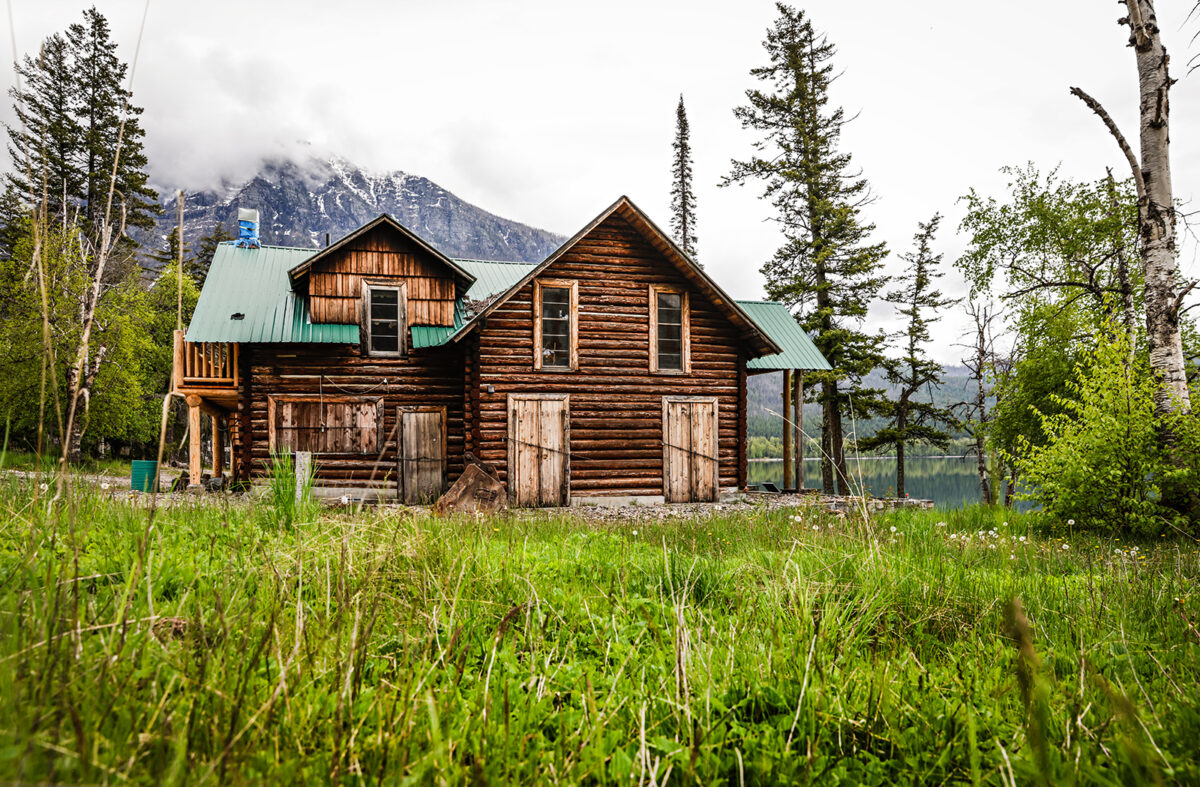
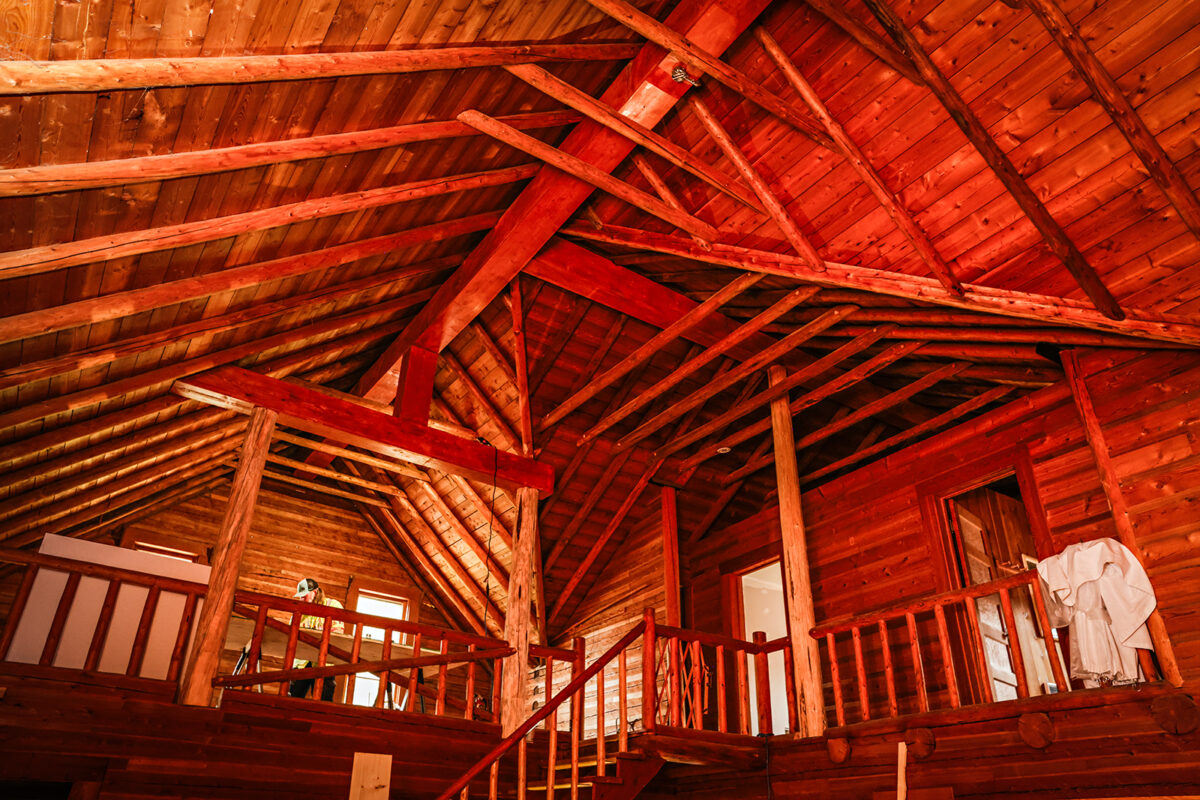
Both the Walsh and Wheeler residences landed on the National Register of Historic Places in 1998. The nomination forms note the Rustic Craftsman style of the summer homes, and the historical significance of the activities of Walsh and Wheeler. The Walsh lodge, with six bedrooms but just one bathroom, guest cabins and outbuildings are still owned by descendants of Thomas and Elinor Walsh. Dana Wright, a great-granddaughter, and a cousin, Glen MacArthur, the current owners, live in the East but have deep attachment to the family property on Lake McDonald.
“We really love being there as much as possible,” said Wright, adding she and her family enjoy hiking, climbing and just relaxing in the splendor of Glacier. “It is a magical place.”
The Wheeler cabin and related structures became the property of the Park Service in 2014 after the death of Marion Wheeler Scott, the last living child of Lulu and Burton Wheeler. In 2018, nearly 90 years after the voracious Half Moon fire, the Howe Ridge fire burned 14,000 acres near Lake McDonald and claimed several homes and buildings at the northwest end of the lake, including the guest cabins and outbuildings at the Wheeler camp. The main cabin, while licked by flames, was saved by firefighters.
The nonprofit Glacier National Park Conservancy helps oversee the Wheeler cabin and has raised nearly $1 million for its restoration and preservation. Much of the preservation work was completed in late spring of 2025.
Wheeler Johnson, who lives in Maryland, says family members unsuccessfully tried to buy the cabin and property from the Park Service before the 2014 transfer. The loss of the place where generations of her family gathered for nearly a century is haunting, while the memories of the decades of summers spent at Lake McDonald remain vivid. She and other Wheeler descendants own homes in the West Glacier-Lake Five area and still visit the cabin to sit on the beach, admire the view, and breathe the cedar-scented air.
“We keep coming back to that place,” the 84-year-old says. “It grabs you. You can never separate yourself from it. It’s that wonderful.”