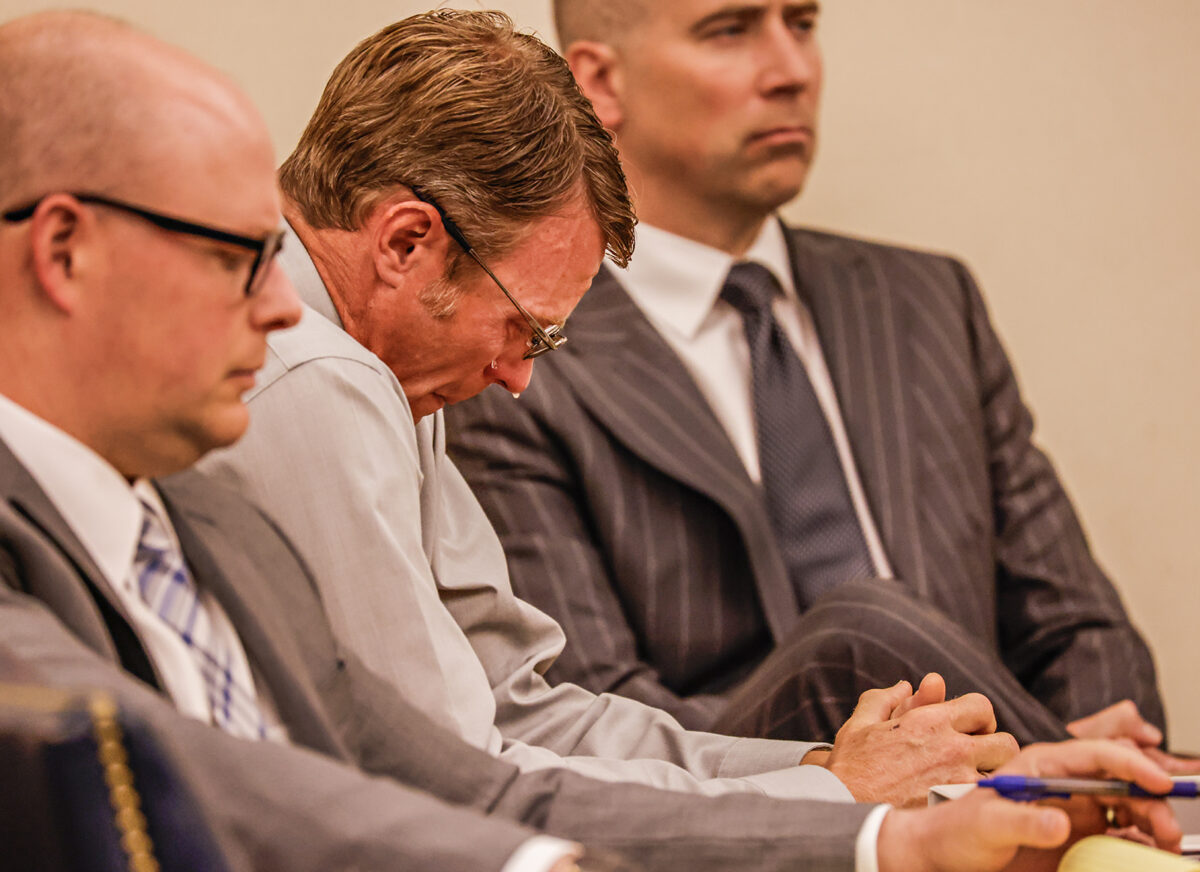
Kila Man Appeals Martin City Murder Conviction
Del Orrin Crawford last year was sentenced to 100 years in the Montana State Prison with no parole eligibility restrictions. His attorney said his due process rights were violated, which is grounds for a new trial.
By Maggie Dresser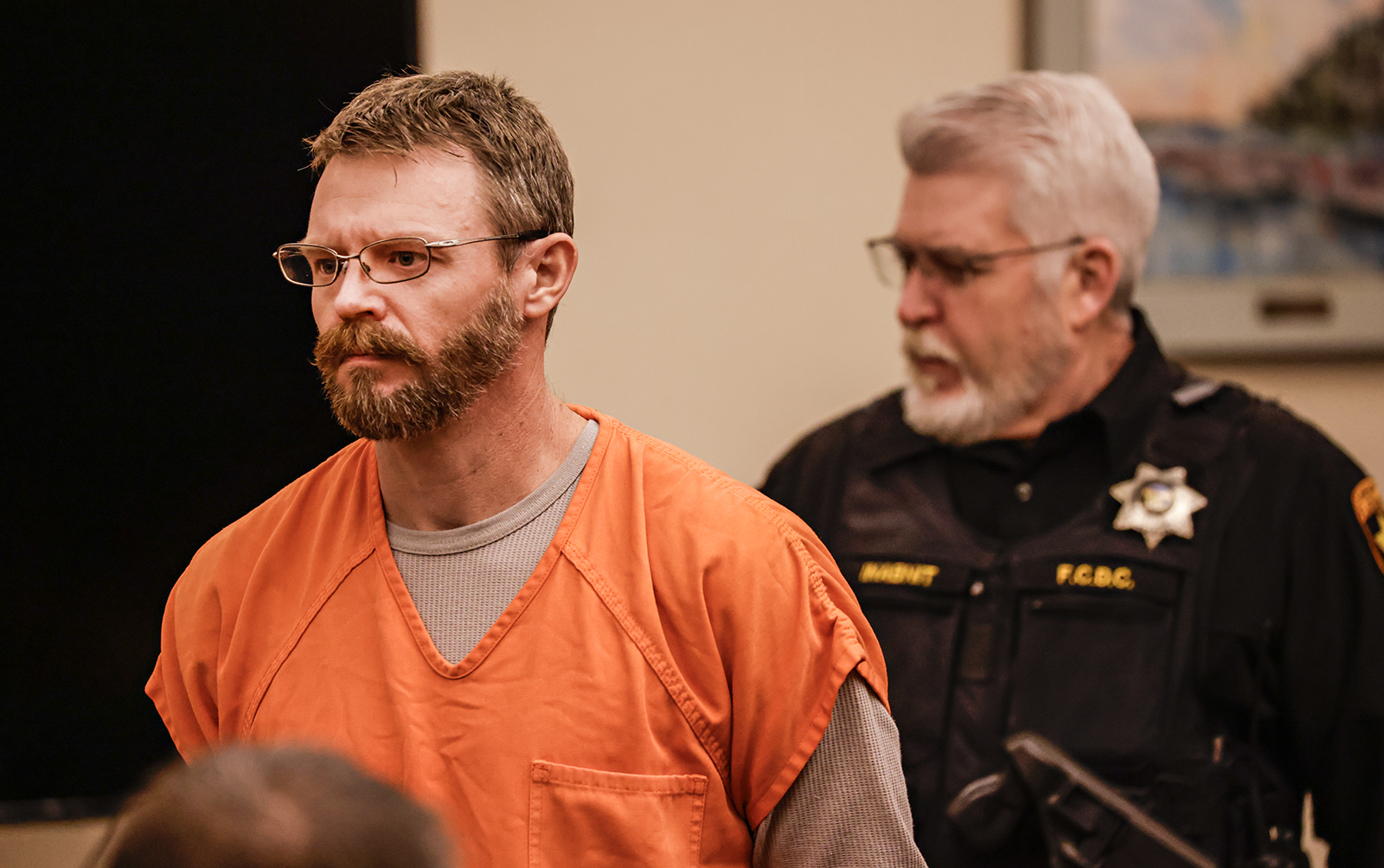
The 43-year-old Kila man convicted of murdering a Hungry Horse woman and injuring her husband during a shooting in the parking lot of a Martin City bar in 2022 has filed an appeal to the Montana Supreme Court, arguing that Flathead County law enforcement violated his due process rights, which is grounds for a new trial.
A Flathead County jury in 2024 found Del Orrin Crawford guilty of a felony count of deliberate homicide; a second felony count of attempted deliberate homicide; a third felony count of assault with a weapon; and a fourth felony of evidence tampering. He was acquitted of a separate assault with a weapon count.
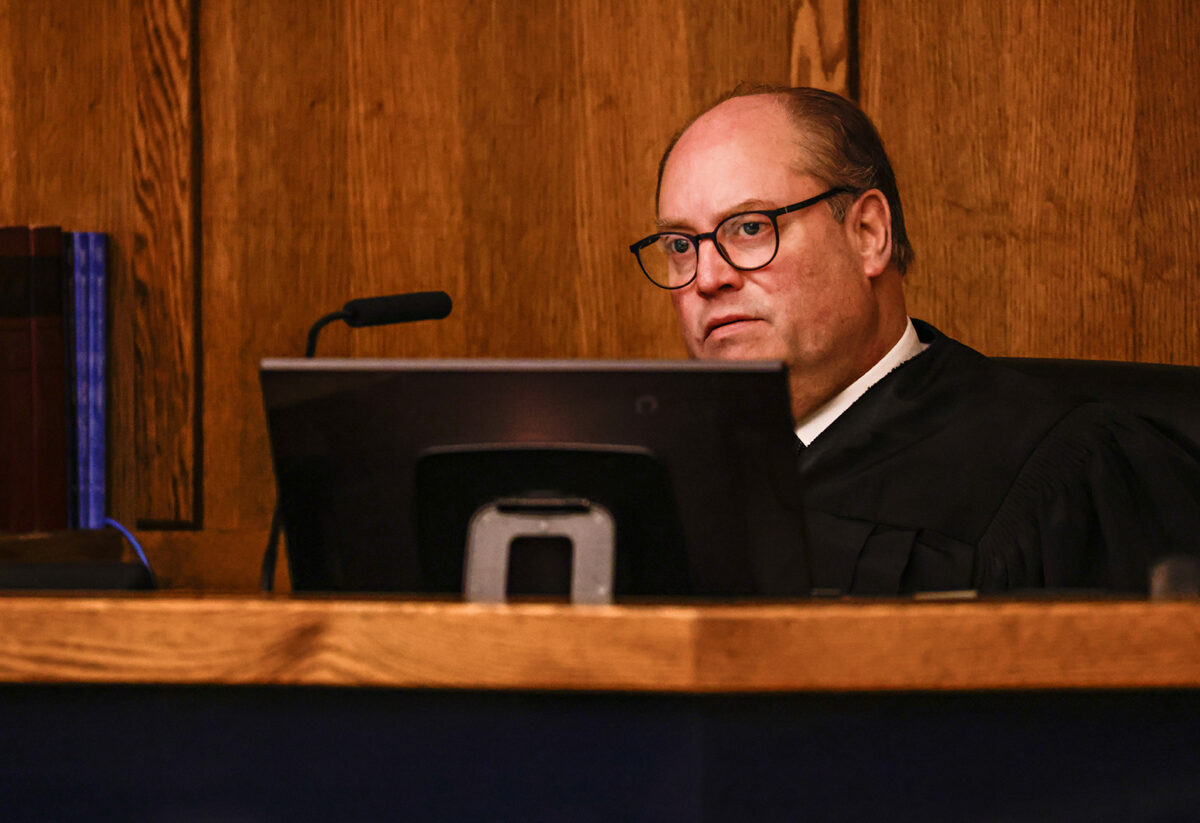
Flathead County District Court Judge Dan Wilson sentenced the defendant to 100 years in the Montana State Prison with no parole eligibility restrictions. He is currently housed in the Tallahatchie County Correctional Facility in Mississippi.
In August of 2022, Crawford – who argued self-defense throughout the trial – fatally shot Whisper Sellars and injured Doug Crosswhite, while threatening other individuals in their group during an altercation over a golf cart in the parking lot of the Southfork Saloon in Martin City. He later hid the firearm in the wheel well of his vehicle and refused to tell law enforcement where it was located.
At Crawford’s November 2024 sentencing hearing, Wilson concluded the defendant’s actions were “consistent with someone who was prompted by immediate, overwhelming, encompassing rage and anger.”
In Crawford’s appeal brief filed July 22 by appellate defender Colin Stephens, the defendant and his attorney have asked the court to reverse the conviction and remand his case for a new trial, citing two separate errors Stephens said the district court made surrounding a motion to suppress statements.
Stephens argued Flathead County Sheriff’s Office Corporal Aaron Westphal did not honor Crawford’s request to counsel at the time of his arrest and instead “simply ignored the invocation and pressed on with his questioning” before his Miranda rights were read, according to the brief.
When Stephens filed a motion to suppress the statement, he said the court erroneously adopted a “public safety” exception to the defendant’s invocation of his right to counsel because the firearm used in the shooting was missing and not yet recovered it or determined its locations. But Stephens argued that, since Corp. Westphal handcuffed and transported Crawford to a secure location, there was a “lack of imminent threat to either law enforcement or the general public,” rendering the public safety exception moot.
“This Court should conclude the public safety exception should not apply in a situation where the defendant specifically invoked his right to counsel and where there was not an immediate threat to either law enforcement or the public,” Stephens wrote in the brief.
According to the brief, Stephens also argued the court erroneously admitted evidence of Crawford’s interrogation at trial despite law enforcement ignoring Crawford’s invocation of counsel.
“Not only did Corp. Westphal not inform the detectives that Del had invoked his rights under Miranda, but he affirmatively told them that Del ‘may want to talk,’” Stephens wrote.
Crawford subsequently agreed to make statements to detectives during the custodial interrogation, but only after his previous requests for an attorney had “gone ignored,” Stephens wrote. Only at that point did detectives advise Crawford of his rights, according to Stephens, who said Crawford then confirmed he understood and signed the Miranda Rights Advisory form.
At trial, both the Montana Constitution and the Fifth Amendment rights guaranteed under Miranda “necessitated exclusion of his statements,” according to Stephens, while the public safety exception should not have been allowed.
“Neither legal authority nor fact-based analyses warrant application of the public safety exception, and the second waiver does not satisfy the requirements for a knowing, intelligent and voluntary waiver after a prior invocation of counsel, especially since Del remained in custody and subject to law enforcement questioning without first seeing a lawyer before making the waiver,” Stephens wrote.
“Countless courts have held law enforcement does not get a mulligan after a suspect invokes his rights under Miranda,” Stephens wrote.
The state must file a response brief by Sept. 20.