Federal Cuts Endanger USGS ‘Dream Team,’ Threaten Science in Northern Rockies
At the Northern Rocky Mountain Science Center, budget cuts and layoffs could jettison decades of cutting-edge research propping up the ecology and economy of the Crown of the Continent
By Tristan Scott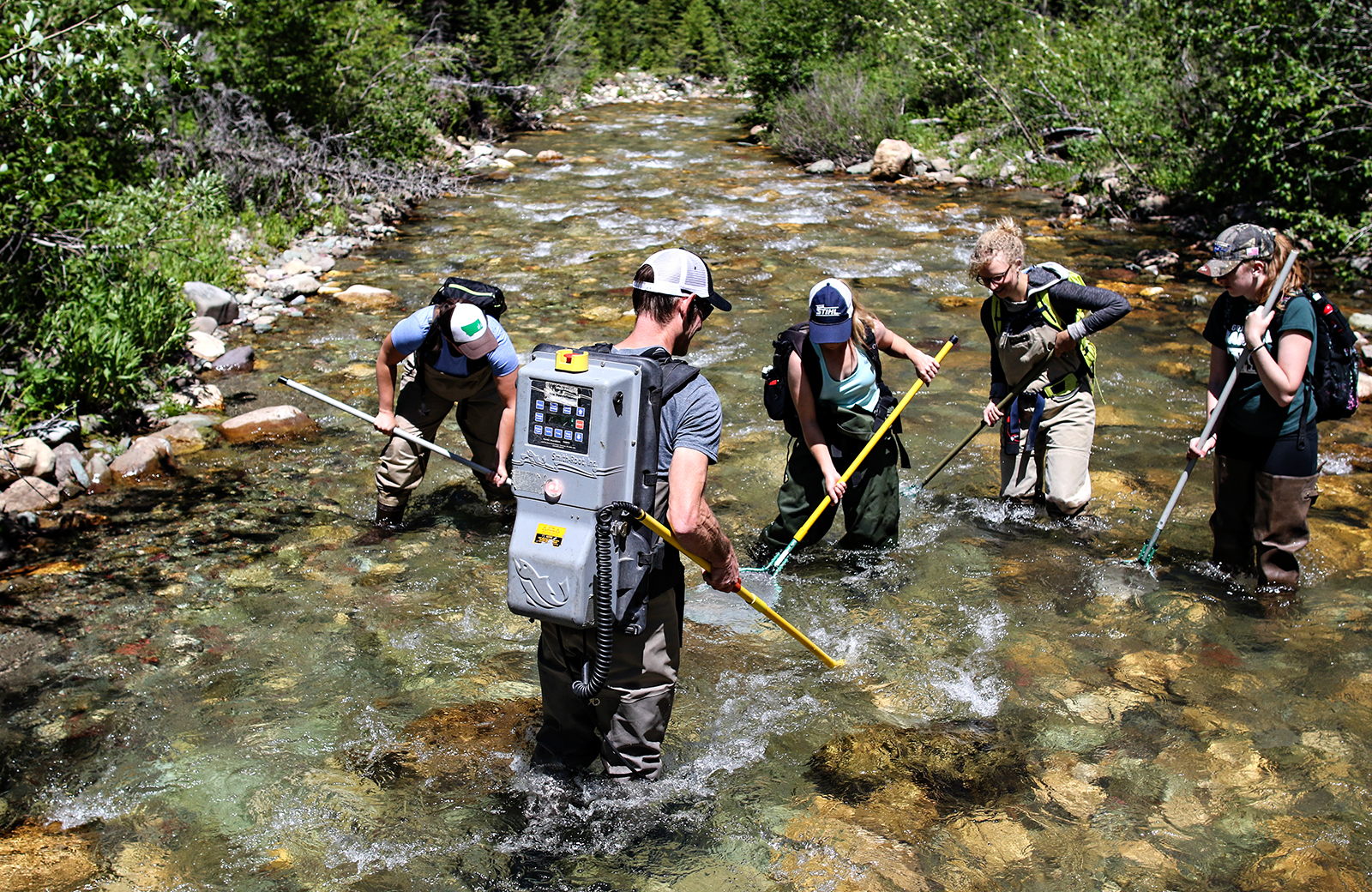
You’d be hard pressed to assemble a team of mountain athletes that can keep up with the U.S. Geological Survey’s cohort of super-scientists who, in addition to traversing Glacier National Park’s rugged and remote terrain, also perform cutting-edge research at the Northern Rocky Mountain Science Center. In fact, most prospective recruits would turn tail before they’d even finished reading the job description.
Key qualifications must include: The ability to ski into Glacier National Park’s steep backcountry to forecast avalanche hazards on the Going-to-the-Sun Road; cross vast alpine expanses to track wolves and wolverines; scramble across precipitous glacial basins to study newborn lakes; clamber over ridgetops to collect goat and sheep scat; bushwhack dozens of miles to remote alpine lakes to suppress invasive trout populations; design and deploy barbed-wire hair snags to capture tufts of grizzly bear fur as part of multi-year DNA study; ferment a putrid mash of fish and blood to bait-scent barbed-wire hair-capture corrals; devise new diagnostic techniques for live animal sampling to assess chronic wasting disease; refine environmental DNA biosurveillance technologies to monitor the threat of aquatic invasive species in real time.
Are you a good fit for this position? Apply now.
Unfortunately for budding scientists, the position may not exist in the near future.
For the past nine months, vital research into the most pressing ecological challenges spanning the northern Rockies has faced a countdown to extinction as budget cuts and the specter of mass layoffs threatens to eliminate U.S. Geological Survey programs in the Crown of the Continent and beyond.
Despite having already carried out deep cuts at the Department of the Interior, the White House under President Donald Trump has issued repeated warnings that another round of reduction in force layoffs, or RIFs, is likely during the government shutdown, which on Friday entered its 10th day. Along with the National Park Service, the USGS has faced the most significant cuts under the Trump administration, reporting a 19% reduction in staff since September 2024, cutting its roles from 8,400 employees to 6,780.
At the Northern Rocky Mountain Science Center (NOROCK) in Montana, one of 18 biological science centers within USGS, a small cadre of USGS scientists is scattered across the intermountain West, with many of them working out of a field office in West Glacier. In the past 25 years, much of Glacier National Park’s seminal research has been conducted by USGS scientists who have studied everything from iconic wildlife species such as grizzlies to tiny endangered aquatic alpine insects that thrive in high-elevation glacial meltwater. They perform a range of services so broad they touch on nearly every natural resource management issue imaginable, including forecasting avalanche danger on Glacier National Park’s Going-to-the-Sun Road, curbing the threat of aquatic invasive species and wildlife disease, aiding grizzly bear recovery, monitoring endangered species, developing early-warning systems for drought, improving fisheries management, and tracking environmental changes accelerating the loss of glaciers.
“It’s a one-stop science shop dedicated to researching and understanding the most complex environmental questions of our time while also providing important tools for natural resource management agencies,” said Kate Kendall, the retired USGS biologist who during her 35-year career laid the groundwork for modern grizzly bear population studies in the northern Rockies. “The very idea that you would just completely eliminate that in the name of government efficiency is so absurd that it’s hard to know where to begin. We’re talking about a dream team of scientists.”
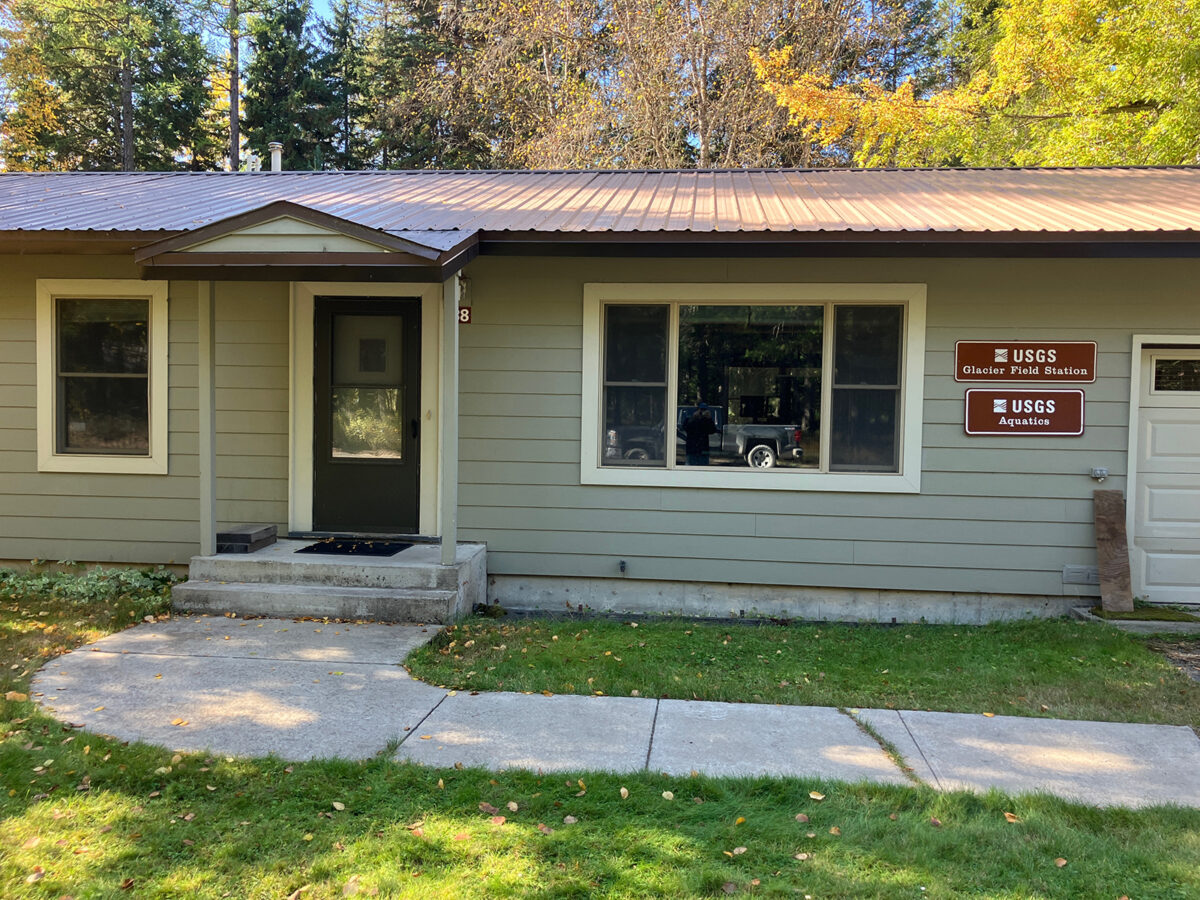
Much of what is now known about the park, and continues to be discovered, is chambered under the auspices of NOROCK, which was formed in January 2000 to conduct cutting-edge research to support conservation and management of ecosystems and species across the Northern Rockies. Given Glacier’s relatively intact ecosystem, scientists viewing its peak-studded landscape through the prism of research have opened a portal into a million-acre laboratory that is unmatched in its potential to unlock the answers to some of nature’s most persistent biological curiosities.
Because Glacier National Park has no research arm of its own, the manner in which the research projects are funded, organized and applied is as complex as the biological sciences they employ. Fortunately, USGS crafted an elegant solution.
In 1993, there was a major shift in how research was performed in national parks. Then-Secretary of the Interior Bruce Babbitt decided scientists should be removed from management positions due to a perceived conflict of interest in the objective assessment of scientific data and the management of national parks, as well as management jurisdictions under the Bureau of Land Management, Bureau of Reclamation, and U.S. Fish and Wildlife Service. Glacier lost its research wing, and the park’s longtime scientists were transferred to another agency, the National Biological Survey, which in 1996 morphed into the U.S. Geological Survey Biological Resources Division in 1996 and, eventually, the Ecosystems Mission Area (EMA).
Unlike some parks, Glacier was fortunate enough to keep its USGS field station, in large part because scientists lobbied on its behalf. After all, what’s the value in scrapping the most productive research laboratory in the world?
For the scientists who make their livings through work they conduct out of the USGS field offices, it’s a gnawing question that’s become more persistent than ever in 2025.
Early evidence that the realm of natural science would be a prominent target for the Trump administration surfaced in February, when the Department of Government Efficiency (DOGE) announced it was canceling the lease for the NOROCK headquarters in Bozeman. DOGE listed the Bozeman building as costing an estimated $369,838, with $0 in savings for cutting the lease.
But it was unclear what impact the lease cancellation would have on the research being conducted at local field offices. In Glacier National Park, researchers have been silent on the looming specter of layoffs and cuts, with one scientist at the West Glacier field office explaining earlier this year that “everything is uncertain right now.”
“My former colleagues that I’ve spoken with, they have basically been expecting to get fired since January,” Kendall said. “And these are some of the hardest-working and most dedicated people I’ve ever met, and they’re extremely stressed about losing their jobs. These are people who think nothing of putting in a 20-mile day in the field, scaling mountains with 5,000 feet of elevation gain, and they’re living in constant fear of losing their jobs. It’s cruel, it’s inhumane and it’s not good for the natural resources. It’s not good for the national parks or any other areas that the federal government manages, because the role of the USGS is to inform natural resource managers.”
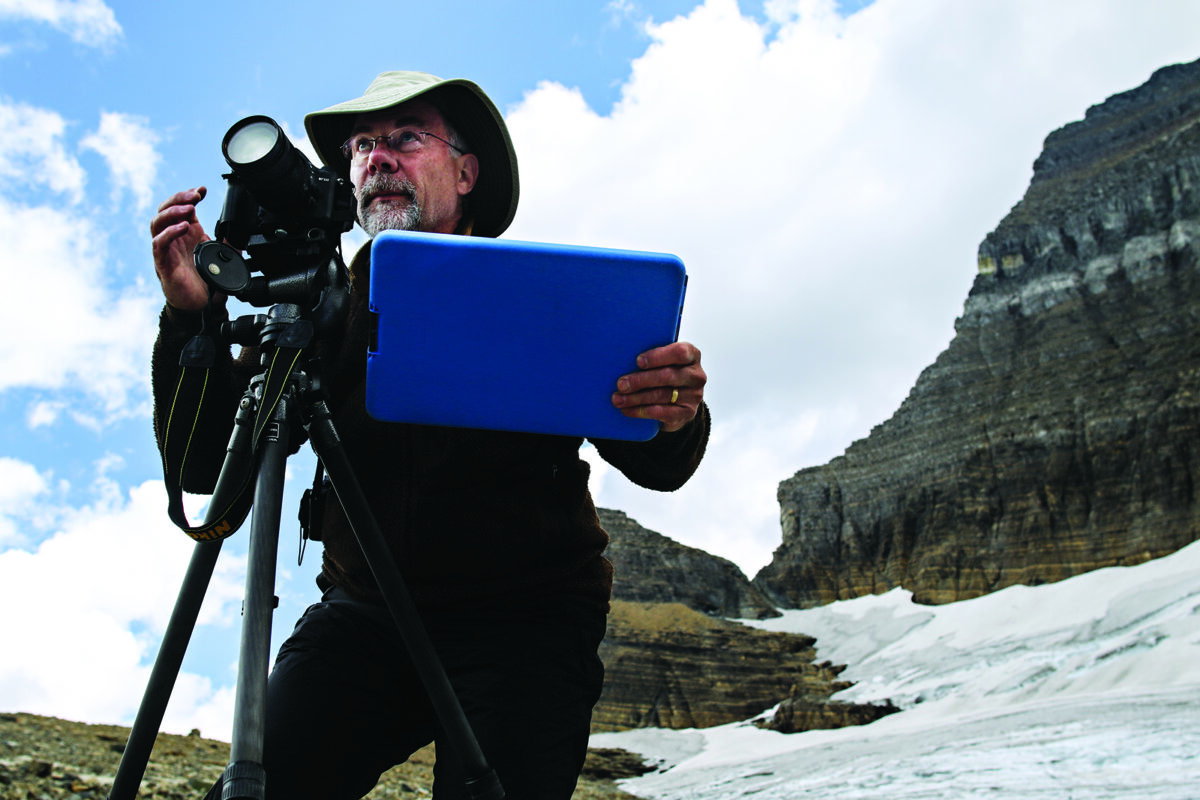
Jack Potter, who served in the park for more than 40 years before retiring as chief of Glacier’s Science and Resource Management Program — a committed tenure that earned him the nickname as the “conscience of Glacier Park,” worked closely with the NOROCK station, helping institute scientific research as the essential baseline for decision making in the park, including drafting the park’s first general management plan. He worked alongside Dan Fagre, the climate change research coordinator for NOROCK whose documentation of melting glaciers provided critical evidence for climate change in North America.
“It’s like we’ve taken this giant step backwards in understanding and using science,” Potter said of agency scientists in the current political era. “That’s the one for me that hits home. These are the consequences of that … What I was involved with was about how we manage these resources and prepare for future generations. That’s what’s really at jeopardy.”
Meanwhile, as Congress works to punch through a budget impasse and unstick the shutdown stalemate that has closed federal government services for the past 10 days, concerns have heightened over the fate of conservation programs run by federal agencies ranging from the National Park Service to the U.S. Forest Service, all of which have already lost employees and are targeted for further cuts under the current administration.
At USGS, no field of conservation is at greater risk than the Ecosystems Mission Area. In April, an email obtained by Science revealed that as part of its ongoing efforts to reduce government spending, the Trump administration planned to cut USGS programs including the EMA, a wide-reaching section that includes Cooperative Research Units (CRU), which are made up of a mix of government scientists and university researchers and students that function as a zero-cost research arm for state and federal agencies.
“The Cooperative Research Units are really what allow us to punch above our weight in terms of the research we provide,” Kendall said. “Virtually nobody knows what USGS does, and the Ecosystems Mission Area in particular is so small that it exists in obscurity. I had zero operating funds for almost my entire career. I had my salary, and that was it.”
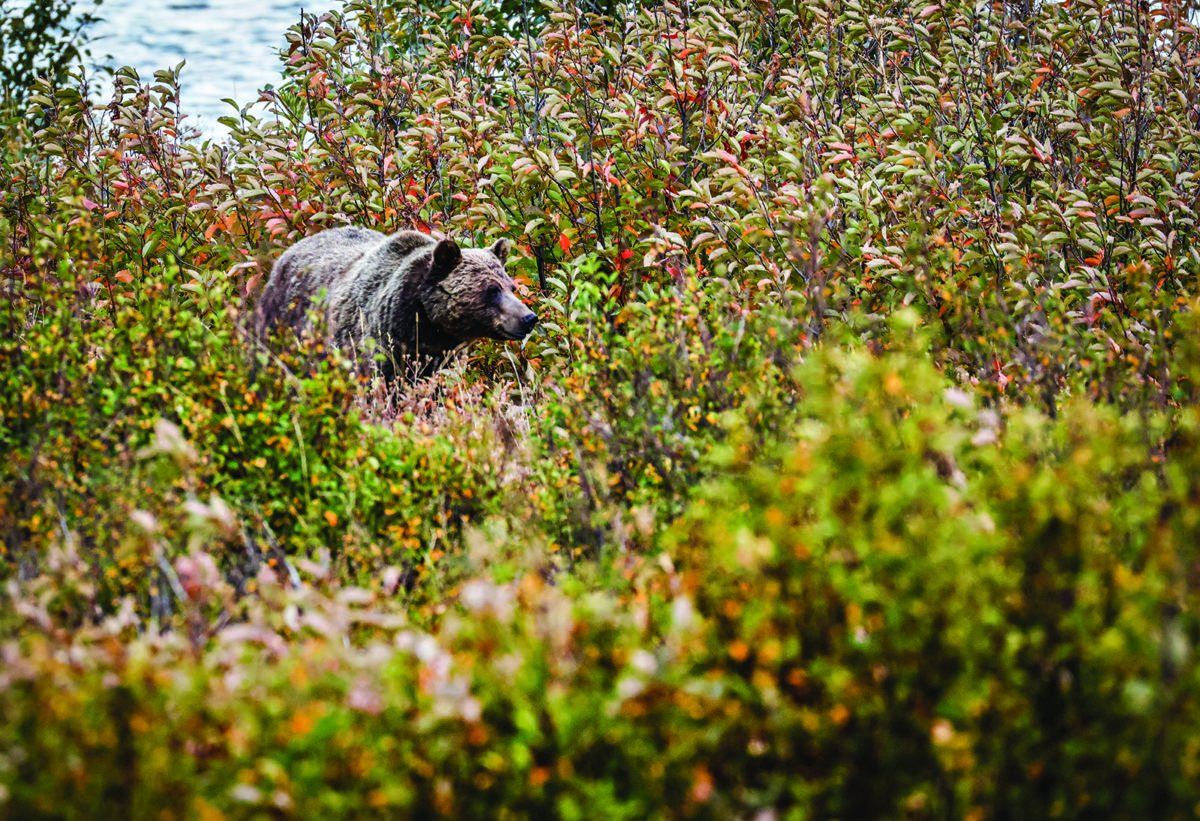
The EMA, which includes work to monitor and conduct research on fish and wildlife populations — including monitoring the recovery status of grizzly bears through its Interagency Grizzly Bear Study Team — and houses the federal government’s only wildlife disease unit, was also targeted for elimination in May under President Trump’s proposed budget for fiscal year 2026, which proposed a 39% reduction in the agency’s overall budget of $1.5 billion. In a preliminary budget request in May, the Office of Management and Budget (OMB) said it wanted to eliminate USGS “programs that provide grants to universities, duplicate other federal research programs and focus on social agendas (e.g. climate change).” The budget office said that, instead, the USGS would train its focus on “achieving dominance in energy and critical minerals.”
That budgetary objective aligned with a recommendation in Project 2025, the document developed by the Heritage Foundation and intended to serve as a blueprint for the Trump administration as it seeks to reduce bureaucratic waste and rein in federal spending. The section of Project 2025 that centers on the Interior Department was authored by William Perry Pendley, the former co-director of the Bureau of Land Management who is best known in northwest Montana for his role defending oil and gas exploration on the Badger-Two Medicine region near Glacier National Park. In that years-long showdown, Pendley’s law firm, the Mountain States Legal Foundation, represented Solenex LLC of Baton Rouge, La., which actively fought the cancellation of an oil and gas lease held on land considered culturally and ecologically sacred to members of the Blackfeet Nation.
In the Project 2025 chapter that Pendley wrote, he calls on the president to “abolish the Biological Resources Division of the U.S. Geological Survey,” referencing the former name for programs contained in the EMA. The USGS has 60 science centers across the nation that fall under the EMA umbrella.
Recognizing the gravity of the threat, more than a dozen organizations convened for a rally in May to demonstrate support for the EMA.
“The USGS Ecosystems Mission Area is responsible for many of the programs that serve millions of birders, hunters, anglers, gardeners, biologists, ecologists, and wildlife enthusiasts around the country — and, importantly, the wildlife we treasure,” the National Wildlife Federation said in a statement. “Without it, we will lose the backbone of environmental and ecological monitoring in the United States.”
For Kendall, an administration focused on efficiency should understand that the USGS’ EMA researchers are a fiscally responsible investment, with the CRU program leveraging about $3 in nonfederal money for every $1 in USGS funds.
“Over the course of my career I wrote hundreds and hundreds of grant applications and hustled up volunteers and private-sector matches in order to conduct my research,” Kendall said. “This notion that USGS is somehow an example of bureaucratic waste, it just couldn’t be further from the truth.”
Still, the gravity of the threats to USGS has increased since Oct. 1, with President Trump again raising the specter of mass firings of civil servants and even deeper cuts to federal agencies as a cudgel to intimidate Democrat lawmakers into capitulating on a resolution to pass a budget and reopen the government.
Regarding the White House’s proposed budget cuts to USGS programs specifically, members of Montana’s congressional delegation expressed support for the program,
Prior to the government shutdown, U.S. Sen. Steve Daines, R-Mont., issued a statement saying he “supports NOROCK and is taking a close look at proposed changes to funding as President Trump works to reduce waste and abuse of taxpayer dollars in the federal government.”

U.S. Sen. Tim Sheehy also expressed support for the White House’s efforts to “rein in spending and deliver government services more efficiently,” but he also pledged to “ensure cost-saving measures are targeted responsibly and the critical resources Montanans rely on are protected.”
U.S. House Rep. Ryan Zinke, the longtime Republican lawmaker from Whitefish who served as Interior Secretary during Trump’s first term, said he “has continually voted to support funding the core mission of the USGS and other government agencies while eliminating wasteful government spending.”
The support from local delegates seems to have manifested in congressional budgetary markups earlier this year, including when the Senate Appropriations Committee’s fiscal year 2026 mark-up for the Department of the Interior recommended $308 million for EMA, which is a nearly 6% increase over the previous year’s $291 million.
But the most recent threats to USGS from the White House may be more difficult for Montana’s elected leaders to mollify as both political parties lock horns and President Trump vows to use the shutdown to “cut popular Democrat programs.”
Citing Interior Department policy, USGS scientists declined to speak with the Beacon about the proposed budget cuts or how the threat of layoffs have affected them professionally and personally. However, earlier this summer the scientists at NOROCK received permission to speak on the record in order to showcase their research and explain how they inform a suite of management areas spanning the northern Rockies.

As the newly appointed director of NOROCK, Clint Muhlfeld counts himself as more of a player-coach on the organization’s roster of clutch players. Having conducted seminal research on native trout species, Muhlfeld pioneered efforts to eradicate invasive lake trout that established populations in remote mountain lakes deep inside Glacier National Park, replenishing some waterbodies with translocated native westslope cutthroat and bull trout. He’s also studied how climate change could have a chilling effect on Montana’s $1 billion trout fishing economy, and is using long-term trout monitoring data to build a drought early warning system for cold-water fisheries management across the northern Rocky Mountains. He describes NOROCK’s West Glacier field station as “a place-based research program” that assists the park with research needs “to inform on-the-ground conservation and management.”
“We’re unique,” Muhlfeld said of NOROCK. “The next nearest science center is the Northern Prairie Wildlife Research Center [in western North Dakota]. We serve a wide range of state, federal and tribal partners across the northern Rocky Mountains from Wyoming, Idaho and Montana up to Canada and beyond. We are geographically focused on the northern Rockies, but our work is national in scope. It includes aquatics, snow science, wildlife disease, wildlife ecology. The footprint of our work is far-reaching. And we’re also a pretty good bargain. We generate a lot of our own funding through competitive grants. We beat the streets to fund our work.”
At the Glacier Field Station, Muhlfeld highlighted the work of Erich Peitzsch, a USGS supervisory research physical scientist who since 2007 has worked for the agency’s avalanche forecasting program on Glacier National Park’s Going-to-the-Sun Road, a precarious section of alpine highway with notable exposure to avalanches and their steep, destructive and sometimes deadly paths. In his role as the program’s director, Peitzsch trains and mentors seasonal employees each spring to keep a watchful eye on the equipment operators clearing snow from the upper 14 miles of the Sun Road. Since the program was launched in 2003, there have been no avalanche-related injuries or fatalities, despite having recorded 1,168 avalanche days, and 607 avalanches that have directly impacted the road.
“That’s a program that’s co-produced with the National Park Service, but it’s really grown and matured under Erich,” Muhlfeld said. “The Going-to-the-Sun Road is the life blood of the park. When it opens, it drives local economies, and it allows the visiting public to see Glacier’s interior up close and learn about its ecological and biological wonders. When the road crews are working to get the road open for summer, Erich and his team are out there every day mitigating avalanche risk to ensure the safety of the crews below and ensure the safety of the visitors when the road opens. That’s a huge service to the public.”

As the only federal entity conducting snow avalanche research, Peitzsch said the forecasting program has a range of applications in both the public and private sectors. His research into avalanche frequency has benefited public infrastructure along major highways and railway and utility corridors, and it helps input information into public recreation forecasts. The aspect of his work that Peitzsch is most proud of is the growing benefit to public safety.
“On average, 27 people a year die from avalanches, which is more than landslides and earthquakes combined,” Peitzsch said. “In recent years, we’ve seen a huge increase in recreational backcountry skiing, use and visitation. But the 10-year fatality average has remained flat, and that’s in large part due to the education and outreach that avalanche programs and forecast centers are doing. There’s still people dying, but when you have such a dramatic uptick in the number of people accessing the backcountry in the winter, and the relative fatality rate stays the same, that’s an indication that our research is informing our partners and benefiting the public. The research we do based on data that we collect from the Going-to-the-Sun Road directly feeds our forecasting programs. And that in turn drives our research. So in that respect, it’s a positive feedback loop.”
Tabitha Graves, a USGS scientist based out of the Glacier Field Station, has conducted research aimed at tracking the timing and productivity of huckleberry patches, which can influence bear behavior. Because huckleberries make up 15% of a bear’s diet, the models Graves has developed to predict whether a summer season will yield a bumper crop of berries can have outsized meaning when it comes to bear behavior. Graves has also authored prominent studies examining the spread of respiratory disease among Glacier National Park’s bighorn sheep herds and how the decline of native western bumble bees is linked to climate change.
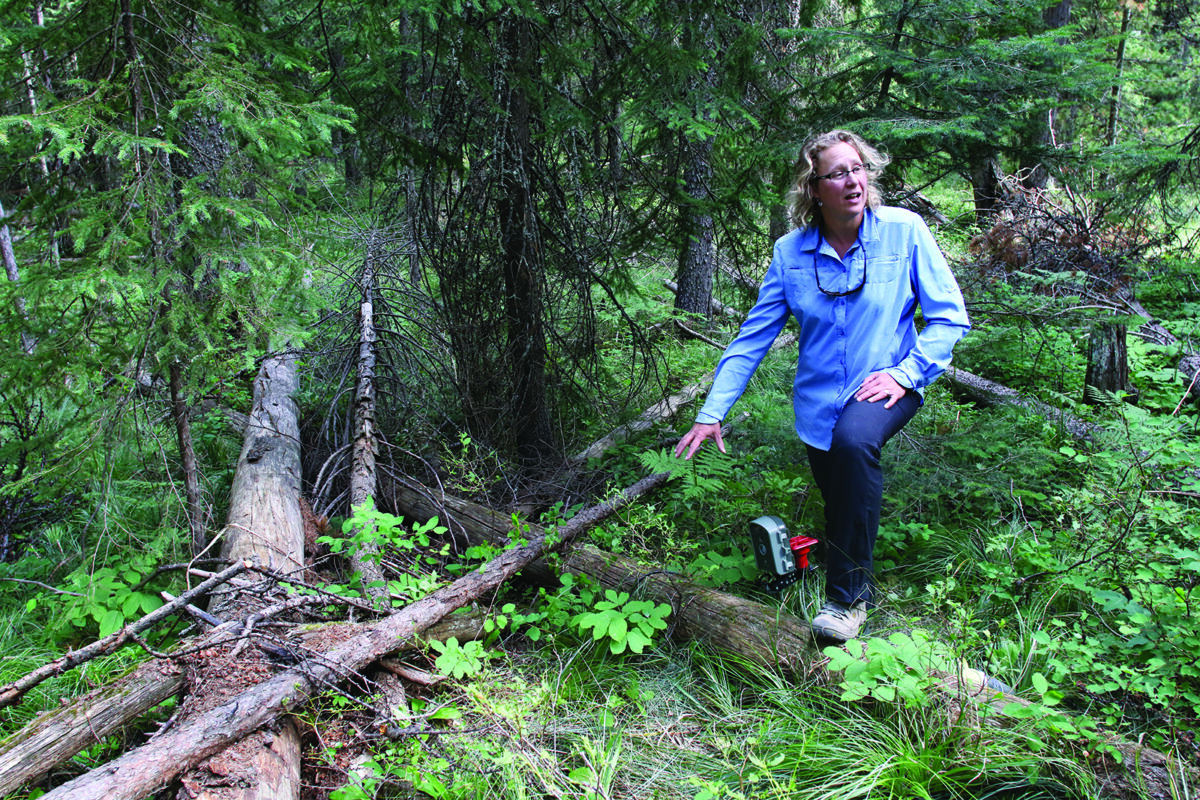
Relying on 23 years of survey data, Graves’ research spotlights yet another instance of how climate change is driving “the acute decline in global biodiversity” and examines how the absence of a once-common pollinator like the bumble bee can cause potential cascading effects on critical ecosystems, including a reduction in fruits, seeds and nuts that both humans and wildlife rely on.
“Seventy-five percent of our food crops rely on pollinators or benefit from pollinators, which in the U.S. is $34 billion,” Graves said. “So understanding what’s going on with pollinators provides critical insights into the human economy as well as wildlife ecology.”

Adam Sepulveda understands firsthand how science can influence U.S. economies. The NOROCK scientist has developed a project called READI-Net that uses environmental DNA, or eDNA, to provide management agencies with early-detection tools that can prevent the spread of aquatic invasive species, including zebra and quagga mussels, as well as New Zealand mud snails. The technology also helps curb the threat of other biological threats, including pathogens and parasites that can have costly ecological and economic impacts on America’s lands and waters. For example, Sepulveda was instrumental in understanding what triggered the massive fish kill on the Yellowstone River when thousands of whitefish died, and helped trace the 2016 discovery of destructive mussel larvae in Tiber and Canyon ferry reservoirs east of the Continental Divide to their genesis, which marked the first time the invasive species had been detected in Montana waters.
“I’ve been working on aquatic invasive species pretty much since I began at NOROCK in 2010, and very early on came to recognize the need for an early-detection system,” Sepulveda said.
Due to Sepulveda’s research expertise, he’s helped developed robotic READI-Net eDNA autosamplers that are easy to deploy in the field, providing management agencies and tribal partners real-time detection data.
“The idea has been to refine these tools that seem wonky and difficult to understand and present them to managers so they can learn about their utility in the real world,” Sepulveda said. “These robotic samplers can open up whole new dimensions of water sampling data. Just imagine how much we’re missing because we can’t afford to be out there monitoring our waterbodies all the time. This changes that.”
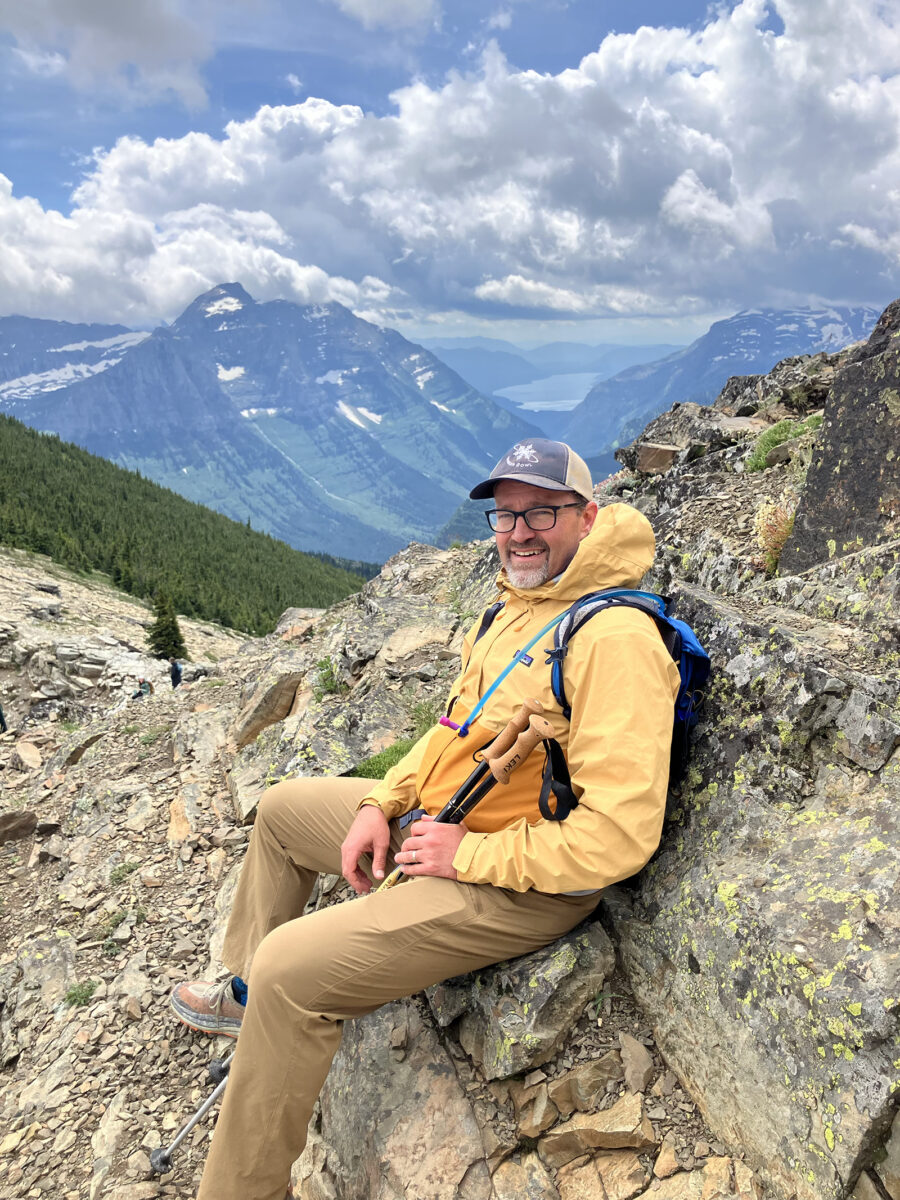
Paul Cross, a USGS research wildlife biologist, has been investigating the effects of chronic wasting disease on deer and elk populations across the West, including whether Wyoming’s system of feeding elk in the winter has contributed to the prevalence of chronic wasting disease in mule deer herds. Gaining a better understanding of the cause and spread of chronic wasting disease can provide state wildlife managers and hunters with critical tools in the field.
“There is no one single tool that’s emerged as a silver bullet, but if we develop lots of tools that we can use in concert, we might be able to identify what factors are creating dense aggregations of the disease: haystacks, water stations, supplemental feeding grounds, deer licks, you name it,” said Cross, whose research could help create diagnostic technology for live animal sampling.
According to Muhlfeld, NOROCK is the leading the development of innovative technologies for natural resource management on a national and global scale.
“We’re helping Montana’s fishing and hunting economies, keeping disease at bay, conducting public safety work in the winter backcountry that nobody else is doing,” Muhlfeld said. “We’re studying hydropower and developing strategies for better water storage and security, monitoring transboundary pollutants crossing the Canadian border. From biological threats to priority landscapes and ecosystems, we have made huge scientific advancements over the last 30 years. Everything we do supports our economic strength, our ecological health and our quality of life.”