As Trump Moves to Repeal Public Lands Rule, Government Shutdown Shuts Out Public Participation
The limited opportunity for public engagement underscores broader concerns across Montana about how the shutdown is hindering public access and input on land management decisions
By Katie Bartlett
When the Bureau of Land Management (BLM) finalized its Public Lands Rule in 2024, conservation groups across the country saw it as a landmark shift, one that put protecting natural resources on equal footing with mining, grazing, and drilling.
“It was this watershed moment for the BLM to officially say that taking care of resources and preserving places so we can pass them down to future generations is one of our priorities,” Wild Montana Federal Policy Director Aubrey Bertram said.
Just a year later, the Department of the Interior (DOI) is moving to repeal that rule, and many of those same conservation groups were prepared to fight back through the public comment process. But with offices closed, communication delayed, and agency staff furloughed, they say the federal shutdown is silencing public participation in a debate that could determine the future of millions of public land acres.
On Oct. 2, a coalition of organizations from across the country sent a formal request to Interior Secretary Doug Burgum urging the DOI and BLM to recognize the constraints caused by the shutdown and extend the public comment period to allow more time for engagement.
The automated email response from their main point of contact on the Public Lands Rule rescission didn’t inspire confidence.
“I am out of the office until further notice due to a lapse in appropriations,” the response read. “If a response is necessary, I will do so once I return to the office.”
Nearly two weeks have passed since the letter was sent. Despite several follow-up attempts, the groups have yet to receive anything beyond similar automated replies. The silence, they say, underscores broader concerns across Montana and the West about how the shutdown is hindering public access and input on public lands decisions.
Kara Matsumoto, the policy director for the Colorado-based Conservation Lands Foundation, described the Trump Administration’s handling of the shutdown as “in line” with a pattern of cutting the public out of the decision-making process on public lands.
When the Biden Administration first proposed the Public Lands Rule in 2023, the BLM provided multiple ways for the public to engage, including three in-person meetings, two virtual meetings, fact sheets, and an FAQ resource online. The Biden-era agency also extended the comment period by 30 days, giving people on all sides a full 90 days to weigh in.
“The contrast between the Biden and Trump administrations’ engagement couldn’t be greater,” Matsumoto said. “This is equally harmful to all stakeholders and constituencies who care about the Public Lands Rule, whether they like the rule or not.”
Bertram said Wild Montana is encouraging members across the state to continue submitting comments online, an option that provides access to rural residents who don’t live near a BLM office. But she worries that if the shutdown continues, technology challenges could force the organization to pivot.
Beyond the logistics of commenting, she stressed that the stakes of the rule itself make public engagement crucial.
“The ink on the page is barely dry — this law only went into effect 14 months ago,” Bertram said. “Unfortunately, this administration is cutting it off at its legs before it can even get going.”
She noted that the rule’s provisions clarifying practices for designating and protecting Areas of Critical Environmental Concern (ACECs) are particularly important for Montana. ACECs are public lands that require special management to safeguard unique resources or scenic landscapes.
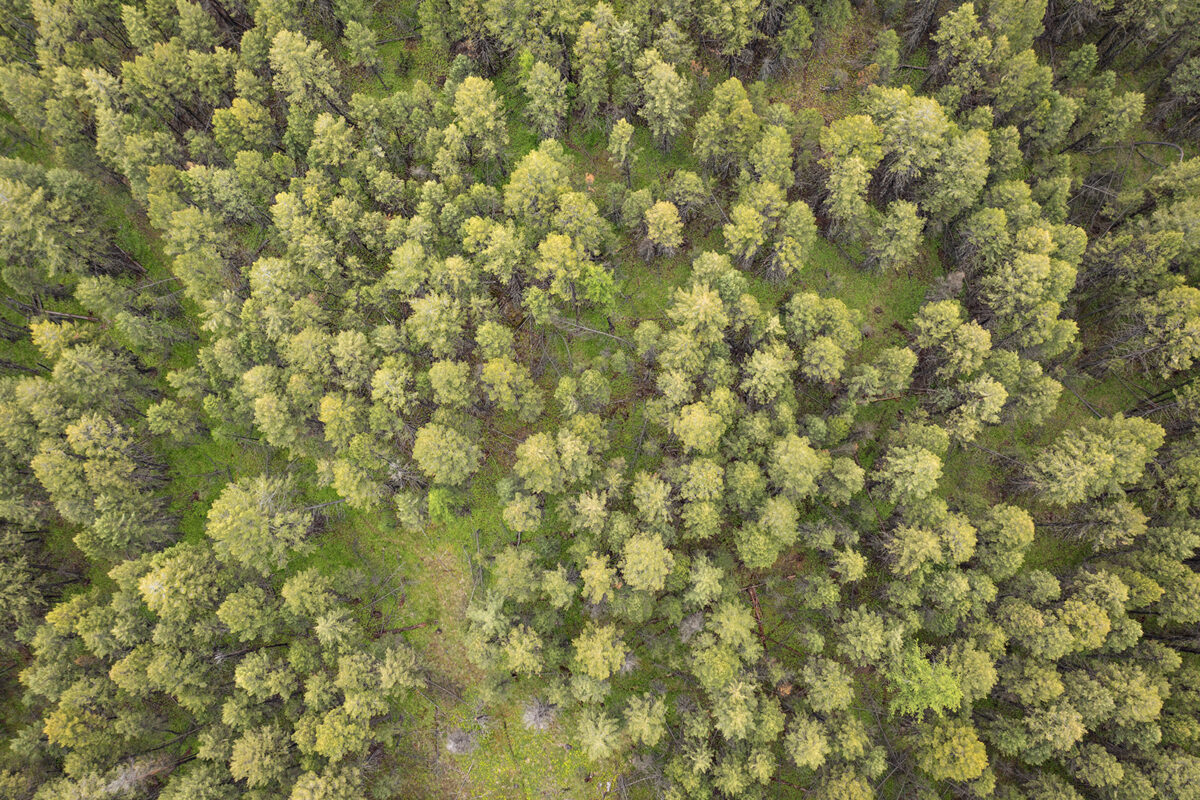
Historically, Montana field offices have struggled to designate and manage ACECs, a problem Bertram attributes to “a lack of direction from the BLM.” She noted that the agency often flags areas as important in planning documents but fails to explain why some are not designated as ACECs. Additionally, the previous Trump Administration overturned several ACECs across the state “without meaningful reason.”
“Losing ACEC regulations is going to be a huge misstep in terms of celebrating and protecting some really cool, really important landscapes across the state,” she added.
The conservation groups are pushing elected officials, from the local level up to the federal level, to stand up for the Public Land Rule and for fair public processes in deciding its future.
But Montana’s elected officials have largely focused on assigning blame for the shutdown, conservation advocates say. Republican Sen. Steve Daines called it “political theater” orchestrated by Senate Minority Leader Chuck Schumer, while Sen. Tim Sheehy similarly accused Schumer of causing an “unnecessary shutdown.”
Those comments follow earlier criticism of the Public Lands Rule itself. After the rule was enacted in 2023, Republican Gov. Greg Gianforte denounced it for conflicting with Montana’s land use strategies, describing it as “significant and excessive federal overreach.”
Daines echoed that stance in September, praising the proposal to repeal the rule as a way to “bring back commonsense land management policies that will benefit Montana farmers, ranchers, and producers.”
“President Trump is committed to Treasure State priorities, and this is welcome news,” he wrote.
At the same time, the BLM’s contingency plan reveals where its limited shutdown resources are being directed. The plan designates processing permits, and completing inspections and enforcement for oil and gas operations as “significant agency activities” that will continue during the lapse.
“[The plan] reveals a great deal about this administration’s values,” Montana Wildlife Federation Executive Director Frank Szollosi said. “Their special interest buddies in the oil and gas industries will be safe, but what about ensuring safe recreational access to public lands during hunting season? Not essential, apparently.”
Flathead Wildlife Inc. President Jim Vashro has seen some of these recreational impacts firsthand.
He was hunting last week at the Nelson Creek Campground, which is run by the U.S. Army Corps of Engineers (USACE) on the Fort Peck Reservoir. The campground was busy, but Vashro said it was “obvious” that no one had been tending to the site or its latrines for several weeks, consistent with the shutdown.
The USACE did not respond to a request for comment.
A few days later, Vashro spent time on the Middle Fork Flathead River. The river was at “record low flow,” he said, so he checked the real-time gauge sites maintained by the U.S. Geological Survey (USGS).
A banner informed him that the site — which provides crucial information for boaters, anglers, and water managers — would be updated with “limited support” due to the lapse in appropriations associated with the shutdown.
These local impacts are minor compared with the nationwide consequences of the 2018 government shutdown, which lasted 35 days.
Across the country, public lands saw widespread illegal off-roading, vandalism, and damage to cultural sites. In Joshua Tree National Park, trees were illegally cut down, and Sequoia and Kings Canyon National Parks were forced to close due to challenges managing human waste and trash.
“Not to say it hasn’t happened, but I haven’t heard of any really egregious damage to public lands in Montana like we saw in other states in 2018,” Bertram said. “Part of that is that the last shutdown was in the winter, when access in Montana is limited, but it also speaks to the fact that we are very good stewards of the land here.”
Bertram credited officials at the National Park Service (NPS), Forest Service, and U.S. Fish and Wildlife Service (FWS) with providing the information and services that allows Montanans to be effective stewards.
But during the current shutdown, more than half a million of those federal workers went home without pay after shuttering visitor centers and public facilities in Glacier National Park and other parks across the country, which remain open in a limited capacity.
Bertram said that some of the furloughed employees with whom she is in contact are glad to have a break, given that understaffed offices make it nearly impossible to stay on top of work. Still, they “dread the mess” that will await them when they return.
Szollosi of the Montana Wildlife Federation emphasized that these individual experiences reflect a larger toll.
“The human impact cannot be understated,” he said. “There are employees working without pay or under the looming threat of being fired.”
Trump has been promising to shrink the size and scope of the federal government since his first days in office. He has made moves on this promise through the shutdown, filing plans to cut more than 2,000 employees from the Department of Interior. The biggest hits would come to the BLM, NPS, FWS, and USGS.
“The stakes feel a lot higher than during the last shutdown — this second iteration of the Trump administration feels more aggressive and dangerous,” Bertram said. “That has the potential to cause longer lasting damage to both our public lands and the people who support them.”