January Drought Thaws Northwest Montana’s Snowpack
Abnormally warm temperatures and minimal precipitation last month has dropped snow water equivalent levels in the Northern Rockies to below normal
By Maggie Dresser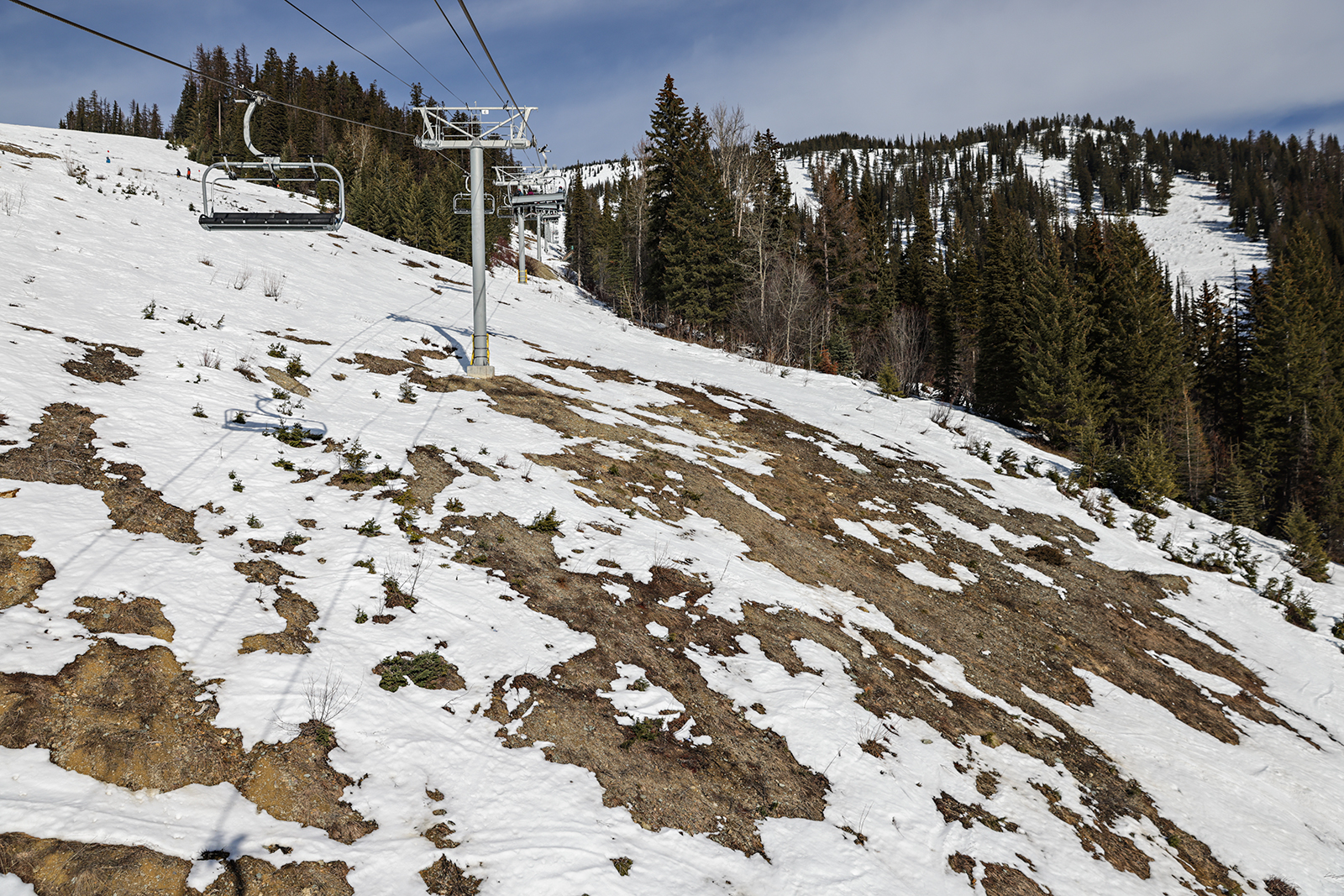
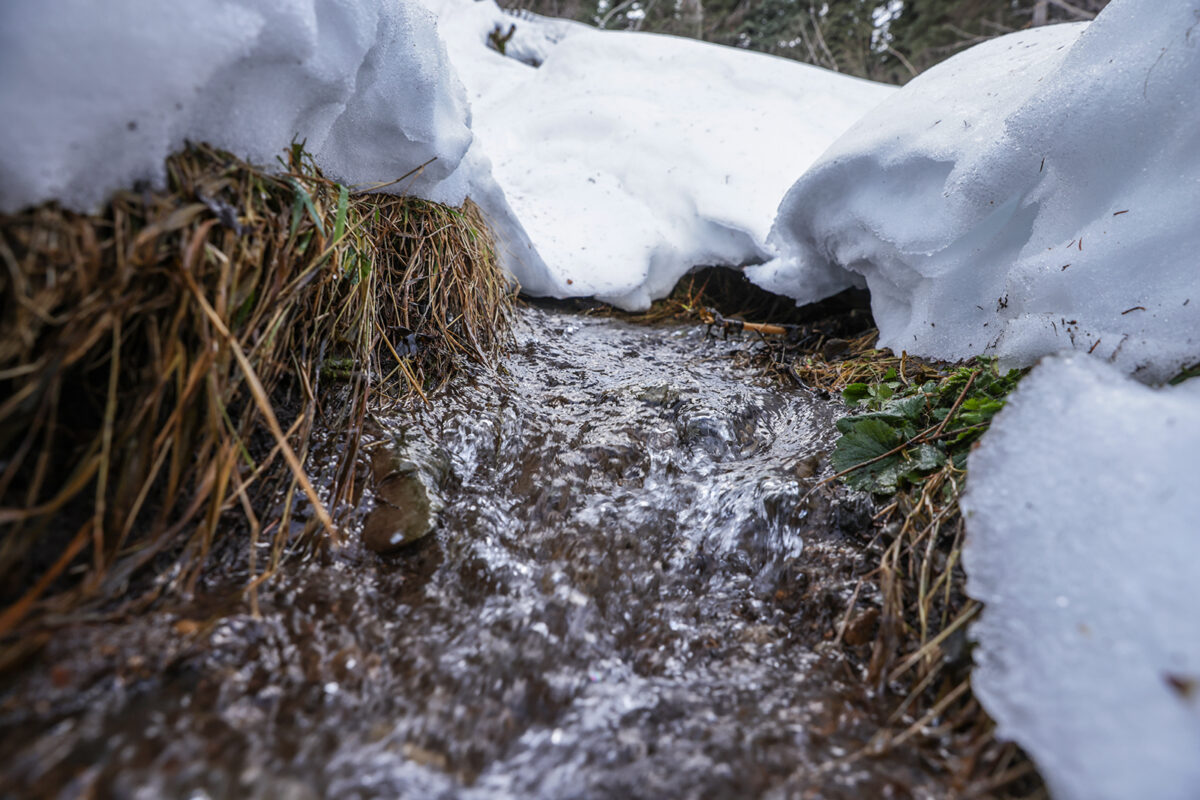
As a heat wave and record temperatures bakes the region’s melting snowpack following minimal precipitation last month, the Northern Rockies’ snowpack has reached a deficit.
“Most Montana basins are now reporting below normal snowpack,” Florence Miller, a USDA Natural Resources Conservation Service (NRCS) Hydrologist, said in a press release. “While some higher elevations are holding onto their snowpack reserves, mid-elevation snowpack is falling behind, and low elevation snowpack is noticeably absent.”
Statewide, January’s precipitation was 50% to 75% of the median and temperatures were well-above normal as drought conditions resulted in a loss of soil moisture. Due to warm temperatures, the snowpack remains denser than normal for this time of year, Miller said.
Most of the state experienced temperatures 3 to 9 degrees Fahrenheit above normal with several regions experiencing record high temperatures last month. Kalispell on Feb. 5 reached 51 degrees Fahrenheit, breaking its 1995 record of 50 degrees while Butte reached 59 degrees, according to the National Weather Service (NWS).
Last month, Kalispell saw an average temperature of 27 degrees Fahrenheit, which is 3.3 degrees above normal, and the snowpack was 45% of normal with only 6.2 inches of snow, according to NWS.
Despite the snowpack’s deficit, the water-year-to-date precipitation (which begins in October) is well above normal with 100% to 150% of median statewide following a potent atmospheric river in December. In high elevation areas where the precipitation fell as snow, surpluses helped make up for January’s lack of precipitation. The Flathead River basin in December saw monthly accumulation well above normal at 211% of the median but dropped to 50% in January.
While most statewide SNOTEL and snow course stations are reporting a 1- to 5-inch SWE deficit, the Cabinet and Swan ranges have reached an 8-inch deficit. In the northern Whitefish Range, Stahl Peak, which sits at an elevation of 6,040 feet, has above average SWE levels of 114% while the nearby Grave Creek SNOTEL at 4,350 feet has a SWE of 41%.
According to the Feb. 1 Water Supply Outlook, Flattop Mountain in the Flathead River basin ranks No. 1 statewide with the most precipitation in January, accumulating 7.3 inches at an elevation of 6,280 feet while Bear Mountain in the Kootenai River basin followed with 6.7 inches.
Across Montana, most SNOTEL stations are less than halfway towards reaching normal peak snowpack, which typically peaks between late March and early May, and Miller says a return of winter and continued snowfall will be crucial to make up current snowpack deficits.
“Mid- to high-elevation snowpack is the main contributor to summer streamflow,” Miller said. “How the lack of low elevation snow coverage will influence snowmelt-driven runoff this year is yet to be determined.”
This weekend, high pressure and valley inversions are forecast in northwest Montana with temperatures 12 to 15 degrees above average through Saturday before a cold front moves across the region on Feb. 8. A “moist system” will bring mountain snow into the Northern Rockies Sunday into Monday when snow levels are expected to fall to 3,000 feet.
Up to 8 inches of snow is forecast for Marias Pass with up to a foot of snow at high elevations paired with gusty westerly winds up to 30 miles per hour. There is a 50% chance of snow showers in the Flathead Valley, according to the National Weather Service.