As Maintenance Backlog Burdens Northwest Montana’s Public Land Managers, USFS Lays Plans to Hire Seasonal Workers
Historic workforce vacancies, hiring freezes and budget cuts continue to have a negative impact on trails and public access. On Friday, months after seasonal hiring typically begins, national forest officials opened applications for the upcoming recreation season.
By Tristan Scott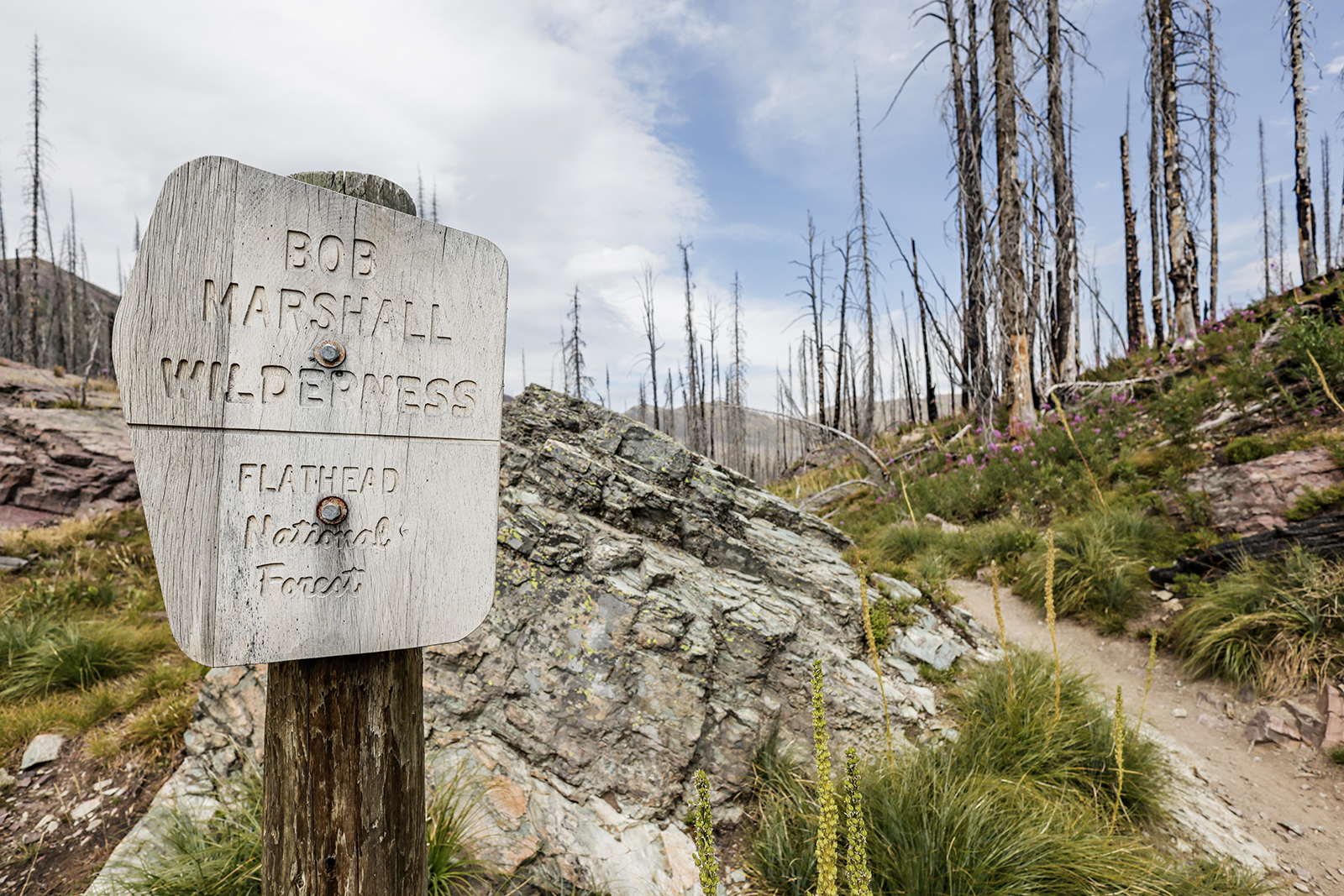
Still reeling from the consequences of hiring freezes, budget cuts and staffing vacancies that hobbled public lands managers one year ago, officials with the Flathead and Kootenai national forests on Friday announced plans to hire seasonal workers for the upcoming recreation season.
The call for applications kicks off a curtailed recruitment campaign that typically begins in late summer or fall of the preceding year; because local forests often import workers from across the country to fill seasonal positions, they require additional time to secure housing and relocate.
Of the 20 positions available on the Flathead National Forest, 16 are dedicated to trails and recreation and four positions to resource management, such as timber, according to Friday’s announcement.
“Our seasonal employees are the backbone of summer operations — keeping our campgrounds, trails, and recreation sites open, safe and welcoming for visitors,” Flathead Forest Supervisor Anthony Botello said in a prepared statement. “These positions offer meaningful work, hands-on experience, and the chance to support public lands close to home.”
The Feb. 12 announcement by the U.S. Department of Agriculture’s Forest Service of its plans to hire up to 2,000 seasonal positions for the upcoming summer recreation season came as a relief to district rangers in northwest Montana, who say a backlogged inventory of trail maintenance will be exacerbated this season due to the series of extreme wind and rain events that buffeted the region in December, causing widespread flooding and blowdown.
“It’s going to be a rough year. We haven’t assessed how much windthrow we have on trails, but we know it’s going to be a workload,” Rob Davies, the Flathead National Forest’s district ranger on the Hungry Horse and Glacier View ranger districts, said in an interview with the Beacon.
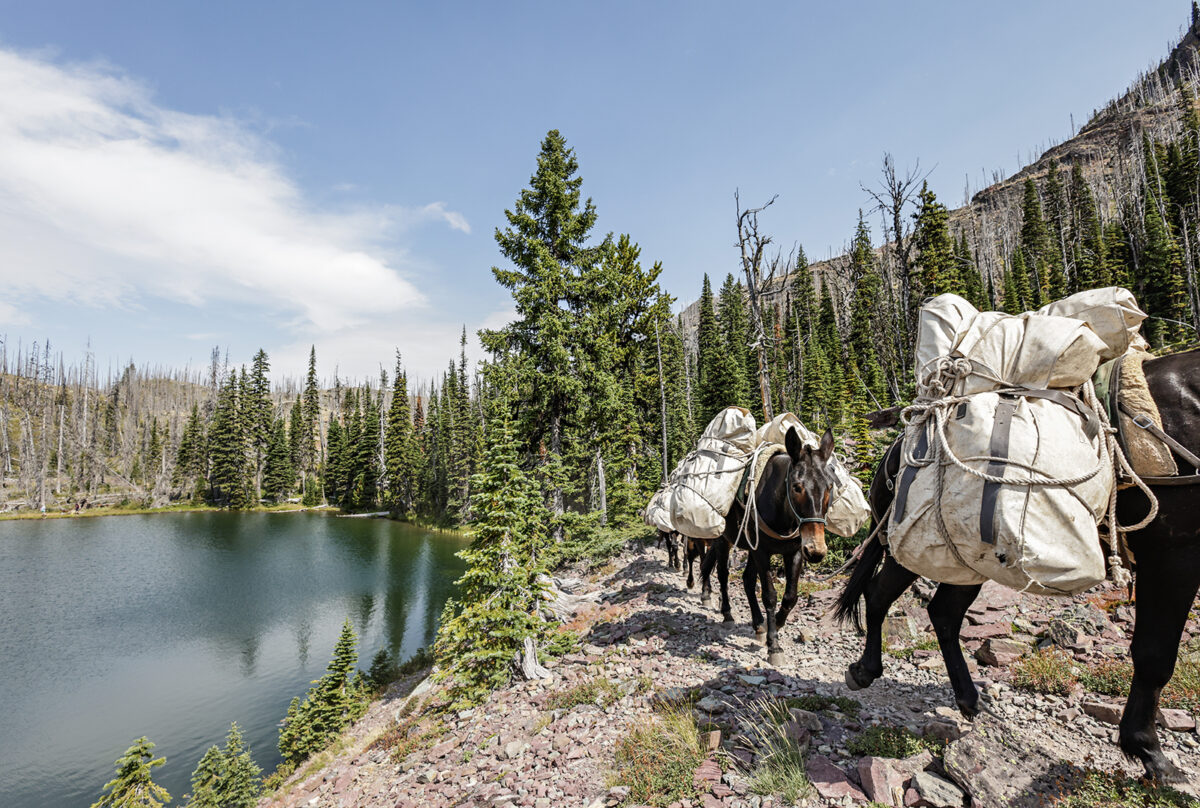
Local districts have been overextended since the Trump administration announced historic staffing cuts and budget reductions in February 2025, with some Forest Service offices losing their entire trail staff. On the Flathead National Forest, which includes the Bob Marshall Wilderness Complex, the critical vacancies have led to critical operational gaps and a large-scale loss of expertise and rarefied skills, such as using pack stock to access remote landscapes and cross-cut saws to clear wilderness trails.
Those gaps were detailed in an internal U.S. Forest Service (USFS) report last December, which predicted that “public access, visitor satisfaction, and recreation-based economic contributions will continue to decline in 2026 and beyond without direction to prioritize investments in recreation generally and the trails program specifically.”
Locally, forest districts stand to lose decades of investment in trail infrastructure as specialized workers have either been fired or have left their posts out of frustration, a consequence of “widespread burnout and declining morale” across the agency, the status report states.
“Lost skills are weakening the agency’s ability to implement technical projects and oversee partner, volunteer, and contractor work, which is leading to unpassable trails, unsafe bridges and negative environmental impacts,” according to the report. “Animal packer positions are vacant and pack stock programs are at risk; both are critical to keeping wilderness trails open.”
But in a press release announcing the agency-wide hiring plans for the upcoming summer, U.S. Forest Service Chief Tom Schultz said “hiring these seasonal positions is essential to delivering the services visitors rely on.”
“Our seasonal employees are active members of the communities they serve. They keep forests open and accessible, campgrounds and other facilities clean, and neighboring towns thriving,” according to the prepared statement from Schultz. “It’s a direct investment in the people who make our national forests and grasslands special.”
The agency’s renewed commitment to seasonal employees comes almost exactly one year after the Trump administration announced mass firings on Feb. 14, 2025 — a date that some workers dubbed the “Valentine’s Day massacre” — leading to historic reductions within the civilian workforce, including the National Park Service and the Forest Service. The abrupt purge of federal employees displaced hundreds of seasonal workers in Montana, upending their personal and professional lives and exasperating land managers as they redrew organizational charts.
On the Flathead National Forest, district rangers begin assembling their seasonal crews months ahead of the spring and summer season, and the USDA’s late approval of this summer’s seasonal positions has instigated a hasty hiring process.
“We still have a hiring freeze, our budgets are still limited, but we did get approval to hire 20 seasonal positions on the Flathead National Forest,” Davies said. “Now, whether we can fill them or not remains to be seen, but we’re going to do our best. It’s going to be a short turnaround, and most of those positions will go towards recreation. We probably won’t be at full capacity, but we can at least fill some of the biggest holes.”
The Flathead National Forest is recruiting for a variety of roles, including: four recreational and visitor service positions in Kalispell; three recreation and visitor service positions in Bigfork; four recreation, visitor service, river, wilderness and trails positions in Hungry Horse; three active resource management positions in Hungry Horse; and six recreation, river, wilderness and trails positions in Spotted Bear.
These positions are in addition to seasonal hiring for wildland fire fighters already underway.
“Seasonal jobs can be a first step into a natural resources career, a way to build experience, or simply a chance to spend the summer working outside,” Botello said. “We encourage anyone interested to apply.”
On the Kootenai National Forest, where the brunt of December’s atmospheric river and extreme wind events concentrated its force, officials encouraged local residents to apply for a variety of seasonal roles, including: trail and facility management; recreation and visitor services; and timber management.
“Seasonal employees are essential to the maintenance of recreation sites across the Kootenai National Forest. From trail clearing, campground maintenance and much more, these positions keep our sites welcoming for all visitors,” Kootenai Forest Supervisor Chad Benson said in a prepared statement.
Applicants can view open job announcements and submit applications through USAJOBS.gov.
According to agency officials in Washington D.C., the Forest Service has expedited its hiring process and shortened hiring timeframes, with a renewed focus on recruiting local workers instead of hiring from the national pool.
“This year, we’re focusing our recruitment within the communities we serve,” Schultz said. “Local residents bring invaluable knowledge, pride, and a strong connection to the places we care for. We are excited to offer more opportunities for people who want to work close to home.”
Still, as local land managers brace for challenging conditions across Northwest Montana’s forested landscape, they say that the region’s remote character adds layers of logistical challenges to the recruitment process.
“We’re not likely to get people moving here from other parts of the country for a seasonal job this late in the process,” Davies said. “They’re going to need to have already secured housing, and already have located here for these types of positions. But we’re hopeful that it will help quite a bit, and it’s a great opportunity for locals.”
Last year, volunteer organizations from across the Flathead Valley marshaled their forces to help patch holes, but quickly found themselves overburdened. Those problems intensified last April, when the Trump administration meted out steep cuts to volunteer organizations, including AmeriCorps and the Youth Conservation Corps (YCC), it led to the termination of volunteer positions in the region.

“Many AmeriCorps and YCC programs are no longer available,” the USFS Trail Program Status Report notes. “The agency is losing out on tangible partner and volunteer contributions without the staff to coordinate and provide technical oversight. While partners and volunteers augment capacity, they cannot entirely replace agency staff.”
Meanwhile, the scale of the workforce reduction has led to “unpassable trails, unsafe bridges, and negative environmental impacts,” while other consequences include “critical vacancies, staff reassignments, and seasonal hiring restrictions.”
Greg Schatz, a long-time member and leader of the Back Country Horsemen of the Flathead, said he’s encountered severe blowdown and trail damage on the Flathead National Forest this winter.
“It’s a mess,” Schatz said recently. “To be fair, there were no trail crews last year; there were forest employees cutting trails that have other job titles, and there were volunteers, but there were no employees with the title, ‘trail crew.’ And we got lucky because the trails were in decent shape. But that won’t be the case this year.”
To help augment the staffing on local forest districts and replenish the generational skills that are being lost in the woods, the Back Country Horsemen is hosting a pack and tack clinic later this month.
“Everything I do, and everything we do as an organization, is geared toward getting more people on horseback and into the woods,” Schatz said. “If they become a member, that’s great. If they don’t, that’s great, too. The bottom line is that we need people with horse experience and pack stock experience if we’re going to continue to maintain access to these wilderness areas.”
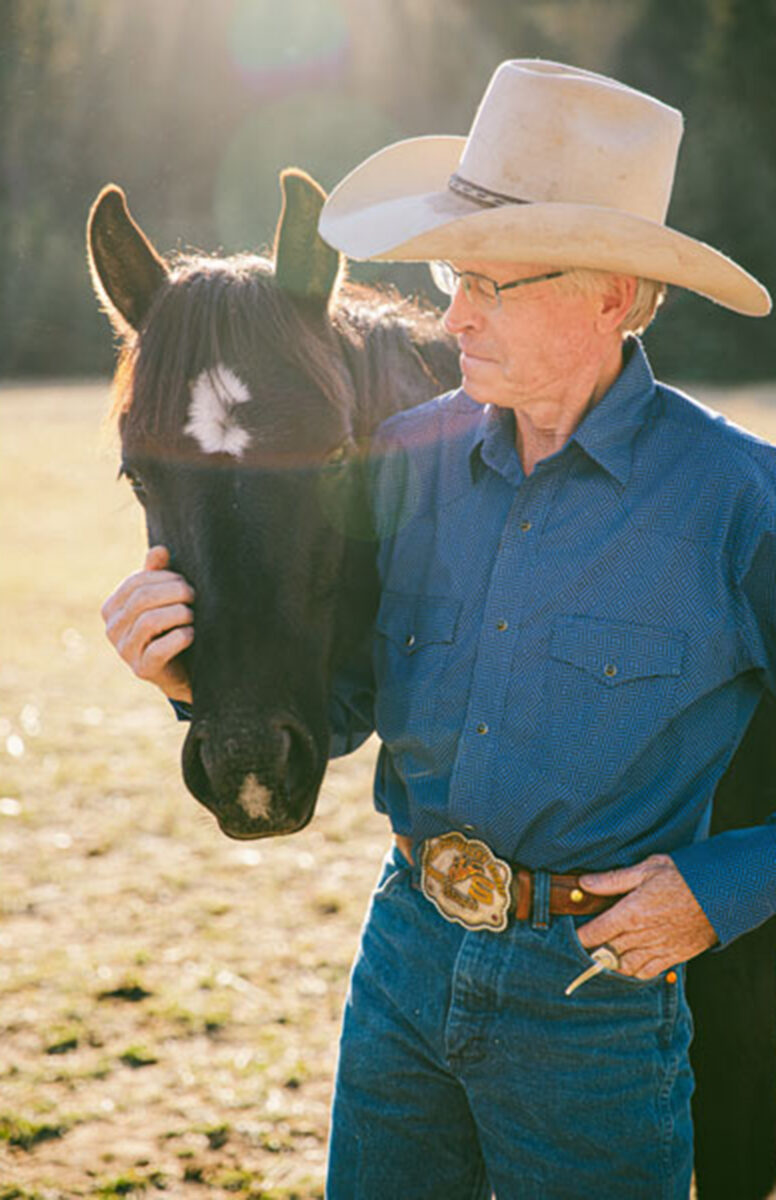
Enter Bill Workman, the longest-serving packer for the Flathead National Forest’s Spotted Bear Ranger District, and a 2020 Montana Cowboy Hall of Fame inductee. Having spent the past 55 years working continuously as a packer, Workman was tapped by the Back Country Horsemen to lead the pack and tack clinic on Feb. 28 from 10 a.m. to 3 p.m. at the Triple Take Arena in Kalispell.
In 1903, Workman’s grandfather established the family’s homesteaded on Pinkham Creek, 15 miles west of Eureka. Having experienced his first pack trip at age 7, riding along with his father in the Spotted Bear Ranger District, Workman cut his teeth with private outfitters and the National Park Service, working at St. Mary in Glacier Park before he was hired on by Spotted Bear in 1980.
“I’ve been there ever since, for 46 years,” Workman said. “All packing jobs are seasonal, but I’ve been a permanent part-timer the last 25 years. I’m not sure it’s a job everyone wants to do their entire life, but I’ve sure enjoyed it.”
Beginning with his grandfather, the Workman family’s legacy of packing stretches back 112 years, passing through four generations.
In agreeing to lead his first packing clinic for Back Country Horsemen, Workman said he hopes to impart some of his wisdom on future generations of packers, while encouraging novice horsemen and women to volunteer in the woods this summer.
“The agency still doesn’t have much of a budget, so with fewer people it will be tougher again this year,” Workman said. “There are trees down everywhere and I think the trails will probably be way worse than last year. I think it’s gonna take a while this year, and even longer with so few people.”
Application periods, qualifications, and start dates vary by position. Applicants are encouraged to review job announcements carefully for deadlines and required materials. Additional information about seasonal hiring is available at https://www.fs.usda.gov/r01/flathead/working-with-us/careers/2026-summer-seasonal-jobs.