In Kalispell, Main Street Businesses Struggle to Pencil Fire Service Lines, Stifling Downtown Development
Many of Main Street’s older buildings do not have fire suppression systems. The reason is a complex web of state and city regulations and on-the-ground factors.
By Zoë BuhrmasterWhen Paul Roybal bought what is today Abbey Carpet & Floor on Kalispell’s Main Street in 2012, the building was not tapped into the water main, a gap in service left over from previous work on the downtown throughway. The following year, he added a 1.5-inch line for water and a 6-inch line for a fire suppression system.
To install the commercial-sized water line in 2013 cost about $21,000, Roybal said. The building is on the east side of the street, the same side the water main is on, so Roybal only had to pay for a single-lane, two-day closure to access the water main underneath Main Street. For managing traffic, installing the fire service line, and repaving the street, Roybal had to pay around $43,000. He wrote an easement for the fire line to allow other businesses on the block to tap into it.
“While I had Main Street opened up I had a fire service line put in,” Roybal said. “My idea at the time was doing it so that no one else had to pay for it.”
After installing the lines, Roybal discovered that some of the requirements around fire suppression systems had changed. Instead of doing one story at a time as he had planned, he would have to sprinkle the whole building at once. A sprinkler system on each floor would cost around $30,000 each, Roybal said, an unfeasible number for him. So, the line went unused.
“To this building, the 6-inch pipe never got hooked up,” Roybal said.
Many of the old buildings along U.S. Highway 93, Kalispell’s Main Street, still do not have fire service lines, city officials said. For local businesses looking to expand, or entrepreneurs interested in purchasing a downtown building, the complexity of tapping into the street’s water main and associated high costs have proven a barrier.
Constructed in 1980, the 12-inch water main running down the east side of Main Street is a newer main in relation to the city’s water system and “a good size main for our downtown distribution,” the city’s Public Works Director Susie Turner said.
“It’s not the pressure and it’s not the size of the main,” Turner said, referencing the complaints city staff have heard from local businesses regarding the difficulty of installing a fire service line downtown. “It’s actually just getting from the main to the business that is more the issue.”
Residential water taps connecting the water main to a building are often 1 inch in diameter, Turner said. In commercial buildings, they’ll be up to 1.5 or 2 inches for water use. Service for a fire suppression sprinkler system requires a separate tap, usually a minimum of 4 inches in diameter.
A change in a building’s use, even part of it, can trigger the fire code warranting a sprinkler system, such as increasing capacity by using the second floor of a building. There are a number of variables at play, however, and no two sites are the same, city fire and building inspector Jason Landis said.
Property owners sometimes have the option to choose other methods of fire suppression such as fire-rated construction, which can contain fire for a certain amount of time by installing thicker walls and fire-rated materials. One downside to that option is it requires additional space that many downtown buildings don’t have.
“Sprinkling allows a lot of stuff,” Landis said. “It can limit what can be done if you can’t get a fire main to a building.”
To install a fire service line, business owners must work with the city to see what is feasible based on a site’s relation to the water main, including whether the building is on the same side of the street or not. City engineers are responsible for tapping into the water main, while the work to construct the line is completed by a contractor.
Because U.S. Highway 93 is owned by the Montana Department of Transportation (MDT), any construction that interferes with the roadway also must run through the state government agency.
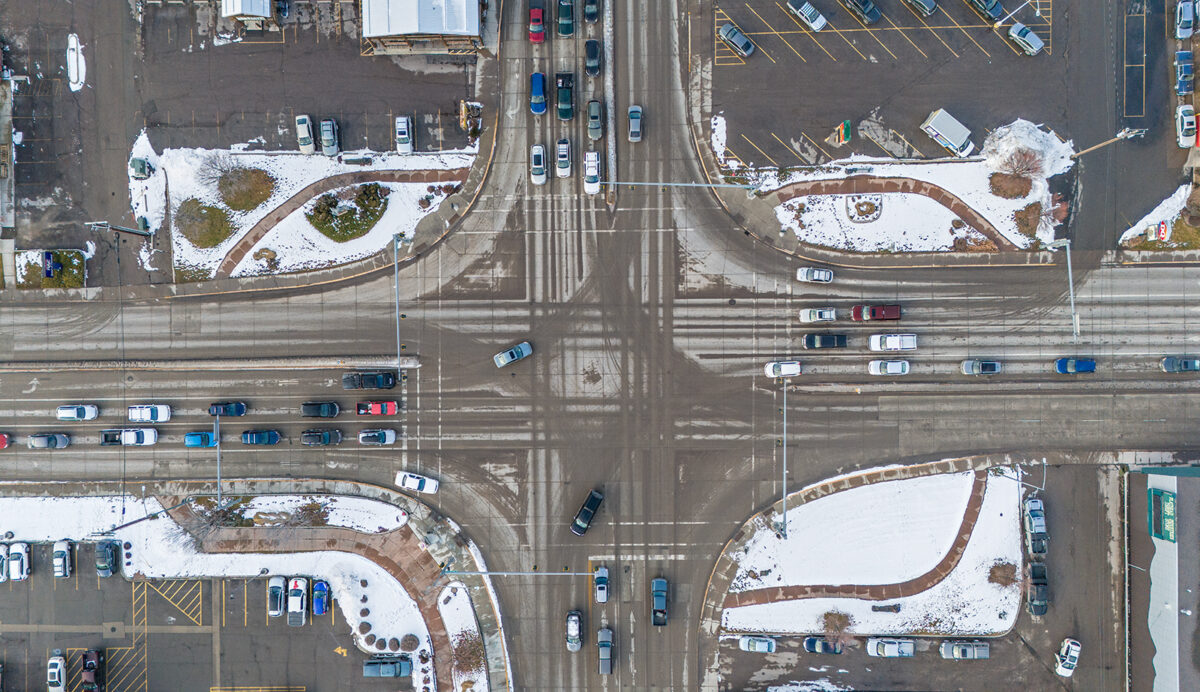
MDT has an online utility permitting system, where business owners must pay $150 to fill out a permit including an engineering drawing and plans for traffic control. District utility agents review the permit and make suggested changes to ensure that traffic disruption is limited and that the permittee has plans with contractors to repave any section of the highway they displace.
If a business is on the west side of Main Street, MDT officials often recommend horizontal drilling — drilling under the thoroughfare to access the water main on the opposite side — instead of trenching. Trenching would require shutting down four lanes of traffic, Matt King, MDT’s utility engineering manager, said.
While directional drilling is still expensive, it is also often cheaper than trenching as it requires less traffic control and less repaving.
“Nobody wants to open-cut down across the highway,” King said. “We’re trying to keep traffic open for the taxpayers.”
Still, horizontal drilling isn’t always a viable option depending on a site’s location, King noted.
Turner said every once in a while someone will suggest running a water main down the alleys behind Main Street businesses to service downtown.
“Unfortunately, there’s just so many utilities through the alley corridors that we wouldn’t be able to fit a water main,” she said, noting that storm, sanitary, gas lines and fiber already run through the alleys.
It’s not a new issue, Turner said, and city staff say they’ve looked into several cases over the years presented by downtown businesses only for the owner to back out due to high costs or unfeasible layout.
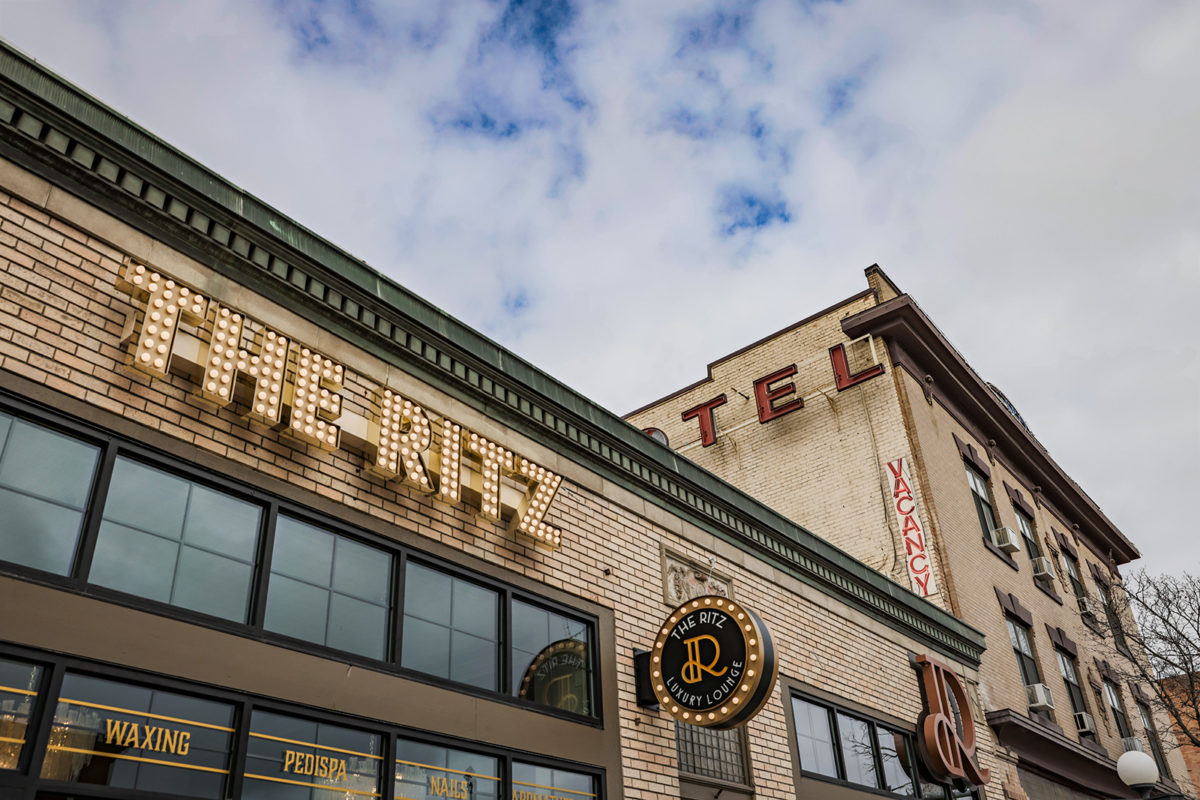
Gary Johnson, an engineer with KLJ, worked with the owners of The Ritzy Salon and Lounge a few years ago to see if the small business could install a fire service line to expand capacity. The salon is located on the west side of Main Street, the opposite side of the street from the water main.
The engineers looked into several options, including horizontal drilling, tapping into a water main on a different street and other methods of fire suppression. Each had its own set of problems with a common denominator: high risks at high costs. The project never ended up penciling out for the owners.
“It’s a difficult situation given the area, a downtown main thoroughfare and MDT-controlled highway,” Johnson said. “If it were another street in another part of town, you would just dig a trench.”
During discussions the Main Street Safety Action Plan at city council meetings last year, local business owners pointed out that redoing Main Street would provide an opportunity for businesses to tap into the water main at the same time, saving them the costs associated with traffic control and paving.
“The time to strike is when this comes in for a new project and we have the street tore up and traffic control in place and that would be when to put in the fire services, and I would tend to agree,” Keith Haskins, deputy public works director and city engineer, said. “That would be a lot cheaper for them at that point.”
While the downtown redesign is currently shelved, it’s an idea that has stayed afloat among some local business owners minds should the plan be brought back up for discussion. Councilor and downtown business owner Kyle Waterman said that it’s something the city will need to look into.