Ferndale Volunteer Fire Department Forms a QRU, Filling a ‘Desperate Community Need’
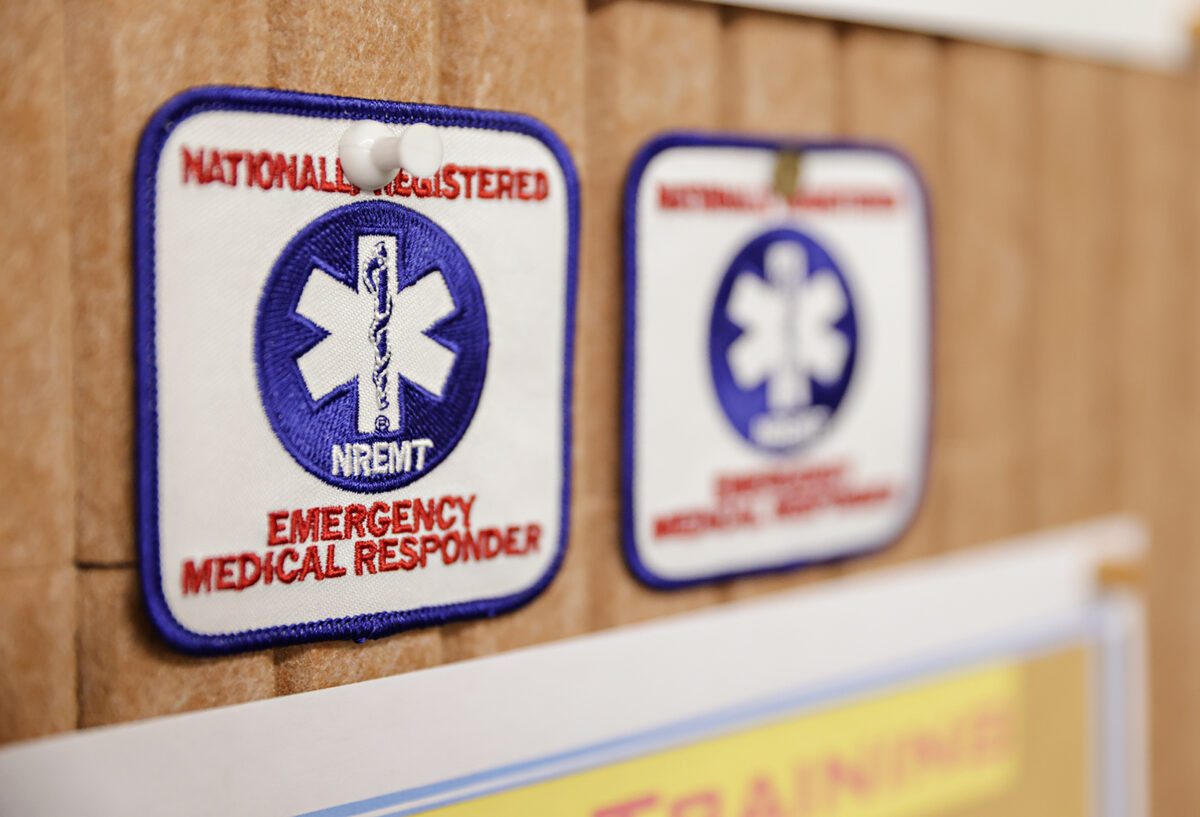
The volunteer firefighters could previously only respond to a limited number of medical calls. With the Qualified Response Unit formed, many of the rural volunteer firefighters are now certified as first responders.
By Zoë Buhrmaster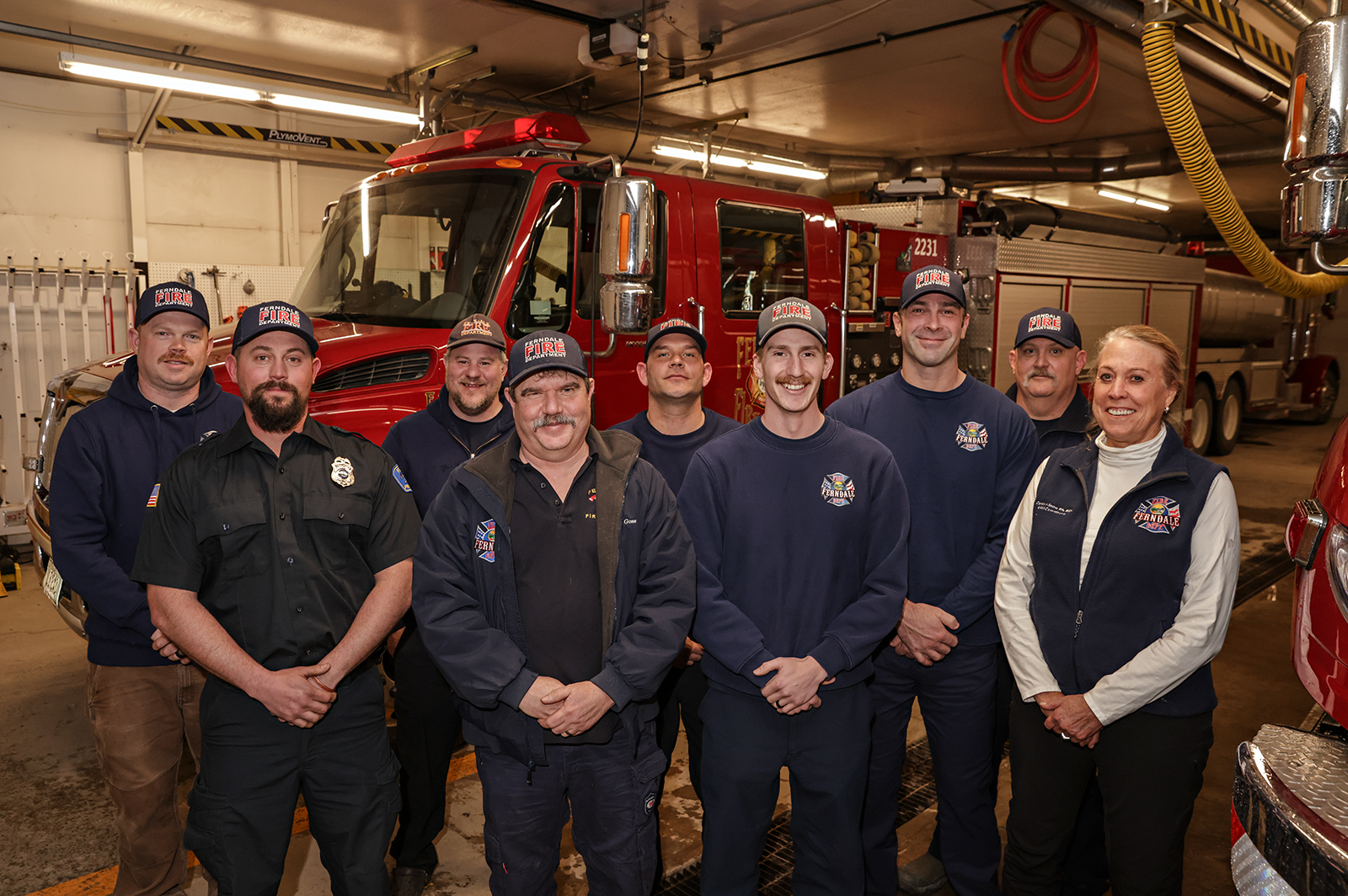
A wave of nerves rolled through the Ferndale Volunteer Fire Department when the idea of forming a Qualified Response Unit (QRU) first surfaced. Over the past few years, the department had gone through several fire chiefs in search of the right fit and relied on a fluctuating pool of community members willing to give their time to respond to rescues and fire emergencies for free. Most of the volunteers have full-time jobs and families, which meant keeping pace with fire calls was already a challenge.
Adding the responsibility of responding to medical calls by training volunteer firefighters as Emergency Medical Technicians (EMTs) and Emergency Medical Responders (EMRs) to form a QRU felt potentially overwhelming, Volunteer Fire Chief Shawn Devlin said.
“There was a lot of mixed feelings, to be honest,” Devlin said. “From previous leadership, capacity of volunteers, there was a lot of roadblocks that had kept things from progressing.”
Formed in 1950, the Ferndale Volunteer Fire Department covers a 71-square-mile area just east of Bigfork. From north to south, the rural fire district starts near the Swan River and extends to about halfway down the length of Swan Lake, Carolyn Snow, the volunteer coordinator said. Volunteers are trained in structural and wildland firefighting tactics, auto extrication, water and ice rescue and other types of rescues – but not EMT or EMR services.
Without a QRU, the firefighters could only respond to 911 calls for motor vehicle accidents, lift assists and cardiopulmonary resuscitation (CPR), Snow said. They had an agreement with the Bigfork Fire Department, which would respond to all other medical calls.
“A lot of people did not even know that you don’t have that service here,” Snow said. “You have to wait for Bigfork which, if they’re up in Kalispell, can be a long way. And if you are in the Swan [Valley], it’s even longer.”
On average, around 70% of fire department responses to 911 calls in the U.S. are medical-related, while only about 4% are fires, according to data from the U.S. Fire Administration. Last year, medical emergencies made up 80% of Bigfork Fire’s calls.
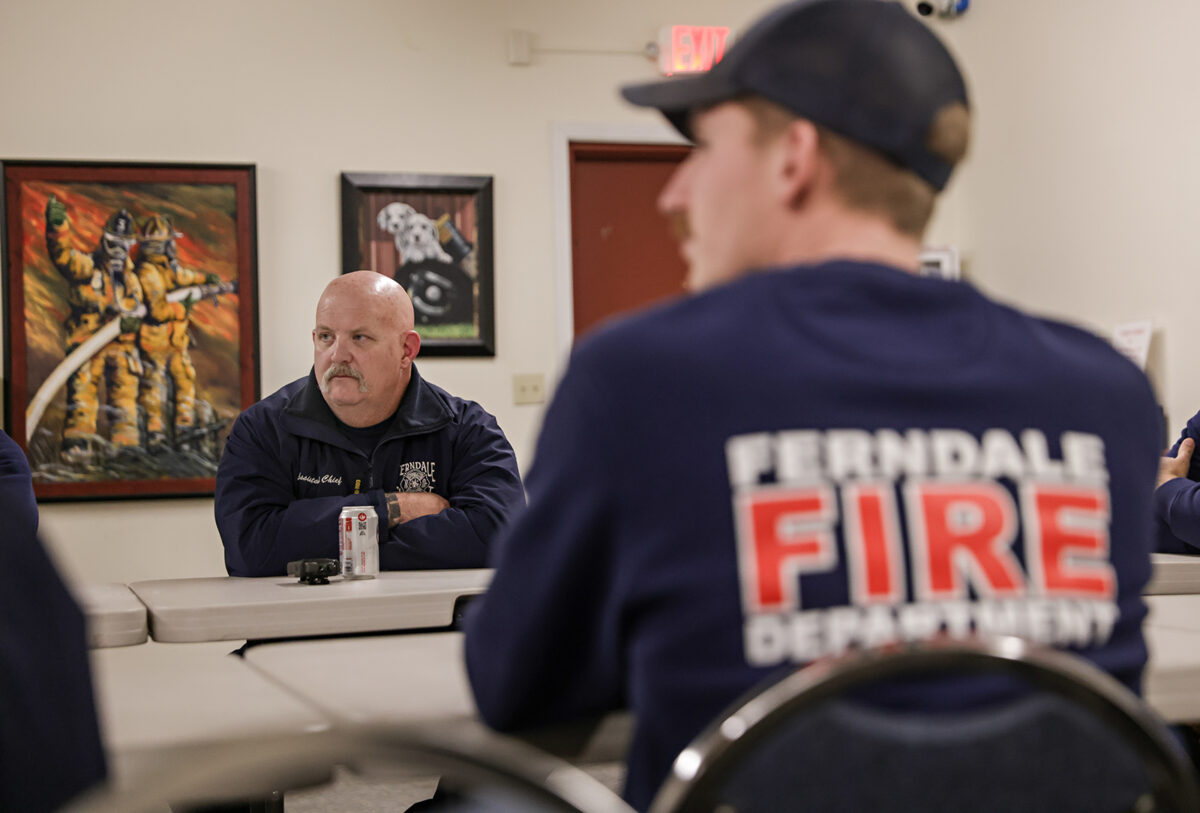
Spenser Ryan, a six-year volunteer and a captain at Ferndale Fire, works full-time at Bigfork Fire. With the lake town’s EMS responsible for Ferndale’s transport and medical calls and transport for nearby Creston, resources have been stretched thin, he said.
“At best [Bigfork] can staff two ambulances, and one-third of the time when they get one call, they’ll get a second call and then leave that situation where we’ve been on scene, 45 minutes to an hour before an ambulance can get there,” Ryan said.
With 40 years of experience in the medical field, Snow knew the potential value in a forming a QRU. She and her husband, one of Ferndale Fire’s board members, began posing the idea. Discussion in the volunteer fire department centered around the additional training it would require, the resulting increased call volume, and what might be required of each volunteer.
“Once we kind of realized that the capacity to do these calls was there, that there was interest to get trained and get better, there was an enthusiasm that was growing in a bit of a contagion,” Devlin said.
“It became really clear that although there was a lot of work to get it going, it was a really desperate community need,” he continued. “Everybody here was like, ‘oh shoot, this is the best way to help the community by far right now. We have to do this.’”
As the fire district sits in both Flathead and Lake counties, Snow received approval from Lake County to register the QRU with Flathead County. Friends of Ferndale Fire Montana, the volunteer department’s nonprofit arm, raised around $20,000 through community events and donations for training and medical equipment. Volunteer firefighters stayed up late and woke up early to study for EMT and EMR tests, helping each other work through the material.
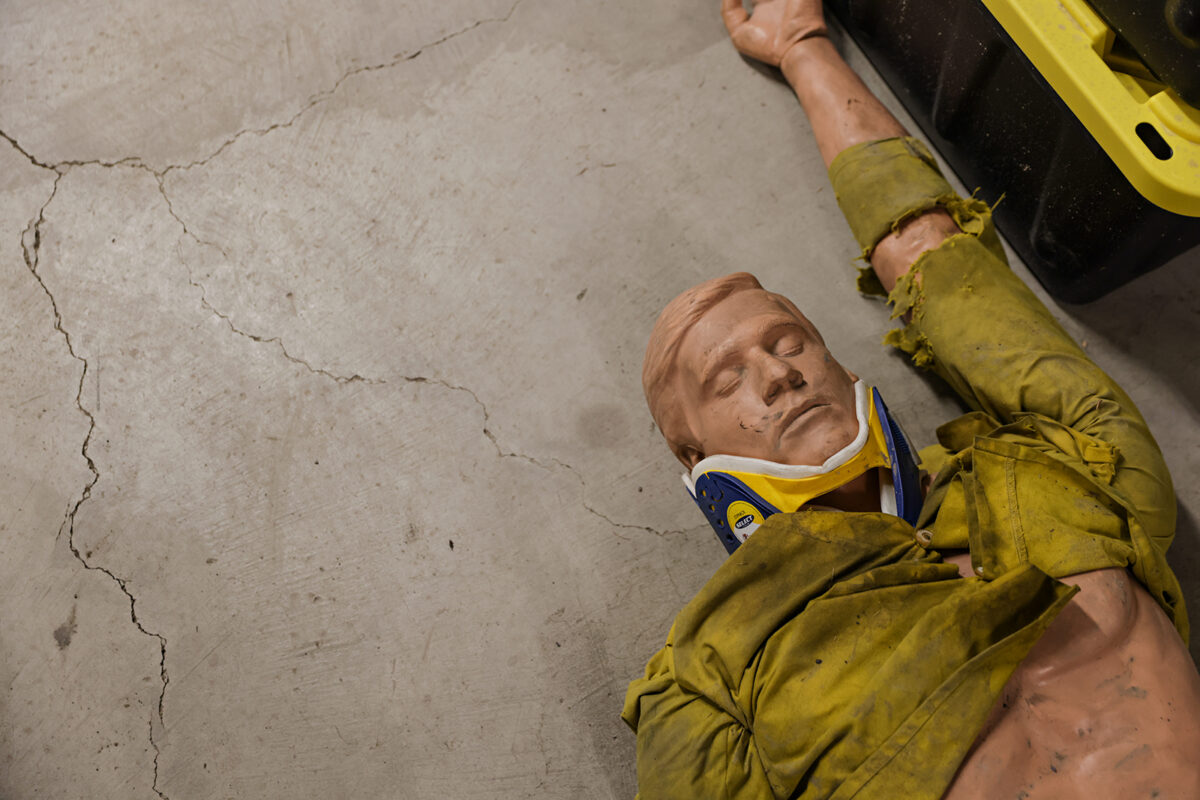
In February, after a yearlong effort to receive national and state licenses, the volunteer fire department passed state inspection approving the QRU.
“This has rekindled my faith in the fire service,” Assistant Chief Noah Byrne said. A former paramedic having previously retired from a career in EMS, he’s watched the crew of volunteers respond to back-to-back calls on Christmas, stay late for training nights and drop everything at a moment’s notice, “all for free.”
“I couldn’t be more proud of these guys,” Byrne said.
Of the department’s 17 current volunteers, four are now licensed as EMTs with two more in training, and four as EMRs with one in training. EMRs can respond to medical emergencies like EMTs, but have a lower level of training and fewer certification requirements.
The volunteer department is still non-transport, meaning that emergencies needing to go to the hospital will have to wait for an ambulance from Bigfork. But the ability to help on the ground is likely to be lifesaving, Snow said. The volunteer firefighters can help stabilize patients until ambulances arrive, solve minor medical calls onsite, and assist Bigfork Fire on calls where before only two EMS-trained people were likely to be present.
“At one point we were down to four or five members,” Roy Burgess, a construction worker, volunteer firefighter for four years and newly trained EMR, recalled. “We were lucky if someone showed up for a call. Not that this establishment was going anywhere, but there was a lack of camaraderie. I think just the constant nudge if you will of, ‘hey, let’s try it. You’re never going to know until you try it,’ it worked.”
Friends of Ferndale is hosting a fundraising bison barbecue for the volunteer department on July 11. For more information on the event or how to donate, visit the department’s website.