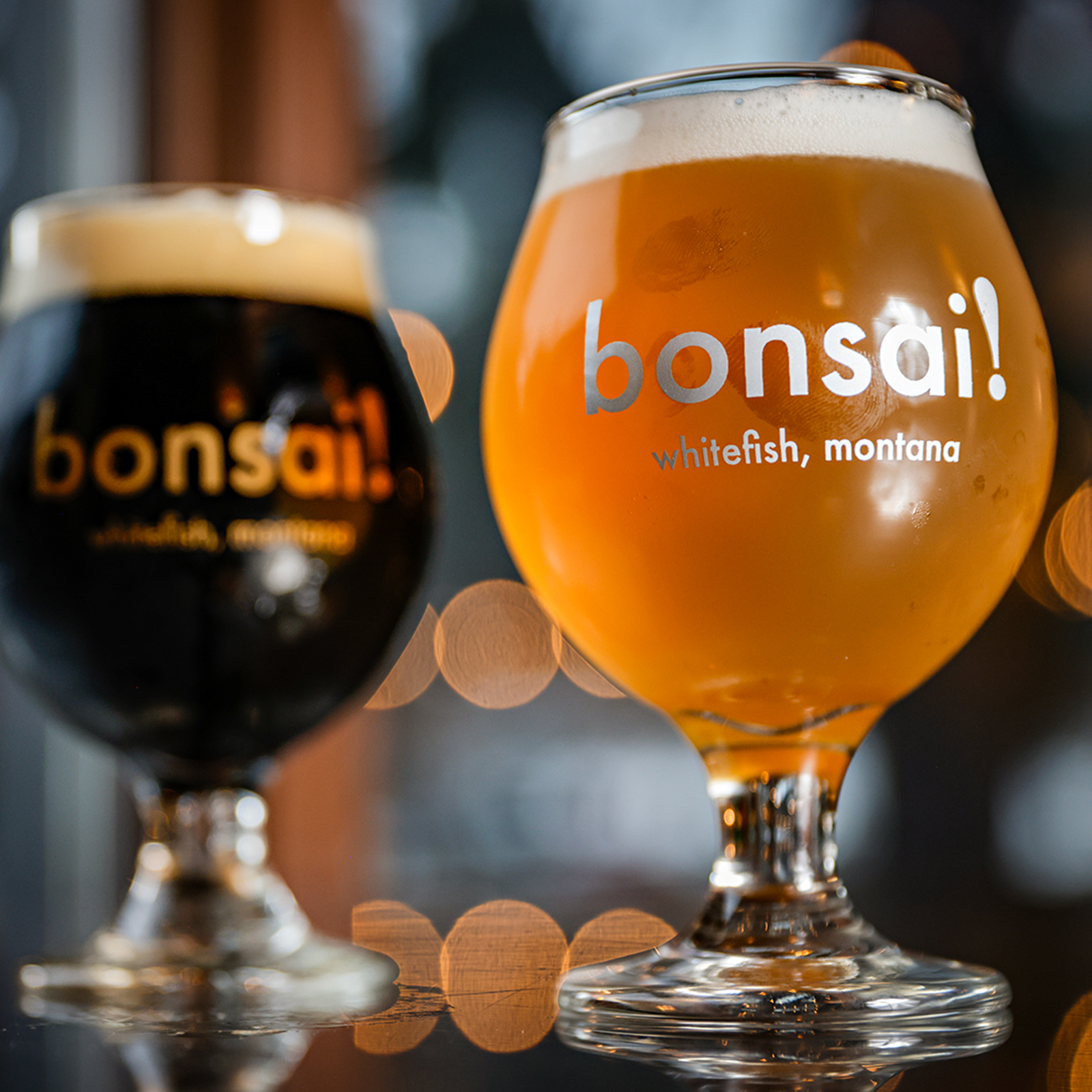
One of the most enjoyable days in the Flathead Valley every spring is the afternoon when it finally feels like the sun has come back for good. It pokes its head out from behind the grey clouds here and there throughout the winter, but there’s always that one afternoon when, surrounded by laughing friends, everyone knows they’re on the seasonal upswing toward sunnier days.
It can take shape in any number of ways, but for many it entails leaning back in a lawn chair at Bonsai Brewing Project in Whitefish, sunglasses on for the first time in months, head languidly engaged in a sort of affirmative acknowledgement of the paradisical nature of the moment: face tilted to the warm sun before bobbing back down to the cold refreshing beverage in hand.
Taking over as head brewer for a place that invokes so much organic, sun-fueled joy should be an intimidating task for someone, but Marty Vollmer doesn’t seem daunted. Since his debut in late 2025, he’s already kicked out several superb seasonals, fine-tuned old standards and introduced a rotating lager as a menu staple.
Marty grew up in the Flathead Valley, the son of a passionate homebrewer. He eventually followed that calling and entered the FVCC Brewing Academy. His first solo project at the academy was an amber ale called “God’s Nightgown” based on his mother’s signature homebrew. After graduating, he soon secured himself a position at Sacred Waters, working under three different head brewers while there. But the anecdote about his first signature beer is indicative of what makes Marty a good brewer; he has the ability to balance his creativity with fidelity to the past and the practical.
One of Marty’s first projects at Bonsai Brewing was a flagship IPA. The India Pale Ale is the most popular craft beer style in America. It accounts for half of all craft beer sales year in and year out, making it an important tap handle in any brewery. When contemplating such an important beer in the tasting room, he had a very simple inspiration.
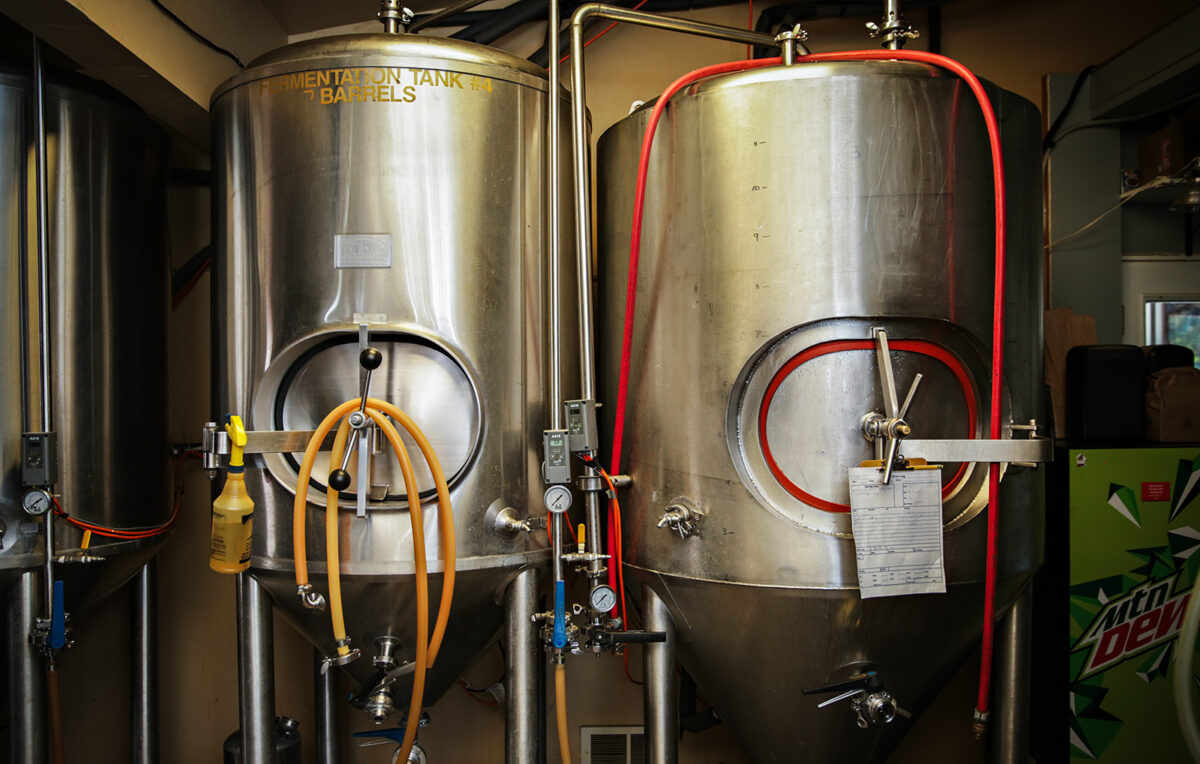
“Something that people could kick back three or four or,” he said, describing his vision.
To achieve this, he turned to the classic West Coast IPA. One of — if not the — foremost icons of the American craft beer revolution, West Coast IPAs are characterized as crisp and clear with medium to high bitterness and bright citrus, with fruity and often piney aromatics.
In other words, the West Coast IPA is a beer perfectly suited for knocking back a few on a warm spring day with friends.
The first pass at the new beer was so early in his tenure, Marty was still learning the intricacies of Bonsai’s brew system. Knowing that adjustments would be made no matter how his initial attempt turned out, he used a hodgepodge of hops that had been left over in the fridge. The purpose was simply to achieve two benchmarks: “I just wanted to get the bitterness up there enough and have it dry out like crazy.”
The dryness provides a clean drinking experience, less cloying than newer IPA styles, and less filling.
This dry bitterness is what made West Coast IPAs popular. It’s easy to forget from the current vantage point that these beers were once considered unthinkable when they were first brewed. The bitterness was different and jarring, but combined with the flavors of the newer American hops, it provided a flavorful balanced beer that would prove to be immensely popular.
Checking both boxes, Marty dialed it in on his next pass. Using Centennial, Chinook and Vista hops in his boil, he achieved the desired bitterness and enough low-level aromatics to reach for something special during his dry hopping.
“A lot of West Coasts, they can be piney and resinous. A little too much,” he said.
So he opted for Nelson Sauvin, a hop from New Zealand named after Sauvignon blanc, and known for imparting white wine flavors into beer. Leaning more heavily on a fruit-forward profile rather than a citrusy or piney palate, Nelson Sauvin is a bit more vibrant.
“To me, it makes it more approachable,” Marty said.
The result is the Westy; something familiar and firmly rooted in tradition, yet modern and novel.
Golden to light amber in appearance with a robust head, the nose is abundant with citrus and tropical fruity aromatics. The first sip has notes of grapefruit, melon and big berry flavors, tailing to a strong bitter kick. The Westy is crisp and dry and doesn’t linger. Notes of green apple and tangerine slowly develop along the way. It goes down smooth and satisfying, the foamy curtains of Belgian lace unfurling elegantly down the glass, its quality fermentation affirmed with a clean mouthfeel and proper head retention.
Overall, it’s a bright and celestial experience; something original and surprising, yet familiar enough to keep everyone smiling in the sun all afternoon.
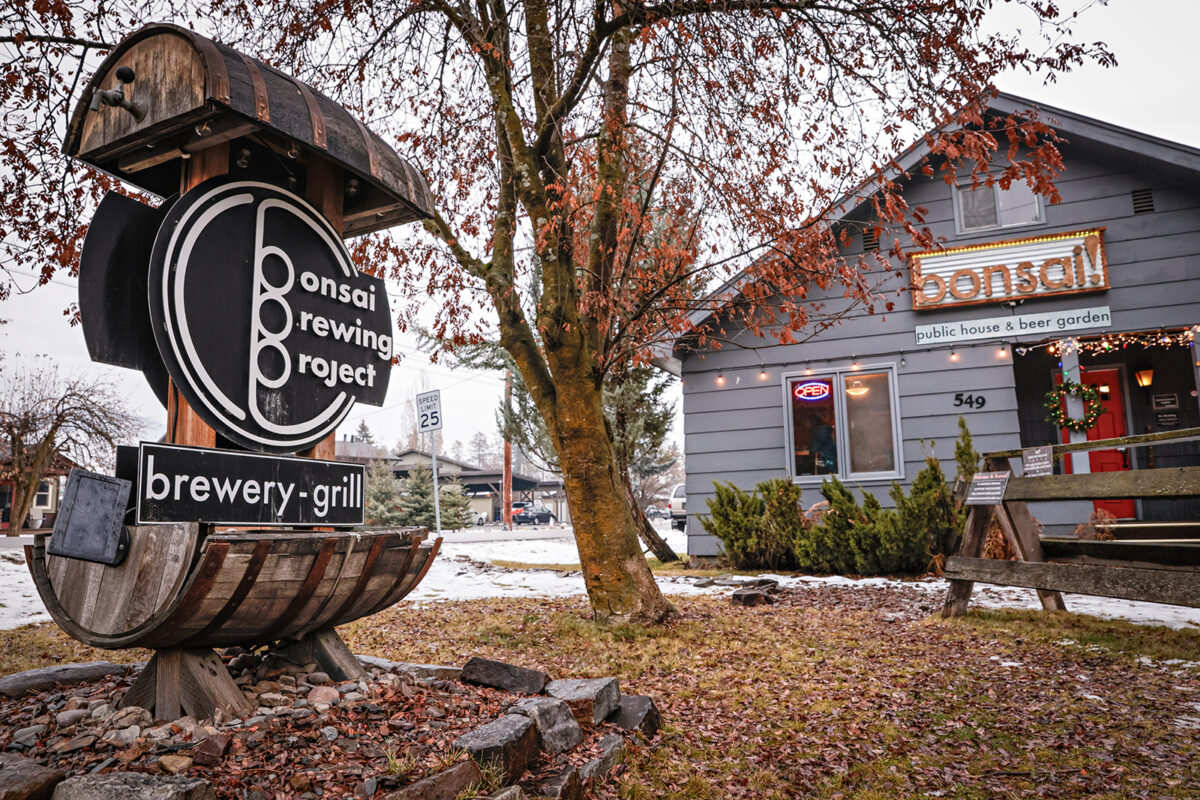
Pub Facts
WESTY
ABV: 6.7
IBU: 50
OG: 14.5 P
FG: 1.6 P
COLOR: 6 SRM
West Coast IPAs are closely associated with the “C-hops” developed and grown in the Pacific Northwest, such as Centennial, Chinook, Cascade, and Columbus varietals. This can also include Citra, Crystal and Cluster. Collectively, they’re thought of as imparting tropical, floral, lemon, pine and grapefruit characteristics. Classic examples include: Lagunitas IPA, Green Flash West Coast IPA, Sierra Nevada Torpedo IPA, Stone Brewing IPA, and Russian River Pliny the Elder.