Just Outside Glacier National Park, Volunteers are the First on Scene at Emergencies From Badrock Canyon to Marias Pass
Volunteer firefighters from three departments respond to a variety of crises, ranging from wildfires to car accidents and plane crashes. With rising tourism and a growing population of year-round residents in the region, the departments have joined forces to expand their reach when responding to medical emergencies.
By Zoë Buhrmaster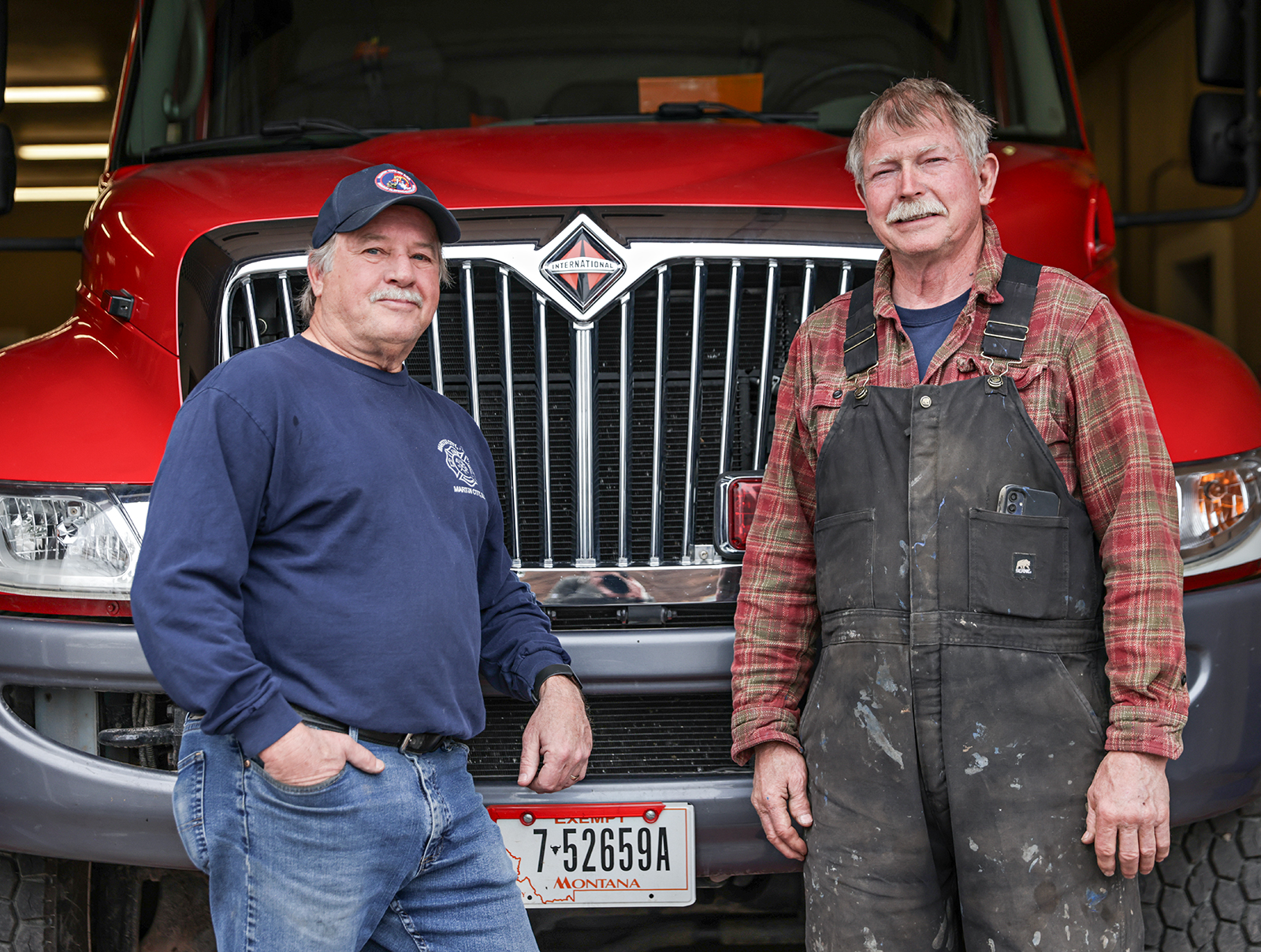
To access the mountainous scenery of Glacier National Park via the park’s west entrance, millions of visitors filter in through a stretch of U.S. Highway 2 known as Badrock Canyon. Responsible for emergencies along the 55 miles from the entrance of the canyon to Marias Pass are three volunteer fire departments and a single Qualified Response Unit (QRU) for medical calls.
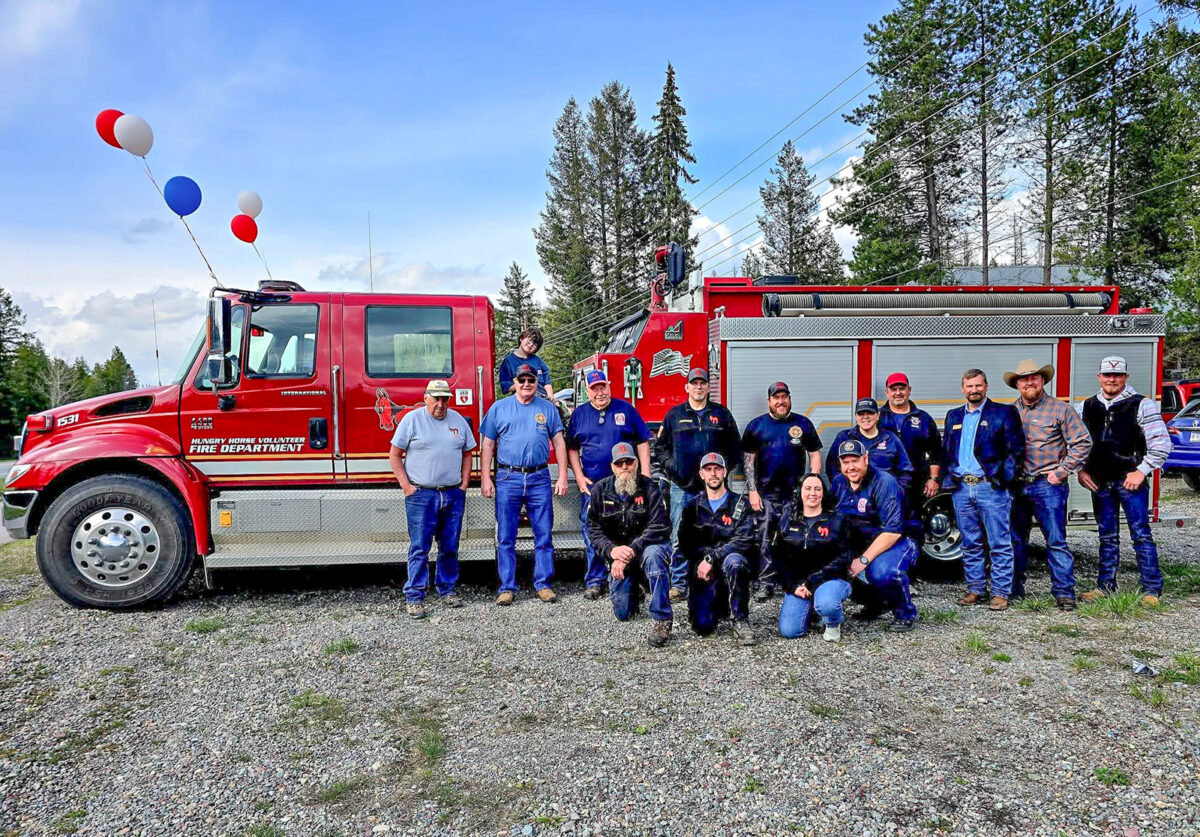
A bloc of volunteer fire halls — the Coram-West Glacier Volunteer Fire Department, the Martin City Rural Volunteer Fire Department, and the Hungry Horse Volunteer Fire Department — serves the highway corridor and surrounding communities with some jurisdictional overlap. A few years ago, Martin City and Hungry Horse struck a mutual aid pact to respond to each other’s emergencies and bolster the bench of volunteers available to consistently respond to calls.
“Most of my firefighters work during the day and I know a lot of Martin City’s do, too,” Hungry Horse Fire Chief Jared Lako said. “We were getting to the point where we were calling for mutual aid nearly every call.”
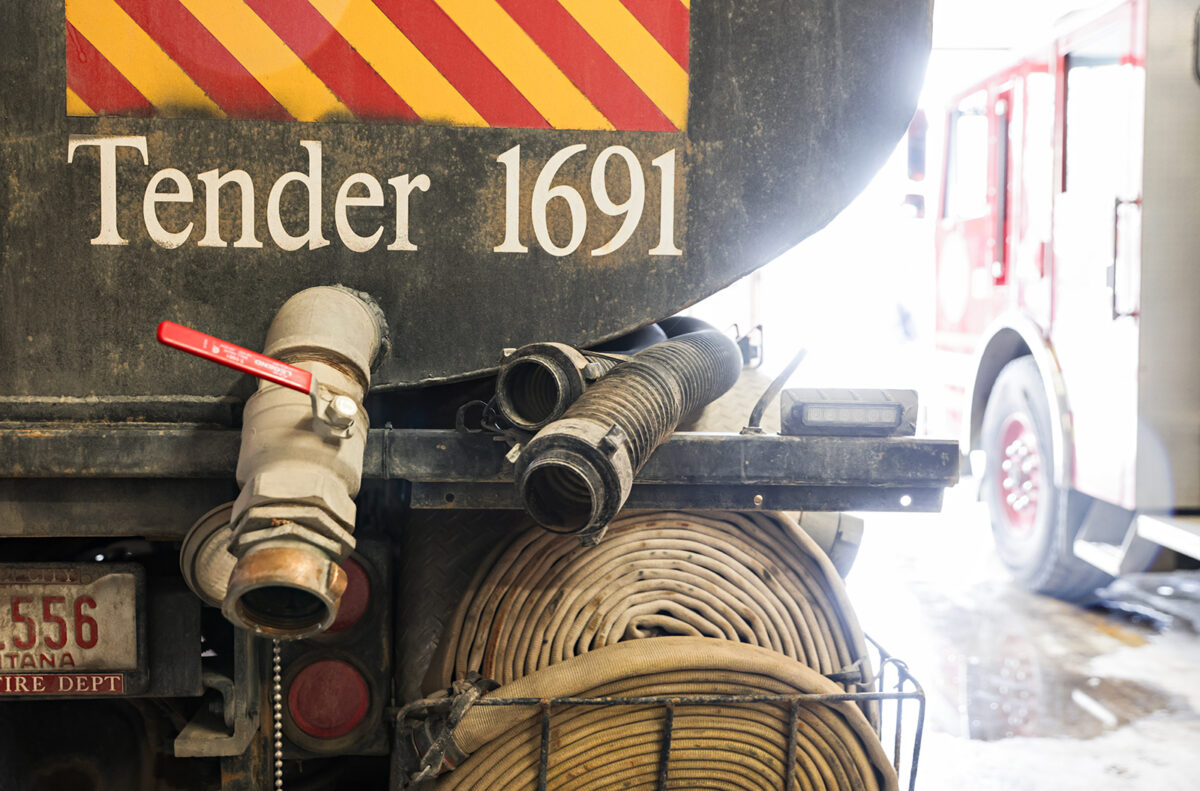
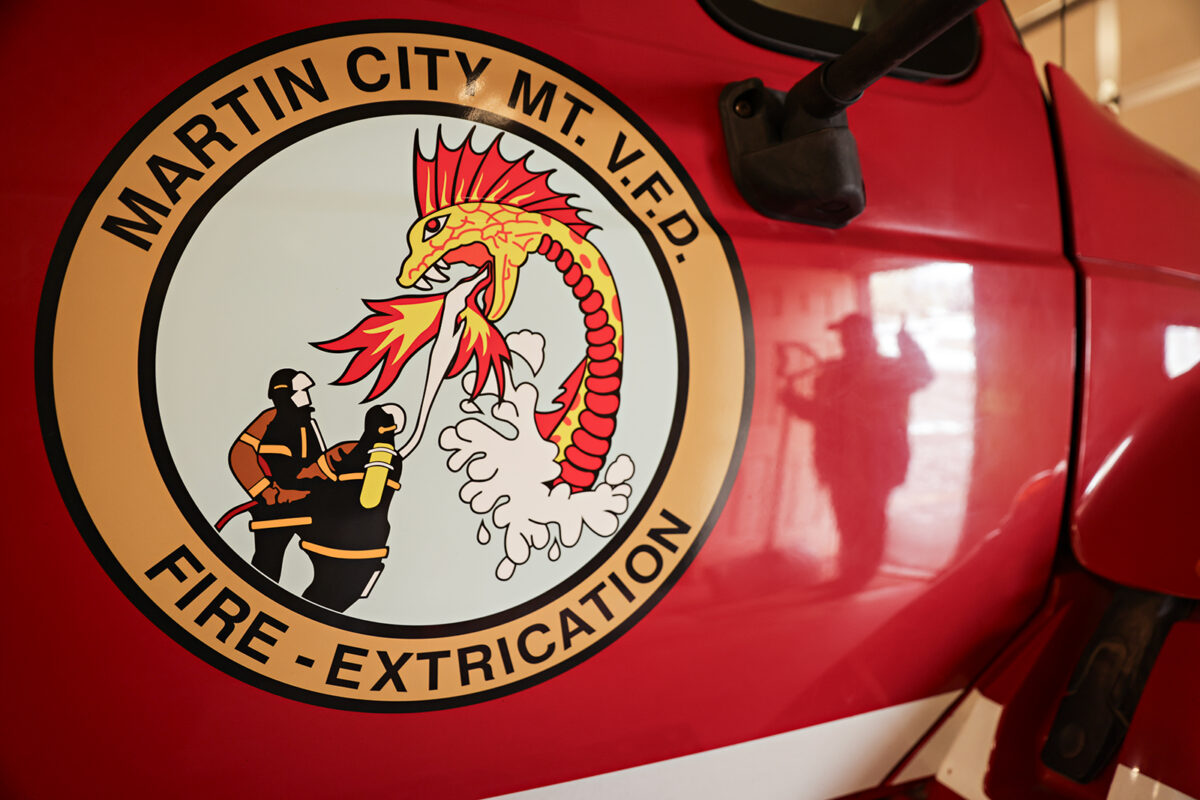
Martin City volunteers are responsible for the region’s Jaws of Life extrication tool. The Canyon QRU, a unit of trained Emergency Medical Technicians (EMTs) and Emergency Medical Responders (EMRs), responds to medical emergencies in the area, often arriving to the scene before ambulances dispatched from the Flathead Valley.
To keep pace with the uptick in emergency response calls flooding the mountainous corridor, the Canyon QRU has evolved into a centralized clearing house for Badrock’s multi-jurisdictional emergency response apparatus. Although it still lacks an ambulance, the departments have joined forces to equip the QRU with supplies and trained volunteers.
Volunteers formed the Canyon QRU in July 1990 to help with response times, as nearby Columbia Falls ambulances experienced a rising call volume. Originally a 10-member crew, the unit fluctuated over time and at one point rose to around 24 active volunteers. Trained EMS and EMR staged inside Martin City’s Lietz Fire Hall, where they stored their medical equipment.
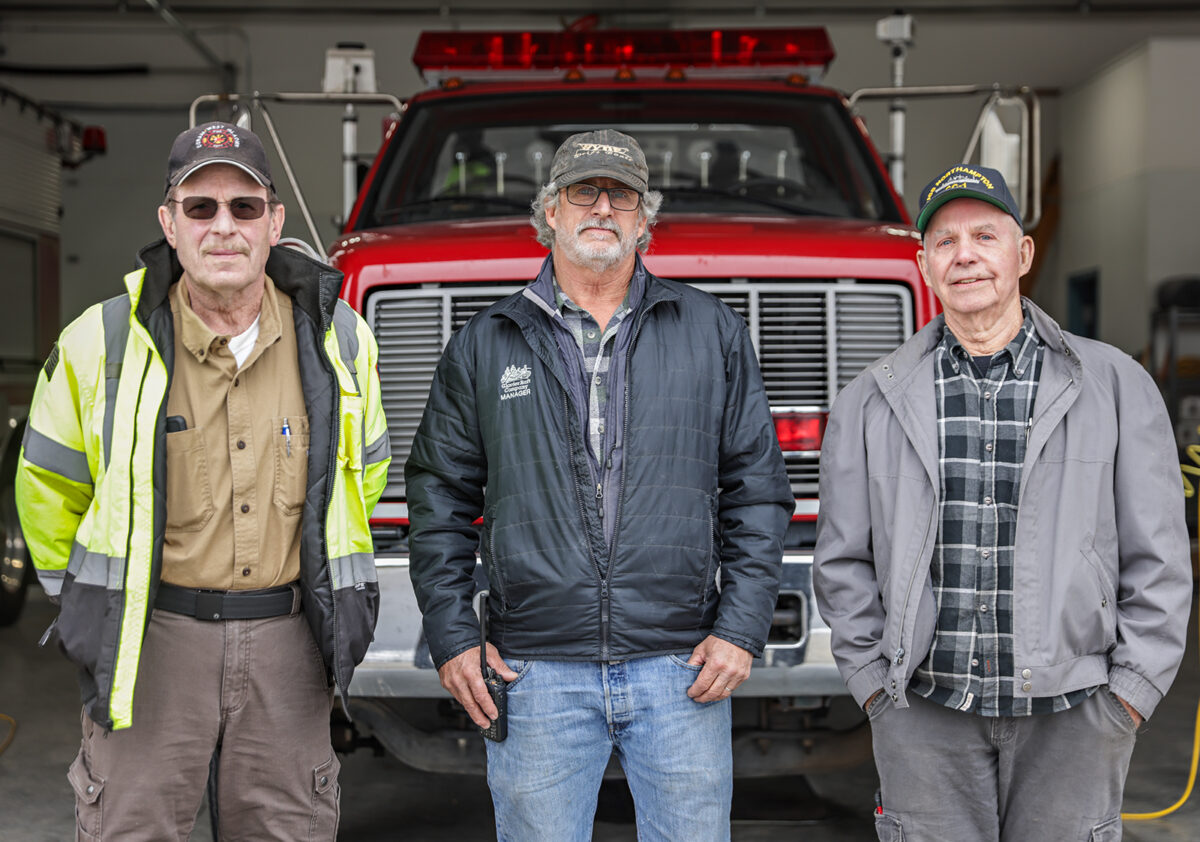
The QRU later dropped to unsustainable numbers due to questionable leadership and diminishing volunteer numbers. To ensure there wasn’t a lapse in EMS coverage for canyon residents, the Coram-West Glacier fire department, where several volunteer firefighters already had medical training, assumed control over the QRU in 2012.
“It went really well for a number of years,” Walter Tabb, Coram-West Glacier’s volunteer fire chief, said. “Now, we’re short on medical trained personnel.”
When Three Rivers Ambulance Service in Columbia Falls is busy, Lako and Martin City Chief Tom Torpin said they often see ambulances coming from as far away as Kalispell or Whitefish, which can require up to a 40-minute drive. Having EMS-trained staff in the canyon who can respond and stabilize a patient can make a critical difference, they said.
“Even as a volunteer — having that delay to get to the fire hall, get the truck running, get out the door, and us still beating them by 20 minutes — that’s a long time for patient delay,” Lako said. “We needed to do something better, so us three sat down and talked.”
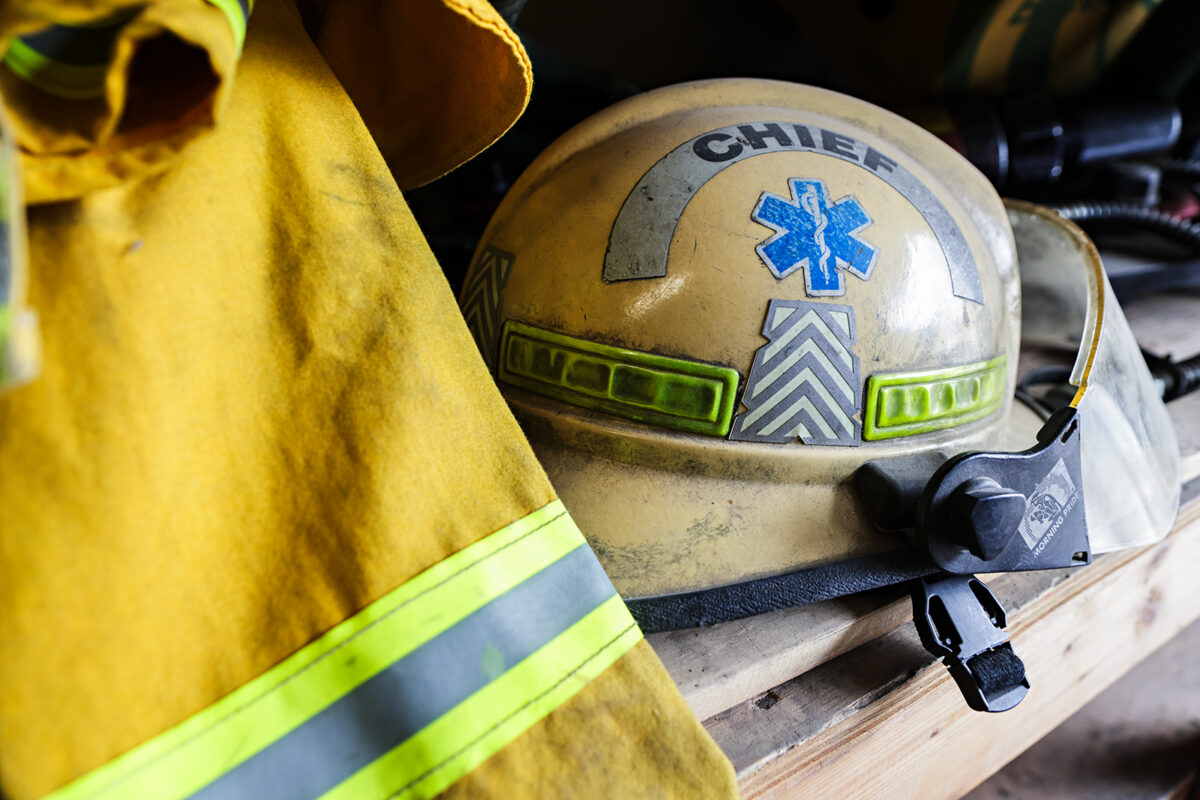
In general, most calls fire departments receive are medical in nature. Tabb said an aging population of year-round residents in the area has ramped up the demand for more medical attention.
The geography of the area that the departments cover is also unique. The Middle Fork of the Flathead River runs along much of the two-lane highway, while small planes land at a recreational airstrip in West Glacier, and passenger and cargo trains frequently travel over Marias Pass atop the Continental Divide. There used to be a QRU based in Essex that assisted with medical emergencies in the Nyack Flats area along the Middle Fork, but it eventually disbanded due to an insufficient number of volunteers.
Since starting at the department more than 20 years ago, Tabb has come to the scene of train derailments, plane crashes, drownings, hunting mishaps, hiking accidents, traffic wrecks, wildland fires, and structural fires. Torpin, the Martin City fire chief, recalled responding to shootings and accidents, including one involving a stock trailer that required rounding up loose pigs on the highway while attempting to save others trapped in the trailer.
“It’s been mentioned to me, ‘oh, this tired little community, you can’t be very busy,’” Tabb said. “Well, everything happens in this ‘tired’ little community that happens anywhere else in the country.”
The volunteer fire departments are also sometimes called into Glacier National Park to help the National Park Service with larger accidents, fires, and vehicle extrication. Martin City Assistant Fire Chief Alan Julian recalled a Jeep careening off the Going-to-the-Sun Road near the west side tunnel in the park. The Jeep landed upside down, but its frame stayed mostly intact, saving the woman inside.
“We had to cut the windshield up, get the lady out, and bring her back up those cliffs,” Julian recalled.
Handling the ballooning summer population on top of the region’s small, hearty contingent of year-round residents adds another factor. Lako recalled two car crashes a couple weeks ago that occurred almost simultaneously — one in Essex and one in Badrock Canyon. All three fire departments responded, and Lake recalls staying in Essex for nearly five hours until the highway was cleared.
“When you have 3 million visitors coming through our small little towns, just a small crash can deplete resources for hours,” Lako said.
Adding on the responsibility of medical calls to the fire departments’ other duties requires a consistent pool of EMS-trained volunteers.
When the number of EMS-trained volunteers at Coram-West Glacier shrunk to fewer than 10 members, emergency services officials in the area began mulling over possible solutions last year.
“We got up to responding to 200 calls a year … most of them medical,” Tabb said. “The low number of medical personnel was really strapping us. We needed more available medical personnel to respond to the calls that we were getting.”
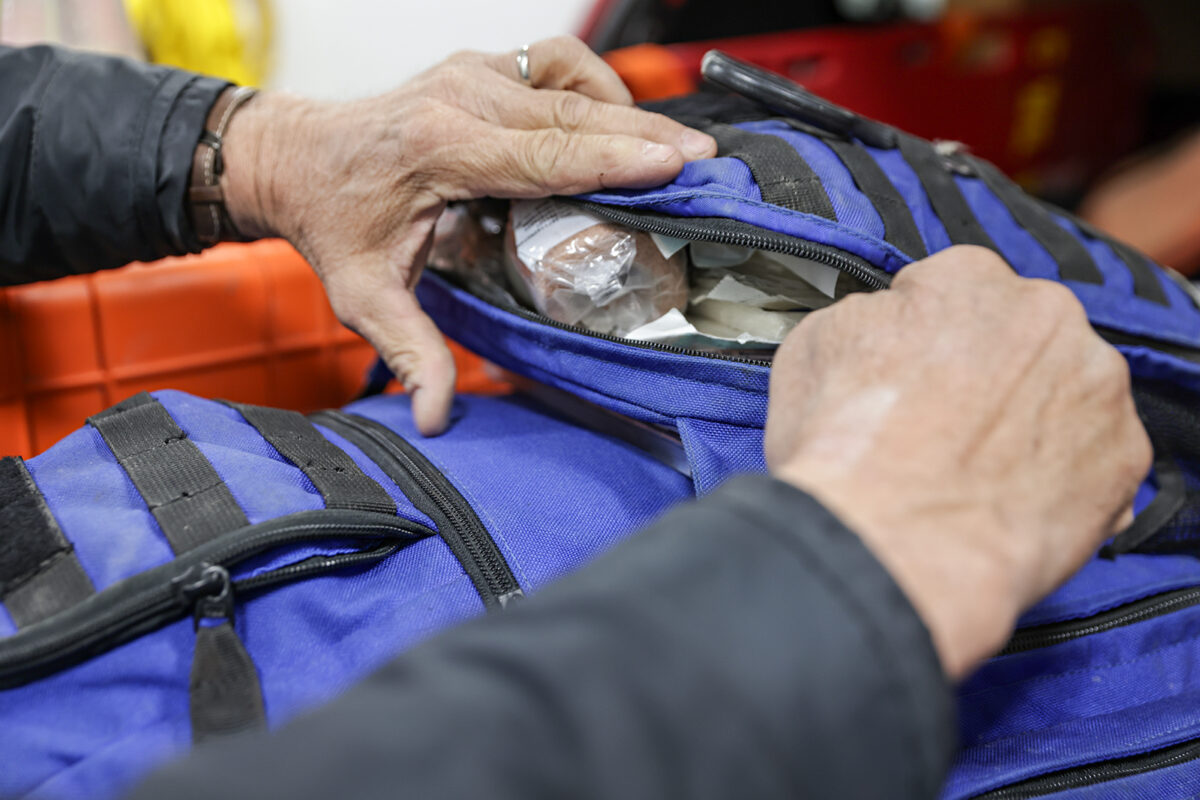
After months of discussion, the three volunteer fire chiefs decided the best route forward would be opening up Coram’s Canyon QRU to the other departments.
Over the past few months, volunteers with Martin City and Hungry Horse took EMR and EMT training. So far, 12 volunteers have joined the QRU — seven from Hungry Horse and five from Martin City, with more in training. EMRs and EMTs meet in Coram and use the fire department’s truck to transport medical equipment to emergencies, stablizing patients before an ambulance arrives. The hospitality company Pursuit is in the process of donating a second truck that the QRU can store at the department in West Glacier.
“The new QRU stuff is a great thing for the canyon,” Torpin, the Martin City fire chief, said.
Lako said some community members in Hungry Horse have asked him why Coram fire trucks are in their community. He said once he explains, it’s a no-brainer for them.
Since medical training for the QRU began, the fire chiefs said they’ve felt a renewed camaraderie build within the volunteer ranks — a necessary ingredient for fire departments and QRUs that run on community members volunteering their time.
“We’re seeing the need and the camaraderie come back around and it’s very, very positive and good for the communities,” Lako said.