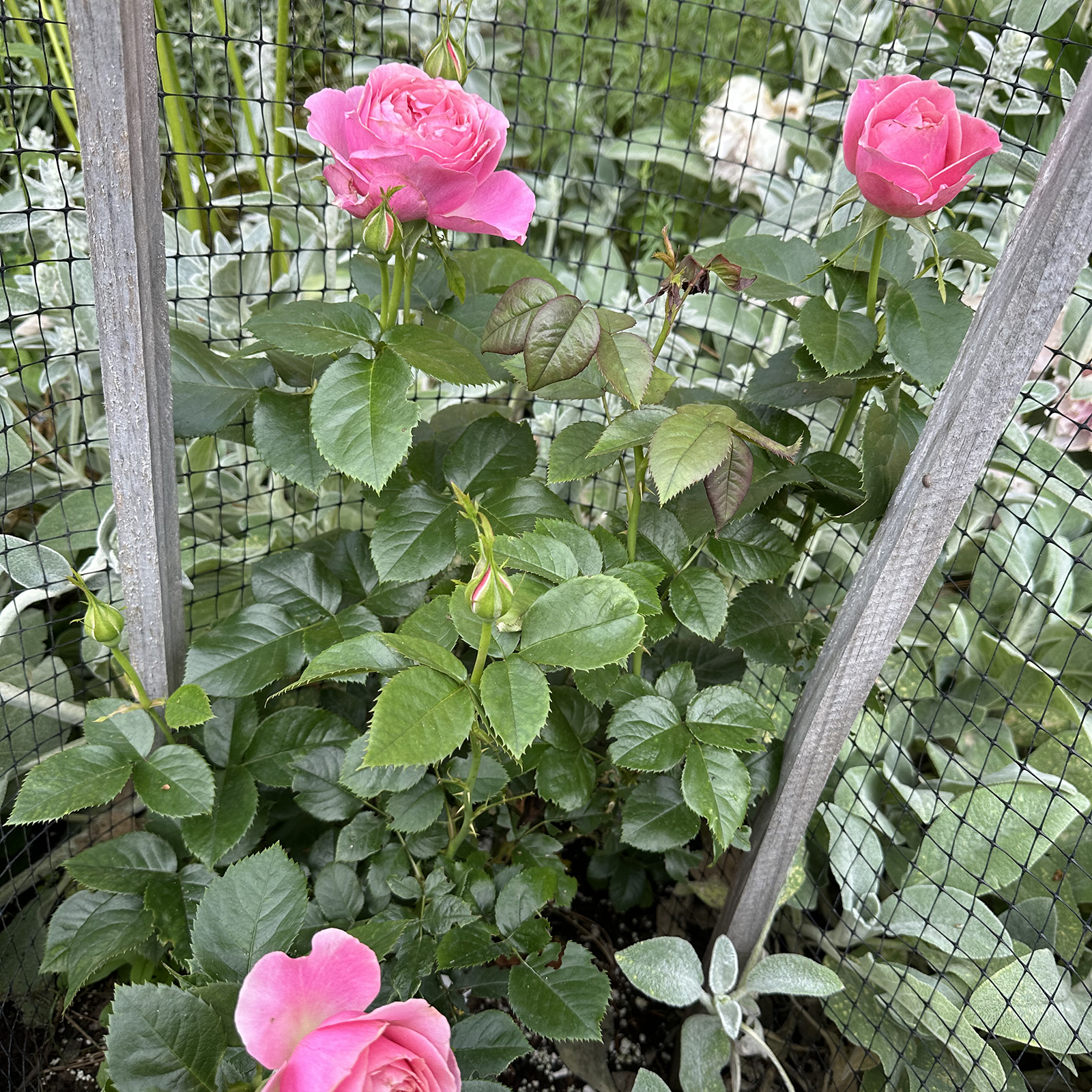
After nearly four months of winter, I find myself longing for flowers. I crave color, softness and life returning to the landscape. The garden, muted in shades of brown and gray, quietly waits for renewal. Even the sky tends to mirror the earth, lingering in neutral tones beneath persistent cloud inversions.
This time of year also brings the arrival of seed catalogs and invitations to garden shows. Their glossy pages promise effortless color, simple maintenance and abundant blooms throughout the growing season. While inspiring, these visions often feel slightly out of reach for us gardeners in Montana. Our climate presents unique challenges, especially when paired with the persistent presence of native wildlife.
One of the most common questions I hear from local gardeners is simple: What flowers can thrive here while surviving both our harsh winters and browsing deer?
The most practical advice I can offer to flower enthusiasts is to install a deer fence whenever possible. A well-constructed fence dramatically expands your planting options and protects years of garden investment. Unfortunately, this is not always feasible.
My own property sits on exposed bedrock and slopes steeply, making it nearly impossible to secure traditional fence posts or install chain link fencing. As a result, I have learned to garden within these limitations, selecting plants that can withstand both climate and wildlife pressures.
Below, I will share shrubs, perennials and select annuals that have proven reliable in deer-prone environments. Of course, plant success will vary depending on sunlight exposure, soil composition, and available moisture, but this list provides a dependable starting point.
Protecting Young Plants
Even plants widely considered deer resistant remain vulnerable when they are young. Lilacs provide an excellent example. Mature lilac shrubs are a cherished presence in many Montana landscapes, often reaching heights of 12 to 15 feet with elegant, umbrella-shaped canopies. Unfortunately, newly planted lilacs possess thin, tender bark that is particularly appealing to deer. A simple wire cage surrounding the shrub during its early years typically offers sufficient protection until the bark thickens.
Perennials face similar challenges. Deer generally avoid mature iris, heuchera, and most succulents during the summer months. However, early spring shoots are especially vulnerable. To protect emerging growth, I spread heavy-duty bird netting across my garden as the snow begins to melt. This protective layer remains in place for approximately 30 days. Once plants develop textured foliage — such as the fuzzy leaves of poppies or the rigid blades of iris — deer typically lose interest. At that point, the netting can be removed and stored for the following season.
When selecting netting, durability matters. Lightweight netting often tangles or becomes dislodged by wind. A sturdy plastic mesh with approximately half-inch openings provides reliable coverage without harming wildlife.
Dependable Flowering Shrubs
As mentioned earlier, lilacs remain a timeless favorite. Traditional French lilacs offer impressive size and fragrance, while compact varieties such as Korean lilac and Miss Kim lilac provide similar charm in smaller garden spaces. New hybrid cultivars continue to expand available colors and growth habits.
Forsythia is often the first shrub to announce spring’s arrival. Its vivid yellow blossoms appear before leaf emergence, creating a cheerful burst of color during an otherwise subdued season. Forsythia functions beautifully as a border planting or structural backdrop.
Another exceptional choice is Bridal Wreath Spirea. In spring, its gracefully arching branches become covered in delicate white blossoms that cascade like a floral waterfall. The effect is both dramatic and refined.
All three shrubs demonstrate strong winter hardiness and reliable deer resistance. However, they require full sun and adequate space. Excessive pruning to maintain smaller sizes often reduces bloom production and compromises the plant’s natural elegance.
For gardeners seeking a smaller shrub with prolonged bloom time, potentilla is an excellent option. Typically reaching about 3 feet in height, Potentilla produces cheerful flowers throughout the summer. Yellow remains the most vigorous and dependable color, though white and pink varieties are available. Unlike many shrubs, potentilla generally resists deer from the time of planting and requires minimal protection.
Perennials That Offer Beauty and Resilience
Peonies and poppies are beloved staples in northern gardens. Peonies produce lush, fragrant blooms that create a dramatic focal point in late spring. Their heavy blossoms often benefit from support cages to prevent drooping. While deer may sample early shoots, mature foliage usually discourages further browsing.
Poppies offer a different form of resilience. Their softly textured foliage naturally deters deer. As biennials, poppies produce leafy growth in their first year and flowers in their second. After blooming, they scatter seeds that germinate the following spring. Gardeners using landscape fabric should be aware that seed dispersal requires direct soil contact. Foxglove shares a similar biennial growth cycle and features textured foliage that deer typically avoid.
Designing Continuous Seasonal Bloom
Because most flowering shrubs and perennials bloom for only a brief period, thoughtful plant selection can ensure color throughout the growing season.
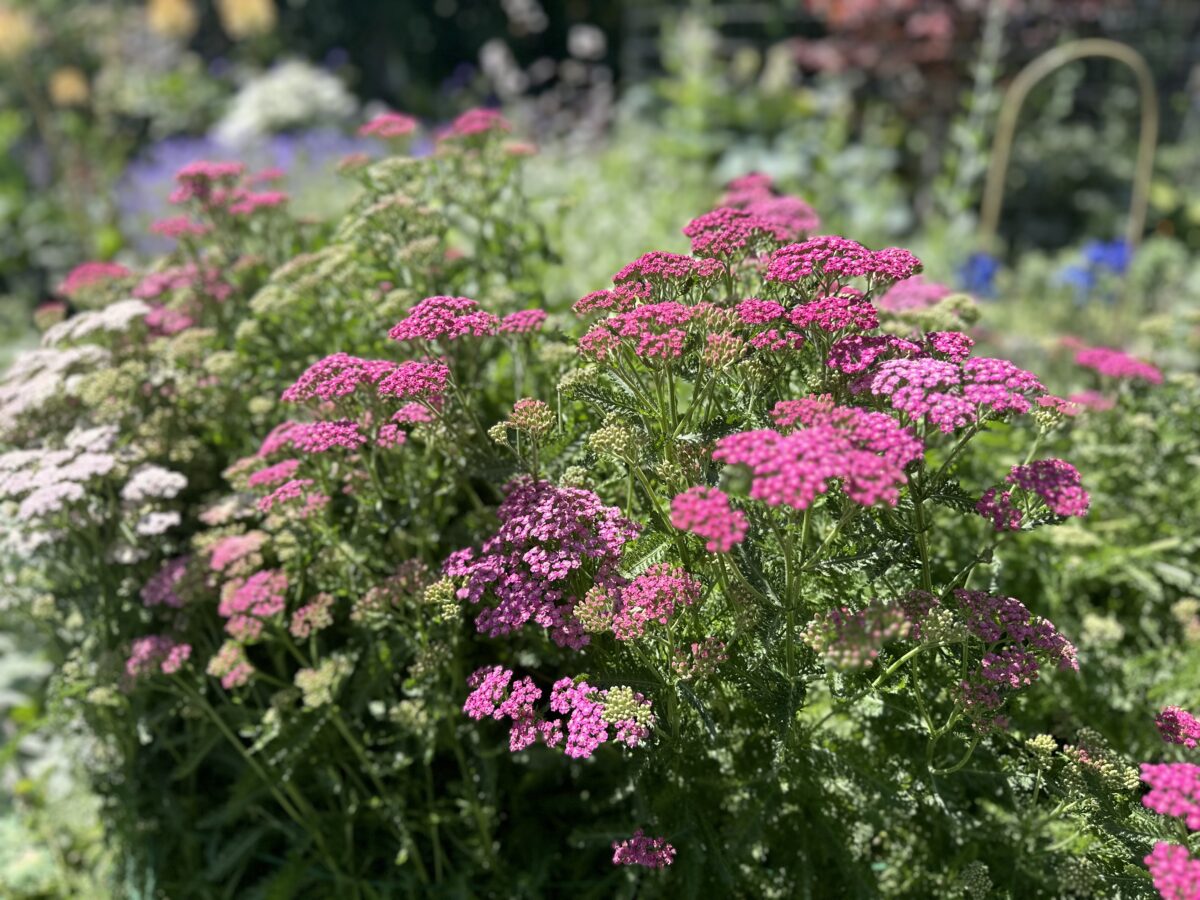
Late spring gardens are often defined by lilacs, peonies, and irises. As these plants fade, black-eyed Susans and yarrow take center stage, offering mid-summer brilliance. Both feature foliage textures that deer generally find unappealing.
As summer transitions into autumn, asters, sedum, and chrysanthemums extend the garden’s display with rich seasonal color. Additional reliable performers include delphiniums, perennial geraniums, baptisia, and echinacea, all of which contribute structure and long-lasting visual interest.
Incorporating Annual Flowers
To maintain consistent color throughout the summer, I incorporate annual flowers into my planting plan. Annuals provide dependable, long-lasting blooms and offer opportunities to refresh color schemes each year. Snapdragons are a personal favorite. Their vertical form adds architectural interest, and deer rarely disturb them. Snapdragons also tolerate light frost and occasionally reseed themselves.
Salvia introduces deep purple hues while attracting hummingbirds and beneficial pollinators. For gardeners who enjoy vibrant warm tones, marigolds provide cheerful shades of gold and orange and integrate beautifully into mixed flower beds.
The Importance of Texture
A successful garden balances color with texture and foliage contrast. Heuchera, often grown for its richly colored leaves, ranges from luminous lime green to deep burgundy tones. It pairs beautifully with astilbe, another deer-resistant perennial known for its feathery flower plumes.
Ornamental grasses add movement and softness, while lavender contributes gentle gray-green foliage and soothing fragrance. Lamb’s ear and artemesia provide silvery textures that complement both pastel and vibrant flowering plants.
Final Thoughts
Rather than focusing on specific cultivars, this overview is intended to guide plant selection and encourage thoughtful garden design. Local nurseries and garden centers remain invaluable resources, offering region-specific expertise and plant recommendations.
Commercial deer deterrent sprays and granules can provide additional protection, though many require frequent reapplication following rainfall and often carry strong scents. These products tend to be most effective when used alongside physical barriers and careful plant selection.
Gardening in the Flathead demands patience, creativity and adaptability. Yet with thoughtful planning and resilient plant choices, it is entirely possible to cultivate a landscape filled with color, fragrance, and seasonal beauty.
For gardeners who would like more personalized guidance, I offer private garden consultations and landscape design services tailored to the unique challenges of our region. Every property has its own microclimate, soil conditions, and aesthetic potential. Through thoughtful planning, I help homeowners create landscapes that are both beautiful and practical, while working in harmony with wildlife and seasonal conditions. Whether you are starting from scratch or refreshing an established garden, professional design can help you avoid costly mistakes and ensure long-term success. To learn more about consultation services or view past projects, please visit my website at legacylanddesign.com.
Happy gardening!