2026 Primary Election: Two Democratic Candidates Vie for Nomination in Senate District 8
A two-way primary is taking place in Senate District 8 with both State Rep. Tyson Running Wolf and social worker Jade-Heather Ackerman on the Democratic ticket
By Zoë Buhrmaster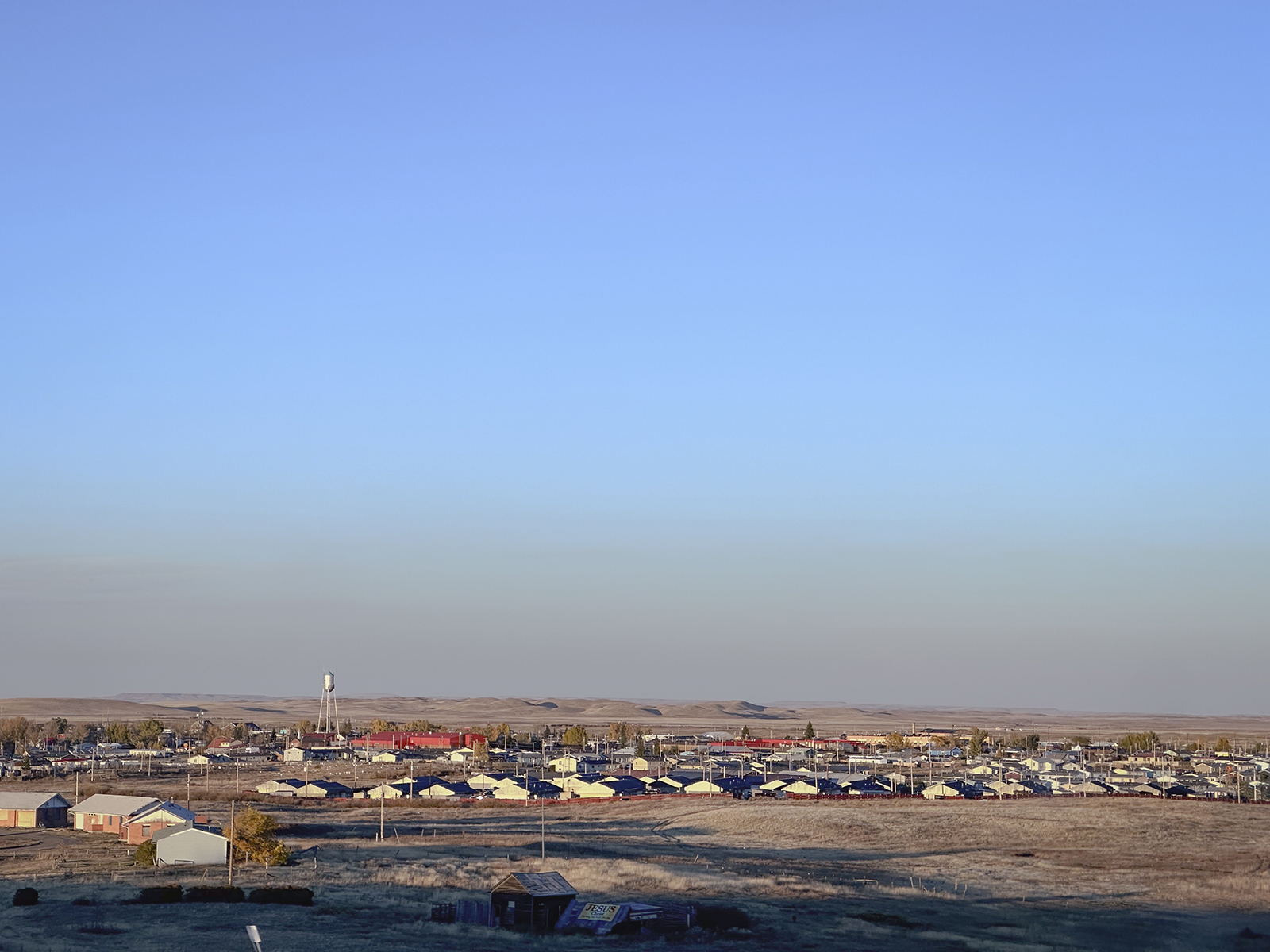
Two candidates are looking for the Democratic nomination in Senate District 8 — Rep. Tyson Running Wolf, who is termed out in the House and has set his sights on an open Senate seat, and Jade-Heather Ackerman, a political newcomer. Incumbent State Sen. Susan Webber, a Democrat, did not file for reelection. The district covers Glacier County and portions of Flathead, Lake and Pondera counties, and includes the Blackfeet Nation and part of the Confederated Salish and Kootenai Tribes’ reservation.
The Beacon sent candidate questionnaires to the email addresses listed with the Montana Secretary of State’s filing website for both candidates in SD 8’s primary race. The questions and their responses appear below.
Candidate Questions
- Why did you decide to run for the state legislature, and what makes you a strong candidate?
- What do you think will be the most pressing issue facing the legislature in 2027, and how would you propose tackling that issue?
- During the last legislative session, property taxes emerged as a flashpoint issue, and the consequences of the legislature’s property tax reform has been a topic rife for debate since. What are your thoughts on the property tax reform passed during the last session?
- How might the state continue to work on this issue?
- Montana has a long history as a purple state, but in recent years, has seen a shift to the right. How do you think your party should combat that shift — and is it doing so effectively? Why/why not?
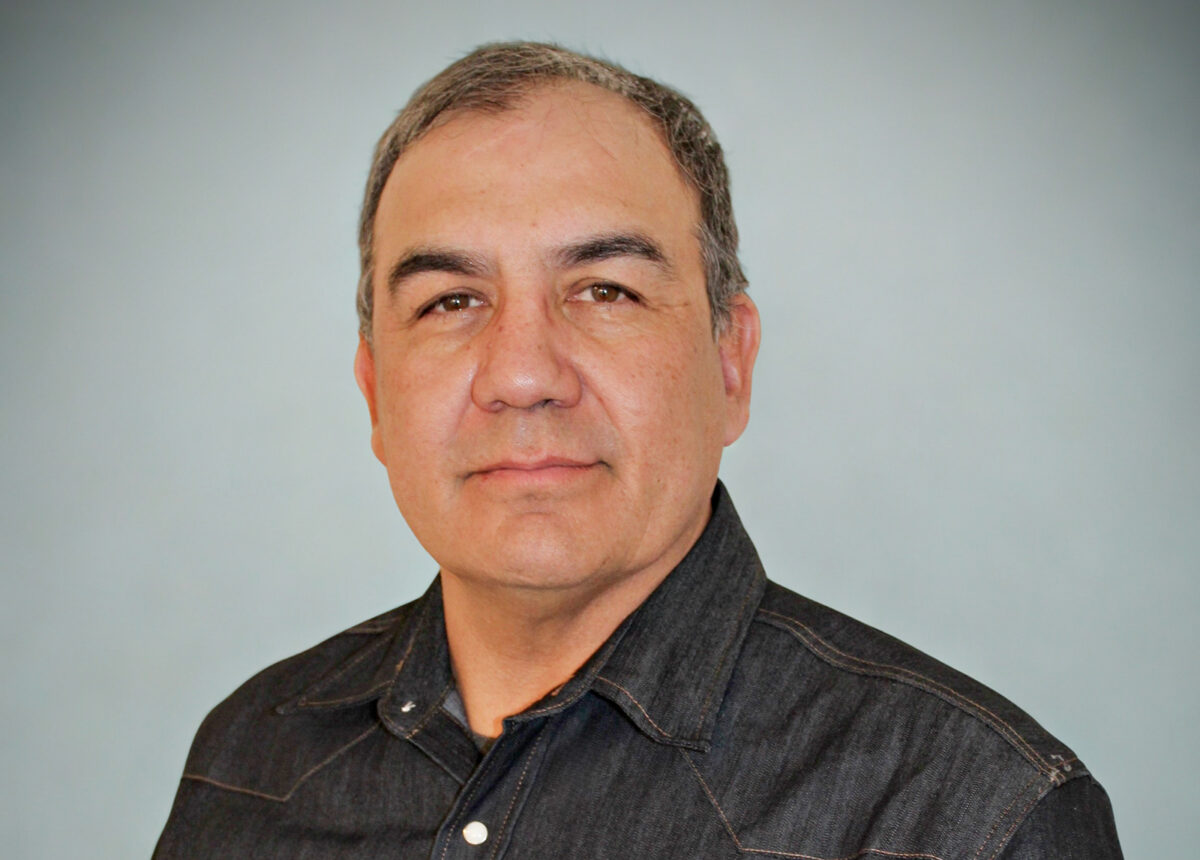
NAME: Tyson Running Wolf
AGE: 51
HOMETOWN: Browning
EDUCATION LEVEL: Bachelor of Science in Forest Resource Management from the University of Montana
OCCUPATION: Cofounder and CEO of nonprofit Blackfeet Eco Knowledge, construction company owner, and former professional outdoor outfitter
PREVIOUSLY HELD POLITICAL OFFICES: Blackfeet Tribal Business Council member from 2014 to 2018 and former executive secretary; Representative for House District 16 since 2019 and Minority Whip in the 2025 legislative session
1. While I initially had not considered the role, I was encouraged by tribal leaders, past legislators, community members, and especially my family to run in 2017, and I became excited about the prospect of helping us all through policy. When I decided to run for the state legislature, I did so to advocate for my community and tribal issues, ensuring their voices were heard in Helena. My campaign philosophy focused on collective leadership, stating that “it should never be about what’s in it for me as a leader, it should always be what’s in it for us!” I have taken that same passion and now aim to bring my experience to the Montana Senate District 8.
Several factors contribute to my standing as a strong candidate to tackle the new adventure into SD 8:
- Ability to work across the aisle: I have been noted for my skill at building relationships with colleagues regardless of party, a trait praised by other legislators as exceptionally well-honed.
- Effective advocacy for tribal issues: As chair of the Montana American Indian Caucus, I have successfully led efforts to advance major priorities, including renewing the Missing Indigenous Persons Task Force as the Montana Missing Murdered Indigenous Persons Working Group and extending its timeline through 2033.
- Unique legislative presence: Former colleagues have noted that I possess a unique personality that commands attention when I speak, effectively personalizing policy for other lawmakers and the public.
- Resilience and leadership: I draw on my background as an outdoor guide and outfitter, likening the legislative process to a wilderness pack trip where one must “forge ahead, no matter what.”
- Proven track record: I have consistently won my elections with significant margins, including receiving roughly 59% of the vote in both my first and most recent House races.
2. From my perspective and priorities, I foresee that the 2027 Montana legislative session will focus on Medicaid expansion oversight, tribal-state accountability, the rising cost of living, and, of course, property taxes. Montana Democrats and the Montana American Indian Caucus (MAIC) are positioning these issues as critical to protecting the state’s most vulnerable populations while honoring sovereign treaty rights.
Democratic party priorities:
As a Montana Democrat, I will be focused on correcting the state’s current trajectory by prioritizing affordability and personal freedoms.
- Healthcare access: Protecting the benefits of Medicaid expansion remains a top-tier priority, specifically ensuring that new federal work requirements from H.R. 1 do not lead to mass coverage losses for the nearly 95,000 Montanans enrolled.
- Affordability and housing: Addressing the high cost of housing and living expenses for working families through targeted tax credits and responsible state budgeting.
- Public education: Advocacy for fully funding public education, including fulfilling the original promise of using state lottery funds specifically for school budgets rather than the general fund.
Montana American Indian Caucus (MAIC) priorities:
The MAIC is increasingly using its political influence to demand meaningful consultation and transparency in tribal-state relations.
- Tribal sovereignty and consultation: A central issue for 2027 will be ensuring state agencies engage in “meaningful consultation” with tribes on policies that impact their lands, such as environmental regulations and child welfare.
- Missing and Murdered Indigenous Peoples (MMIP): Monitoring the implementation of the expanded Missing Indigenous Persons Task Force and the newly formed MMIP Advisory Council to ensure they are adequately funded and staffed.
- Child welfare (MICWA): Ensuring the Montana Indian Child Welfare Act is strictly followed, with a focus on immersive cultural rights for Native children in the foster care system.
- Financial accountability: Implementing more rigorous reporting on how federal funds intended for tribes — which often pass through state agencies — are actually disbursed.
- Cultural preservation: Pursuing state support for Native language curriculum and preserving Indigenous history as part of the “Indian Education for All” requirement.
Shared challenges:
Both groups I represent will face a significant hurdle in Montana’s current political climate:
- Republican majority: Conservative leadership has recently used its power to limit access to voting and bypass tribal-led initiatives. The 2027 session will likely see a continued fight over voting rights, as current Republican proposals aim to revise election laws that the Caucus and Democrats argue disproportionately impact tribal communities.
3. During the 2025 Session, Senate Bill 542 and House Bill 231 were the final bills to emerge following many complex discussions. I had many conversations with leadership and other Democratic drafting legislators, such as Representatives Thane and Karlan, who knew we had to approach these bills with solutions to minimize complexity.
The outcome combined many solutions to benefit 80% of homeowners, commercial relief, and the second-home tax, which will be taxed at a flat 1.9% rate. Many of us who represent the base foundation of our strong Montana values believe the new system is pretty tough to navigate and overly bureaucratic, requiring us to apply for the rebates and exemptions. We struggled and advocated to the bitter end of the 2025 session to make the “Circuit Break” income tax credit — a simpler approach that would automatically offset property taxes for households earning under $150,000. But this was one of the “GIVES” we sacrificed to help the ordinary Montana household and local community to see relief.
4. What I know from my four terms as a state legislator is that no bill ever passed is perfect and is always at risk of amendment. We need to keep an open ear to what the taxpayers and administrators are discussing to make it better or to work out any kinks we may have missed. I foresee that the process for receiving rebates and incentives will need an education component or an easier way to gain public ownership of the bills.
5. As Montana transitions from a “purple” state to one dominated by Republican supermajorities, I argue that certain policies are being enacted without adequate input from native communities or adherence to science-based management.
- Tribal sovereignty: I stand firm that current state leadership and administrators often make decisions by a “command” rather than a “compromise” approach, without meaningful consultation with tribes, particularly on issues such as health care, education, taxes, agreements, and land use.
- Protection of public resources: My platform emphasizes that “Montana’s core values” involve a deep connection to the land that should not be sacrificed for purely political or industrial interests.
- Balanced representation: I believe that the exclusion of Indigenous voices from the “No. 1 seat at the table” is a return to outdated paternalism that I aim to dismantle through my presence in the legislature.
- Common sense policy: I think it takes nothing more than common sense to understand what Montanans are asking for, regardless of party affiliation, and I believe my party has to shift to what is needed today for all Montanans due to the extreme politics that are happening today. We all want a state that operates efficiently and effectively, fostering growth for us all. We want to be able to afford to live, to feed our families, to take care of the needs of our children, and to be able to afford to pay our bills without having to sacrifice on other needs, especially when we are in our senior years. To afford health care and to have assistance if we cannot afford the cost of living due to policies that are impacting us in ways that are becoming out of touch with the people and their day-to-day lives. Today’s politics have to change to meet the needs of the common people of Montana, the farmers, the ranchers, the growing families, the retirees, the business owners, the students, the disenfranchised, and vulnerable people of our state. I believe that my party can deliver this and more, and when we see common people in the legislative halls sitting at the tables making decisions, we may see a state that is a rival and the model for other states in the United States.
Effectiveness in combating the shift:
My effectiveness is generally measured by my ability to navigate a minority position and build strategic alliances, though I face significant challenges due to the sheer size of the opposition.
Evidence of effectiveness:
- Strategic bipartisanship: During the 2025 session, I served as Minority Whip, helping Democrats coordinate with “moderate” Republicans to pass significant legislation, including Medicaid expansion renewal and property tax reform.
- Strong electoral mandate: In my own district (HD 16), I remain highly effective at resisting Republican gains, winning my 2024 race with 59% of the vote.
Evidence of limitations:
- Legislative majority: Despite my individual efforts, Democrats in Montana held a smaller share of seats in recent sessions, limiting their ability to block social and environmental policies they oppose, such as aggressive wolf management quotas and conservative-led judicial reforms.
- Governor’s veto power: While I can pass bills with bipartisan support, the executive branch under Governor Greg Gianforte has scrapped several Democratic and tribal-led initiatives, effectively bypassing legislative compromise.

NAME: Jade-Heather Ackerman
AGE: 42
HOMETOWN: Born in Wolf Point, Mont. and raised in Browning, Mont.
EDUCATION LEVEL: Two associates degrees from Blackfeet Community College; a bachelor’s in social work from the University of Montana; a master’s in social work from Walla Walla University; currently enrolled in a doctoral program at Walla Walla University
OCCUPATION: Doctoral student; previously a therapist
PREVIOUSLY HELD POLITICAL OFFICES: None
1. I decided to run for office because I value the outcome of my people and all people. Humanity seems to be slowly diminishing mentally and emotionally, and we are losing our ability to sympathize for others. My own community has been struggling with prolonged grief disorder for generations. I am a mother of seven beautiful children who range in age from 21 down to seven. I want to advocate for a better future and in doing so we have to include our children because they are our future. I am also a single parent mother since the murder of my children’s father in 2023, and I strive for advocacy for our Murdered and Missing Indigenous People (MMIP). I am young but I have experience and wisdom beyond my years, and I value unity and healthy resolutions to issues that impact us all. I have faced many disparities and close losses in my life and overcome trauma with great resiliency. I am a real human being with real life circumstances that many of us face, and I have personally fell through many gaps in broken systems without giving up, which led to my decision to run. I have created pathways for success through my personal experiences and have done so graciously and gracefully.
2. I feel somewhat overwhelmed with the fact that we are facing such division in a nation that was originally grounded in Faith, spirituality and “one nation under GOD!” What have we become? Where are we going from here? How can we become unified again. I personally feel that if we want someone to lead THIS country then maybe we should let a Native American woman help. I see many issues and have also experienced many of them personally from housing issues, health coverage issues, fluctuating education systems, broken justice systems and food disparities. Upon all of this though I still see some of the main issues being mental and emotional health or lack thereof and from a therapeutic perspective many if not all of these issues could be easily resolved if we start providing support in those areas first. It’s difficult to tackle broken systems with broken people.
3. Unfortunately, I feel that we see these shifts as a result of greed and monetary gain and we are focusing too harshly on how much we can gain from using the hardship of others. None of this will matter eventually and we wake up realizing we wasted our entire lives trying to have the most of nothing. I am deeply rooted in community, family, humanity and faith and this motivates me to be a better mother, woman and human being daily. I may not be an experienced politician, but I do everything with a good heart, sound mind and genuinely. I have a plethora of knowledge and am a fast learner, I am capable of tackling any challenge.
4. Did not answer.
5. Did not answer.