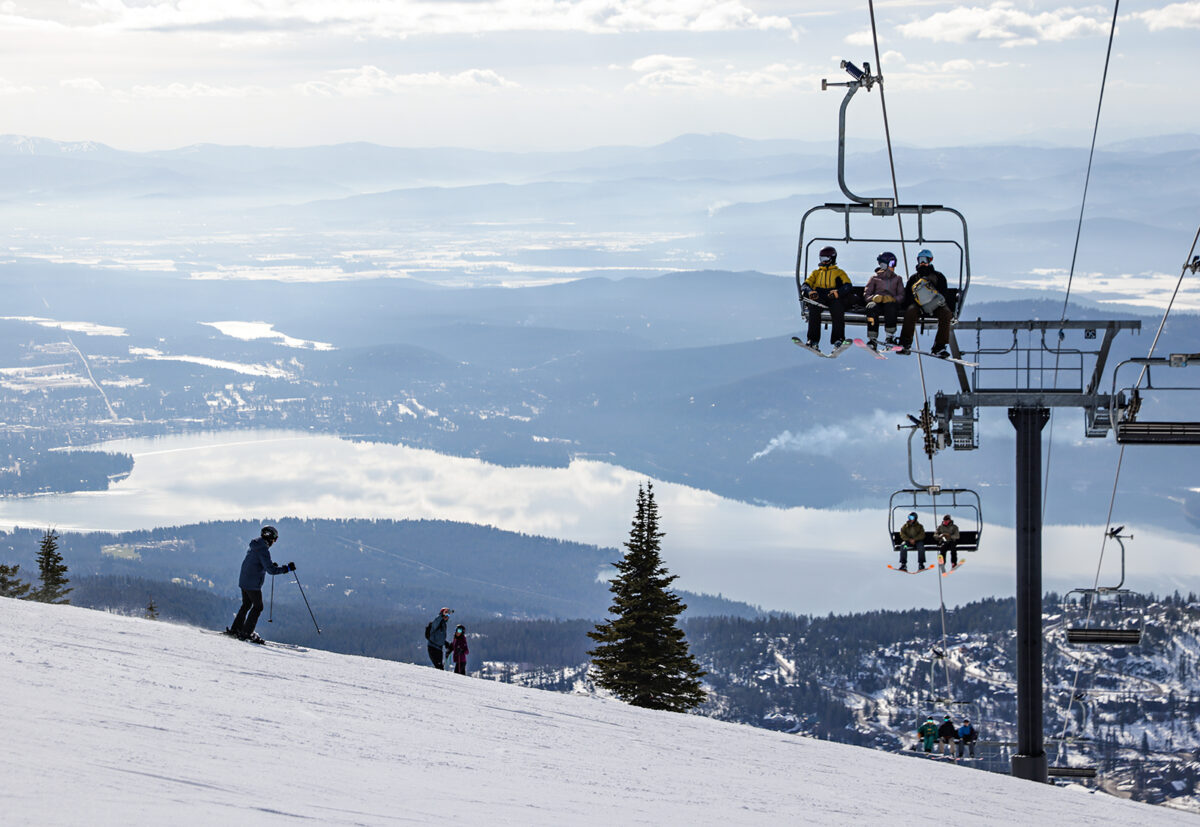
Whitefish Mountain Resort Visitation Drops 8% During 2025-2026 Season
Officials attributed limited snowfall and poor conditions to the dip in traffic, which totaled 457,000 skier visits this winter even as a record volume of more than 17,000 season passes sold
By Maggie Dresser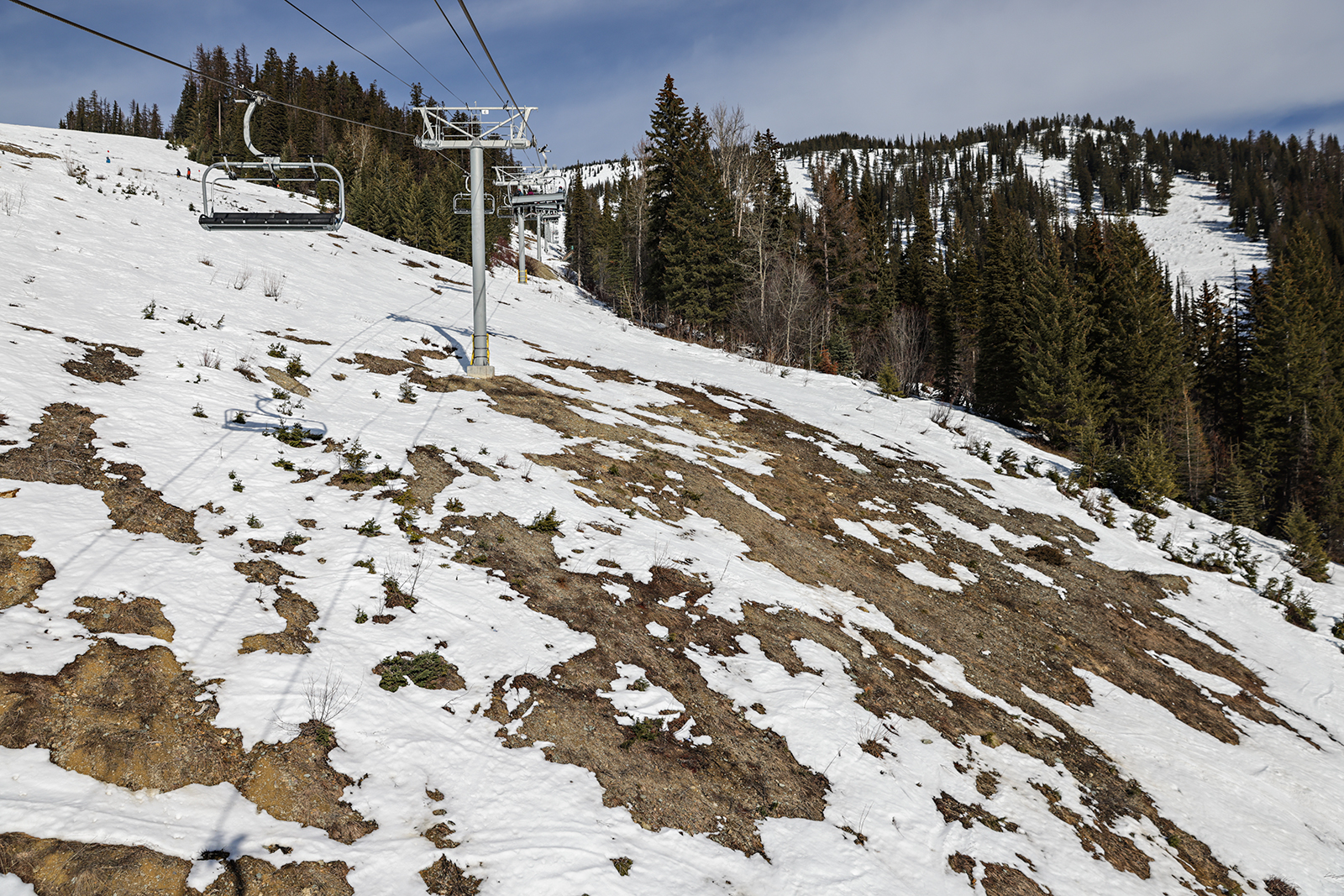
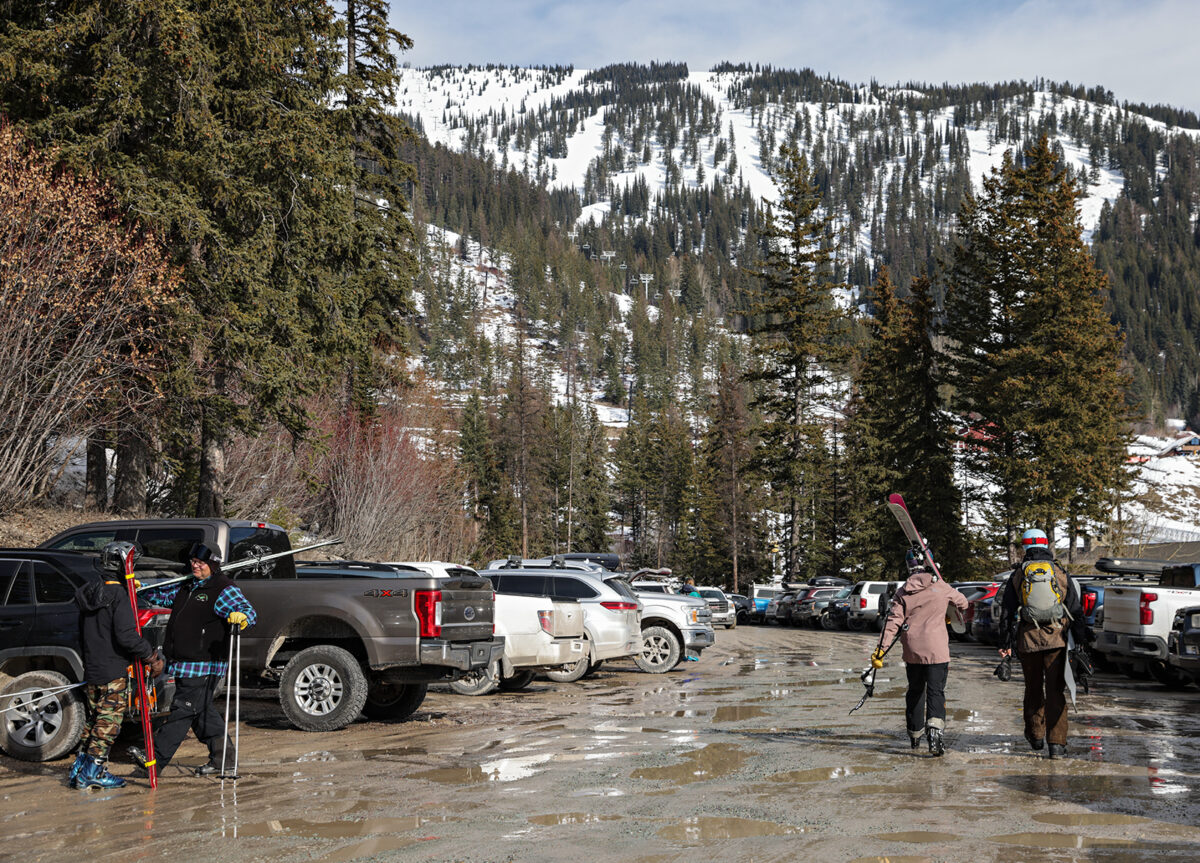
Following a warm winter that brought below-average snowfall to Big Mountain’s summit and a steady stream of rain to the base area, officials with Whitefish Mountain Resort (WMR) said the ski area saw an 8% year-over-year drop in visitation during the 2025-2026 ski season.
WMR Sales and Marketing Director Matt Gebo on May 19 told the Whitefish Community Town Hall on Tourism and the Local Economy audience that overall skier visits totaled 457,000, which were down 40,000 visits from the 2024-2025 season.
Despite the 3% rise in season pass sales, which totaled more than 17,000 and broke previous records, Gebo said the visitation drop was likely due to the poor conditions. Out-of-town visitation dropped 11%.
Gebo described the season as “the winter that wasn’t” and said inconsistent snowfall and warm temperatures posed challenges for mountain operations that included limited snowmaking and terrain openings, with only 70% of average snowfall on Big Mountain’s summit and far less at the base area.
“It was obviously pretty challenging overall,” Gebo said. “Snowfall was down and it was a really tough start to winter itself. If you all remember, the first couple weeks of the ski season, we had really limited terrain. We were getting nervous because we weren’t getting the temperatures to make snow at the lower elevations. We really didn’t all winter long.”
According to the National Weather Service, Kalispell saw its fourth-warmest winter, averaging 30.6 degrees Fahrenheit throughout the winter, which was 5.7 degrees warmer than average.
But while Big Mountain saw fewer visits and failed to meet the budget, Gebo said a rise in lodge stays helped offset losses, which brought in revenue 5% higher than last season.
According to guest surveys, average overnight stays were roughly six nights while visitors skied for about four days, meaning tourism dollars were spent beyond Big Mountain.
“It’s really an important economic driver for our winter months,” Gebo said.
Although underwhelming snowfall deterred skiers and snowboarders during periods of dry spells and rain, Gebo said WMR saw its record visitation day on Dec. 27 following a 14-inch storm over the holidays in the middle of a period that has historically been the resort’s most heavily trafficked timeframe at the end of December into early January.
“It was primarily driven by season pass holders,” Gebo said. “It was also the most parked cars I’ve ever seen up there.”
Mid-February, too, served as some of the resort’s busiest days during the five days following President’s Day Weekend, which coincided with Canadian family ski week. WMR has also become a popular spring break destination in mid-March.
Gebo said that despite northwest Montana’s warm winter and weak snowpack, WMR’s season was strong compared to much of the western United States, which ended with well-below normal snowpack averages.
“When you look at the macro level of the ski industry in what was happening, especially in the West, we fared much better than most of our neighbors.”