Kootenai Forest Land Acquisition Conserves Key Cabinet Mountain Access, Griz Habitat
Paid for by the Land and Water Conservation Fund and purchased by the nonprofit Vital Ground Foundation, the Falls Creek Project protects public recreation access and wildlife movement while restricting development on Savage Lake
By Tristan Scott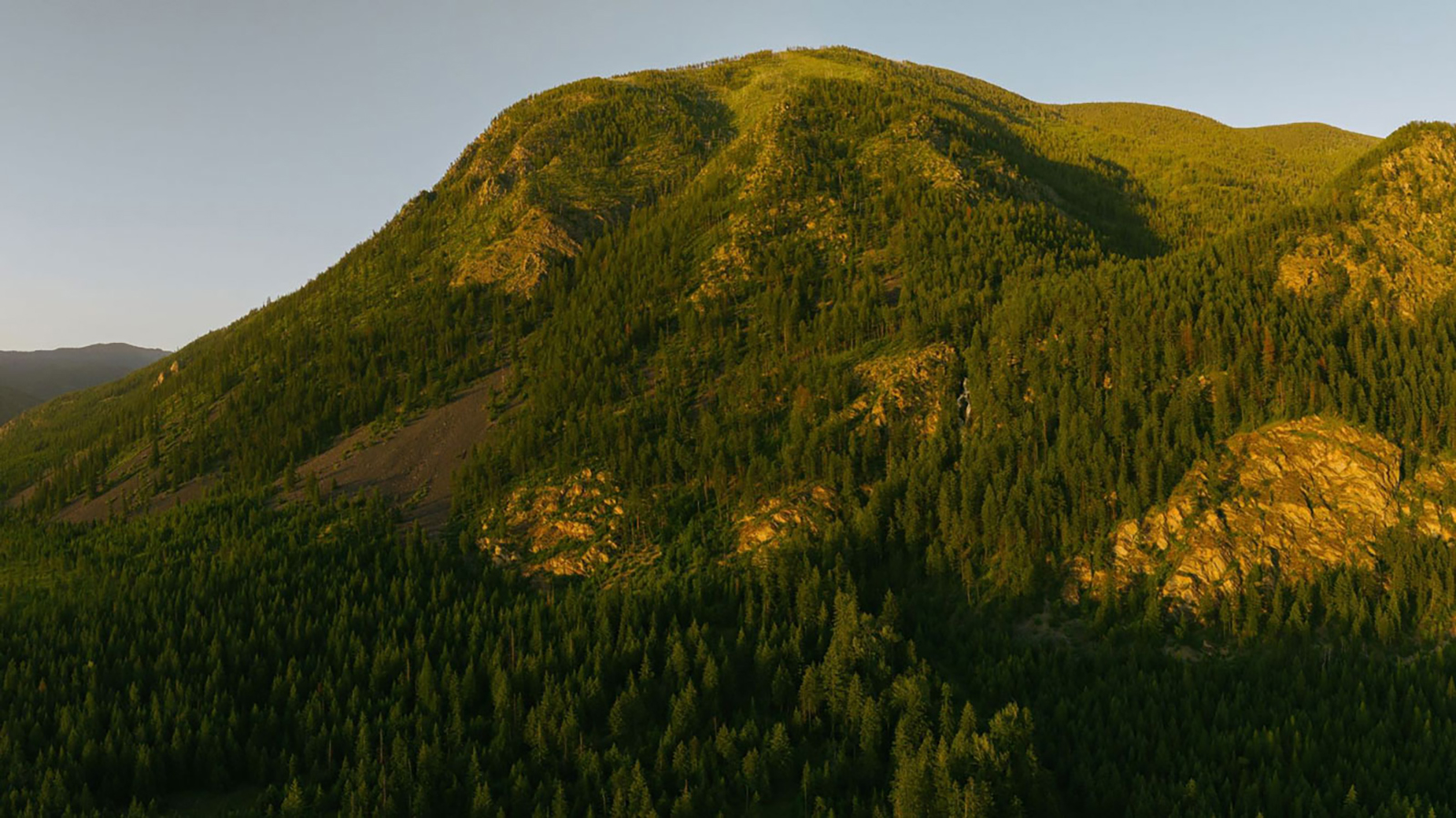
A collaboration between the Kootenai National Forest, private landowners and a nonprofit conservation partner will provide new public recreation access to the Cabinet Mountains Wilderness in northwest Montana while conserving critical habitat in one of the smallest grizzly bear recovery zones in the lower 48.
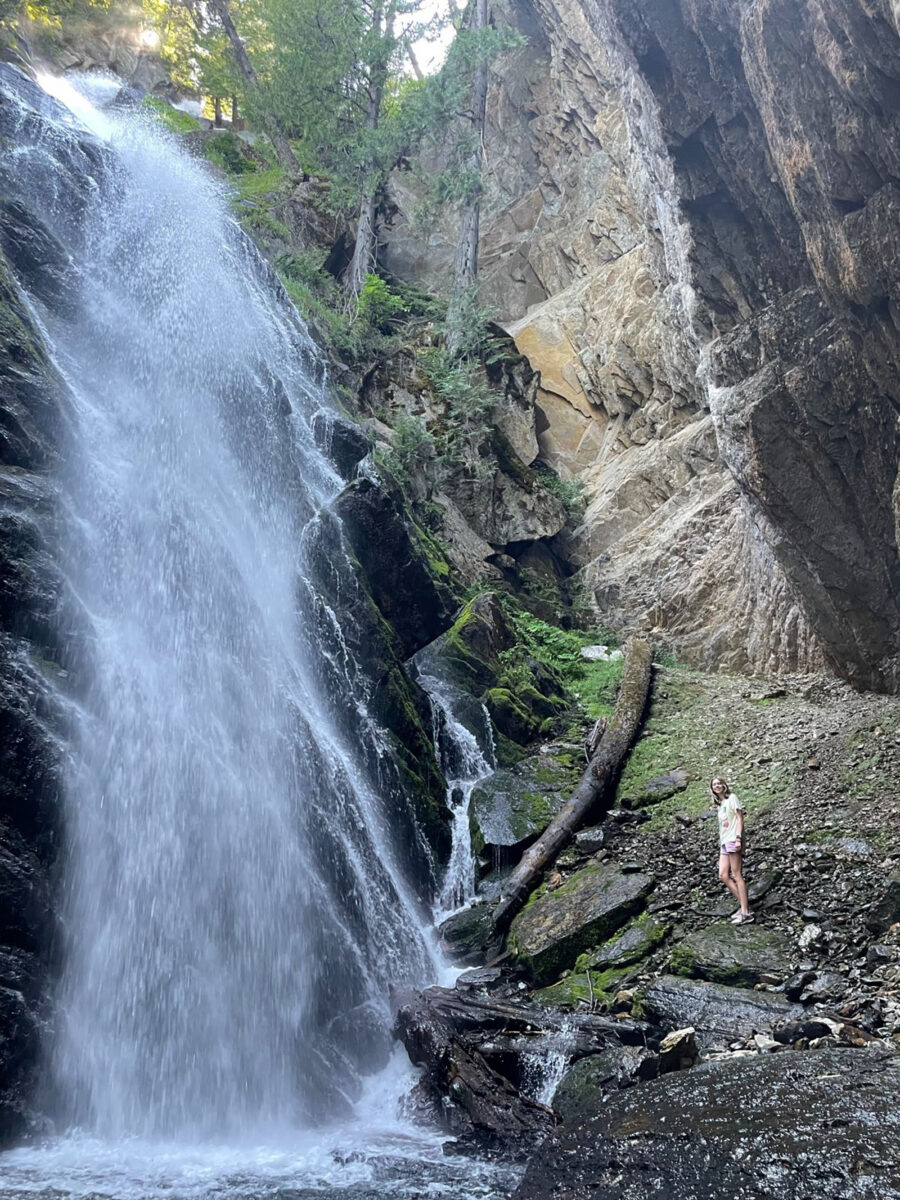
Located near Troy, the 160-acre Falls Creek Project — so named for its proximity to Falls Creek and Savage Lake on the Kootenai National Forest — came together when the property owners began looking to transfer ownership of their land while maintaining it as open space with public access. Formerly private timberland, the project’s footprint includes a hiking trail to one of the area’s largest waterfalls as well as access to the larger Cabinet Mountains Wilderness Area.
“This unique parcel, situated along the Cabinet Mountain Wilderness, serves as a key link between lower elevation recreational opportunities and the higher, more rugged wilderness experience,” Kootenai National Forest Supervisor Chad Benson said. “We are excited to manage the land appropriately and maintain public access for all to enjoy. This was an excellent example of collaboration, with many people in different groups working toward a common goal of land conservation.”
The Vital Ground Foundation used grant money through the federal Land and Water Conservation Fund (LWCF) to complete the purchase of the Falls Creek Project and transfer 160 acres to the Kootenai National Forest.
“The landowners recognized that the public has always enjoyed access to these private lands and adjacent public lands,” said Mitch Doherty, conservation director for Vital Ground. “This project ensures that access will continue while also conserving an important area for grizzly bear recovery.”
According to agency officials and conservation advocates, the land acquisition provides key habitat for aquatic and terrestrial wildlife species, protects local water quality and sustains a mixed conifer forest by preventing development along the Savage Lake shoreline.
The Forest Service intends to manage the 160 acres according to the Kootenai National Forest Plan, Benson said, which states improvements are “made to maintain or increase recreational opportunities, including the establishment of winter non-motorized trails in lower elevations.” The parcel provides public access to recreational activities that include fishing, birding, horseback riding, mountain biking, hiking and camping along with winter activities such as cross-country skiing and snowshoeing.
The Falls Creek land acquisition garnered broad stakeholder support. In addition to representatives of the Kootenai National Forest and the Vital Ground Foundation, local government officials, business and recreation stakeholders, and residents collaborated in the process.
“The Falls Creek Project is a win-win for conservation and for the Troy community,” Shawna Kelsey, a local businessowner and former president of the Troy City Council, said in a prepared statement announcing the project. “The Falls Creek land is a gem whose protection is broadly supported as a resource for its cultural and ecological values but also its recreation assets. That area has long been a local favorite hiking and biking spot, and it would have been devastating to many if the land had been subdivided and developed, locking the public out. As Troy is being sought out more and more for its recreation opportunities, it is invaluable to have more front-country hiking options for visitors and locals alike.”
Because of its benefits to both people and wildlife, the project garnered a wide range of state and local support. U.S. Sen. Steve Daines, R-Mont., and former Montana U.S. Sen. Jon Tester, a Democrat, both endorsed the conservation effort during its development, along with the city council and mayor’s office of Troy. The project also received support from the Kootenai Forest Stakeholders Coalition and a broad majority of residents in the Savage Lake area, with more than 20 of them writing letters of support.
In addition to public recreation, the project preserves intact wildlife habitat between the Cabinet Mountain’s high country and its lower elevations. The area is home to a rich suite of native species including moose, elk, wolves, wolverine, native trout and a population of roughly 50 grizzly bears spread between the Cabinets and the Yaak Valley to the north.
Maintaining open habitat is crucial to the slow recovery of the Cabinet-Yaak grizzly population, Doherty said. The Falls Creek Project will help both bears and humans stay safe by conserving a buffer zone between mountain habitat and more developed areas around nearby Savage Lake. The buffer is reinforced by adjacent lands already under conservation protection from the U.S. Department of Agriculture’s Forest Legacy Program.
Conserving former timberlands also benefits the area’s growing recreation economy, he said. The project ensures local residents and visitors can continue to enjoy mountain biking and cross-country skiing on the Falls Creek trail network while accessing the larger expanse of public lands for hiking, fishing, hunting and other popular uses.
Additional support for the project came from Montana Fish, Wildlife and Parks, Atira Conservation, onX Maps, The Weeden Foundation, and numerous individual contributors.