Building a Legacy for Lacrosse
As more kids grow up playing lacrosse in the Flathead Valley, the Northwest Avalanche Lacrosse’s boys and girls senior classes have cultivated a legacy of success
By Lauren Frick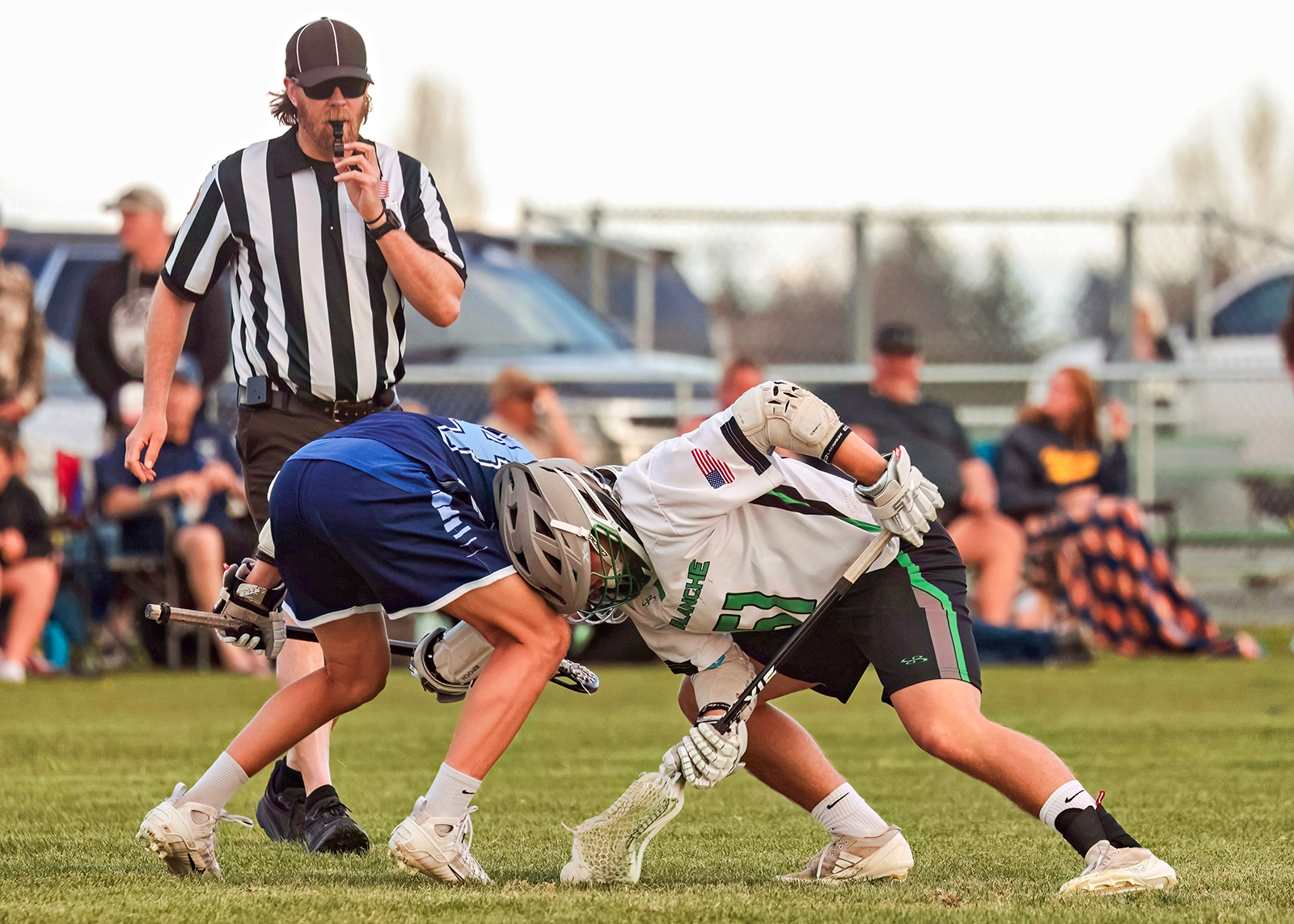
“People just don’t wake up in this area and their kid is 3-years-old and they’re like, ‘let’s see if there’s a lacrosse league;’ they’re thinking soccer or t-ball,” Dom Alfieri, the head coach for Northwest Avalanche Lacrosse’s boys varsity team, said. “Back East, parents truly wake up and go, ‘oh, my kids are 4; I could get them into lacrosse right now.’”
This is one of the greatest challenges Alfieri and the lacrosse community has faced as they’ve taken steps to grow the sport in the Flathead Valley and throughout the state over the last decade.
However, Alfieri said the gap between kids who grew up playing the sport and those who didn’t is starting to close at Northwest Avalanche Lacrosse — with this year’s senior class being the greatest evidence of this.
“I saw a friend at school and he came to school with a lacrosse stick,” senior Cruz Grace, who began playing lacrosse in elementary school, said. “I saw the lacrosse stick and I thought it looked really cool, and I begged my dad to get one. Then I joined the team the next year, and it’s been the best decision I’ve made.”
“My cousin brought over a lacrosse stick one day at a family reunion and that’s basically how it started … from then on I’ve just been playing lacrosse,” fellow senior Elijah Copping, who joined the program in third grade, said.
For many of the seniors on both the boys and girls varsity teams, all it took was picking up a lacrosse stick and they never looked back, immediately falling in love with “the fastest sport on two feet.”
“I tell everyone, you play lacrosse once and you’re addicted,” Grace said.
Since lacrosse isn’t a Montana High School Association sanctioned sport, Northwest Avalanche Lacrosse offers opportunities for players grades 9-12 to compete, with the girls playing in the Montana High School Lacrosse Association’s league and the boys competing in the Great Northwestern Lacrosse League (GWLL), which consists of teams from Montana, Idaho, Washington and Wyoming. The program also offers youth teams through its affiliate, the Northwest Sharpshooters.
With a bulk of this year’s senior class getting their start in the sport as young Sharpshooters, the players across both teams have built an unbreakable and unspoken bond that has taken the Northwest Avalanche to new heights — from dozens of all-state selections, to the program’s first-ever NCAA Division I and II commitments, to an undefeated GWLL championship season for the boys team this year.
“We’ve had [teammates from] literally almost everywhere in the valley,” senior Hannah Cantrell said. “To be able to all come in together, you would not be able to tell. You would think it was a school team.”
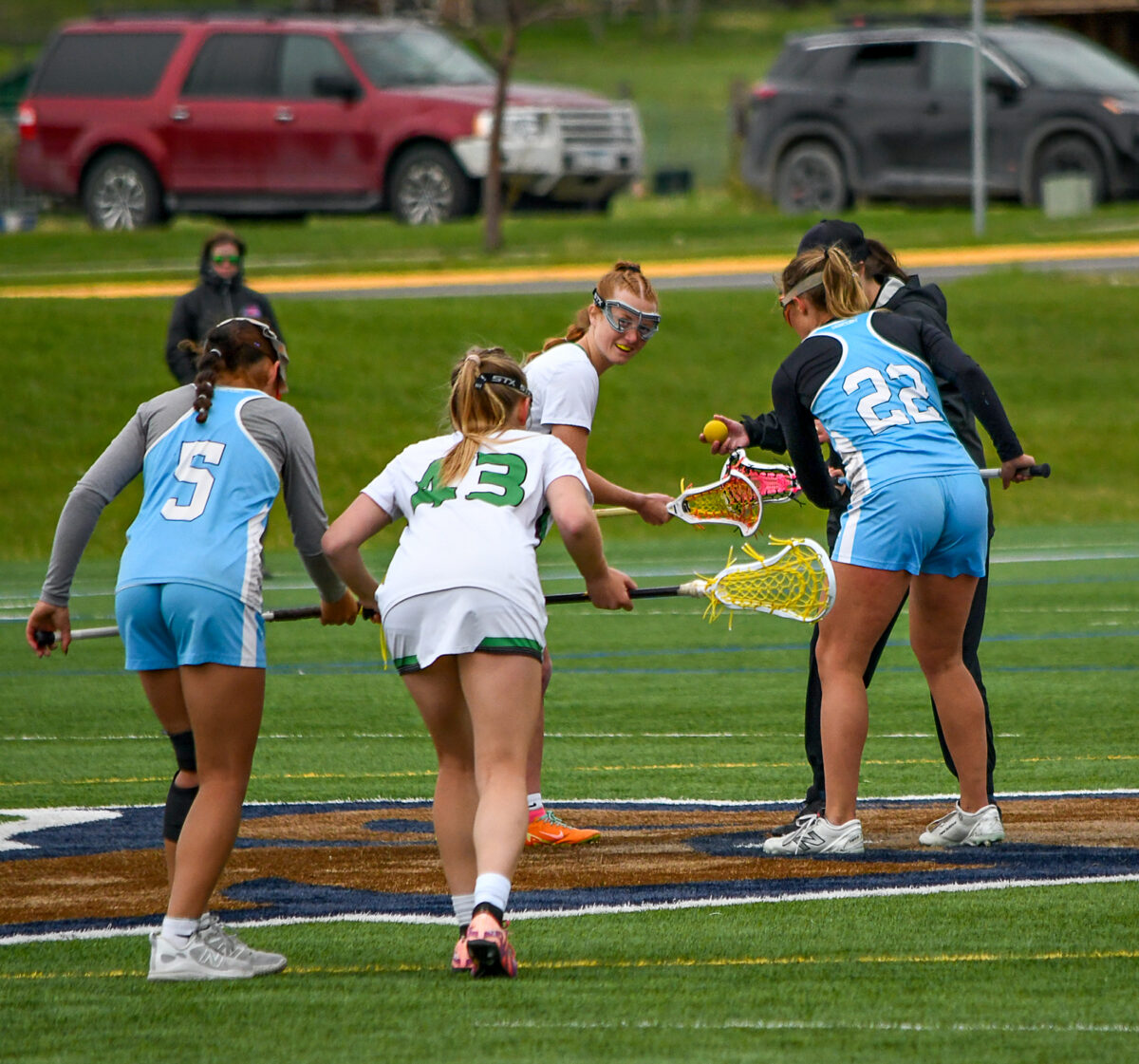
While lacrosse is one of the oldest team sports in North America, much of its popularity in the United States has been confined to the Northeast and Mid-Atlantic regions, although the sport has started to gain traction and quickly grow west over the last two decades.
So what’s it like growing up playing lacrosse in a state with some of the lowest participation rates?
“You definitely get some weird looks,” senior Oliver Buzzell said.
“Every time you tell them you play lacrosse, you kind of have to explain the sport a little bit as well, which is not typical with a lot of sports,” Grace added. “You often have to describe it as like a soccer-hockey mix.”
Luckily, both head coaches, Alfieri and girls varsity coach Joni Petro, can relate to the experience, with Alfieri playing his most formative lacrosse years in Texas and Petro growing up in Cincinnati, Ohio at a time the sport wasn’t yet sanctioned.
“My family moved from New York to Texas, so this area is kind of nice because it reminds me a little bit of what lacrosse was when I was growing up; hard to get recruited,” Alfieri said. “So I was one of the first players out of that area to get recruited to go play college.”
Similar to when Alfieri and Petro were younger, lacrosse players in Montana face many of the same challenges, such as traveling across state lines just to be able to play against other organizations and the high costs associated with the sport and travel.
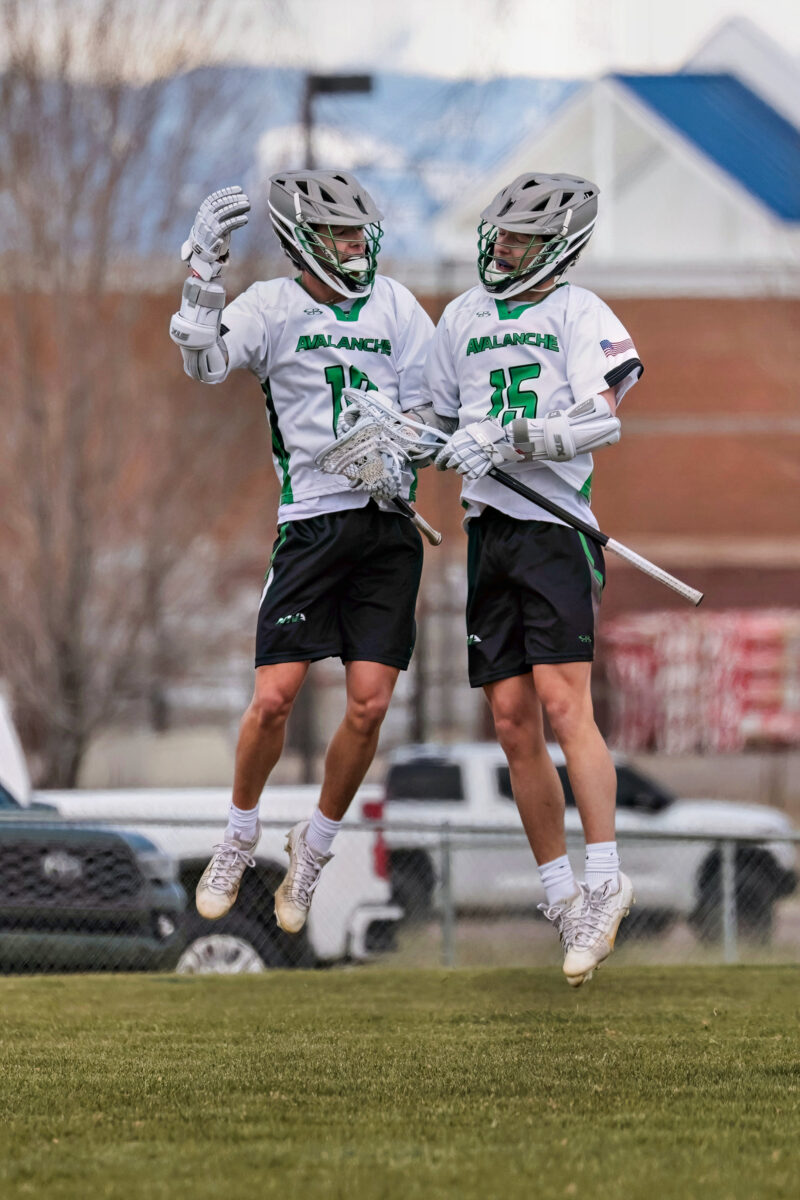
“When trying to maintain that buy-in for lacrosse, I think the first thing that really is the hook is the community, which makes the culture piece so important,” Petro said. “We hold [our players] to such a high standard. We sacrifice our weekends. It’s a lot of money, but when you have that mutual accountability that everybody’s being held to the same standard, there’s that buy-in, and I think that’s where a lot of the trust starts being built too.”
Northwest Avalanche Lacrosse has put a focus on their youth program to grow the sport in the valley — whether that be “learn-to-plays” at local elementary schools or having older players stop by practices for their younger teams — but the program has also turned to the multi-sport athlete pool the Flathead boasts.
“Kids want to follow their peers, so it helps sometimes when you have Glacier’s two quarterbacks, or the backup quarterback who’s potentially gonna be the starter next year, playing for us,” Alfieri said.
Lacrosse can be a great “cross-over sport” for athletes looking to round out their athletic abilities, Alfieri said.
“You have to have a high understanding of the game, so basketball players transition well into lacrosse players,” Alfieri said. “They have good footwork, they understand defensive rotation zones, pick and roll, similar things we do in lacrosse. Hockey players are similar because it’s still looking for backside looks; soccer as well. It’s still about passing the ball and finding your open look.”
No player represents this better than senior Madi Matson, who, like her head coach, played “every sport” before finding lacrosse late in her high school athletic career. Only joining the Avalanche in her junior year, Matson has earned a spot on Point Park’s women’s lacrosse team — a Division II university in Pittsburgh, Pennsylvania.
“I don’t think there was ever a point where anyone left me alone my first game,” Matson said. “I had everyone around me being like, ‘hey, you can’t cross this line; do this; you got it.’ I never felt alone or anything on the field.”
“I think I want to leave the legacy of you can start at any time and if you try and show up with the intention to be a good player, you can do good things if you have the drive,” she added.
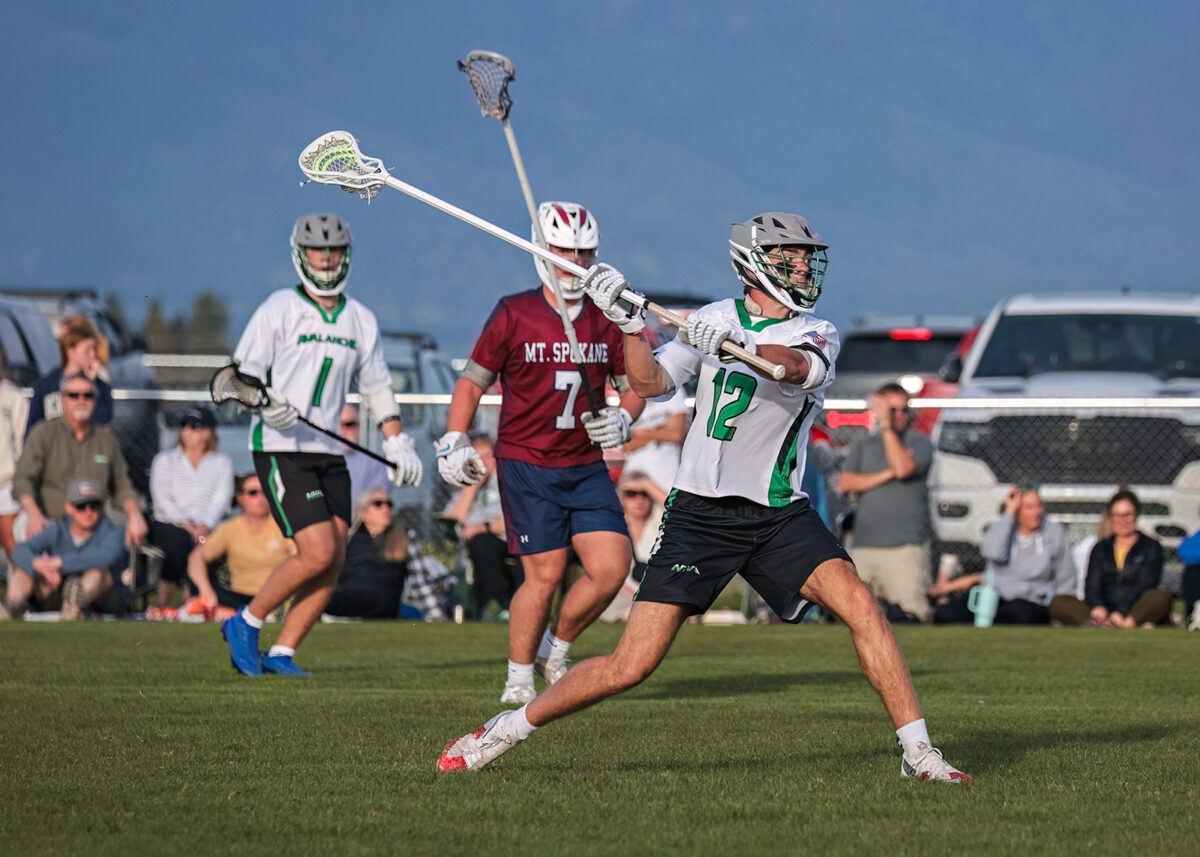
Despite the obstacles faced, both teams have built a culture of success over the last few years, with the boys varsity team piecing together an undefeated season this year that culminated in a GWLL title.
After defeating in-state foe Bozeman —who recently claimed victory over the Avalanche in two consecutive state title games — the Avalanche’s varsity boys squad capped off the historic season with a 5-3 victory over Jackson Hole in the championship game.
“The first relief was getting over the Bozeman hump; the first playoff win against Bozeman,” Alfieri said. “Then going to that championship game … it’s hard because how do you stay focused when all season long you don’t lose a game?
“In that regional championship game, we were down by four goals at one point, the first time we’ve been down all year, and we came back and we won. Then we started playing where the mentality was always we’re going into the game down four points, and that energy and that effort, that’s what changed.”
Following the team’s state final loss last season, the Avalanche approached this year with a “different mindset,” traveling across the West to play top competition all fall and winter to prepare for the spring finale.
“The coaches really wanted it,” Copping said. “We really wanted it, so it kind of just pushed us to get it a little bit more.”
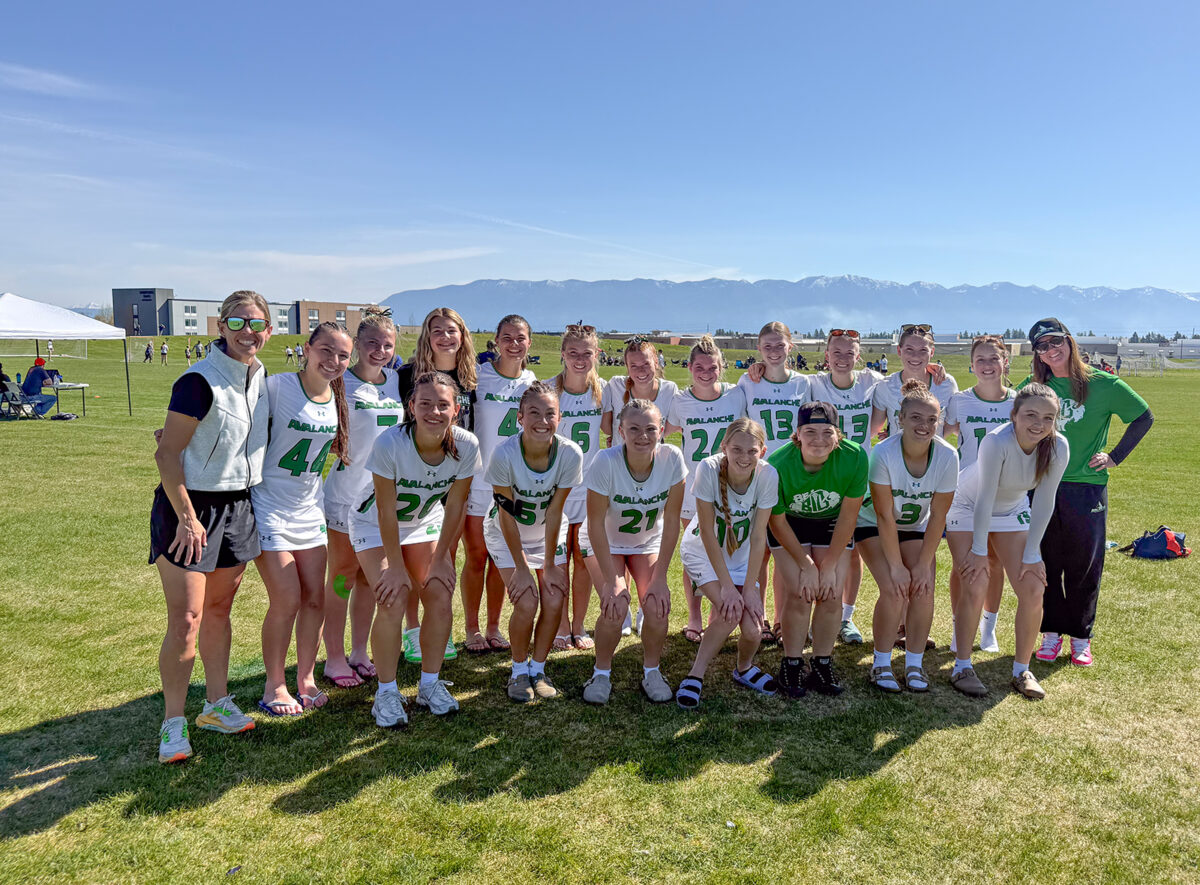
Avalanche’s varsity girls team’s 2026 season also came to conclusion in a championship game, with the squad falling in a tight 4-3 contest against a dominant, formidable Jackson Hole team.
“It was exactly like Remember the Titans, except we lost,” Petro said. “Everything else was awesome. We spent so much time all season long talking about what it means to be big and the things that nobody can take from you … whether it’s speaking up and advocating when you need to or being willing to take up space and own who you are and what your gifts and your roles are.
“These girls going into state were like, we are not going to get rattled. We’re going to play for each other and then the outcome is going to take care of itself. Even though we still lost by one, I don’t know that [they] really would have felt any better with a trophy.”
The championship loss wrapped up a four-year stint that included 27 all-state awards, two state final appearances, one state semi-final appearance, nine players selected to represent the region in the USA Lacrosse’s national tournament and four players committed to playing in college at both the Division I and II levels.
With Avalanche’s and Sharpshooter’s girls programs barely 10 years old — and many of this year’s seniors among the program’s first ever players — the path to success was largely an uncharted one.
“I think the biggest thing for us was, [Joni] started the girls program here, so coming up … we didn’t go to the older girl’s games because there weren’t any,” senior and University of Vermont signee Hannah-Gray Petro said. “There were no mentors.
“The whole way up, it’s just been us kind of figuring out what we wanted it to be, which … makes it harder, but I think that also made us feel like we chose what we wanted our culture and our legacy to be.”
After years of playing games a player down because of insufficient roster numbers or flying across the country for tournaments, the seniors have built a legacy of selflessness, sacrifice and striving to achieve any goal set.
“I do think this year everyone did a good job of setting up the program for success in the future, and everyone really wants to just work towards keeping the culture high,” senior Brynnlea Toren, who will play lacrosse at Fort Lewis College in Colorado next year, said. “I think the biggest thing was we were able to help everyone else create a goal for the team.”
With one of the program’s largest senior classes now having walked across the graduation stage, focus will turn even more toward the future and continuing to grow lacrosse in Montana.
“With my little brother playing, it would be really sweet to see it just grow even more than it already is right now,” Buzzell said. “My dad coached a little bit last year, and he’s telling his kids, because he’s a teacher, about lacrosse and more and more kids are wondering about it and getting curious. It’s nice to see that because you don’t want the sport to die. I would like to come back here in 20 years and see it absolutely booming.”
Both head coaches said the key to sustained growth will be through the youth program, with Petro saying she hopes there’s eventually enough interest for a local recreational league for younger ages.
“The youth program has to be treated with extreme white gloves in every sense, making sure we’re a positive culture and kids are having fun,” Petro said. “Adults kill the fun too early. If your kid loves it, they’re gonna make it more serious on their own. So, if we can keep it as fun for as long as possible, then naturally, their appetite is gonna increase. How do we keep it fun, and then how do we keep providing more food?”
Alfieri also noted lacrosse becoming sanctioned under MHSA, like baseball did in 2022, would be beneficial for the growth of the sport.
“If we can take a step like baseball did … we’re still funding ourselves right now, but at least have an association with a high school,” Alfieri said. “I think there’s still a lot we could be doing to grow it at the high school level and at the base level and kind of tag team that.”
And Alfieri’s players agree.
“As much as I like playing with all these guys, if it was a Montana varsity sport, suiting up for my high school would be amazing,” senior Andrew Jacobson said.