PacifiCorp to Power Down Bigfork Dam Unless Buyer Steps Forward
Without a purchase agreement, the FERC-licensed hydroelectric facility would undergo a years-long decommissioning process. Meanwhile, residents of the unincorporated community grapple with a potentially transformative change.
By Maggie DresserAs federal dam safety criteria become increasingly rigid and investment costs rise, PacifiCorp is pursuing the disposition of the Bigfork Hydroelectric Project located on the Swan River, a change that residents say would alter the unincorporated community’s identity.
The power company will first pursue the project’s sale, a PacifiCorp spokesperson said. However, if there are no interested buyers, the project, which is also known as the Bigfork Dam, will undergo a years-long process of decommissioning.
“PacifiCorp has notified the Federal Energy Regulatory Commission (FERC) about its intent to pursue the disposition of the Bigfork Hydroelectric Project after determining required dam safety upgrades would not be cost effective for our customers,” PacifiCorp spokesperson Drew Marine said in a statement to the Beacon. “Disposition may include sale of the project or project decommissioning.”
The disposition process is expected to take several years and will not prompt immediate changes to dam operations or public access to Sliter Memorial Park, Marine said.
According to a Bigfork Hydroelectric Project Disposition FAQ posted on PacifiCorp’s website, the energy company has begun taking steps to remove the infrastructure from its generation portfolio as federal safety criteria becomes more stringent and costs prohibitive.
As the initial part of the disposition process, PacifiCorp will launch a request for interest, seeking potential buyers for the Federal Energy Regulatory Commission-licensed hydroelectric project, which includes 277 acres of land around the dam.
“PacifiCorp anticipates it will take some time to first explore selling the project,” Marine said in an email to the Beacon. “If a sale is not attainable or appropriate for our customers, the company can then consider decommissioning the project.”
According to Drew, a decommission process would follow FERC criteria involving public input and a specific set of proposed actions during a time frame that would take at least five years to complete.
Disposition of the property would take place after federal regulators approve the decommissioning plan, the company completes site restoration, and the commission signs off on completed actions in accordance with the plan.
As of June 12, Flathead Electric Cooperative (FEC) spokesperson Dillon Tabish said the public utility has not begun any process to acquire the project. However, he said they are “monitoring the situation and reviewing available information,” including evaluating criteria like safety, regulatory requirements and community benefit.
“Hydroelectric facilities can carry complex obligations, including dam-safety requirements, Federal Energy Regulatory Commission licensing conditions, environmental and historic-preservation responsibilities, recreation access, operational costs, and long-term liability,” Tabish said in a statement to the Beacon. “Any serious consideration would require careful due diligence and review.”
According to PacifiCorp, the current license conditions for recreation sites and access would remain in place if the project is sold to a new operator. Public access includes the 2.5-mile Swan River Trail, Powerhouse, Pacific and Sliter parks, and Kearney Rapids Boat Launch.
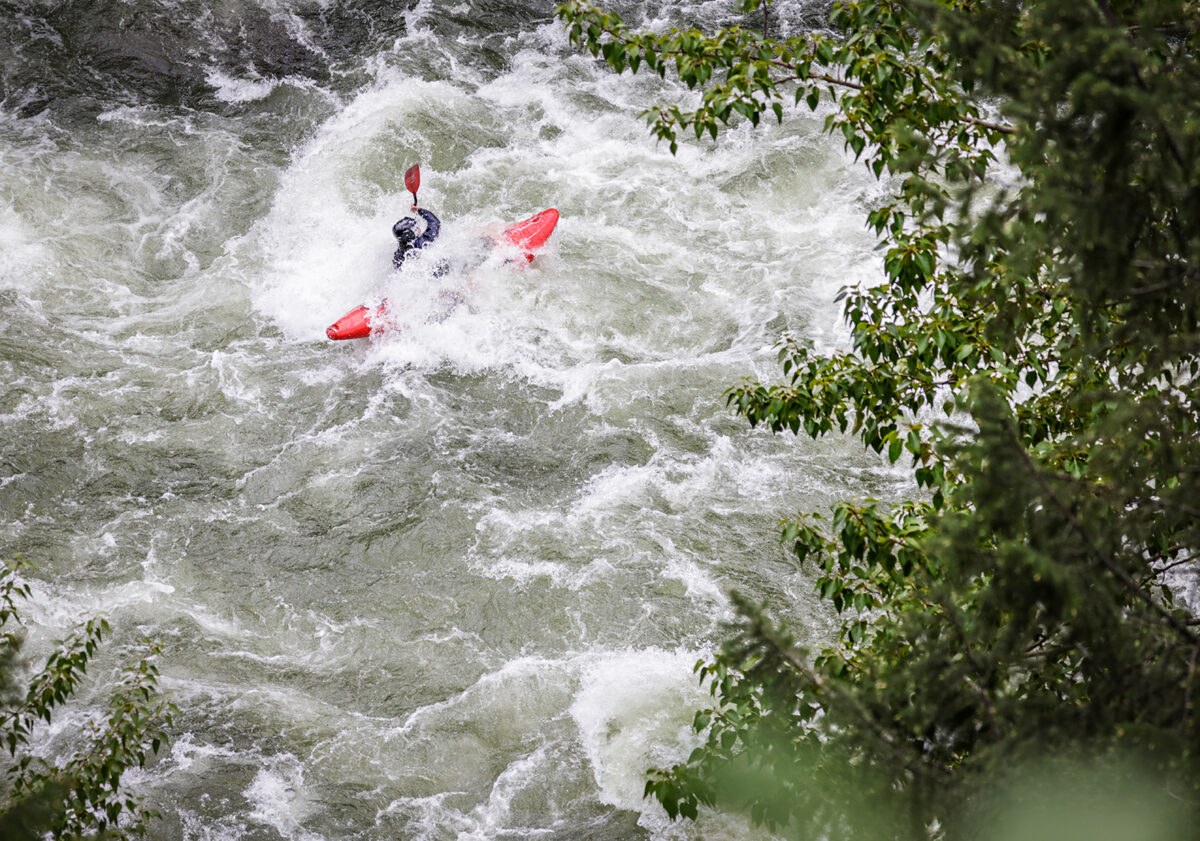
PacifiCorp also releases water flows capable of supporting whitewater boaters on the Swan River’s Class IV “Wild Mile” section from 5 p.m. to 9 p.m. in July and August, which is a requirement under the federal license.
But Bigfork Chamber of Commerce President Rebekah King said she’s concerned about what will happen to the public access if the dam is decommissioned and a private developer buys the property.
King also wonders how a possible dam removal will impact invasive species migration along with the potential changes to the whitewater section of the Swan River known as the “Wild Mile,” which has the Bigfork Whitewater Festival for more than 50 years.
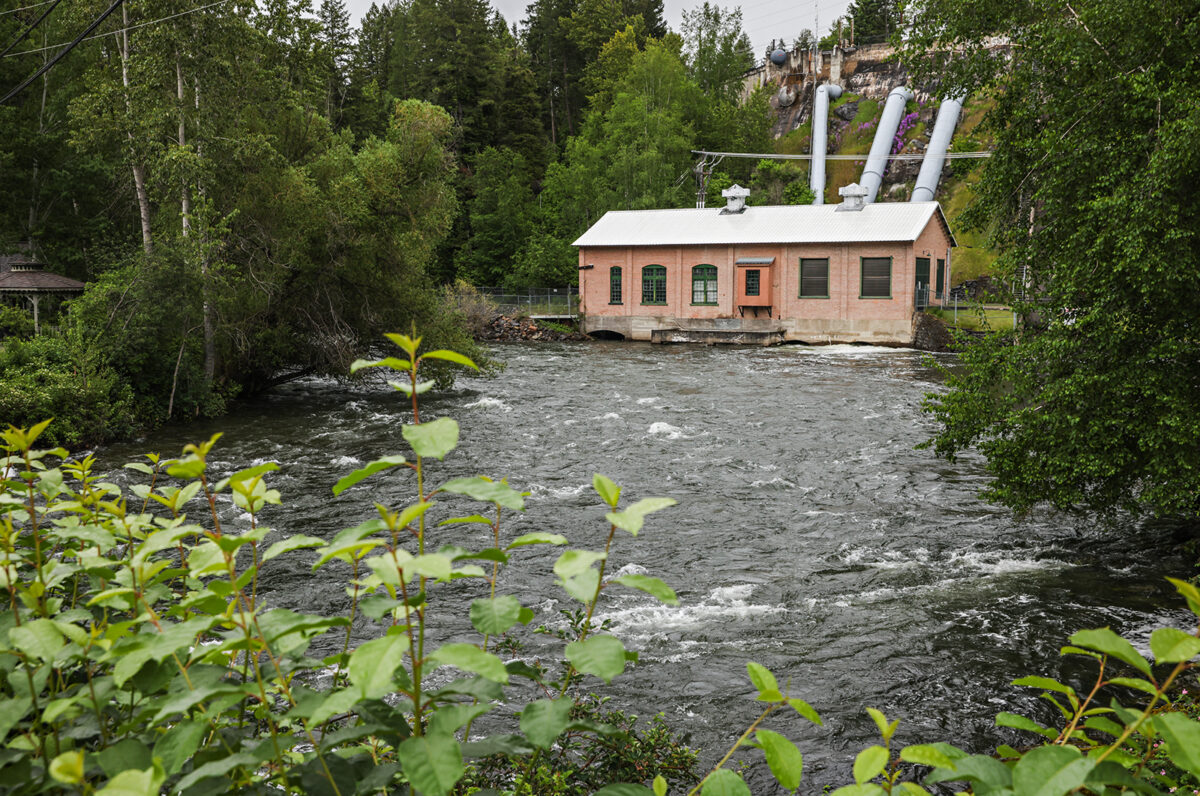
Embedded in Bigfork’s identity since the townsite was platted by Everit Sliter in 1901, the hydroelectric project launched in 1902 when Lafayette Tinkel established a hydroelectric power plant. Crews constructed a concrete diversion dam, a flume and a brick powerhouse, which were finished by 1910 along with additional improvements in the following years — infrastructure that remains largely unchanged since the 1930s.
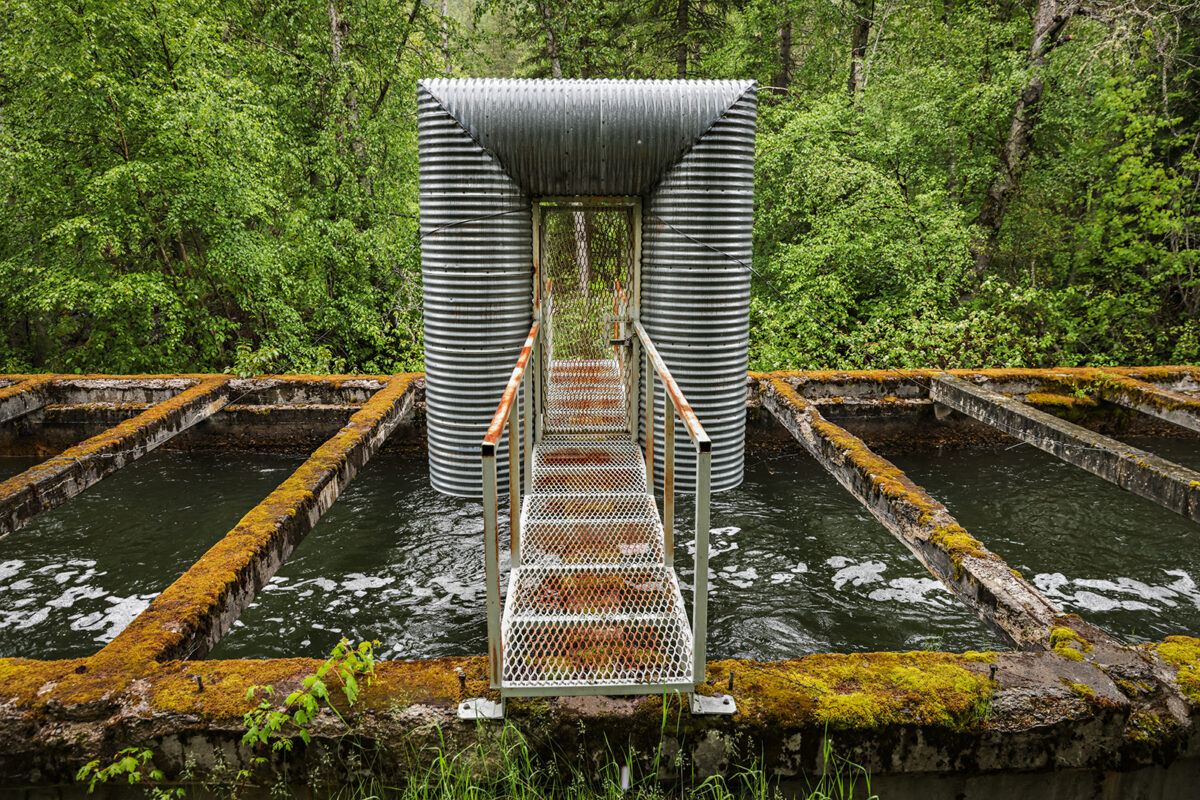
Today, the Bigfork Hydroelectric Project features a 12-foot-high, 300-foot-long concrete diversion dam with a 235-foot-long spillway generating 4.15 megawatts (MW) of electricity from the 1900s-era generator and turbine sets. The project operates a run-of-river facility, which diverts water from the Swan River and creates a one-mile-long bypassed reach instead of flooding the area into a reservoir.
“The dam is just part of Bigfork,” King said. “It’s the Wild Mile. It’s Sliter’s Park. It’s the nature trail. I think we’ve just sat here naively, not reckoning the impact PacifiCorp has on the community.”