Nursing Home Providers Warn of Impacts from Medicaid Reimbursement Rate Plateau
As the state rescinds its original plans to raise Medicaid reimbursement rates by 3% this year, strained providers consider the path forward
By Zoë Buhrmaster
At BeeHive Homes in Kalispell, Assisted Living Administrator Rachel Hershberger balances a delicate act: help keep the doors open and the lights on for the memory care facility, while caring for a growing population of Medicaid patients.
Staff at BeeHive Homes care for up to 66 residents at a time across three homes. About 20% of those patients are currently covered through Medicaid, an increasingly unsustainable number due to historically low reimbursement rates that providers receive through the state Medicaid program.
Nursing home facilities like the BeeHive experienced another blow at the end of May, when the state’s Department of Public Health and Human Services (DPHHS) notified providers that due to “projected budget shortfalls” the department would not be increasing provider reimbursement rates. Last year, the governor and the legislature had approved a 3% rate increase for Medicaid providers.
At BeeHive Homes, Hershberger said that while they have a practice of not planning on rate increases until they see the higher numbers in their reimbursements, losing out on the pay increases still stung.
“It is disappointing because the costs to stay open have just been going up,” she said. “It makes it harder and hard to maintain being a provider for Medicaid services … The rates to not be increased is like pouring salt on an open wound.”
The reason for the state’s budget deficit comes from last year’s legislative session.
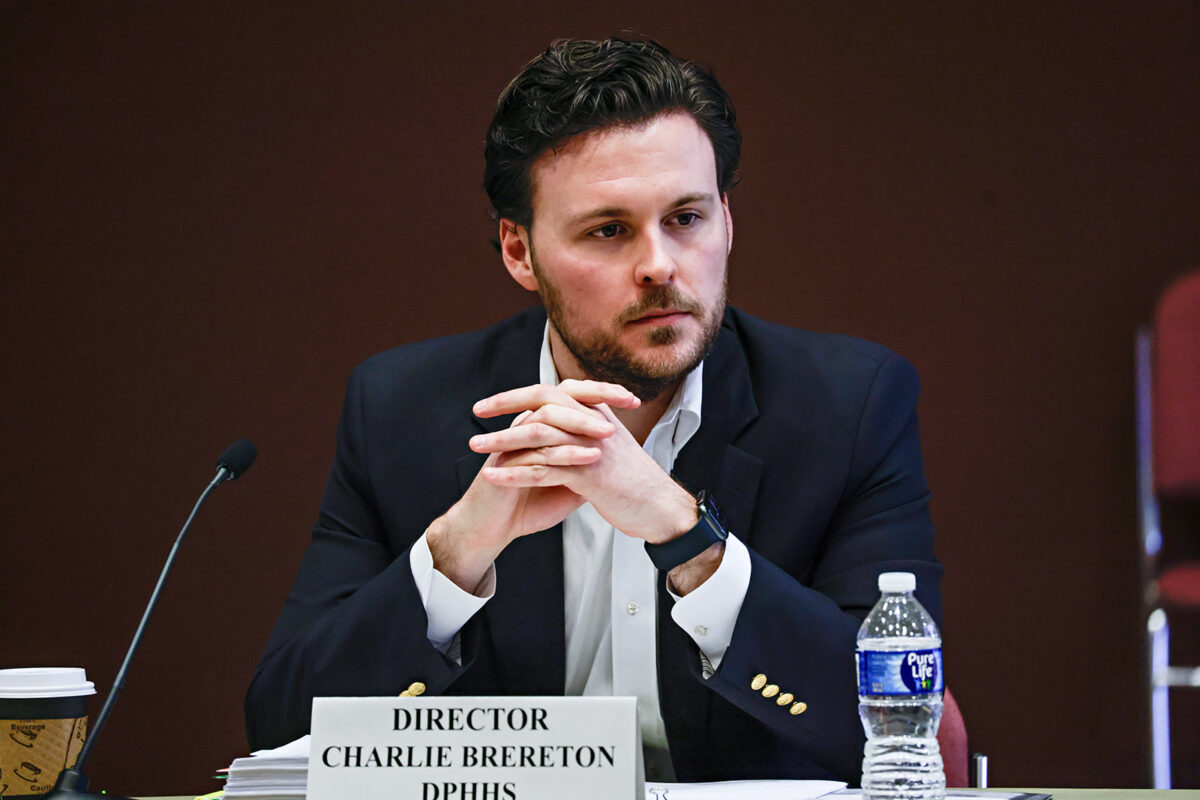
During the 2025 Legislature, the health budget committee received two different caseload projections for Medicaid patients, one from the legislative fiscal division and one from DPHHS. Per the committee’s recommendation, the Legislature adopted a budget for the fiscal division’s lower caseload projection, which was “insufficient to cover actual program expenditures, despite repeated warnings from the department,” DPHHS Director Charlie Brereton wrote in a letter to the state budget office.
“We chose to go with the LFD one, that’s on us,” Rep. Jane Gillette said during a March 17 interim health budget committee meeting, referring to the legislative fiscal division. Gillette served as the chair for the health budget committee in 2025. She also pointed to the impacts of new rules from the federal budget reconciliation bill, H.R. 1, and a last-minute budget amendment on the Montana Senate floor that significantly reduced the budget for the Healthcare Facilities Division.
Rescinding the 3% rate increase for Medicaid providers this year will help the department meet the deficit by saving approximately $10 million, Brereton said.
“I am pleased that under our proposed plan, current rates will remain unchanged, significantly diminishing the risk of destabilizing a fragile Medicaid system that we’ve successfully rebuilt and strengthened during Governor Gianforte’s administration,” Brereton said in his letter, referencing provider rate increases Gianforte approved in 2023. “Maintaining system stability was a top priority for my team and me as we weighed various mitigation options.”
That system, however, is already unstable for many providers.
Montana has 61 certified nursing homes, most of which are rural. According to data from the Certification and Survey Provider Enhanced Reports analyzed by health nonprofit KFF, 56% of nursing facility residents relied upon Medicaid in Montana as their primary payer source last year.
A rate study commissioned by the state in 2023 found that, on average for all provider types, state Medicaid reimbursement rates were nearly 22% behind the standard.
At Immanuel Living’s skilled nursing facility in Kalispell, the cost of care for a patient for a single day is $481, CEO Jason Cronk said. On average, state Medicaid reimburses the facility $292 per patient, per day. That has made following the organization’s mission to continue caring for those who can’t afford private pay more difficult, he said.
“That’s our big focus as an organization to continue to do that,” Cronk said. “It just makes life more difficult when the state doesn’t appropriate the money that was committed by the legislature last year. That’s the disappointing part of it.”
To make up for the loss in Medicaid funds, Cronk said Immanuel Living is “lucky” because they can fundraise or admit more private pay residents because of the company’s larger size and independent living offerings. His father sits on the board of a rural nursing home in Chinook, and Cronk often hears stories about the challenges of keeping a smaller home open while trying to attract staff with higher wages.
“We’re lucky at Immanuel Living, we have other ways to diversify those shortfalls,” he said. “Compared to most of Montana nursing homes that are in small and rural communities, they have a much higher percent of Medicaid residents, and they don’t have the luxury of admitting a private payer … This hits home when the reimbursement [increase] for a large part of their revenues is eliminated.”
At privately owned BeeHive Homes, “what comes in the door pays the bills,” Hershberger said. And while BeeHive Homes offers some basic assisted living care, which allows residents to live independently with 24-hour support, the overwhelming majority of their residents require memory care — a more intensive tier of care for adults with dementia or Alzheimer’s.
For memory care residents on Medicaid, who account for approximately 20% of the BeeHive Homes population, the rate of state reimbursement comes to barely 50% of costs associated with providing necessary care, Hershberger said. The nursing home eats the other half of the costs.
“Our biggest focus is we don’t want people to have to leave,” Hershberger said. “But the state is definitely making it harder and harder to meet the needs of the community.”
With the state’s aging baby boomer population, referred to as the ‘silver tsunami,’ Hershberger’s phone is constantly ringing with questions about space at their facilities. About 70% of those calls are for people who rely on Medicaid coverage, she said.
Hershberger also pointed to other Medicaid-related barriers, including working with state rules to qualify for reimbursements, long wait times for residents waiting for eligibility approval, and a pressing need for competitive wages to help retain staff.
Last week, Hershberger said she and BeeHive owner Berry Melchior began to discuss whether the assisted living facility would continue to take Medicaid patients beyond their current clientele.
“It’s just gotten harder,” Hershberger said. “It’s getting to the point where it’s not attenable at all.”