For New Glacier Conservancy Director, Giving Back is the Only Way Forward
As Tagen Vine assumes the top leadership role with Glacier's fundraising partner, his record of community contributions in the Flathead Valley match the nonprofit Conservancy's legacy of supporting the park
By Tristan Scott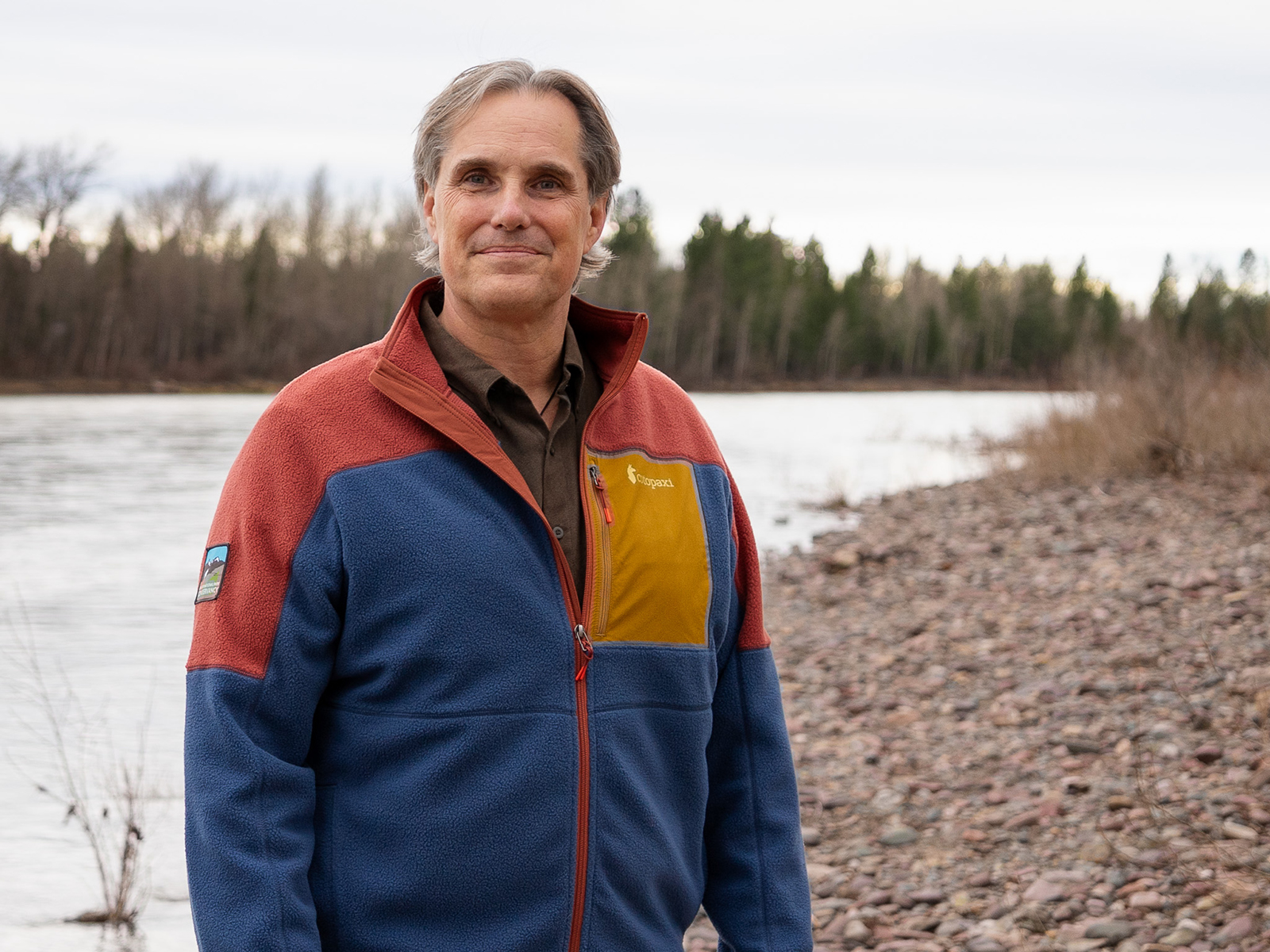
As Glacier National Park braces for another busy summer season, driven by record crowds that continue to set the park’s agenda and define its path forward, the park’s operating budget has remained stuck in the past. Fortunately, Glacier’s longtime fundraising partner is helping the park, and its millions of visitors, keep pace with the future.
For Tagen Vine, the Conservancy’s newly installed director who took up the reins in May, as well as his staff of 20 full-time employees, that future — that of the park and its philanthropic partner — just got brighter.
Perhaps that’s not surprising to anyone familiar with the record of success the Conservancy has demonstrated since 2013, when the Glacier National Park Fund and the Glacier Natural History Association joined forces to create a philanthropic juggernaut, charting a sharp, more unified growth trajectory just as the park’s popularity reached a pivot point. But with the recent departure of former director Doug Mitchell, who led the Conservancy from 2017 until his retirement this year, the vacancy called for the ideal candidate to assume the reins.
Fortunately, the job is tailormade for Vine, a Wisconsin-born migrant from the Midwest whose early bona fides, prior to moving to Kalispell sight-unseen in 1997, included stints slinging food at Canyon Village in Yellowstone National Park and selling climbing equipment at a gear shop on Pearl Street in Boulder Colo.
“I was going to be a park ranger,” Vine said, explaining his degree in resource and recreation management from the University of Wisconsin in Madison, Wisc. “Both of my parents were teachers, and I felt that was how I could make a positive impact. My goal was to get out West and plug into meaningful, mission-driven work.”
Over the past 30 years, since accepting a position with the Boy Scouts of America that landed him in the Flathead Valley, Vine has continued to do just that.
“I sent away for a Chamber of Commerce packet and they mailed it to me,” he says of the decision to move to Montana. “I worked at a climbing shop, so I had access to all the Delorme maps, and I could see all these tight contour lines, a lot of lakes, and a lot of rivers. And that told me about all I needed to know. But what really surprised me, and what continues to surprise me, are the people and the communities they serve.”
Vine brings an immaculate record of service to the Conservancy, as well as an ambition to build on the success of his predecessors.
“I’m inheriting the success that Doug and the Conservancy team have built, and the public, as well as the park’s resources, are benefiting from the positive relationship between the Conservancy staff and the National Park Service,” Vine said. “And I think donors and park leadership will see me as someone who’s going to ensure that the work that’s most essential is going to get funded.”
Before joining the Conservancy, Vine worked for Flathead Valley Community College as chief development officer, and for 16 years as the president of the Kalispell Regional Healthcare Foundation. Before that he was an executive with the Boy Scouts of America in the suburbs of Chicago and in western Montana for 10 years. He also served as a campaign officer at the Billings Clinic Foundation in 2005 before coming back to the Flathead Valley to assume his role as president of the KRH Foundation.
Even though Vine described himself as bedded down in his role at FVCC, the retirement of President Jane Karas, who helmed the school for 25 years, prompted Vine to embrace the prospect of change just as the Conservancy needed a new executive.
“I’ve been a fan of the Glacier National Park Conservancy all the way back to the Glacier Fund Days. I’ve always admired the work they do,” Vine said on a recent weekday morning from his new digs at the Conservancy headquarters in Columbia Falls. “But when I started thinking seriously about the position, I was blown away by the growth of the last 10 years. I was so impressed with the impact it’s made during a time of unprecedented visitor growth at the park. It’s tackled some major challenges and funded some major projects.”
By and large, those projects have been ranked and prioritized by Glacier National Park.
“The park brings us a list of their priority projects for the next year, we spend the year fundraising, and then they put the boots on the ground,” said Andrew Smith, the Conservancy’s associate director of communications and analytics.
“It’s a parks-driven process, which is as it should be,” Vine added. “When they bring us a wish list of projects and we can deliver on all of them, that’s a strong record of success.”
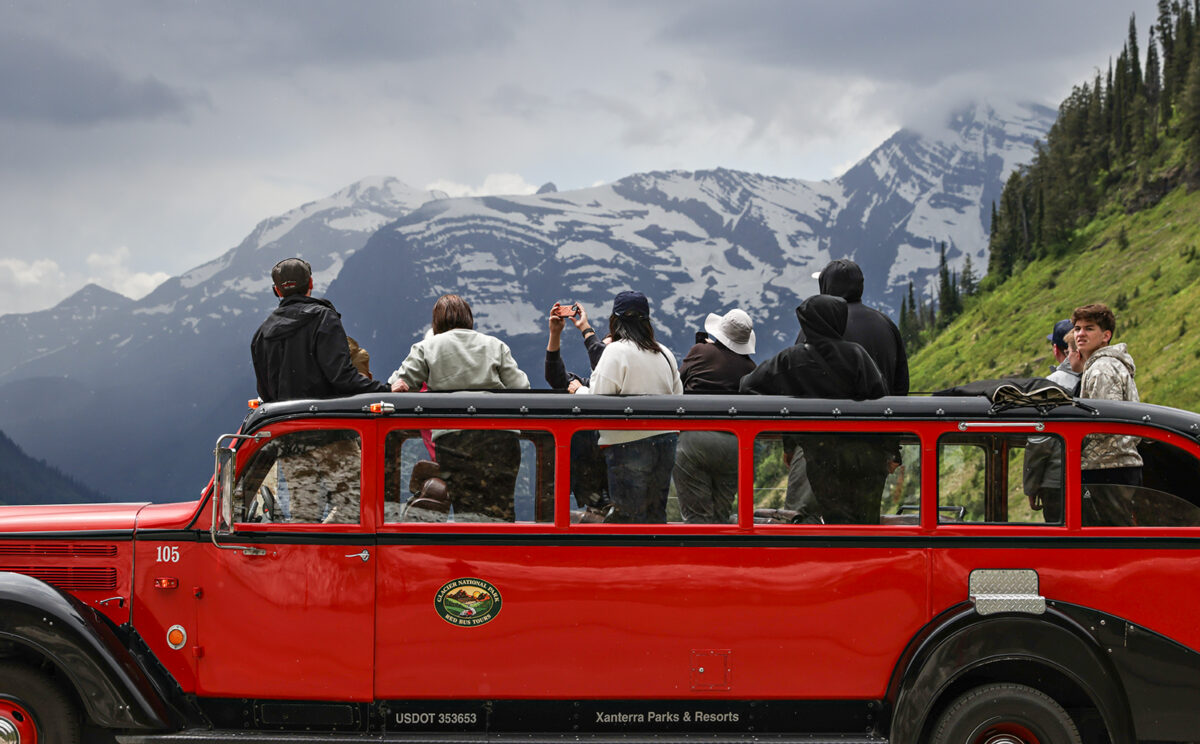
The Glacier National Park Conservancy in 2026 provided the park $4.7 million in grants, amounting to 26.5% of Glacier’s total budget appropriated by Congress. The contributions by the Conservancy, which have grown 292% over the last decade, from $1.2 million in 2015 to its current figure, help fund a range of high-visibility projects, including the park’s entire seasonal wilderness ranger workforce, which in 2025 totaled 32 wilderness and trails positions. According to Conservancy figures, the support allowed rangers to patrol 2,500 miles of trail to educate hikers, protect resources, conduct bear management, and more.
Whereas in 2015, Conservancy grants amounted to an 8.9% share of the park’s overall budget, they now contribute 27% of its overall budget, signaling a 203.4% increase.
The number of park positions receiving Conservancy support climbed to 131 in 2025, more than double than the 60 positions the organization supported in 2015.
The Conservancy’s largest areas of the growth are evident in its retail operations, with revenue growing from $2 million in 2015 to $7.8 million last year, for a 290% increase. During that same time period, its development revenue grew from $1.8 million to $5.5 million, for a 205% increase.
In 2026, Vine said the Conservancy continues to make long-term investments in its three categories of fundraising priority: Wilderness, Wildlife and Wonder. Those projects include the restoration and monitoring of whitebark pine, a keystone species in Glacier’s subalpine ecosystem, and the only plant in the park that is protected under the Endangered Species Act, as well as groundbreaking research on goats, grizzly bears, birds, sheep, fish, pikas, lynx, and more — work that has been inscribed in the pages of national scientific journals, and which directly informs how park officials manage the public resource.
Park administrators and Conservancy leadership said Vine’s experience as chief development officer at FVCC and as president of the Kalispell Regional Healthcare Foundation, where he led major fundraising initiatives, expanded the organization’s philanthropic impact, and cultivated meaningful donor relationships across the Flathead Valley and the broader Montana philanthropic community, will serve him well in his new role, as well as the visiting public.
“Tagen’s depth of experience and proven track record in leading successful fundraising efforts, along with his ability to build strong community partnerships, make him the right leader to advance the Conservancy’s mission. The Board is confident he will strengthen our partnerships, expand our impact, and ensure Glacier National Park continues to receive the philanthropic support it needs and deserves,” Joe Raudabaugh, board chair of the Glacier National Park Conservancy, said.
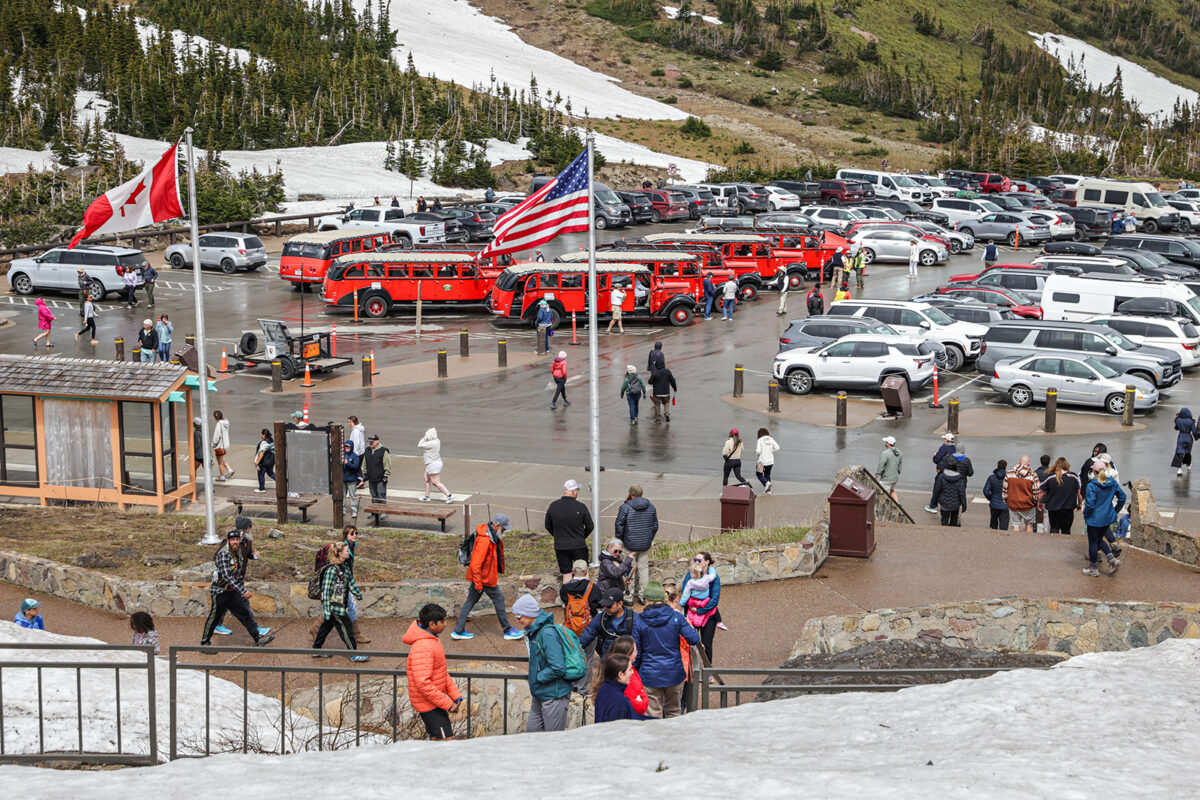
Glacier National Park Superintendent Dave Roemer described the Conservancy as “an indispensable partner in our work to preserve and protect this incredible place.”
Reflecting on a professional career that has allowed him to “wake up every day since college feeling as though I was making a positive impact on the world,” Vine said he’s eager to continue serving his adopted community as a positive force.
“It’s really about the people; the donors who love this place, the people who want to protect this place,” Vine said. “If we can be the conduit to preserving it for generations to come, then what a great opportunity we have and what a great mission we can support. It wasn’t a difficult assignment to get on board with the Conservancy’s mission.”