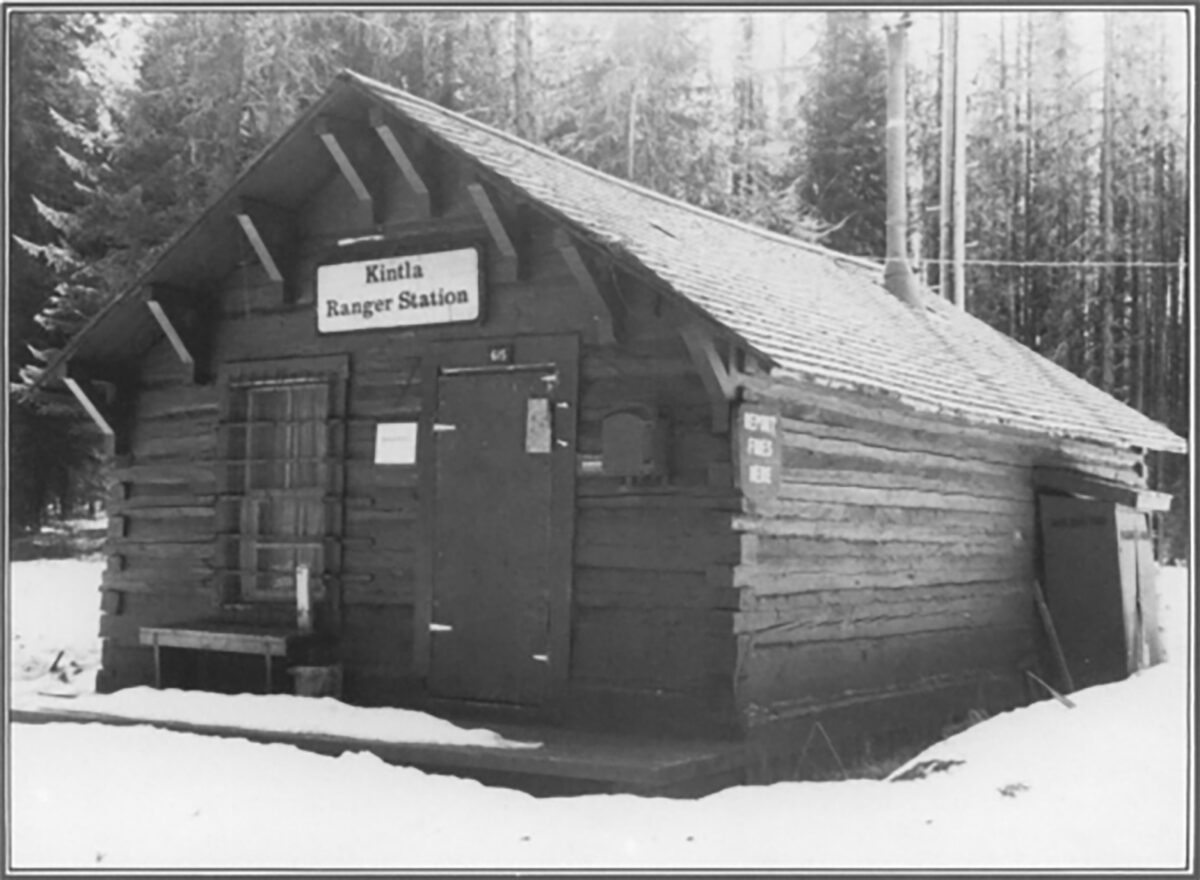
Glacier Park to Plug Historic Oil Well at Kintla Lake
The 125-year-old oil well — Montana's first — was abandoned soon after its establishment. After a recent survey detected leaking gases, the park has determined it needs to be plugged.
By Tristan Scott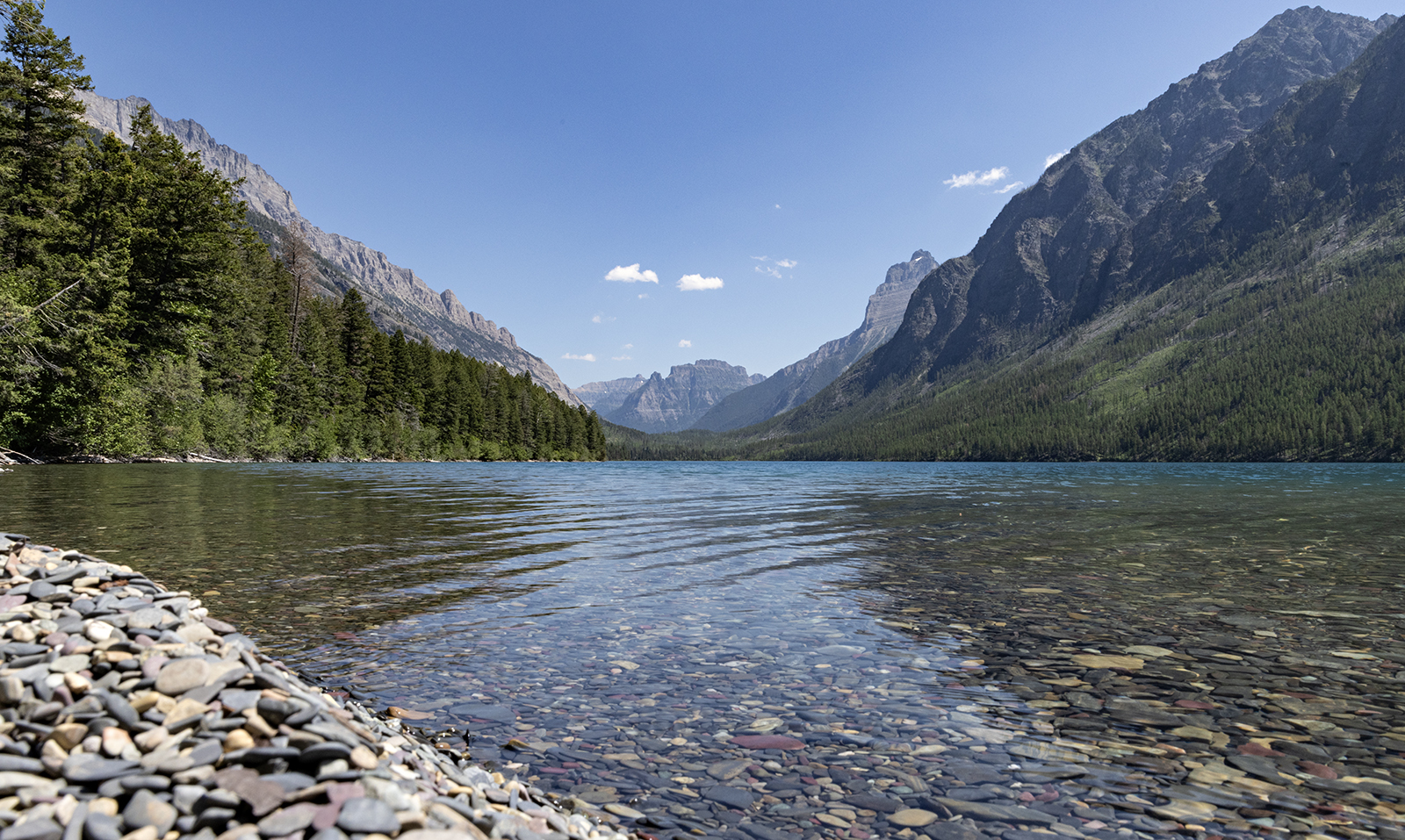
A relic of Glacier National Park’s mining boom, the remains of Montana’s first oil well have endured the passage of time from their sanctum at the head of Kintla Lake since 1901. Following the detection of leaking methane gas in 2023, however, the federal government selected the abandoned well for plugging.
As Glacier’s busy summer season hits its frenetic midpoint, park officials are finally preparing to seal off the well bore later this month, with work slated for completion this fall. The plugging project’s activities will be disruptive to the primitive aesthetic that Kintla Lake affords its visitors, park officials cautioned, but the work is necessary to ensure environmental safety.
Although plugging the well inters one of the last vestigial traces of a bygone era, when resource extraction and industrial settlement defined the American frontier, it also permanently prevents gas from leaking into the atmosphere, contaminating the air and potentially imperiling water quality.
The U.S. Environmental Protection Agency (EPA) considers oil and gas wells and their supporting production equipment to be a significant source of methane emissions and other air pollutants. According to the U.S. Department of the Interior’s Orphaned Wells Program Office, as of 2023 there were 117,672 unplugged orphaned wells in 27 states.
But in the late 19th and early 20th centuries, prior to the creation of Glacier National Park, mining prospectors appraised the one-million-acre wilderness not as the world-famous biosphere reserve that it would eventually become, but as a potential revenue-generating enterprise and a reservoir of valuable subsurface oil and minerals. Soon after the Butte Oil Co. commenced drilling near what is now the wilderness campground at Kintla Lake, they encountered problems that bedeviled them for years to come.
Several months after drilling began in June 1902, the drill stem snapped at a depth of 1,000 feet. Later that summer, more equipment problems plagued the operation. During the winter of 1902-1903, an ignition, supposedly accidental, burned down the derrick, as well as the structure housing the steam engine, its hoists and an adjacent sawmill.
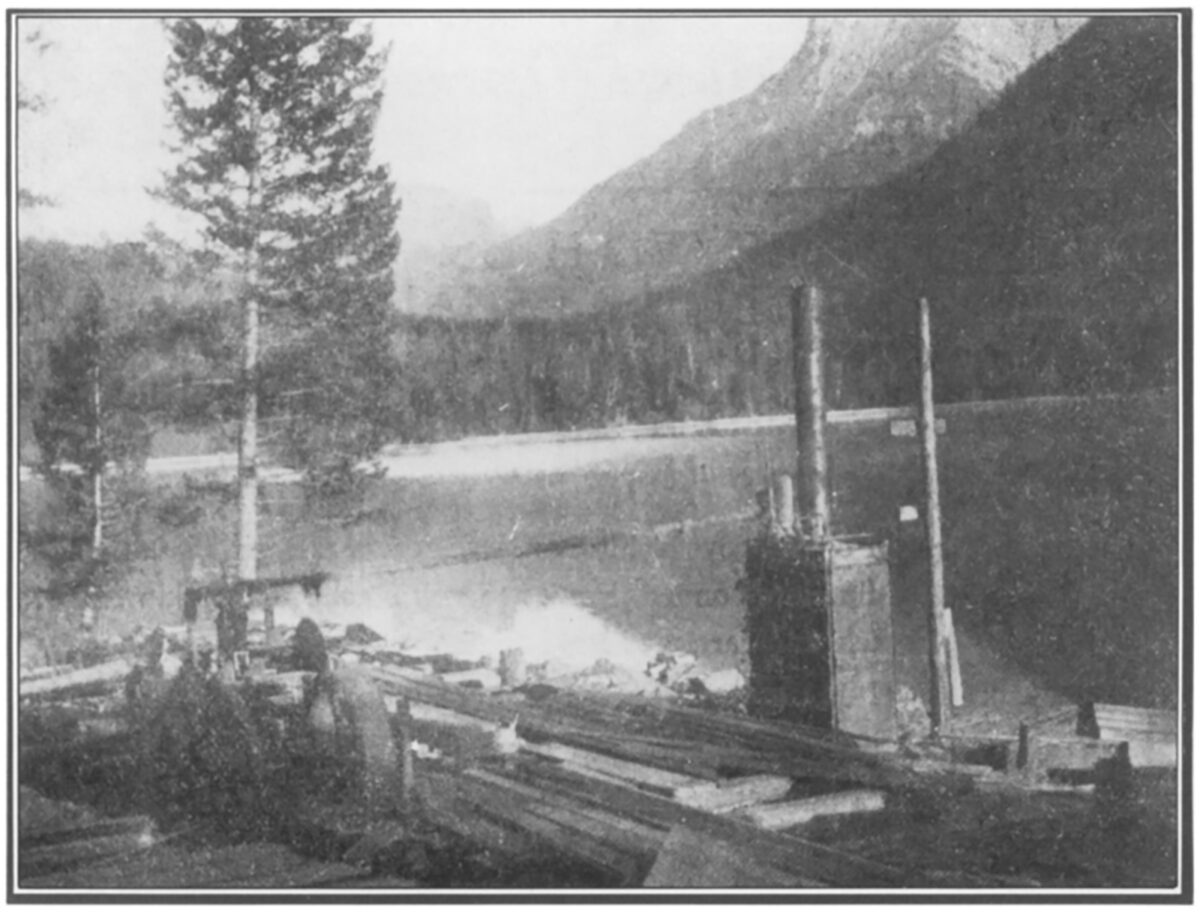
In 1912, following the creation of Glacier National Park in 1910, the Department of the Interior quashed claims of the Butte Oil Company.
At some point in the 1950s or 1960s, according to National Park Service archives, the oil well pipe was cut off below the surface of the ground.
And on July 27, work will finally begin to permanently plug the well.
“Plugging the well is essential to reducing methane leaks, preventing the migration of different geologic formation fluids and chemicals into the lake, minimizing physical hazards, and ensuring adherence to environmental regulations,” according to a Glacier National Park story map detailing the project and the oil well’s history.
The project, which is estimated to be completed in October, will temporarily affect trail and camping access in the Kintla Lake area, park officials said in a July 15 press release. During this time, the use of machinery, drills, boats, and helicopters will occur.
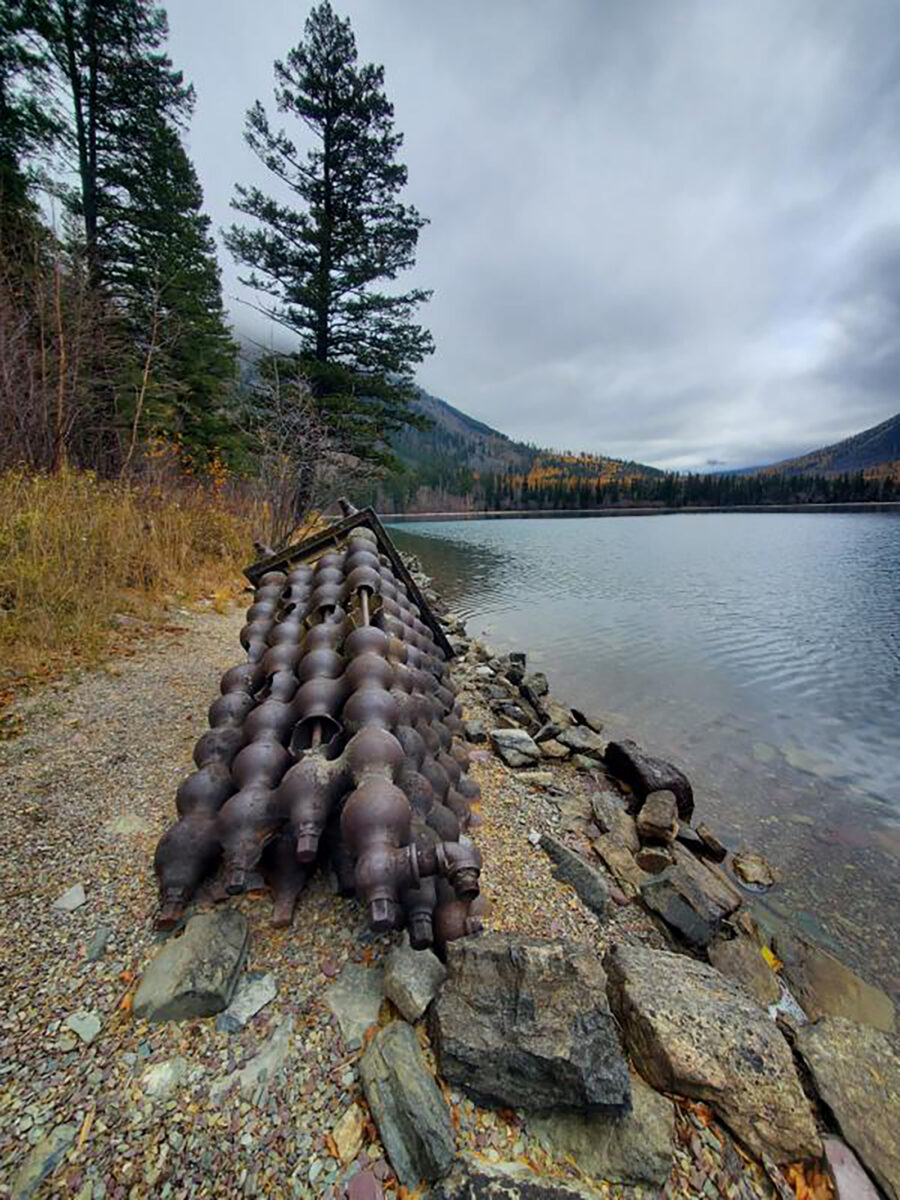
“Plugging this well is a unique process because of the location and the different types of equipment and materials needed,” park officials said.
The Kintla Lake Wilderness Campground is expected to be closed beginning July 27 and continuing through late August to accommodate limited helicopter operations, which are necessary to ferry supplies in and out of the remote project site, located deep in the park’s North Fork area, as well as a month-long period of active construction. Visitors should check Recreation.gov for current availability before planning overnight trips in the area.
The Kintla-Boulder Pass Trail along Kintla Lake will close intermittently during four days of helicopter operations. Initial flights are scheduled for July 27 and July 28 between approximately 8 a.m. and 6 p.m. Two additional days of helicopter operations will occur near the end of the project to remove equipment and materials that cannot be transported by boat. Those dates will be announced when available, park officials said.
The front-country campground at Kintla Lake will be open for first-come, first-served camping during construction.
Visitors should also expect increased construction traffic along the Inside North Fork Road between Polebridge and Kintla Lake. Construction equipment and activities may temporarily affect views and natural sounds around the lake.
The project is being completed through the National Park Service’s Abandoned Mineral Lands program, which addresses historic mining sites and oil and gas well established before lands became part of the National Park System.
For information about the project and history of the Butte Oil Well, visit the park’s story map.