Biologists Investigate New Reports of Brown Trout in Flathead Fisheries
The confirmed detection of the nonnative fish in Ashley Lake, and an angler's reported catch in Church Slough, have renewed warnings against illegal introductions
By Tristan Scott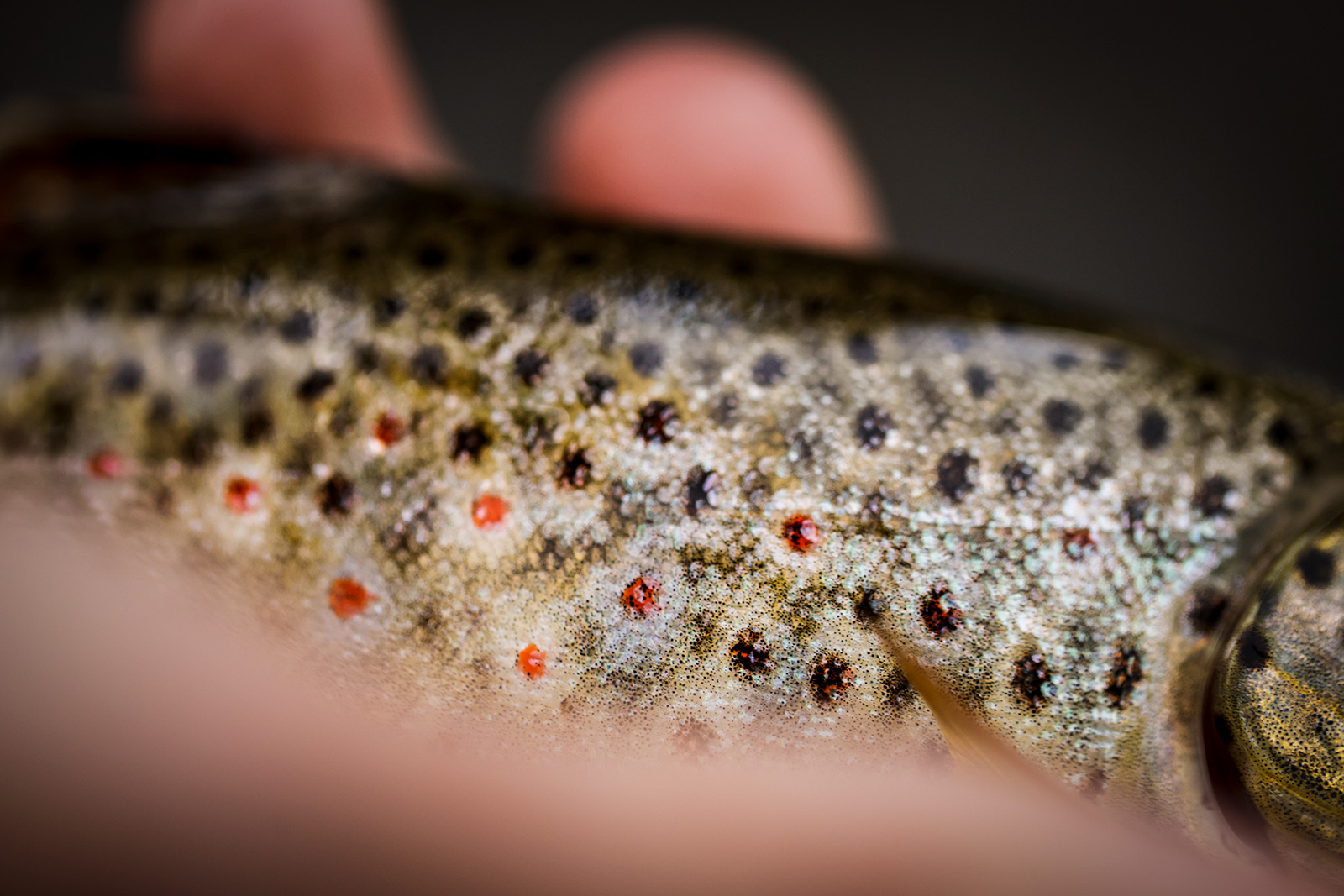
For the second summer in a row, state biologists are intensifying their monitoring for brown trout in the Flathead River basin after reports of the nonnative fish surfaced in Church Slough, while a separate detection was confirmed in Ashley Lake.
Montana Fish, Wildlife and Parks (FWP) in a press release urged anglers to report any additional catches to help with the ongoing monitoring and suppression efforts, which are aimed at preventing a full-blow invasion of brown trout in a river system that has historically circumvented them.
The new report and detection are a reminder of the pressure that introduced species can have on a watershed like the Flathead, which despite its history of aquatic invaders has managed to keep brown trout at bay. One year ago, however, a local fishing guide reported that a client had caught a brown trout on the Flathead River upstream of Pressentine bridge.
“The detection of a brown trout anywhere in the Flathead Drainage is something we take very seriously,” FWP fisheries biologist Kenny Breidinger said in the release. “In Ashley Lake and Church Slough, brown trout will compete for resources with and prey upon other sportfish.”
Even more concerning, Breidinger said, is that both waterbodies provide access for brown trout to spread throughout the Flathead drainage, invading other waterbodies throughout the system.
“This would have substantial negative impacts on the Flathead fisheries,” Breidinger said. “Our goal is to prevent them from becoming established before they have a lasting impact. Anglers are our best partners in that effort, and reporting any brown trout they catch will help us respond quickly and effectively.”
Although brown trout are common on sections of the lower Flathead River below SKQ Dam, the impoundment creates an impenetrable barrier containing the nonnative fish species from spreading through the Flathead River system, which is a headwater basin to the Columbia River system.
The agency’s fisheries biologists hope to gather additional information through word of mouth, and to educate the public about the ways in which invasive species can disrupt aquatic ecosystems by altering food webs, reducing biodiversity and threatening native species critical to Montana’s fisheries.
For instance, brown trout can harm native trout species, such as bull trout and westslope cutthroat trout, by outcompeting them for resources and preying on juvenile fish.
Moving live fish from one waterbody to another is also illegal and can have devastating ecological, recreational and economic impacts.
FWP said anglers who catch a brown trout anywhere in the Flathead drainage upstream of the SKQ dam should kill the fish immediately and report the catch to the FWP Region 1 office at 406-752-5501. Anglers should be prepared to provide the fish, as well as the location and date of the catch, to support ongoing monitoring, according to FWP.
The species can be identified by their golden brown to yellow-brown color, with dark spots often surrounded by lighter halos, and sometimes with red or orange spots. In Ashley Lake or other large waterbodies, these colors may be muted or nonexistent. Brown trout residing in lakes may appear silvery with a dark green back overlayed with large dark spots.
FWP encouraged anglers and the public to remain vigilant and report any sightings or catches of brown trout in Ashley Lake, Church Slough, and anywhere in the Flathead drainage upstream of SKQ Dam “to help protect Flathead’s fisheries.”
Following last year’s report of a brown trout in the Flathead River, FWP deployed eDNA sampling equipment to determine the scope of the invasion, ruling out evidence of a reproducing population.