Whitefish City Council Hears Funding Pitch for Second Fire Station North of Viaduct
Iron Horse Golf Club and HOA representatives and city staff laid out a proposal to fund a second fire station north of the Baker Avenue viaduct. Still in its early stages, the plan would involve a land donation, capital campaign and emergency services bond levy.
By Lauren Frick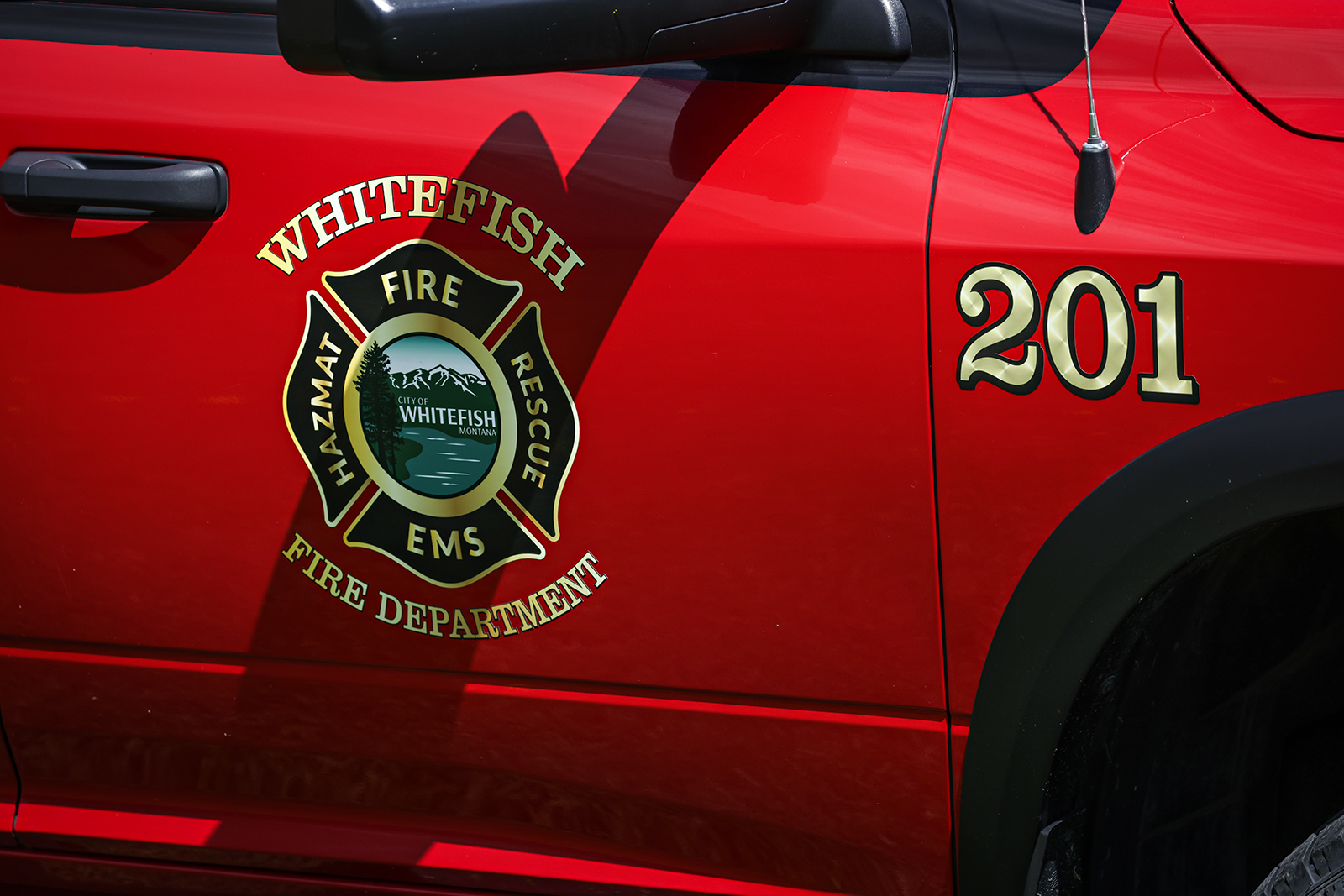
Whitefish city councilors on Monday night got their first look at a joint proposal from city staff, the Iron Horse Golf Club and Iron Horse Homeowners Association to build and provide staffing for a second city-owned fire station north of the Baker Avenue viaduct.
After roughly a year and a half of discussion between the three stakeholders, representatives from each group shared at the city council work session their intent behind the proposed plan, which involves a land donation from the golf course, a capital campaign organized by the HOA and annual funding from the city for 12 full-time firefighters at the station.
Coordination between the private, luxury subdivision, golf course and city staff began in spring 2025 when Fire Chief Cole Hadley and City Manager Dana Meeker were approached by HOA president Scott Sanderude regarding a possible opportunity for the city to utilize a piece of land owned by the HOA or the golf club for a second fire station. City staff determined the ideal location would be the southwest corner of the Iron Horse Golf Club’s property along East Lakeshore Drive.
Sanderude told councilors the matter of a second fire station initially sparked as a response to home insurance availability and affordability struggles that was exacerbated by the city’s fire station relocating further south from downtown. The move left some of their residents more than five road miles from the city’s station — a key factor in determining home insurance premium price and availability.
As the city’s population grows and more visitors descend on Whitefish each year, Sanderude said he and his neighbors feel prolonged emergency response times have triggered a tipping point.
“We first started to get people commenting about the fire insurance piece,” Sanderude said. “Well, now it’s also blossomed into a medical piece. It’s just taking too long to get a response to get up there.”
“It’s a big deal,” he added about the wait time for emergency response. “It’s not the 15 minutes that it used to be.”
City staff concurred with the increased demand being placed on the city’s existing emergency response system, with Hadley saying it further highlights the importance of expanding capacity through another fire station and additional staffing.
“At the time of preparation of this report, the Whitefish Fire Department has experienced a cumulative total of 204 hours, 24 minutes, and 57 seconds since January 1 during which no immediate available emergency response unit was in service due to department resources being committed to other incidents or patient transport,” Hadley told councilors. “We looked today to see where we were on that, and we were at 241 hours. So we went from about eight and a half days when I wrote this report last week, to now 10-plus days that we’ve been without an emergency response at all.”
With increasing reliance on mutual aid to service emergency calls in the city, Sanderude emphasized the situation’s urgency to councilors, saying the time to take the next steps toward adding a fire station north of the viaduct is now.
“It just seems like it’s time for the second fire station,” Sanderude said. “It seems like we have proposed, and I wouldn’t say it’s there yet, but we proposed options to find a way to fund at least the capital piece of it, or most of that.”
The city’s timeline for a second station isn’t too far off Sanderude’s estimation, with Meeker saying the city will need another station in the next decade to keep pace with growth and demand on services. The need for a second fire station has been identified in multiple city planning documents, such as Vision Whitefish 2045, the Whitefish Fire Department Strategic Plan and 2023 Service Area Report and Impact Fee Study, Meeker added.
Meeker made it clear to councilors at Monday’s work session that this is a city issue, not an Iron Horse issue.
“The reality is in 10 years we really should be doing this on our own,” Meeker said. “But the fact that they’re here willing to work with us now to expedite this process, I think is great because we’ve identified land, and now if we can get support through a capital campaign, it’s going to help alleviate the cost that really, truly is the burden of all taxpayers in a typical situation.”
While a need for another fire station was never in debate, the main question for city staff and Iron Horse representatives over the last year has been: Who will foot the bill?
An initial concept drawn up for a second station estimated the building’s cost to be in the range of $7-11 million, although the estimate was based on the current Evergreen Fire Station, which is about 5,000 square feet bigger than what the city will need, Hadley said. The cost will likely be closer to $6-8 million, bringing the total capital needed for the project after equipment purchases to about $10 million, he told councilors.
Sanderude said the HOA will lead a capital campaign — which will aim to draw involvement from all community members, not just HOA members or city residents — with the hopes of raising as much of the needed capital as possible. He said the HOA so far has discussed a target of $6-8 million.
Assuming the land is donated by the Iron Horse Golf Club and most of the capital costs are covered through the capital campaign, the city’s costs for the actual construction of the second station will be limited to impact fees currently on hand at that time. The current impact fee balance is almost $800,000, Meeker said.
“If a funding shortage occurs, we have the impact fees,” Meeker said. “If the capital campaign isn’t successful, we have a [special improvement district] as an opportunity. We could do a special improvement district with a bond, or we could do a voted levy for capital to finish it off.”
Once the fire station is built, however, the city will continue to be on the hook for the costs associated with operating and fully staffing the station, which would be an estimated annual cost of between $1.95 million and $2.25 million if the station is completed in three years, according to city documents. City staff proposed going to voters with a levy to cover the costs.
“We do likely have enough carryover mills to do this without a vote; staff is not recommending that approach,” Meeker said. “I think that this type of big increase … we would go to the voters and put the questions to the voters of, do you want to fund 12 firefighters? It’s a basic emergency services levy where we would have that annual cost covered through a property tax levy that’s been voted.”
Just as a levy could take multiple attempts and isn’t a guaranteed funding source, the capital campaign and land donation from the separate Iron Horse entities also aren’t guaranteed at this point.
Robb Voyles noted there’s still persuading to do for both the land donation and capital fundraising — an endeavor that becomes even trickier with misalignment between Iron Horse Golf Club and HOA membership. Voyles said of the golf club’s 325 members, that only about half live in the subdivision, while a lot of members in the HOA are not members of the golf club.
“When we were approached about doing this, we were open to it and continue to be excited about the opportunity, but we are giving up a very valuable piece of property for us. We had plans for that entire section of our club at some point in the future, and giving up this Frontage Road piece is a substantial give for us. I think we’ve come to grips with doing that, but there’s a little bit of a chicken and egg thing here in a bunch of different respects.”
“We don’t want to deed away our land unless we’re confident that this is going to be built and that it’s going to be operated,” he added.
Toward the end of the Iron Horse and city staff presentation, Councilor Ben Davis inquired about what will likely be one of the project’s greatest obstacles, especially regarding an emergency services levy: How do you get residents south of the viaduct to support the additional fire station?
“The problem that I’m going to have as a community representative is, I’ve got to go to the people that live on the other part of town and explain why the increase in future property tax costs, a 60% increase in FTE, benefits them,” Davis said. “I’m just wondering what’s the best answer to that because that’s going to be a hard question that people are going to ask.”
Deputy Fire Chief Will Pederson provided a simple answer: “It deepens the bench.”
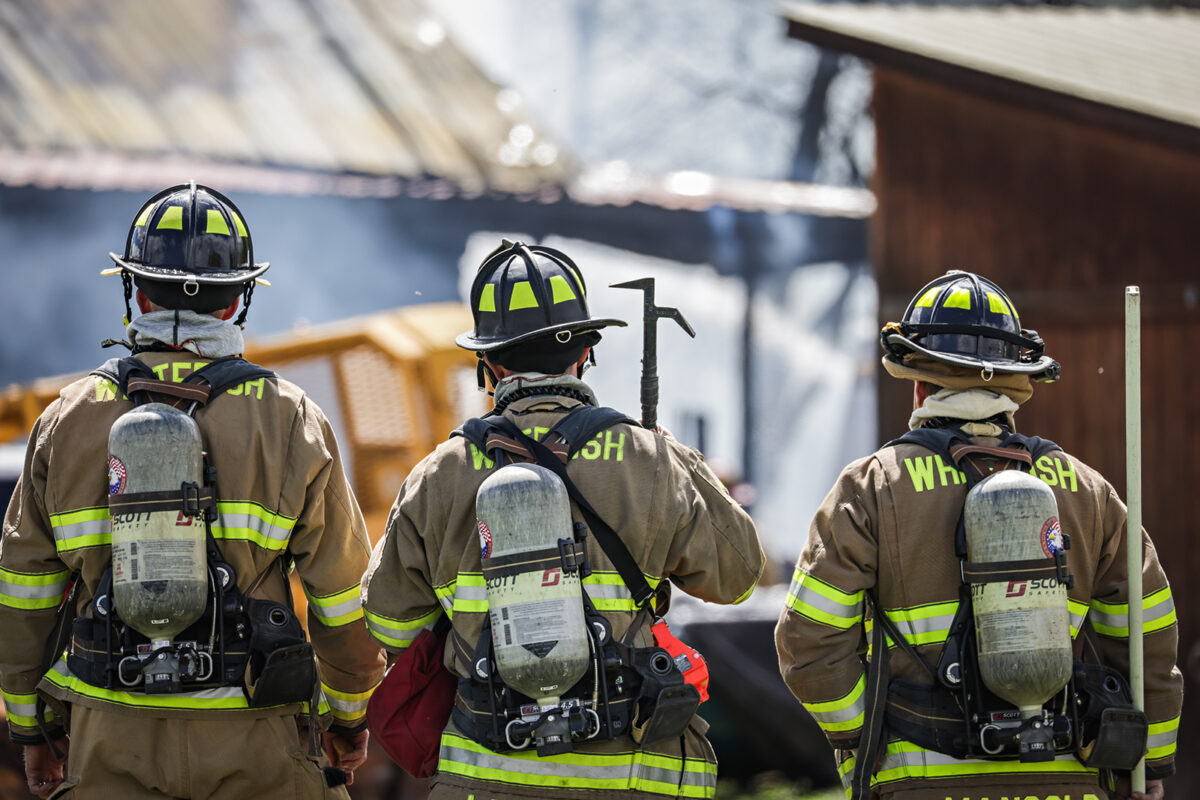
With the city’s fire department reliance on mutual aid even farther away, and its current struggle to meet industry standards for response times, increasing the city’s total full-time fire personnel and paramedic personnel — who can respond to anywhere in the city — from 18 to 30 will mean an increase in service for the whole city, not just those living north of the viaduct, he added.
“They’re going to see a benefit because when they do call 911, there is a greater chance that there’s going to be availability for a fire engine or an ambulance to show up that says Whitefish Fire on the side of it,” Pederson said.
The city council will continue discussion on the addition of a second fire station at its next regular meeting on Aug. 3, councilors decided at the close of the work session.