Flathead Lake Bio Station Director Jim Elser Sets His Sights on Retirement
Elser has helmed the 127-year-old station for just over a decade, boosting the station’s educational programming and staffing while advancing research and safeguarding the station’s long-term monitoring program
By Zoë Buhrmaster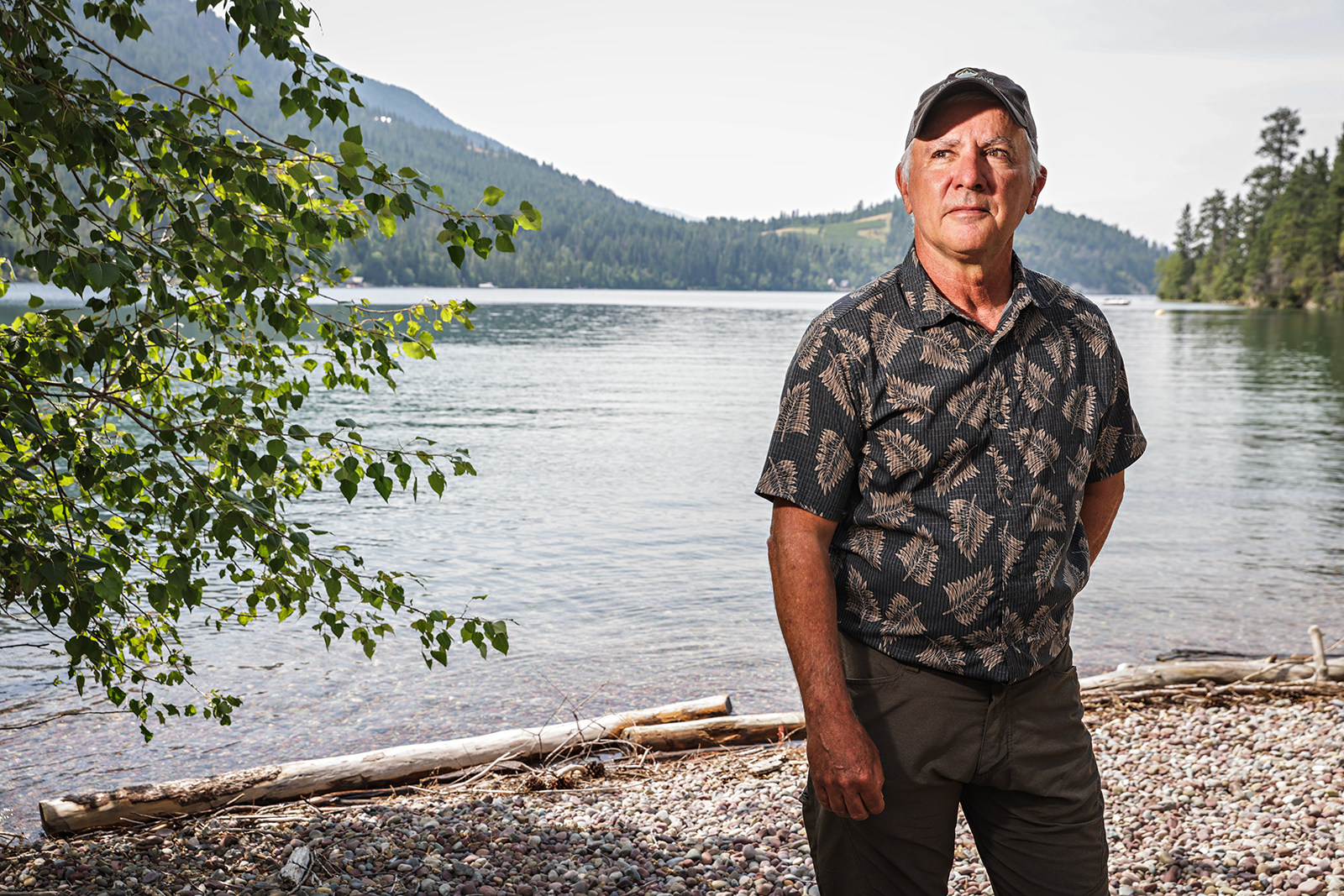
As a biology undergraduate at the University of Notre Dame in Indiana, Jim Elser was looking for direction when he joined a monthlong field ecology class at the university’s environmental research station. There he discovered limnology, the study of inland aquatic ecosystems.
“You could sort of make a living by being on a lake all the time, doing science on a lake,” Elser said. “That was pretty good.”
He pursued a master’s degree and ultimately a doctorate in ecology, focusing on nutrient interactions in lakes under the mentorship of renowned lake ecologist Charles Goldman. He traveled, studying lakes in Ontario, Canada; Patagonia and the Arctic; Norway and China; and desert springs in Mexico’s Chihuahuan Desert. He became known for his work in the theory of ecological stoichiometry, the study of the balance of energy and chemical elements in ecological systems, and focused on phosphorous sustainability projects.
For 26 years, he taught at Arizona State University, where, he joked, the limited access to freshwater sources made him resourceful.
“I always told my friend from Minnesota, ‘any wimp could be a limnologist in Minnesota. You’ve got to be tough to be a limnologist in Arizona,’” he laughed. “On the flip side, there’s probably nowhere where knowing about water is more important than in the desert, where every drop is very important.”
Eventually he set his eyes on the Flathead Lake Biological Station, one of the oldest active biological field research stations in the United States. He periodically checked the station’s website to see when Jack Stanford, the director since 1980 who elevated the facility’s reputation as a prominent research center, might announce his retirement. That day came in 2015, and Elser moved from the desert to the Flathead Lake water basin to take on his dream role.
Now, after a decade helming the 127-year-old bio station, Elser is preparing to step down from his role later this year.
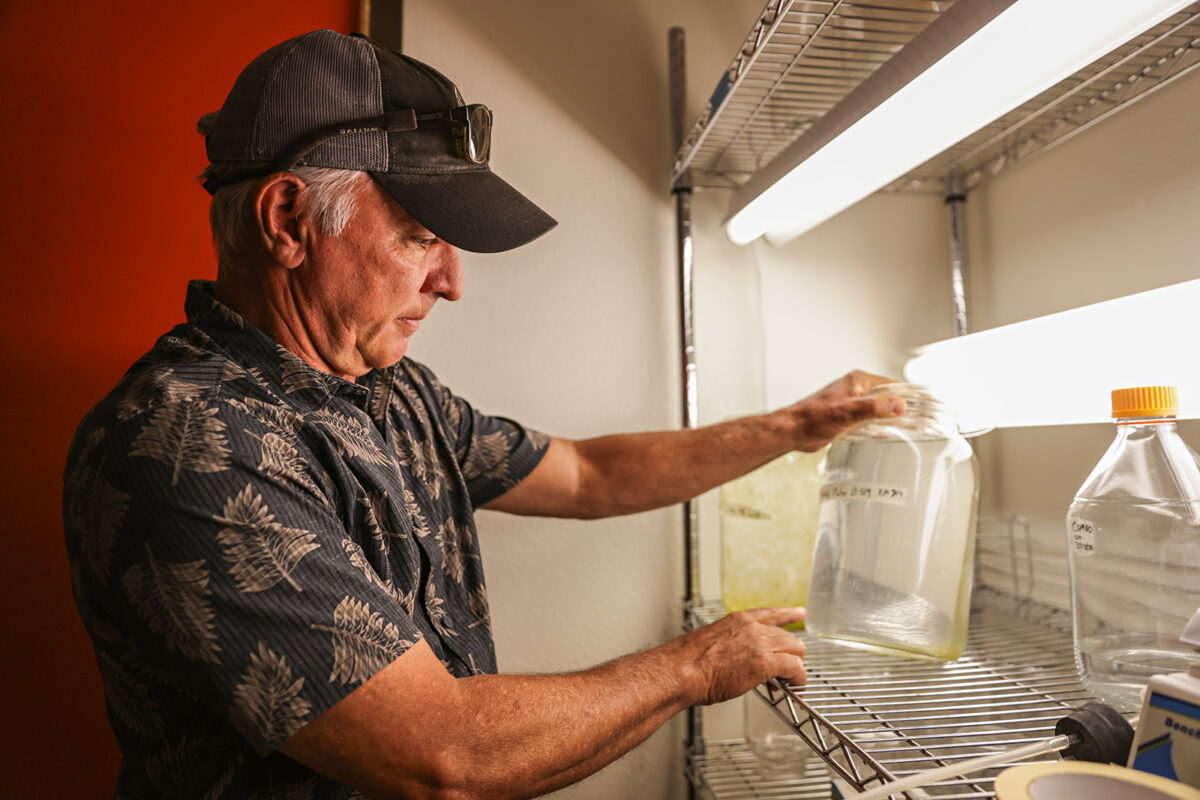
During his tenure, Elser oversaw groundbreaking new research while growing the bio station’s staff and programming, in part by negotiating with the University of Montana to hire new full-time faculty members. Prior to that, the director had been the only tenured position, with other staff pursuing grants, philanthropic dollars and other funds to support their research. The station now has four tenure-track faculty members.
The additional long-term staff boosted the bio station’s summer sessions and teaching capacity, training graduate students and aiding in research. Tenured staffers were able to focus on public outreach and educational programming, which Elser’s wife Monica Elser, helped build out. The two had met during their undergrad studies at Notre Dame and, sharing a love of lakes, had followed similar educational tracks, with Monica moving out of research and into science education.
At the bio station, she developed the station’s first K-12 programming with philanthropic support. Starting in 2016 with the help of another staffer, Elser said the goal was that every kid who grew up in the Flathead Valley would come through the bio station at least once before they graduated from high school. Since the program’s origins, the bio station has hosted around 20,000 kids from the Flathead Valley, and many now raise their hands when asked whether they’ve visited the bio station before.
“I had to wait until college to discover zooplankton,” Elser said. “They get to discover it while they’re in grade school … To get to look through microscopes and see living things swimming around in there, it’s pretty amazing.”
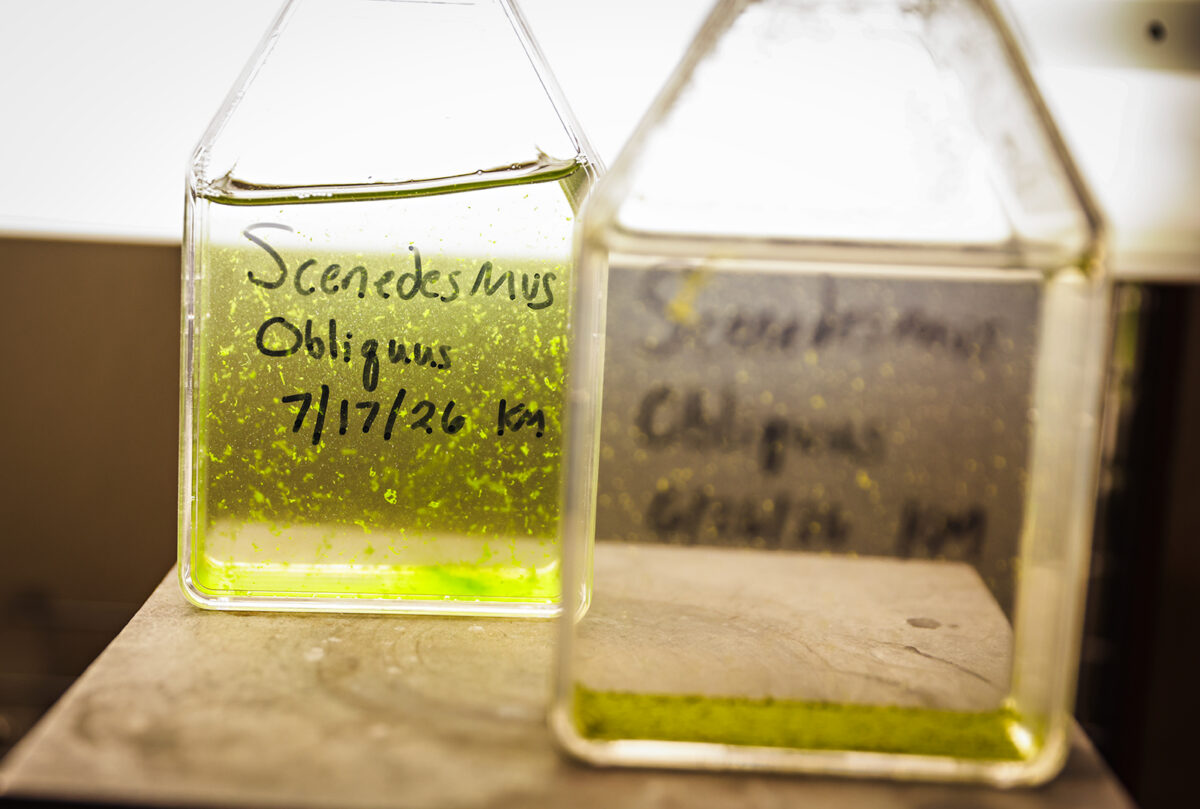
Meanwhile, Elser continued to oversee the bio station’s long-term Flathead Lake monitoring program, publishing the station’s 40-year nutrient and chemistry data set and partnering on various research projects. In 2019, he was elected to the prestigious National Academy of Sciences in recognition of his scientific accomplishments.
Research projects out of the station have explored the gamut, including a study on the impact of subsurface snow algae on snow melt and a current project documenting the new, unnamed glacial lakes that have formed in Glacier National Park with melting glaciers.
“When Jim and I first started working on a snow algae project together, I was still a bit early in my career, which can sometimes lead to a weird imbalance in dynamics or power,” Trinity Hamilton, a fellow researcher and current associate professor at the University of Minnesota, recalled. “I never felt this with Jim, though; our project was always genuinely collaborative.”
To understand whether subsurface snow algae accelerated snow melt, the research team collected more than 300 snow samples from six states across the western U.S., collaborating with undergraduates, summer interns, postdocs, and field station researchers.
“One thing that stuck with me from Jim, he has this approach of ‘fail fast,’ which is really good advice — figure out what works, but more importantly, what does not work, don’t be afraid to try and be okay being wrong,” she said. “We did just that. We tried things that did not work, then we brainstormed — typically with a salty snack and cold beverage — until an improved approach came to us.”
Onno Wieringa has served with Elser on a variety of local boards, including the Flathead Basin Commission and Upper Columbia Conservation Commission, and subsequently the joint Western Montana Conservation Commission. He depicted Elser as a mentor figure and lauded his stature as a down-to-earth conversationalist despite his academic successes. He also pointed to the work Monica has done alongside him at the bio station.
“The bio station has a pretty specific mission, and Jim was able to expand their mission quite a bit,” Wieringa said.
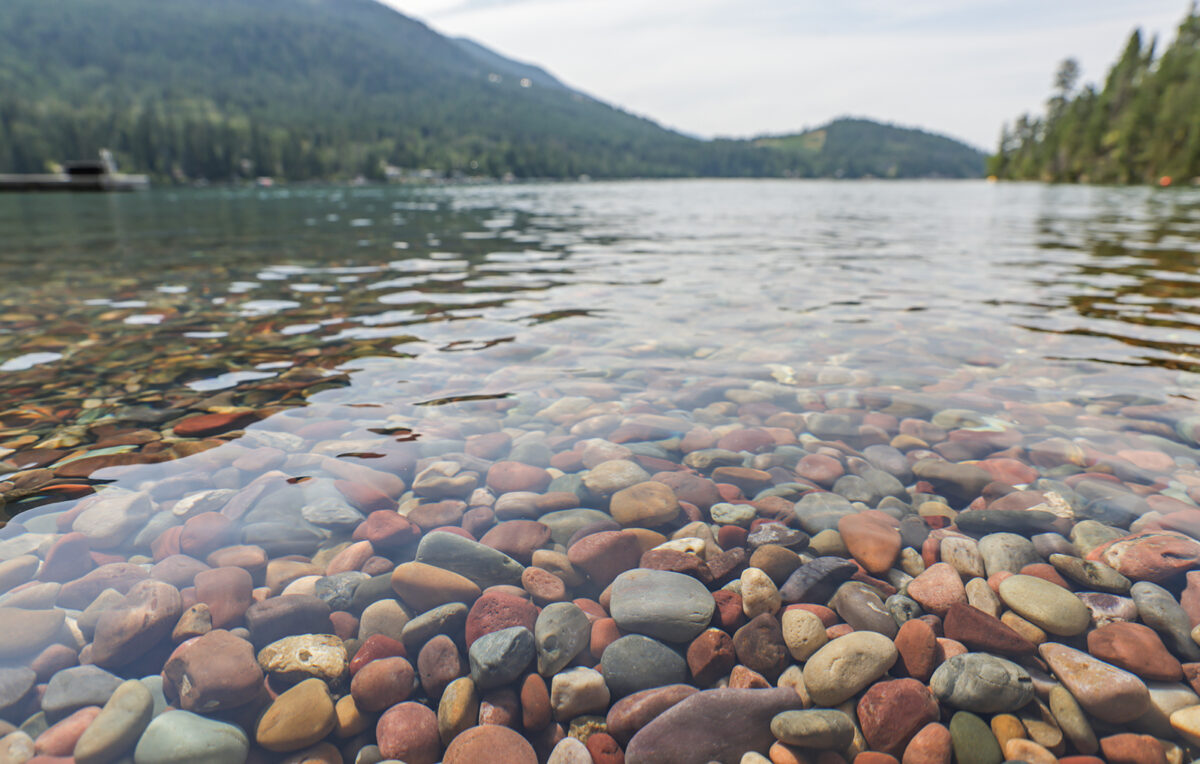
Since its establishment in 1899, the Flathead Lake Bio Station has served as the lake’s sentinel. An independent arm of the University of Montana, the station is relatively small for its outsized reputation in the world of biological research. Since its inception 127 years ago, the station has only had seven directors including Elser.
Still, bio station scientists have led the Flathead Basin in developing an aquatic invasive species working group and detecting the Flathead Lake’s first lake-wide algae bloom, helping to ban the sale of phosphorous-containing detergents. All the while, they’ve provided consistent monitoring of what is still considered one of the cleanest large lakes in the world.
“There are bio stations that are bigger institutions, with lots more money,” said Lana Betts, one of the bio station’s community advisory board members. “Man, this little engine that could is doing a lot.”
That work has culminated in an overwhelming sense of community trust in the station as a reliable resource in the Flathead watershed, which, despite his awareness of the station’s reputation, surprised Elser. He described fielding questions and calls from the public asking about a range of local issues and what the station might know about them.
“You see it play out and there’s a lot going on,” Elser said. He referenced scrutiny on Flathead Lake water levels in past years, the ongoing development of Lakeside’s new wastewater treatment plant, and the possibility of the Bigfork dam being removed. “People are tuned in, they really want to know, which is a good thing I think,” Elser said. “I think it’s just true about Montana in general.”
“People are very outdoor oriented, they want to know about natural resources, they want to know about access, they want to know about how the rivers are doing,” he added.
He recalled a survey a few years back which rated the bio station as the most trusted source of information about water in the Flathead Basin.
“It’s a pretty big deal and a pretty big responsibility, but I think people here have always operated with a high sense of transparency and integrity to earn that trust,” Elser said. “Hopefully we can keep being worthy of it.”
Elser said he plans to continue writing papers and spending time on lakes as he and Monica move to be near family. The search for a successor is underway, which Elser said he hopes to have finalized by the end of October. He plans to step down at the end of 2026.