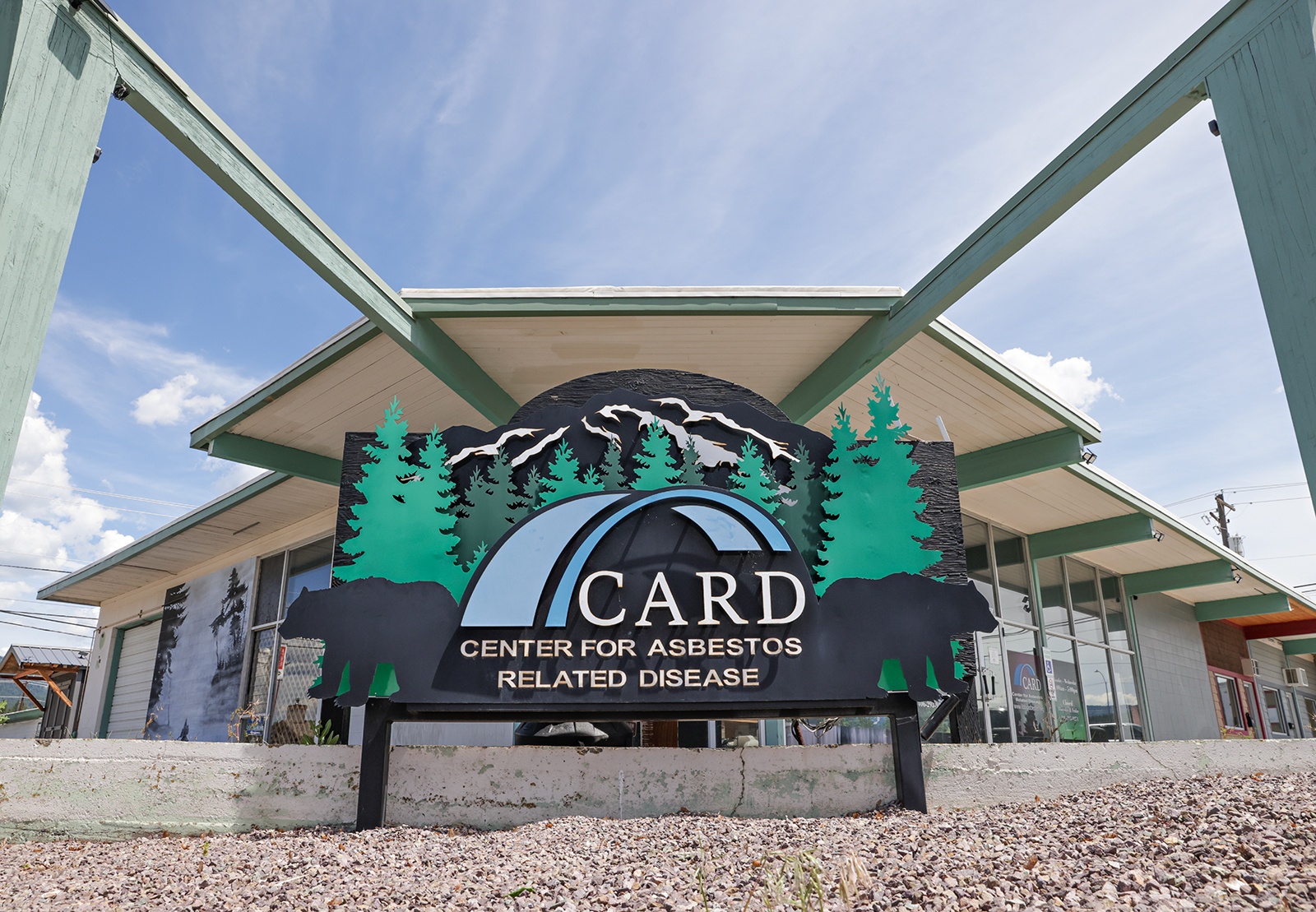
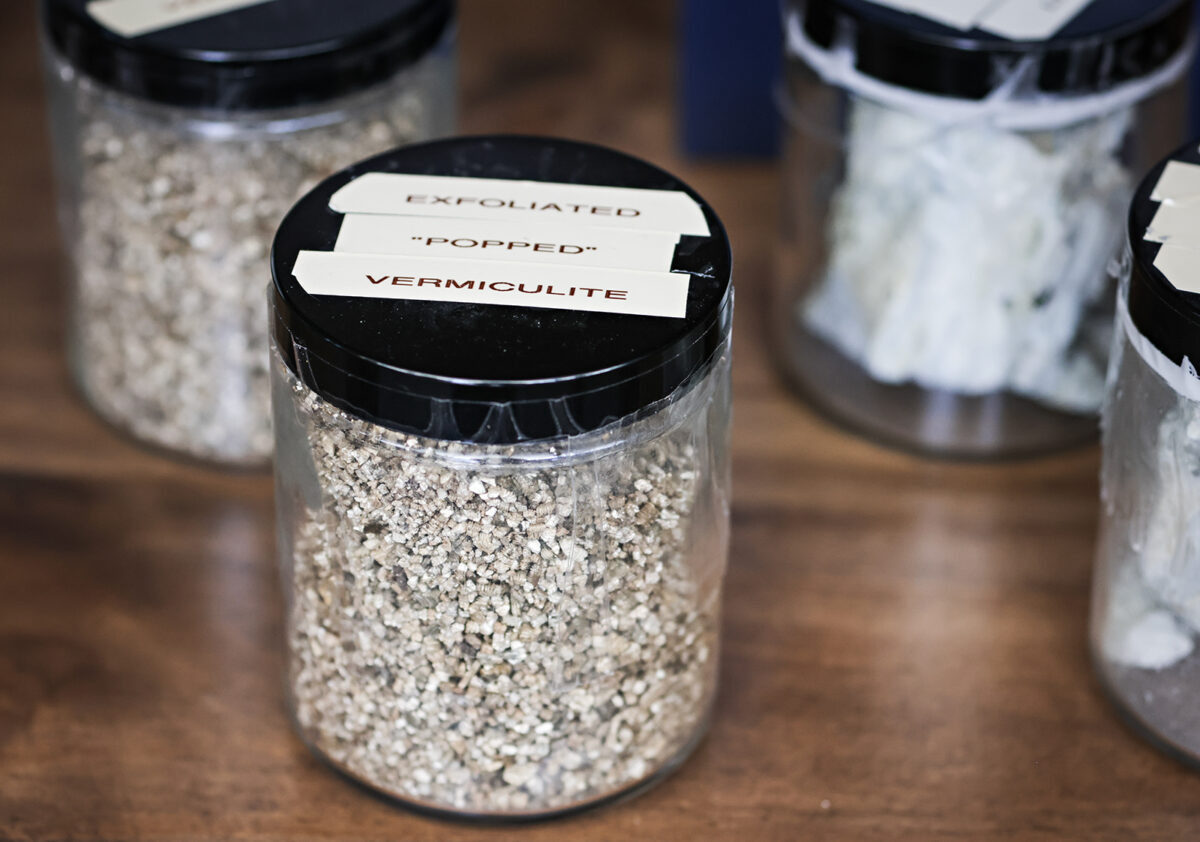
Libby’s health care center dedicated to the town’s unique form of asbestos shuttered its doors abruptly Monday, three weeks ahead of the clinic’s planned closure date. Since the early 2000s the Center for Asbestos Related Disease, known as the CARD clinic, provided patient services and research about the effects of asbestos exposure in Libby, where asbestos-laden vermiculite turned the small mountain town into one of the worst public health crises in U.S. history.
In June, the Center for Disease Control and Prevention (CDC) announced it would not renew the $3 million federal grant that kept the clinic’s doors open, as the award was no longer “consistent with the agency’s priorities.” Staff continued to provide patient services, including asbestos health screenings, lung cancer screenings, case management, outreach and education, preparing for the grant’s expiration at the end of August. Staff also worked with patients and their primary care providers to share patients’ medical records before September.
But a delay in federal grant funds prompted an early closure, the clinic’s Executive Director Tracy McNew said. The federal grant provides the clinic with its funding through a reimbursement schedule. Waiting to receive refunds for recent expenses, and unsure of when the next reimbursement would hit the clinic’s bank account, staff permanently closed the clinic on Aug. 10. The clinic also briefly closed earlier this year due to delayed reimbursements.
Some of the clinic’s property is already in the possession of BNSF Railway after a July 30 order permitted the railway to take possession of assets seized last year. The rest of the clinic’s assets are anticipated to go to BNSF in September to help satisfy the clinic’s pending debt to the railway. The clinic owes BNSF after a lawsuit brought by the railway found the clinic liable for 337 false Medicare claims in 2023 based on a definition of diagnosis.
Although the clinic has provided 15,000 screenings for new and returning patients since 2011, the headwinds generated by the multi-million-dollar judgment and the terminated grant money proved too difficult to overcome, leaving scores of Libby residents without a local resource to help detect and treat asbestos-related disease.
Raised in Libby, Kelly O’Brien and many of his family members have been diagnosed with asbestos-related disease. With a screening at the clinic detecting questionable nodules on O’Brien’s lungs earlier this year, he’s currently waiting for further testing to determine whether the nodules might be cancerous. With the clinic’s closure, he has an appointment scheduled for November in Kalispell.
“If CARD was still available, I would have had it already and a possible treatment plan if needed,” O’Brien said.
The CDC has published a request for information for programs interested in taking on the asbestos screening program. How long a coverage gap may exist between the closure of the CARD clinic and the opening of another screening program is unknown, however. Steve Gunderson, a Libby resident with asbestos-related disease who is running for a state senate seat to represent Lincoln County, said Wednesday “a small group of concerned individuals” have begun crafting plans for a new organization “dedicated to asbestos-related care, research, education, innovation, and advocacy.”
“Patients still need support, families still need answers, and communities across the country can learn from Libby’s experience,” Gunderson said. “Libby’s story is not over, it can become a story of continued care, expanded research, expanded knowledge, and lasting change.”
Patients who still need access to their medical records are encouraged to call the clinic’s phone number 406-293-9274 and leave a voicemail with their full name, date of birth, current mailing address, and a callback number. With the clinic’s early shuttering, staff are preserving contact information as they wait for further guidance from governmental agencies and legal counsel on how to handle medical records requests during the transition. For any medical questions, patients are encouraged to contact their primary care providers.
“We are incredibly grateful for the trust and support our patients and community have shown CARD over the years. It has truly been an honor to serve our patients, their families, and the Libby community,” staff wrote in a Facebook post announcing the closure. “Thank you for allowing us to be a part of your care and your community.”