Increased Wildfire Activity Degrades Northwest Montana Air Quality
Hot, dry and windy conditions are forecast through the end of the week as local and regional wildfires blow smoke back into the Flathead Valley
By Maggie Dresser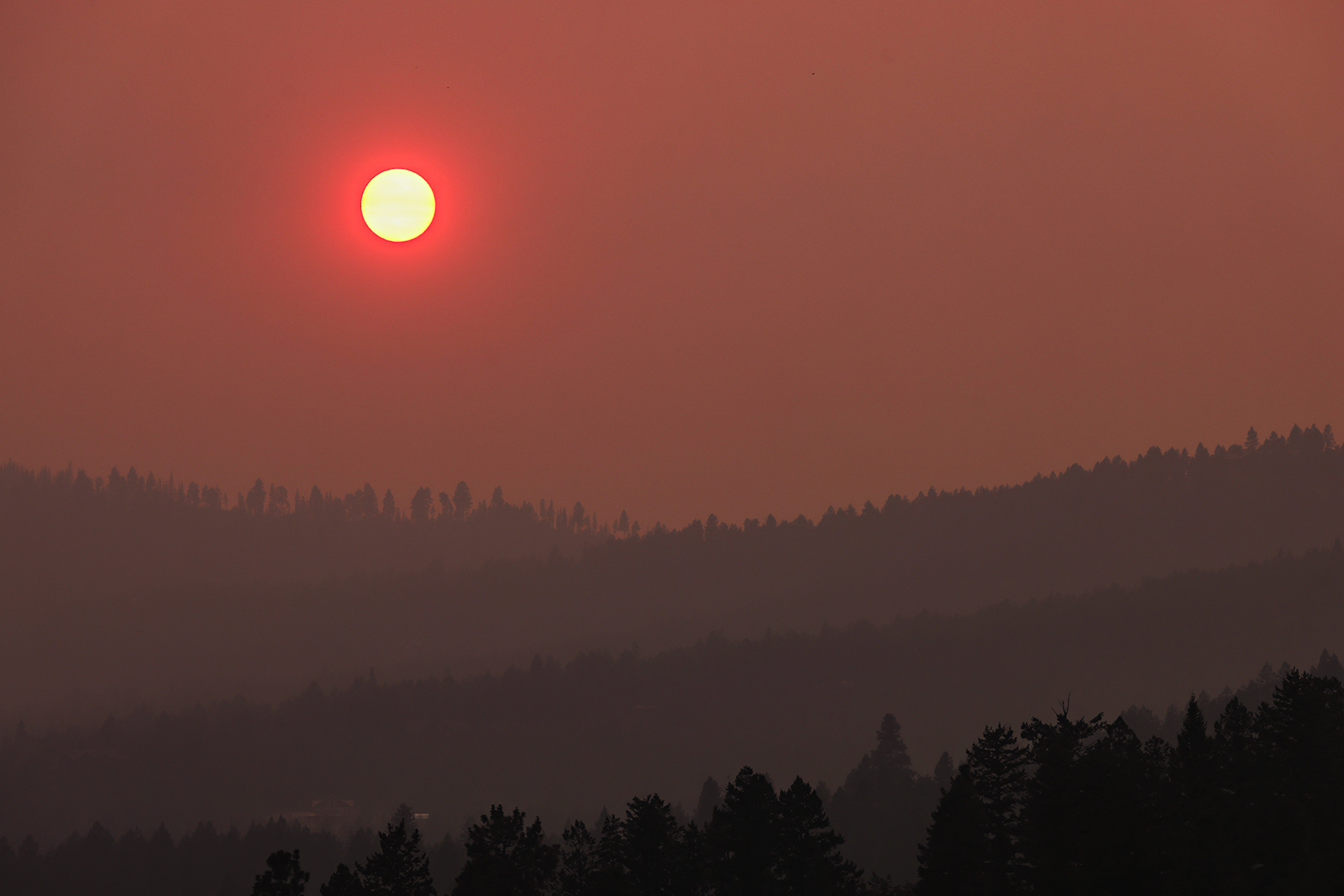
Following a brief reprieve, hot temperatures and persistent westerly winds have increased fire activity in the Pacific Northwest and locally, blowing smoke back into Montana over the last 24 hours as air quality deteriorates, according to the Montana Department of Environmental Quality (DEQ).
Inversions are expected to pool smoke in the valleys overnight and worsen air quality while breezy afternoon conditions will improve surface air quality and stoke fire growth. High pressure will continue over the Northern Rockies with hot and dry conditions remaining through the end of the week, according to the National Weather Service.
Wildfire activity has kicked up in Oregon, Washington, Idaho and British Columbia while local fires in southwest Montana’s Pioneer Mountains continue to grow. The Bobcat Lakes Fire has burned nearly 10,000 acres while the Sand Creek Fire has burned more than 30,000 acres.
The Skillet Fire, which is located 15 miles west of Olney and was ignited by lightning on July 29, is currently 3,369 acres and is at 82% containment. Weather conditions caused the fire to grow by 5 acres since yesterday as the fire smolders, according to an Aug. 20 Flathead National Forest update.
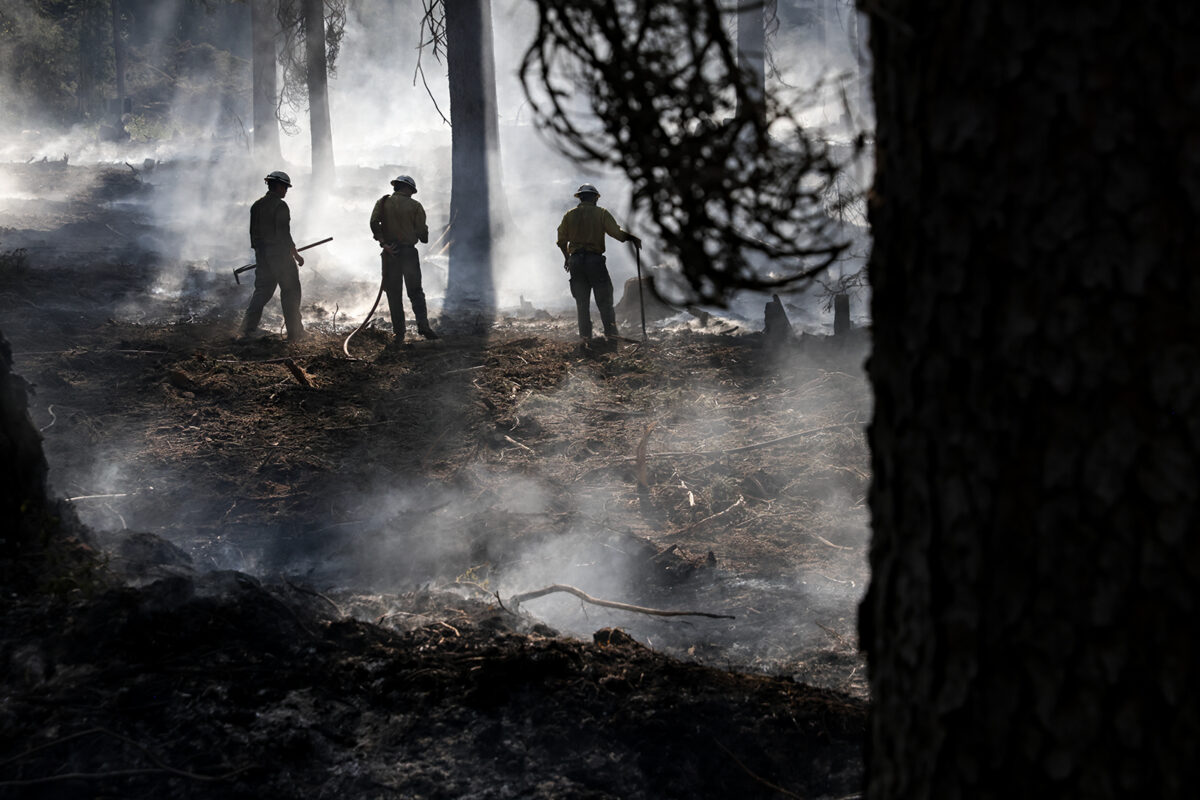
Firefighters continue to improve and strengthen control lines, patrolling and cooling hot spots along the perimeter. As crews mop up accessible areas, they’re focusing on areas of patchy, unburned debris within the fire. The Unmanned Aerial System (UAS) confirmed the hot spots are primarily far from containment lines and burning in heavy slash.
On the southeast section of the blaze, firefighters will continue to lay hose along the edge while heavy equipment operators and firefighters remove slash along fire lines, fuel breaks and roadways that were used for confinement.
The Great Basin Incident Management Team 7 on Aug. 17 began the process of transitioning management to the local Type 3 team after cool, wet weather led to a decrease in fire activity last week. But as fire activity is expected to increase this week, resources will be available to respond to new fire in the area along with aircraft from local units.
Closure orders for the Flathead and Kootenai national forests remain in effect to provide public and firefighter safety ensuring ongoing fire suppression and repair activities associated with the Skillet Fire. A security checkpoint will remain in place to ensure that only residents and property owners are allowed access into the closed area. The closure includes roads, trailheads, trails, day-use areas and campgrounds.