Glacier National Park Closes St. Mary Campground to Tent Camping Amid Increased Bear Activity
Park officials on Friday also temporarily closed a portion of the Highline Trail until they could remove an animal carcass and issued alerts at the Goat Haunt shelter and Gunsight Pass trail
By Jules Lingenfelter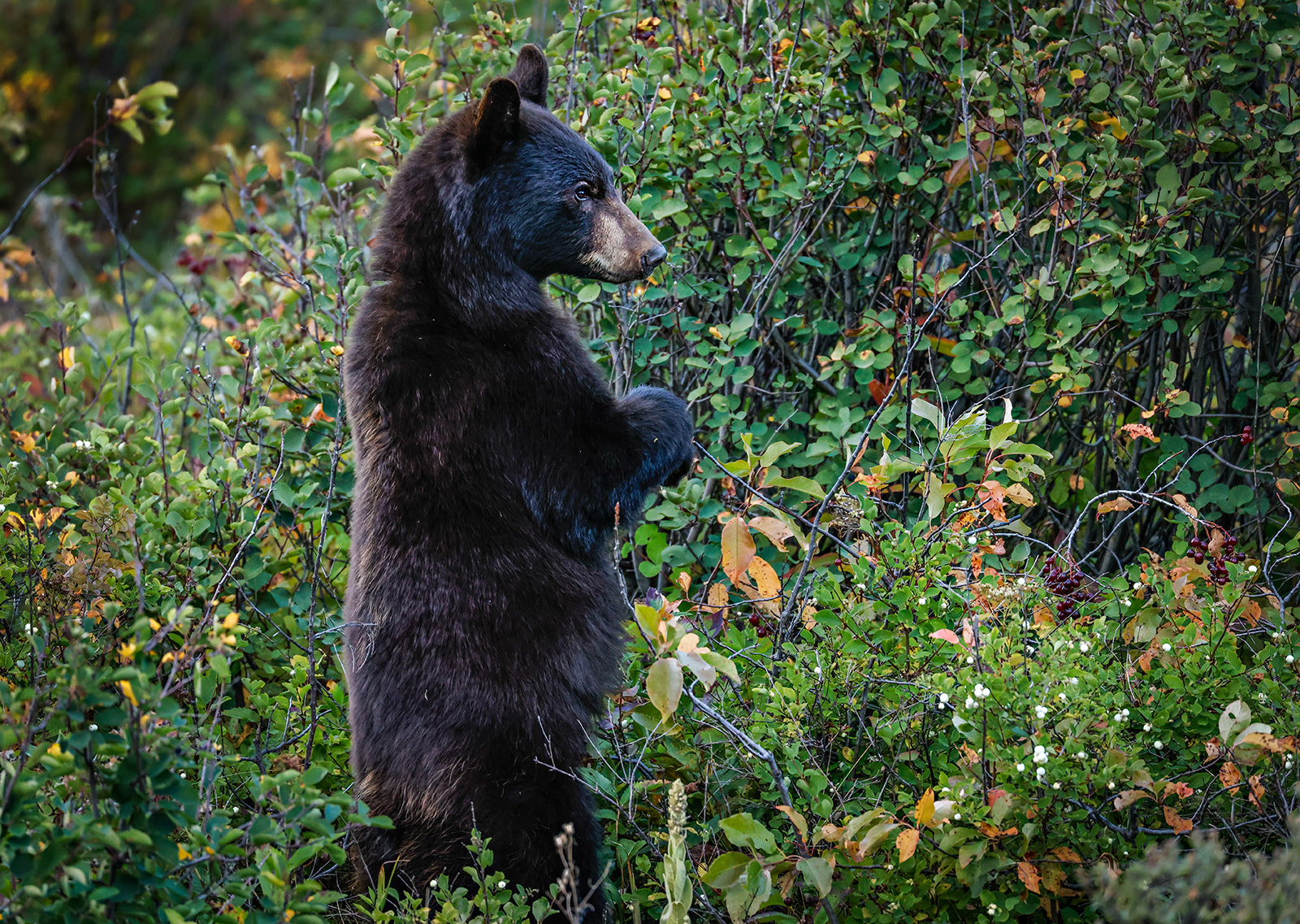
As bear activity ramps up heading into fall, Glacier National Park officials have issued a series of closures and warnings at several of their most popular sites, including cordoning off a 7-mile segment of the Highline Trail on Friday and restricting tent camping at St. Mary Campground.
On Aug. 21, the park announced that the Highline Trail is temporarily closed between Logan Pass and Grinnell Glacier due to bear activity. The closure is expected to last several hours while the park removes a carcass on the trail, which poses a risk of attracting bears.
Visitors were also alerted to bears frequenting the Goat Haunt Shelters and the Gunsight Pass Trail between Reynolds Creek and Gunsight Pass.
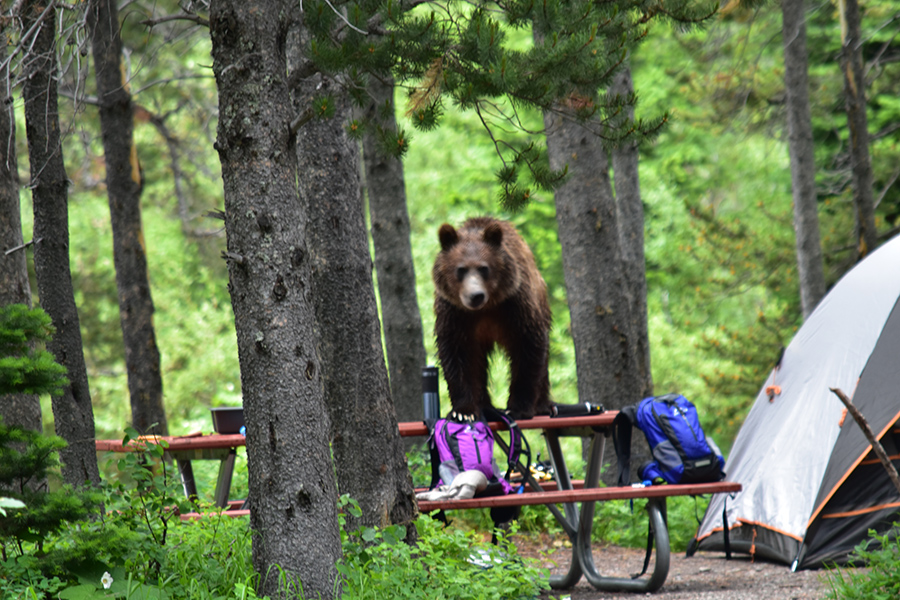
Earlier in the week, park officials announced they were closing St. Mary Campground indefinitely to soft-sided camping — tents, sleeping hammocks and soft-sided campers — due to bear activity in the area. RVs and hard-sided units are still allowed. The St. Mary campground, which typically sees a high harvest of serviceberries, has closed in previous years to mitigate bear-human conflict, though no major incidents have occurred. Similar restrictions have also been enacted during past summers due to food-conditioned bears at the Many Glacier Campground.
“The park may temporarily restrict or close campgrounds when bear activity increases in an area to reduce the potential for human-bear conflicts. Given the presence of bears throughout and around the park, these types of temporary closures are not unusual,” Autumn Sifuentes, a park spokesperson, said in a statement to the Beacon. “Decisions are based on current conditions, observed bear behavior, and visitor safety considerations.”
Beginning in late summer, bears enter hyperphagia — a stage where they eat heavily to put on weight in preparation for the winter hibernation. During this period, bears are more likely to enter human areas in search of food. “Bears learn quickly and will return to areas where they find food,” reads an article from National Park Service. “Not only can this be dangerous for people, but it is also harmful to bears.”
To protect both humans and bears, NPS recommends that campers secure any food in bear-resistant food containers immediately upon arrival and properly dispose of garbage. A full list of trails posted for bear frequenting can be found online. Visitors can text “GNPTRAILS” and “GNPCGS” to 333111 to receive alerts regarding trail and campground status, respectively.