Montana to Receive Up to $127 Million in Landmark Settlement that Forces New Safety Rules on Facebook, Instagram
The $17 billion multistate deal forces the media giant Meta to cap teen screen time and verify user ages — with a third of the payout contingent on YouTube and TikTok adopting the same restrictions
By Zoë Buhrmaster
Montana will benefit from a significant settlement with Meta Platforms Inc. after a landmark trial found the media giant had designed its apps Facebook and Instagram to be addictive to children, while intentionally hiding that information from the public. The Big Sky State is guaranteed to receive $89 million with the potential to receive $127 million for mental health services and after-school programming. Attorney General Austin Knudsen announced the landmark settlement Wednesday morning.
Knudsen launched an investigation into Meta in 2021, finding that the media giant had hid extensive internal research illustrating notable negative impacts on young users’ mental health, including its continued use of features found to be particularly addictive to those under the age of 18. The investigation also found that despite the research, Meta made several misleading public statements ensuring users about the safety of the platform and its commitment to prioritizing users’ well-being. Knudsen filed a lawsuit in 2023 against Meta, alleging that the company’s misrepresentation of online content violated Montana’s consumer protection laws and that its data collection about children violated federal law.
Montana was one of 52 states and U.S. properties that filed claims in the case. The settlement agreement came to an estimated total payment of about $17 billion distributed in annual payments over 10 years.
The agreement requires Meta to implement safety features on Instagram and Facebook that include hard capped daily one-hour time limits for each app with mandatory pauses after periods of 15 minutes, 60 minutes and 90 minutes of continuous use. “Night Mode” will restrict children’s access to the apps between 12 a.m. and 6 a.m., and push notifications will be eliminated on weekdays from 8 a.m. to 3 p.m. during the school year.
Meta also agreed to install robust assurance measures to better verify a user’s age, along with stronger safeguards against content that promotes or includes bullying, eating disorders, suicide and self-harm. Social comparison features, such as beauty filters and visible “like” counts, will also be limited.
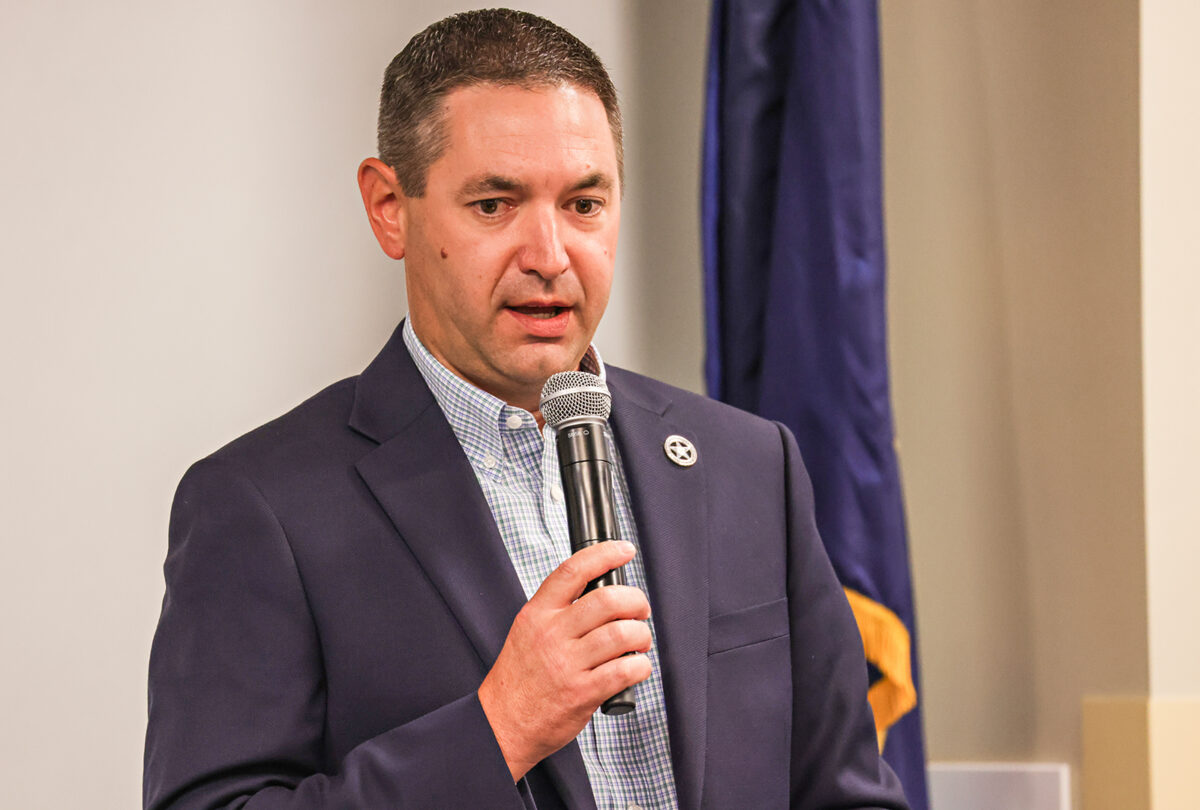
“This settlement agreement is the culmination of years of hard work to hold Meta accountable for their dangerous and deceptive practices that put the health and well-being of Montana kids at risk,” Knudsen said in a prepared statement. “I’m glad Meta has taken responsibility and I hope other social media companies will follow suit. This settlement money will be put to good use to improve safety and mental health resources for kids and teens in the state. As Attorney General, I will continue to protect the safety and rights of all Montanans.”
The agreement comes with two clauses, however. States who participated in the trial will receive 70% of the settlement — around $12.7 billion — with Meta only releasing the remaining 30% of the settlement if their industry partners Youtube and TikTok also implement one-hour daily limits, nighttime restrictions, and age assurance measures. Youtube and TikTok must also agree to each pay to meet the 30% remaining settlement balance, around $5.3 billion.
Montana will at least receive $88,962,843 of the total settlement, with the potential to receive $127,305,996 if the other conditions are met. At least half of the money must go toward efforts to remediate harms caused by social media, including:
- Crisis intervention services, specifically the expansion and operation of the 988 Suicide & Crisis Lifeline and text-based youth crisis lines.
- After school or summer programs, such as sports, literacy, dance, and other activities.
- Public health advertising credits.
- A digital wellness public education fund.
- Funding outdoor activities.
- Youth mental health programming.
- Support the hiring of digital literacy counselors or implement phone-free school zones.
- Training for medical providers on interactive media use and body dysmorphia.
- Grants to school districts or other local government entities to accomplish any remedial purpose encompassed here.
- Any similar remedial or restitutive purposes as those described above; and
- Investigation, litigation, and related efforts to improve teen safety on social media.
In Meta’s statement announcing the agreement, Chief Legal Officer C.J. Mahoney said that he was “pleased to announce that Meta has reached an agreement with a bipartisan group of state attorneys general from around the country on a new set of rules governing teens’ use of social media. The framework we’ve negotiated will empower parents to easily manage how their children access our platforms.”
He called on Meta’s industry partners — TikTok and Youtube — to implement the same framework.
“As a parent, I’m proud of both the work Meta has done to protect kids historically, and of this new groundbreaking agreement,” he said. “But its success depends on all other social media platforms following Meta’s lead.”