‘It Takes All of Us’: DUI Reform Summit Calls for Stakeholders to Unite Against Drunk Driving
Montana’s rates of drunk driving have long been among the worst in the nation — but advocates, lawmakers, treatment specialists, law enforcement officers and more came together in the Flathead to discuss possible solutions Thursday in a first of its kind event.
By Mariah Thomas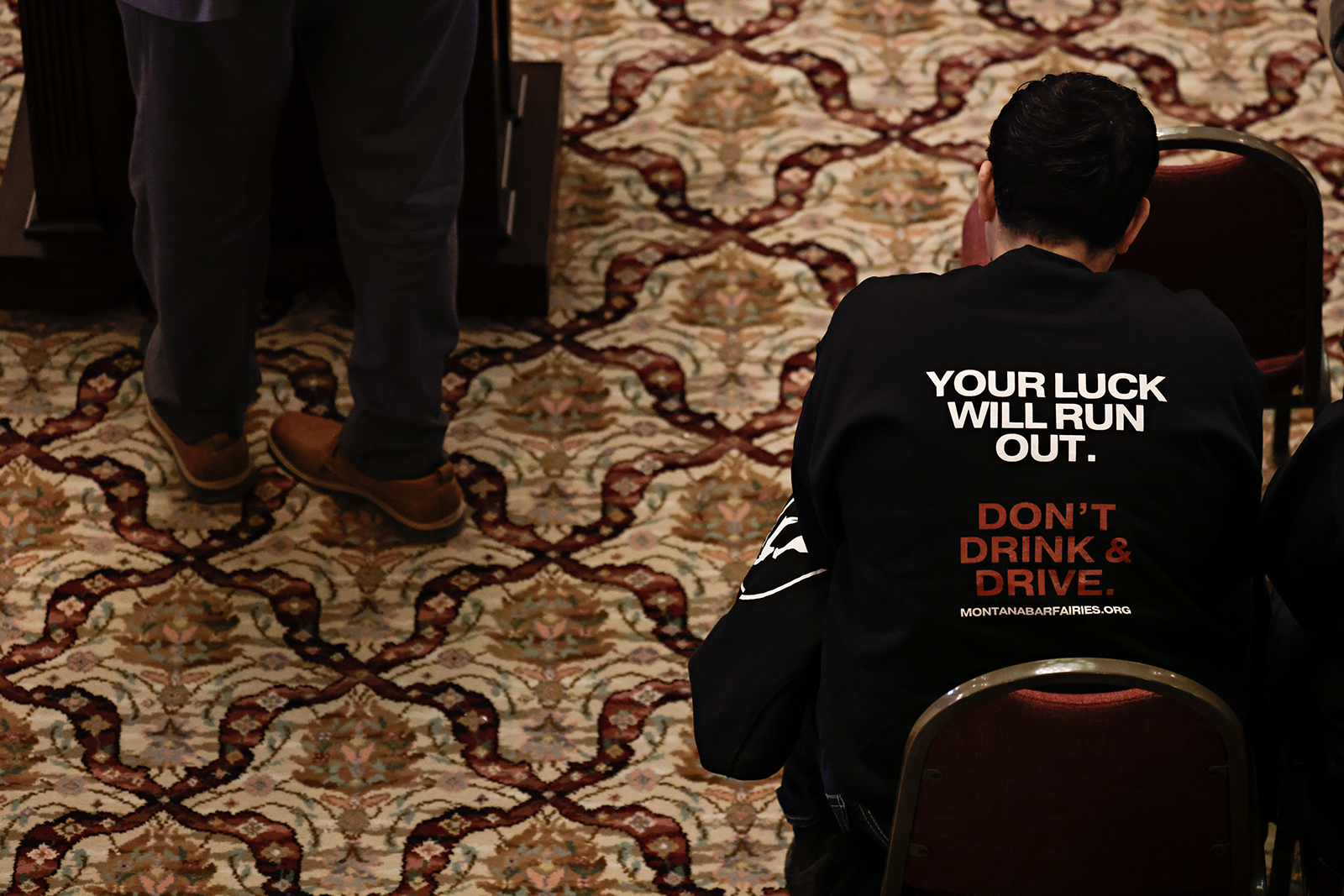
Adam Bruzza’s fourth citation for driving under the influence of alcohol nearly two years ago marked a turning point in his life.
Bruzza described an emotional experience after his fourth DUI arrest, which in Montana, marks a felony. He contemplated taking his life — but instead, he leaned into support. Bruzza’s mother and partner proved important pillars, along with a counselor who helped him navigate his addiction and life traumas.
Today, Bruzza is a member of the Phi Kappa Theta honors society in his studies at Flathead Valley Community College. He’s in the throes of finishing an associate’s degree to eventually become a licensed addiction counselor; and is attending the University of Montana to become a licensed clinical social worker. He hopes to one day use his experiences to help other addicts navigate their journeys. And, Bruzza started his own nonprofit, Big Sky Sobriety Shuttle, which gives out free, safe and sober rides to those in need.
“I was really, really resentful initially after getting out of jail. I was like, ‘you know, I was so close to home. How could you do this to me?’” Bruzza said. “And almost two years into sobriety, I was able to go down to the police department and shake [Officer Erik Juhl’s] hand … He saw me and he wrapped me up in his arms and hugged me. And I said, ‘Officer Erik Juhl, thank you for pulling me over. Thank you for giving me a DUI, because it has absolutely changed my life.’”
Stories like Bruzza’s are the goal when it comes to DUI offenders, according to experts who spoke on a pair of panels at a DUI Reform Summit hosted at FVCC Thursday night.
But, panelists emphasized, helping people reach that point serves as a moving goalpost and requires a slew of stakeholders to come together, from the efforts of community members to change drunk driving culture; providing resources and supports to those experiencing addiction; and taking legislative action, both to provide funds to law enforcement and mental health resources, along with helping to strike the right balance between punishment and treatment.
The summit, organized by state Rep. Courtenay Sprunger, R-Kalispell, came about following Sprunger’s attendance at trial hearings for Hazel Alexander, a Columbia Falls teen who was struck by a driver in a stolen vehicle attempting to evade police in January, Sprunger told the crowd of around 70 attendees that included lawmakers, law enforcement officers, judges and members of the public.
Montana has long been near — or at — the top of the list when it comes to drunk driving, with 8.57 drunk drivers involved in fatal crashes for every 100,000 licensed drivers. In the Flathead, an area of the state particularly impacted by drunk driving, 70 alcohol-impaired drivers accounted for 75 fatalities on the roads, or 42% of all fatalities in the county, between 2015-2024, according to data from the state’s Department of Transportation.
Panelists suggested Montana’s drunk driving rates are indicative of a state that has historically widely accepted the practice of driving under the influence as part of its culture. And Montana has long been behind on enacting policy when it comes to drunk driving.
Until 2005, drinking while driving remained legal in some places in the state. Montana changed its state standards to align with the federal blood alcohol content limit in the early 2000s, decreasing the legal limit from 0.10% to 0.08%. In legislative sessions as recently as 2021, the state was still rewriting its DUI laws. This year, the legislature’s Law and Justice Interim Committee has continued studying the issue as well.
The summit aimed to create a discussion about the issue and produce potential ideas for addressing it, both through legislation and at the local level.
It featured a DUI experience, where participants at the event cycled through several stations and learned about resources, the criminal justice system and legal system, and took field sobriety tests while wearing drunk vision goggles. Then, the night continued with a pair of panel discussions. The first featured speakers who talked to the criminal justice and impaired-driving system; and the second focused on public advocacy and the legislative process.
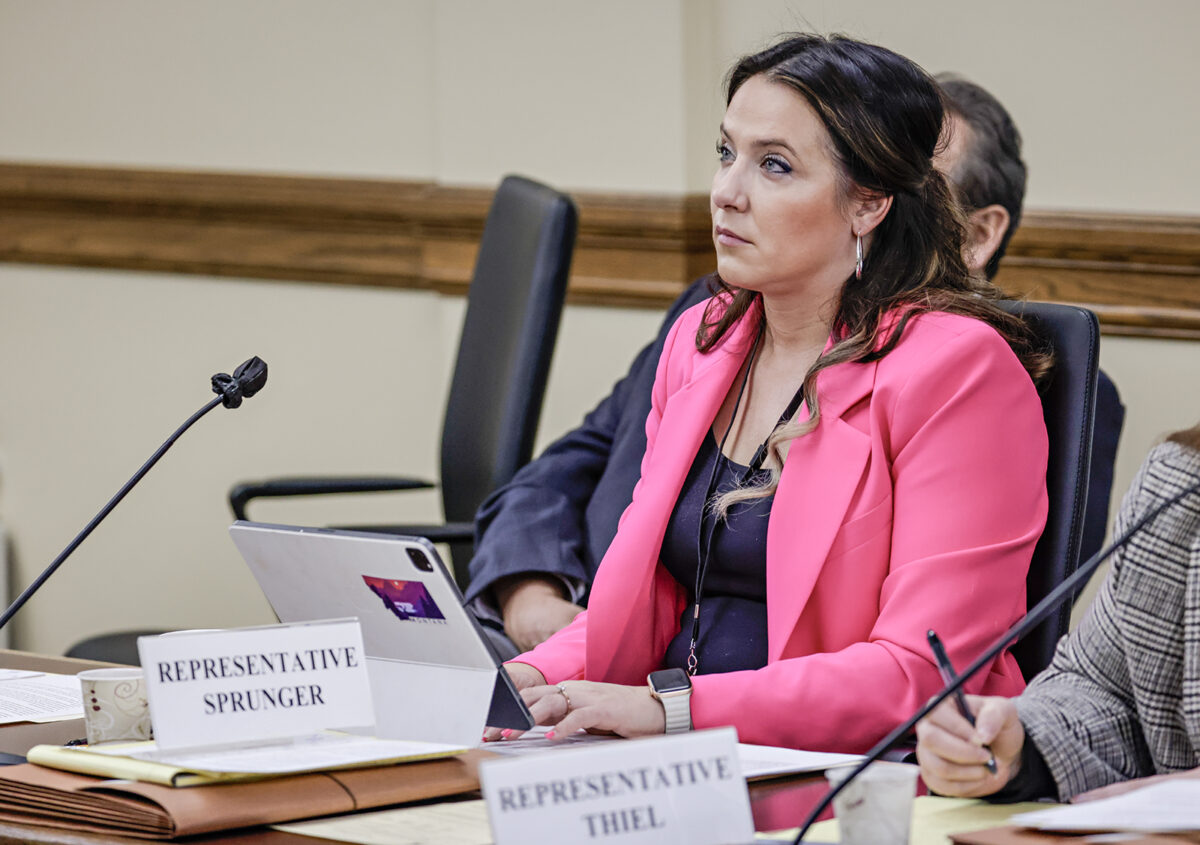
Common themes emerged throughout the pair of panel discussions as the advocates, treatment experts, law enforcement officers, judges and legislators involved on the panels discussed a slew of ways to address the challenges posed by drunk driving.
A top suggestion likely to make it to the legislature next spring was a proposal from Rep. Steven Kelly, R-Kalispell, to make a third DUI offense a felony. Currently, a fourth DUI offense in Montana is when one reaches felony status. Kelly, a former sheriff’s deputy from Nevada, carried a bill last session that would have lowered it to the third DUI offense. The bill made it out of the House Judiciary committee, but Kelly explained it stalled on the House floor. In his view, it stalled because it had too many pieces.
“I tried to pick off almost everything that’s been discussed by the last panel: increasing penalties for misdemeanors, making a third offense a felony and then also progressively increasing the penalties for subsequent felony convictions after that,” Kelly said. “… But the problem with this bill was it had too many changes in one bill to make it palatable to the rest of the House. So, as the old saying goes: how do you eat an elephant? One bite at a time. So, this time, each change is gonna be a separate bill, so I can get passed as much of it as I can. So, this will be coming back folks. And for me, this is personal.”
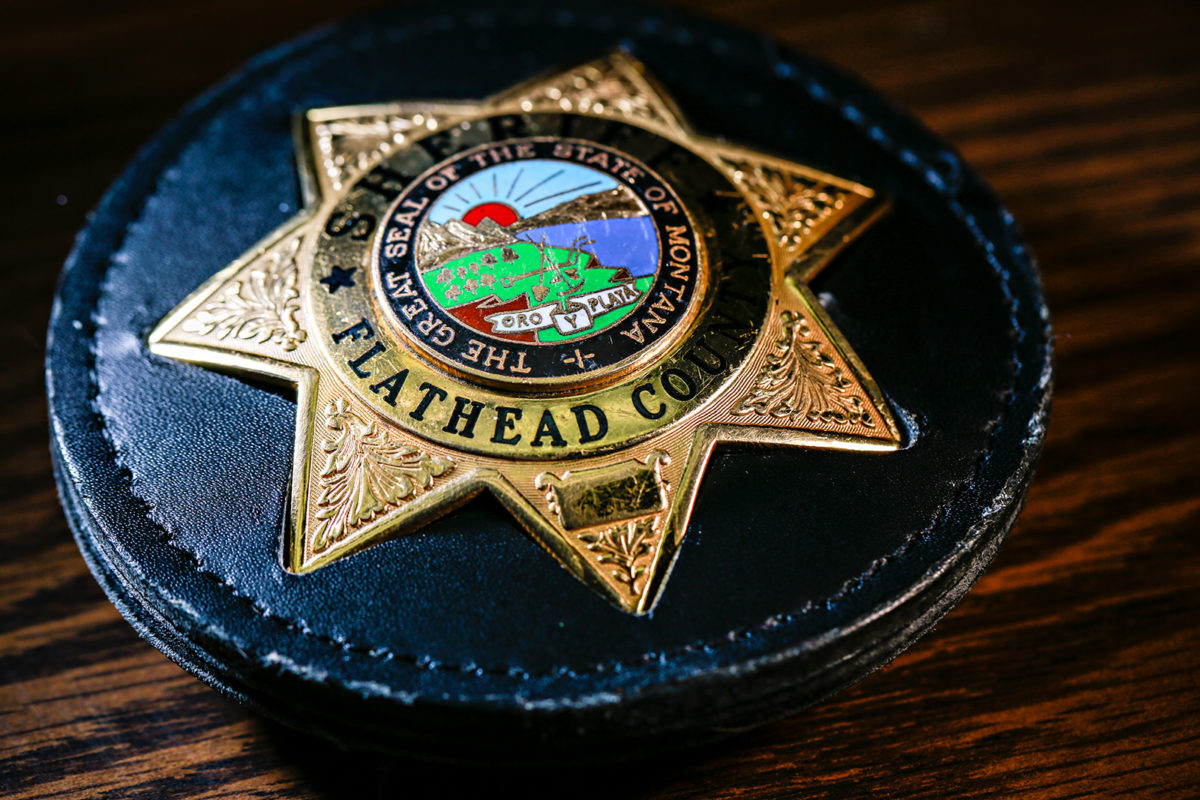
That proposal was discussed across both panels as a potentially critical accountability measure, as several panelists suggested repeat offenders are likely to continue driving impaired and punitive measures are needed to get them off the roads. But, cracking down and implementing harsher penalties on those who have multiple DUIs also means placing a higher burden on prisons in counties and in the state to hold those offenders. Flathead County Sheriff Brian Heino said the state’s population growth has already stress tested that system, and increasing the ask of law enforcement to incarcerate offenders would require further funding.
In fact, the funding question was a top one that came up across both panels. While many panelists took stances that other options like ramping up treatment options for addiction in the state and increasing law enforcement presence in communities could be potentially helpful options in the effort to curb drunk driving, the common challenge that comes along with any of those changes is a higher funding need. Nonetheless, several panelists suggested throwing more funding at those resources would pay dividends in the form of saved lives.
“Would you rather pay for the coffins, or would you rather pay for the little bit more of the state tax or the property taxes to ensure that we have that public safety?” Heino said.
Heino also emphasized any potential changes to law enforcement, the legal system or ramping up addiction treatment must also go hand-in-hand with a shifting culture around the acceptance of drinking and driving in the state. Beth McBride, founder of the Montana Bar Fairies, a local nonprofit that hands out coffee cards to people who choose to leave their cars behind after a night out, seconded Heino’s sentiment.
In the two years since McBride and her daughter, Carli Seymour, founded the Bar Fairies, McBride has described anecdotal changes when she talks to people about the dangers of drunk driving and the Bar Fairies’ work. Some, she shared, have told her about getting multiple coffee cards and how the positive reinforcement has helped them make the right choice to not drive drunk.
“We know it works,” McBride said. “We’ve had several psychologists tell us, ‘no, positive reinforcement works.’ Shame doesn’t work. Accountability does. So, it all goes together. So, we need enforcement of our current laws, close the loopholes that need to be closed, change laws like to make the third DUI a felony, and then also, we’re responsible for making good choices, and we’re responsible for looking out and helping change the culture too. It takes all of us.”