‘Save the Flathead’ Coalition Kicks Off Campaign for an Open Space Bond
Coalition unveils polling showing 57% voter support for a $10 million bond ahead of planned 2028 ballot push
By Jules Lingenfelter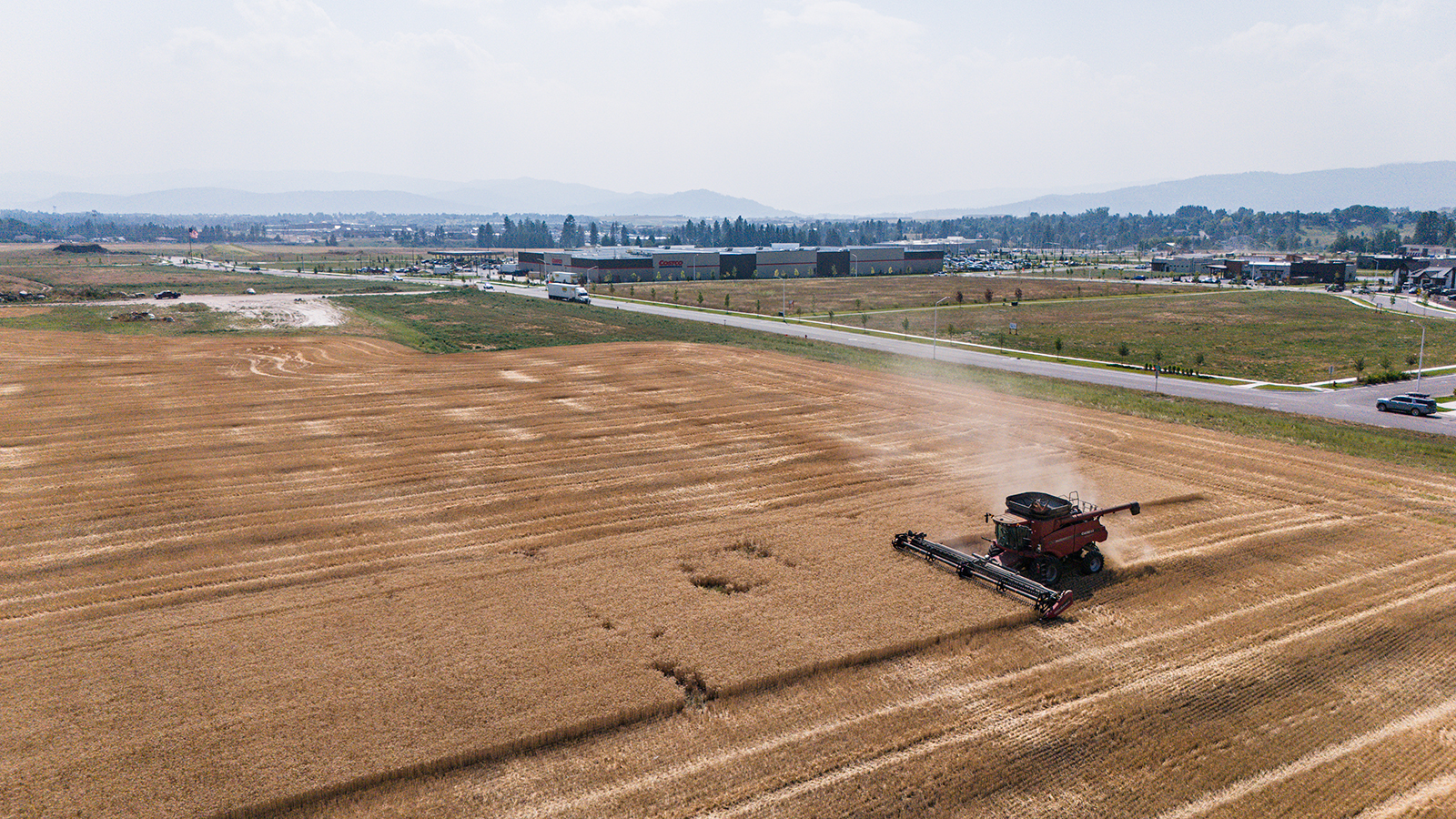
A coalition of conservationists, ranchers and other local stakeholders last week launched a campaign to put a $10 million open space bond before Flathead County voters in 2028, an effort organizers say has early momentum, with internal polling showing majority support.
“Everybody wants a piece of Montana,” Tryg Koch, co-founder of Heritage Custom Farming, told a packed room at Flathead Valley Community College on Thursday night. “I don’t blame them. It’s beautiful.”
The group, known as “Save the Flathead, hosted the public forum as a first step in its campaign, said Paul Travis, executive director of Flathead Land Trust, who headed the meeting. The coalition is working to build a broad base of support from stakeholders with a range of interests before presenting the ballot measure to the county commission. The community meeting brought together a diverse lineup of speakers to pitch the bond, break down the logistics of how a county-run program might run and present the results of a poll conducted last December testing approval ratings of the measure.
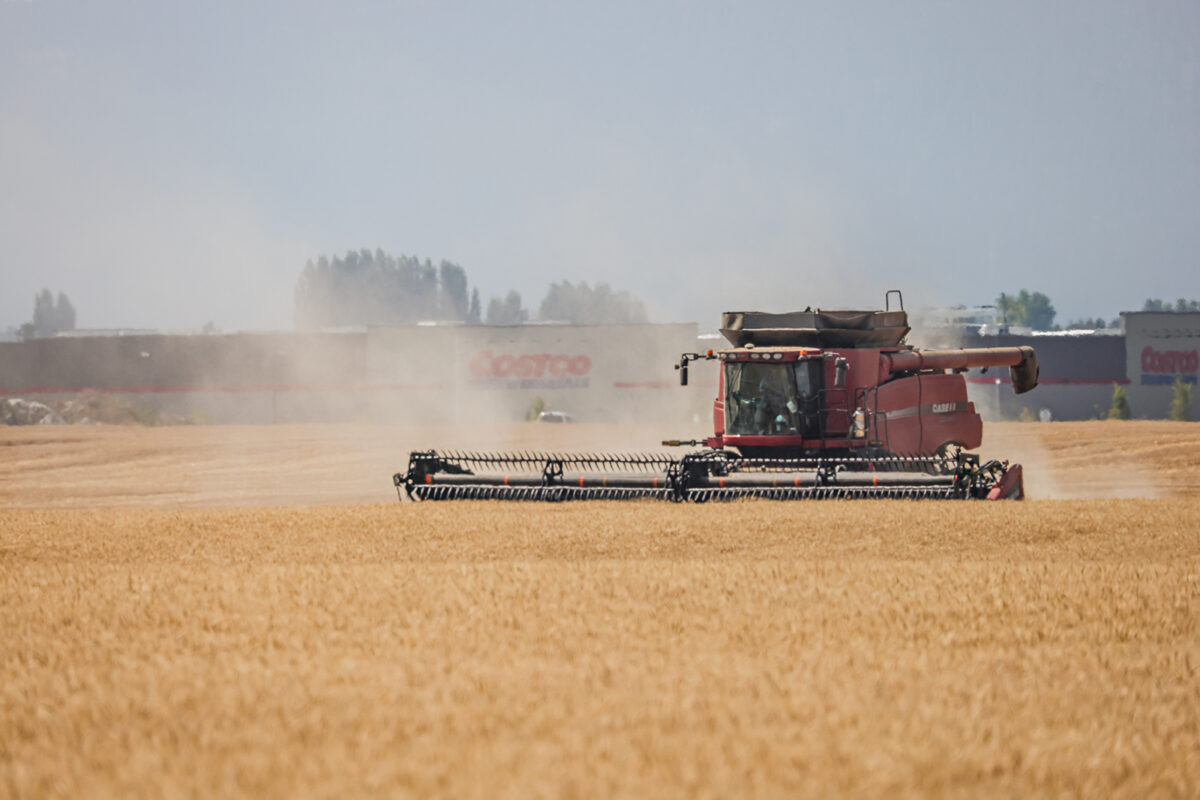
“I used to farm where Costco lives,” said Koch, who kicked off the meeting. The first-generation farmer’s main concern lies in the loss of agricultural land to infrastructure. As the county’s farmers begin to age out, he said, those without successors are left with few options for the future of their land. Many turn to subdividing their sprawling acres and selling small parcels; an open space bond would aid landowners in opting for a conservation easement instead.
“We’re not going to protect all of it,” Koch said, “but we need some tools to protect some of it.”
In December, the coalition hired the public opinion research firm New Bridge Strategy to conduct initial polling. After surveying 300 Flathead County registered voters, the firm found that 49% of voters were in support of the proposed ballot while 22% were a “definitely no.” Nearly one third were undecided. Support jumped to 57% when voters were provided with the additional information that the bond would raise taxes approximately $0.56 per $100,000 in home value. The tax increase is now expected to be closer to $0.74, but Kathryn Hahne, a spokesperson for New Bridge Strategy, was confident that the slight increase would still garner a similar rate of approval.
“In this day and age, getting near 50% is positive,” Hahne said in regard to passing initiatives that raise taxes, particularly in fiscally conservative areas.
Regardless of how voters leaned, 78% agreed that the county commissioners should put the bond measure on a ballot. Having the chance to voice support or disapproval either way was a pivotal point for those surveyed.
But in previous meetings, commissioners were hesitant to move forward with a program that would raise taxes — a point of particular frustration for the coalition. “Everybody bemoans the changes,” said Jerry Sorensen, a coalition member with a background in the timber industry, describing the conversion of working lands to development. “But they’ve never wanted to do more than that.”
Efforts to enact an open space bond program in the county share a history over two decades long. After failed attempts by local groups in 2003 and 2004 to get an open space bond on the county ballot, a measure appeared before voters in the 2008 election; a $10 million bond that would be used for the purchase of “protecting clean water in streams, rivers and lakes; preserving traditional recreational access; conserving working farm, forest and ranch lands; expanding or establishing rural parks or recreational areas; and conserving habitat for wildlife.”
Amid increasing financial pressures during the Great Recession, the 2008 bond failed by a vote of 22,566 to 17,756.
Looking ahead to the 2028 election, however, the coalition views these numbers in a more positive light; 44% of voters were still in favor of an open space bond even during a financial crisis. That precedent, the coalition argued, could bode well a future ballot measure.
“You guys have a great start. Your polling numbers look great to me,” Dan Huls, a Ravalli County commissioner told community members at the Sept. 10 meeting. “I think you can really do this.”
Huls, who was a part of the effort to create an open space bond in Ravalli County, stood as a spokesperson for what the county program could achieve. In 2006, Ravalli County voted to approve a $10 million open space bond with 57% of the vote. In 2022, the county passed a second $10 million bond, a victory Huls attributes to the success of the first.
“Ravalli County is red, red, red,” Huls said of the Bitterroot Valley’s politics. “It is so conservative it is unbelievable.” But, despite a voter base that leans anti-tax, the open space bond produced tangible results; the C. Ben White Memorial fishing access site off the West Fork Bitterroot River, as well as River Park and Steve Powell Park in Hamilton, were all results of the bond program.
“For a long time, conservation easements have been a tool of the wealthy,” Huls said, but the bond program would “allow the regular man to use that tool.” Landowners who would otherwise be unable to donate land or afford the fees to establish a legal agreement could be covered by the county. Their open space bond program, he explained, is managed by a board appointed by the commission. Landowners interested in starting a project partner with a land trust that will prepare the legal contract outlining how the landowner wants the land to be preserved. The county supplies the cash to help the conservation easement follow through. The land remains privately owned, and may or may not be open to public recreation depending on the owner, but it is legally bound to never be developed.
What an open space bond program would look like in Flathead County is dependent on the ballot language. The sample text used in polling efforts specified that the money would be used for protecting drinking water, scenic open land, working farms and ranches, providing recreational access, and trail connectivity.
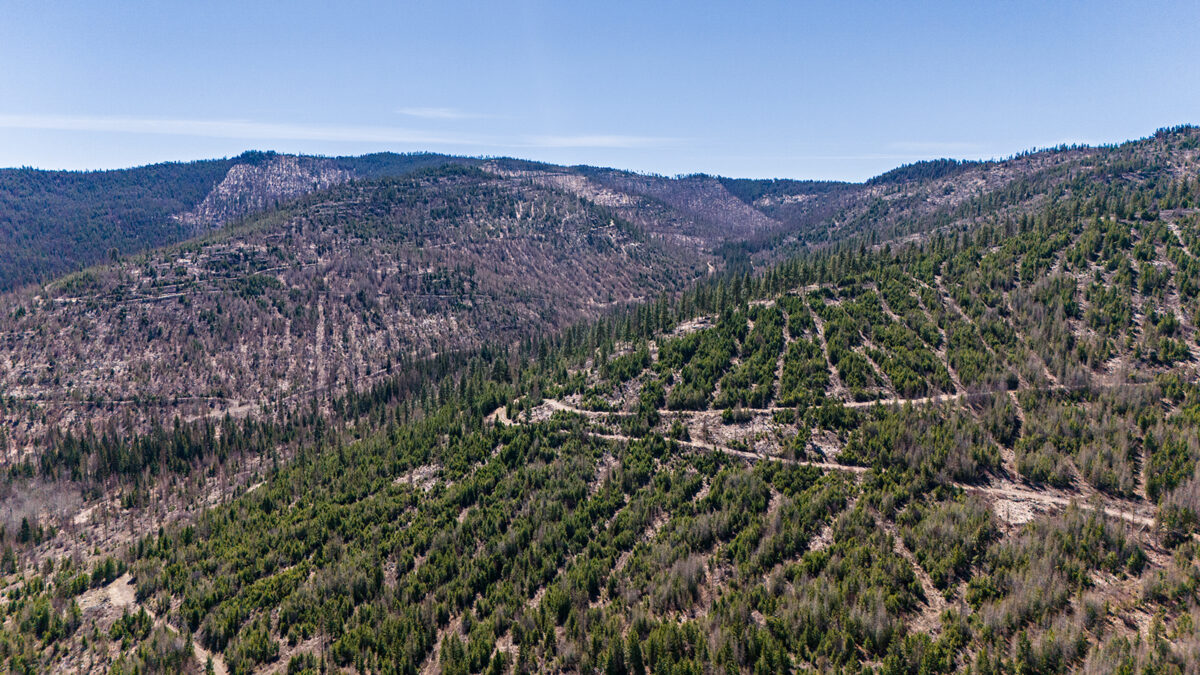
“Our working group has been very focused on agriculture and loss of agricultural land,” said the Flathead Land Trust’s Travis, describing land-use intensification in the Flathead Valley. But he hopes to bring in other parties with a vested interest in public recreation, trail connectivity, timberland, and wildlife conservation.
What the next steps are, Travis said, “We don’t know entirely, but we know we need to build a broad-based coalition.”