FAST Blackfeet Blesses Ground for New Food Resource Center
The new building will include expanded storage for the nonprofit’s food pantry, commercial kitchen, and a designated teaching kitchen and event space
By Zoë Buhrmaster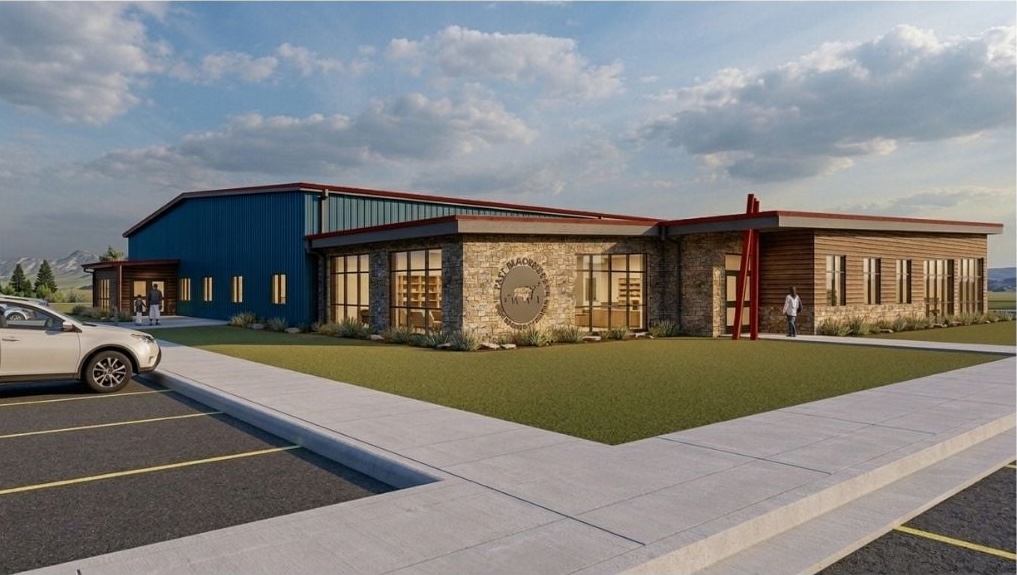
Since Iris Sharp started at Food Access and Sustainability Team (FAST) Blackfeet in late 2023 — a nonprofit dedicated to improving food security and traditional food knowledge on the Blackfeet Nation — she’s spent her time helping campaign for a new community food resource center. Staff ran feasibility studies and interviewed funders about potential interest, and in 2024 they launched a comprehensive campaign to fund ongoing operations while raising money for a new building.
Following the nonprofit’s second annual food sovereignty event Thursday, staff and community members gathered to bless the ground where the nonprofit’s new warehouse will stand, marking three years of work coming to fruition.
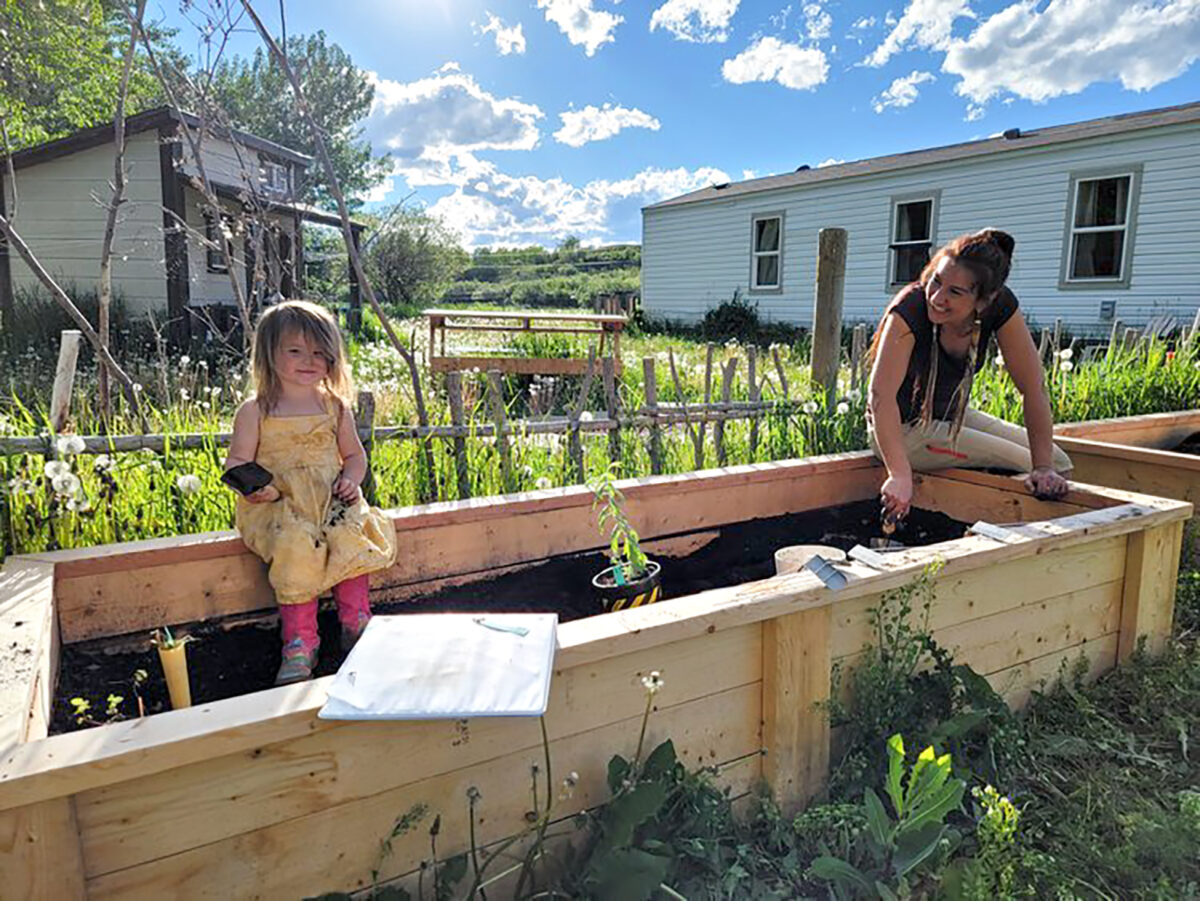
The organization currently rents a building in Browning from a local church, which serves as home base for all three of the nonprofit’s programs. A grocery store-style pantry offers healthy and culturally relevant food options based on need. An educational program teaches cooking and nutrition classes. Another program equips community members with materials to grow their own food, processes meat from the nonprofit’s bison harvests, and helps hunters donate meat to the pantry.
Hosting all three programs, staff, and volunteers in the rented space is a bit of a squeeze. Staff often host cooking classes at the high school or rent out spaces at nearby churches or other locations for events and workshops.
“We’re shoulder to shoulder in the office, and then our food pantry, we started out in such a small space with such a small amount of food, and now we’ve just grown so much over the past decade, because it’s been 10 years now that FAST Blackfeet’s been established, we’ve definitely outgrown the space we’re in,” Sharp said.
The waiting area for the food pantry is one of the most challenging aspects of that tight space. On distribution days, people waiting for their turn to peruse the pantry’s aisles quickly fill the several seats inside and create a line down the road. Extreme weather and traffic combine to create a hazardous situation.
“We don’t want people to be outside in extreme weather,” Sharp said. “That’s been the hardest thing I think. We’ve had to accommodate by putting out big heaters.”
The ground blessing on Sept. 18 marks the beginning of phase one of the new food resource center, located near Browning Middle School. The initial phase includes a prefabricated warehouse large enough to host the food pantry with a dedicated waiting room, a commercial kitchen, program offices, and an expanded storage space.
Staff had originally planned to build the new building from the ground up but switched to a manufactured building after experiencing an extreme need during last year’s government shutdown. People came to the nonprofit looking to donate, but the building’s limited storage room was already full.
“If we had our building right now, that would be perfect,” Sharp said. “So, we changed the way we were going to go about it from building ground up to starting with a warehouse.”
Phase two, anticipated to begin in spring, will finish building out the space with construction of a teaching kitchen and event space able to host programs and local pop-up markets.
Total cost for the project is just under $10 million, Sharp said. Private donors and foundations funded most of phase one along with a few grants, and staff are continuing to raise money for phase two.
Sharp said they hope to move the pantry into the new building by next fall, freeing up room in the nonprofit’s current space for classes and workshops.
“Really we’re just looking forward to being in this new space,” Sharp said.
A new designated wellness space for staff and a dedicated volunteer area with lockers will also help “pour into our staff a little bit more,” she added.
“I always say that the work we are doing is hard work and it’s heart work, and we want to be able to pour into our volunteers and our staff and overflow their cups so that they can continue pouring into the community.”