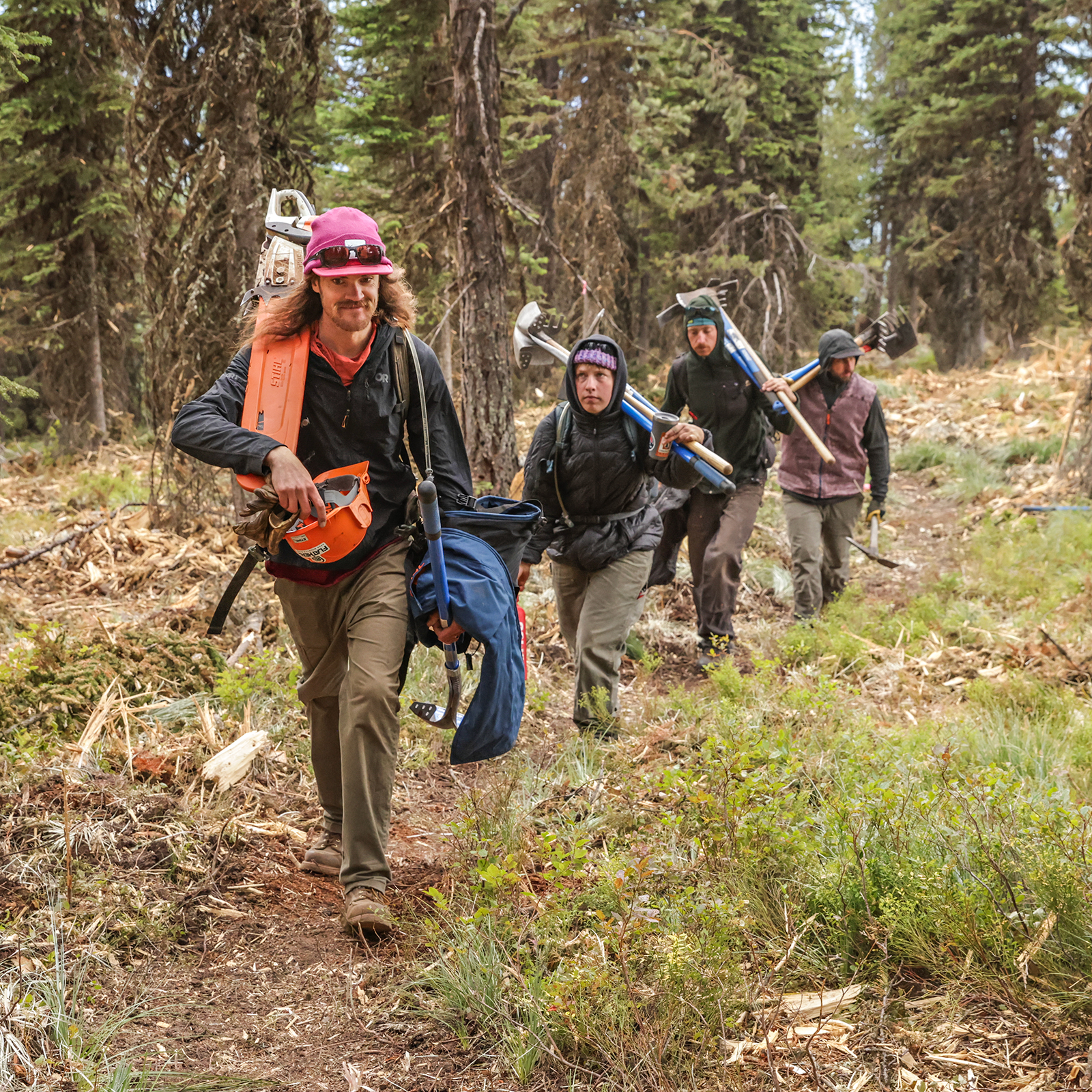
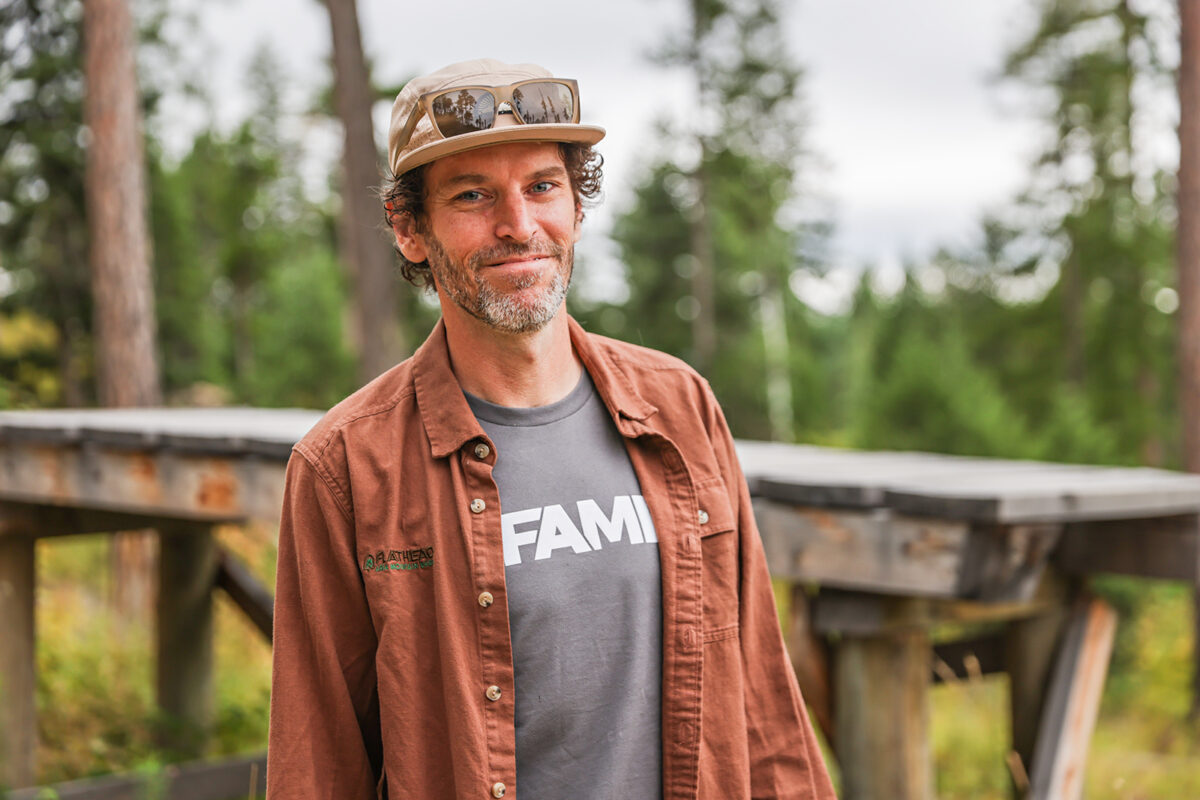
Ron Brandt wove his way through intersecting trails at Spencer Mountain. Despite working for Flathead Area Mountain Bikers (FAMB), the nonprofit that formed in 2005 to preserve public access at Spencer, and which is now responsible for maintaining the mountain’s nine-mile freeride trail network, Brandt spends more of his time these days walking through the woods with the organization’s various partners than he does on a pair of wheels.
“I still bike a fair amount but … It’s super humorous to me,” he chuckled.
That’s because as the executive director since 2022, Brandt has been busy overseeing the organization’s various community events and clinics, trail maintenance, and mountain biking advocacy. In recent years, that work has grown to include building new multi-use and singletrack trails around the Flathead Valley, including projects in the Whitefish Range and on Crane Mountain in Bigfork.
The organization has continued to collaboratively build, following in the footsteps of its origins at Spencer Mountain. Spencer’s state-owned land is held in trust and managed by the state’s Department of Natural Resources and Conservation (DNRC). The city of Whitefish holds the DNRC’s recreational use license, while FAMB manages the trails and pays the license fee. Whitefish Legacy Partners also assumed similar responsibility for parts of the Whitefish Trail at Spencer.
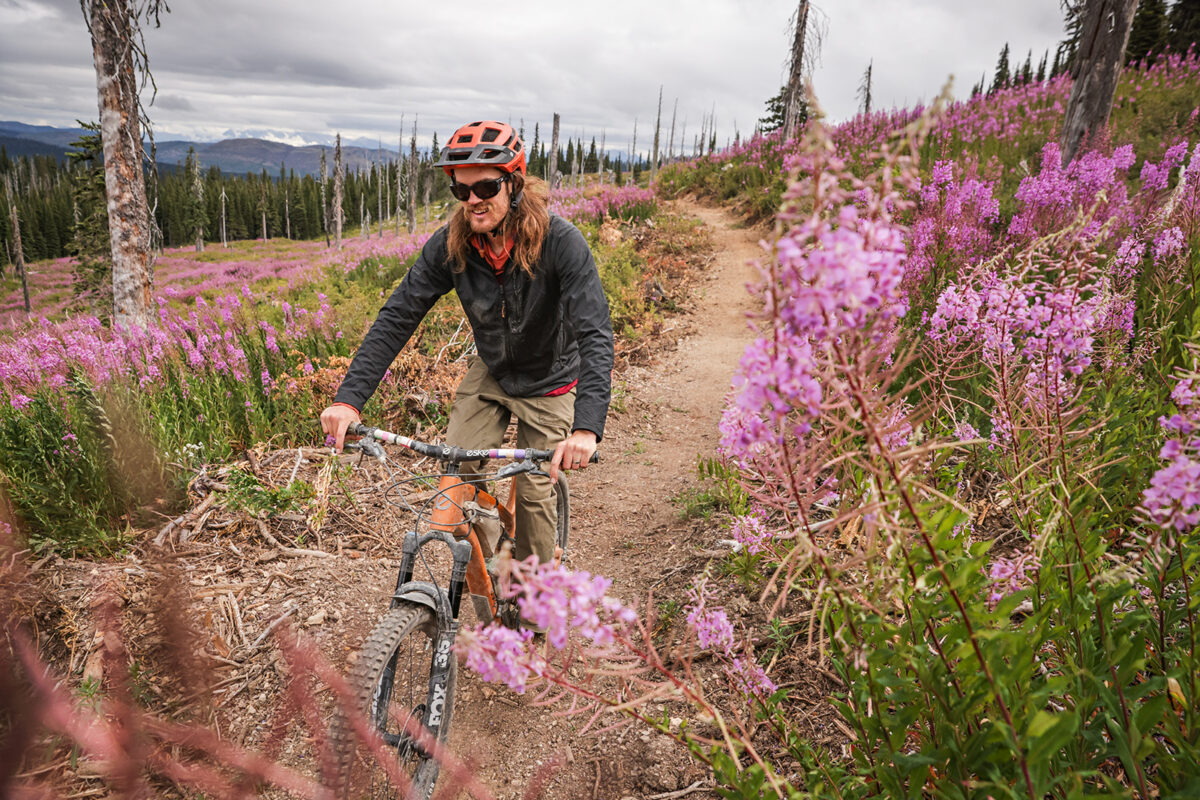
Looking to expand the trails in the Whitefish Range, the Whitefish Face Working Group formed in 2014 with the city, FAMB, Whitefish Legacy Partners, Whitefish Mountain Resort, F.H. Stoltze Land and Lumber, the Flathead Snowmobile Association, and others. Their shared goals prioritized preserving the watershed — which serves as the city’s primary drinking water source — orchestrating logging operations, and maintaining multi-use recreational access. So, the Taylor Hellroaring Project, a goal to build more than 20 miles of nonmotorized trail and connect Haskill Basin to Werner Peak, was born.
FAMB’s Flathead Trail Crew began in 2024 by reestablishing the historic Whitefish Divide Trail, also known as the Ralph Thayer Memorial Trail, an overgrown ridgeline trail that runs to the west of Big Mountain. Camped alongside the Montana Conservation Corps and the U.S. Forest Service (USFS), the crews worked together to reclaim the buried trail.
“This trail we’re working on now, Hellroaring, is one of my favorite trails I’ve built,” Stephen Keimach, the nonprofit’s trails coordinator, said. He’s worked for the organization since 2019 as trail crew and trail crew leader before stepping into his role as coordinator earlier this year, leading FAMB’s three-person crew.
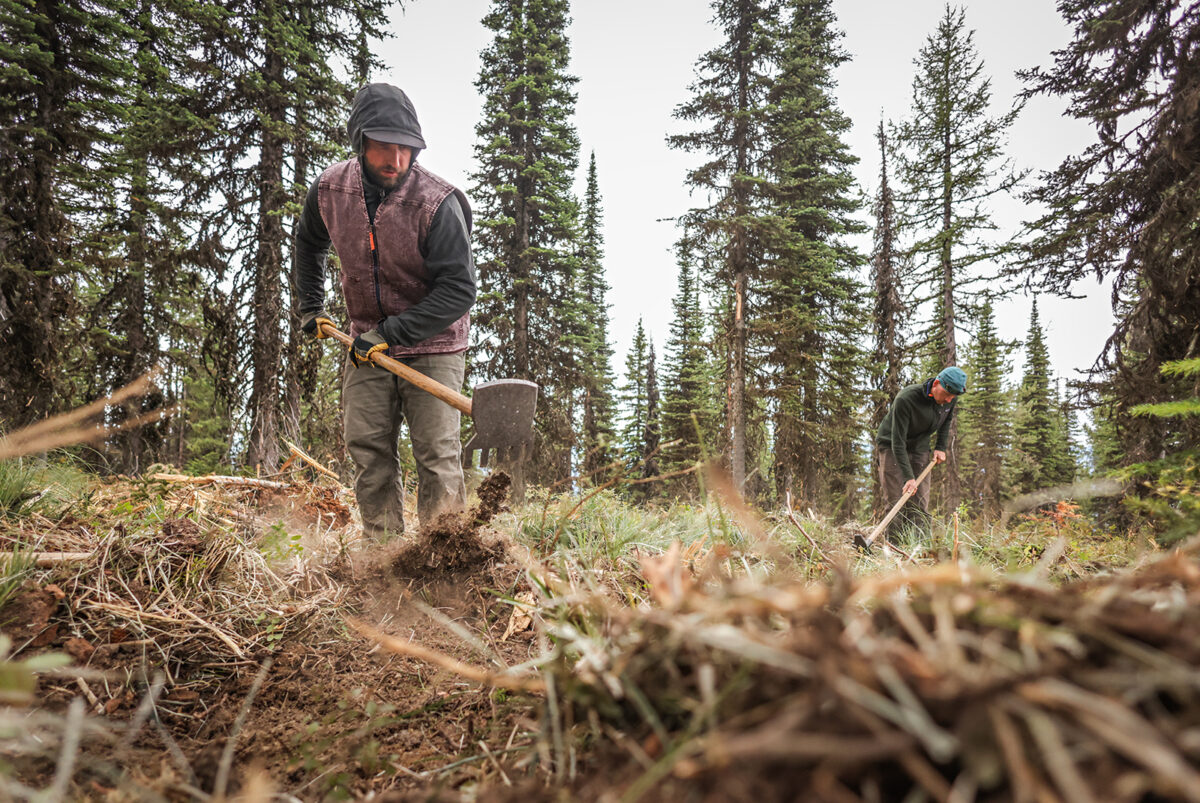
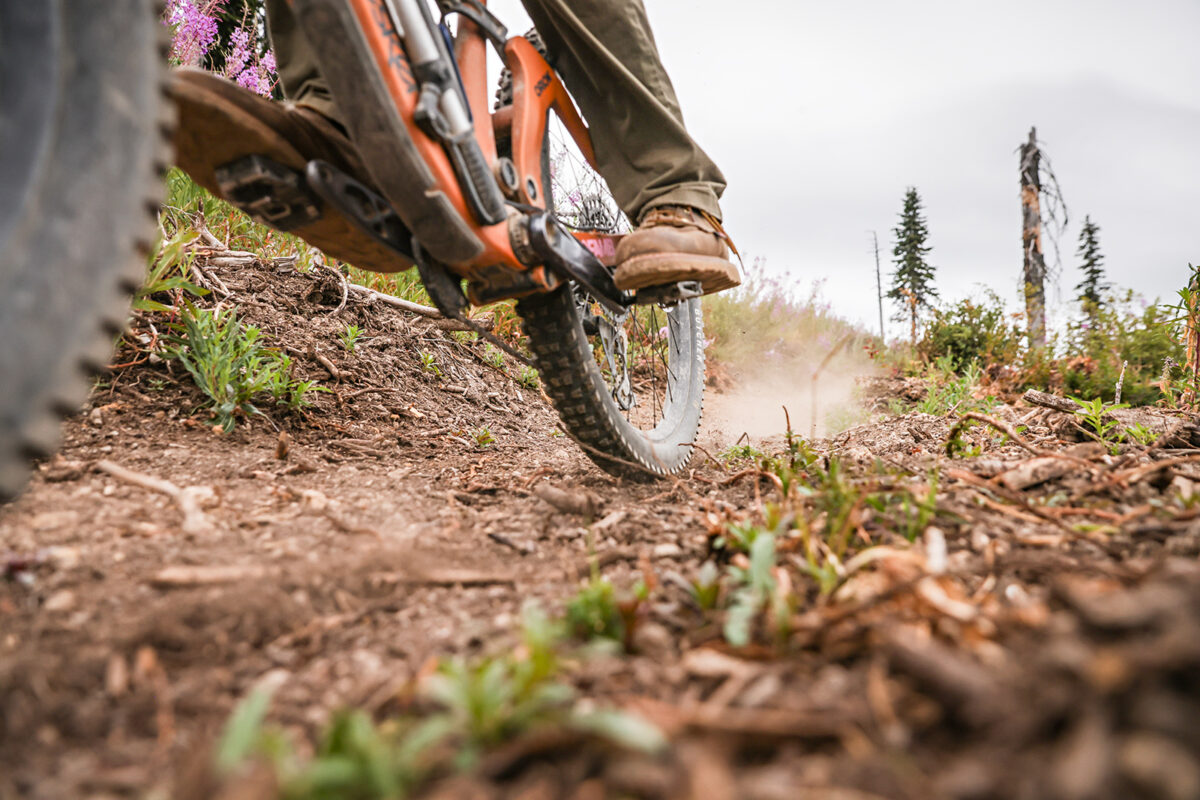
“The most fun thing about it is we’re following flagging on the trees that Ron did with the Forest Service and other specialists to lay out a corridor the trail can go through,” Keimach said, describing the on-the-ground collaboration at Hellroaring. “Me and the crew show up, and we have a little bit of leeway for creativity to make the trail fun to bike.”
Crews broke ground on a new trail below the historic ridge in 2025, and the following year began to build six miles of multi-use trail below Taylor Creek Road with help from local contractors, crafting one hand-built trail and one machine-built trail that connects to Hellroaring Basin.
Down south in Bigfork, Crane Mountain has unofficially boasted biking trails for old school tech-style riding for years. In 2024, FAMB partnered with USFS on the Bug Creek Project to bring the existing trails into the National Forest Trail System and create new tracks — 5.3 new miles of mountain bike trails and 9.8 miles of new multi-use singletrack. In 2025, they built a mile of the new trails and brought several of the unsanctioned trails online. In 2026, they constructed Trails 1, 5, and 11, which include nine miles of new multi-use trails north of the lower access trail, and worked on incorporating existing Trail 6 into the new official network.
In the future, they plan to restore Estes Trail #96, create three new public trailheads and new trail connections, while continuing to improve the existing social trails and public access.
Brandt said the Bug Creek Project has been fun because of its unique terrain and the small lake community’s response. On the project’s first official dig day, almost 30 people showed up to volunteer their time, he recalled.
“It was overwhelming, the positive energy,” Brandt said. “It was like, ‘oh, we are doing the right thing’ … That was unknown in a smaller community.”
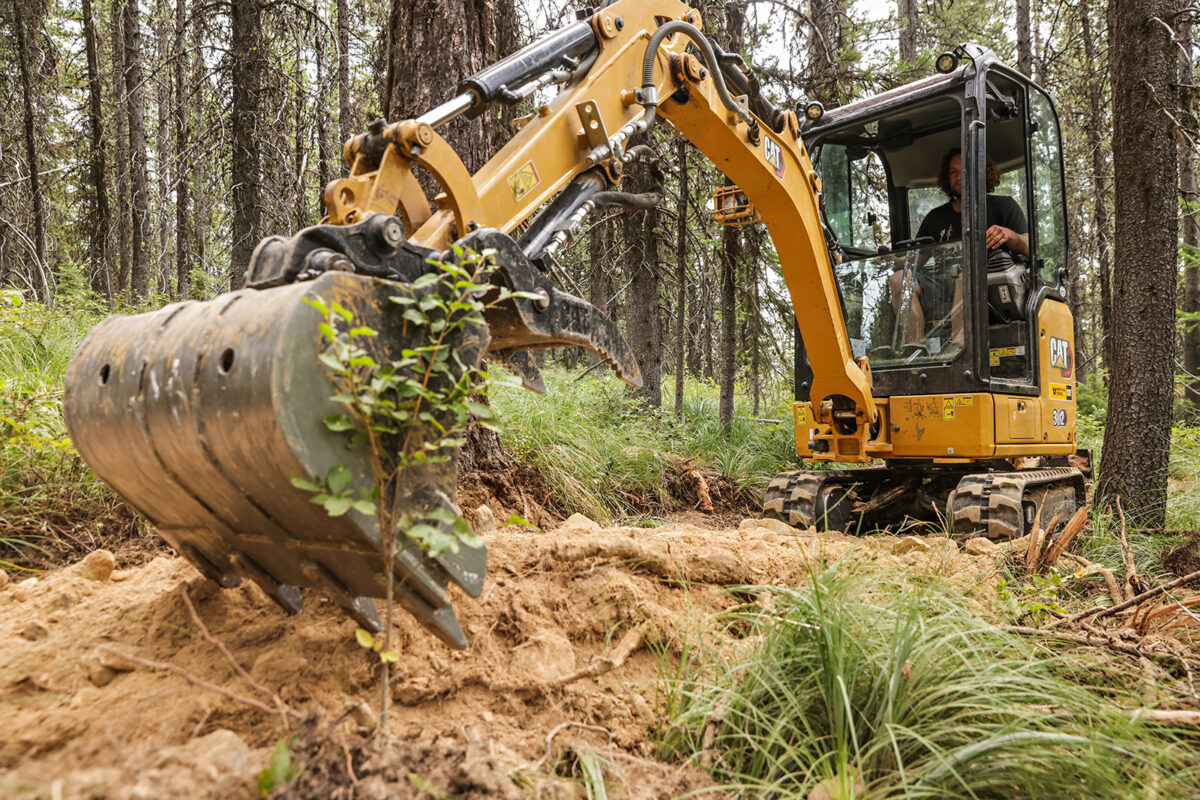
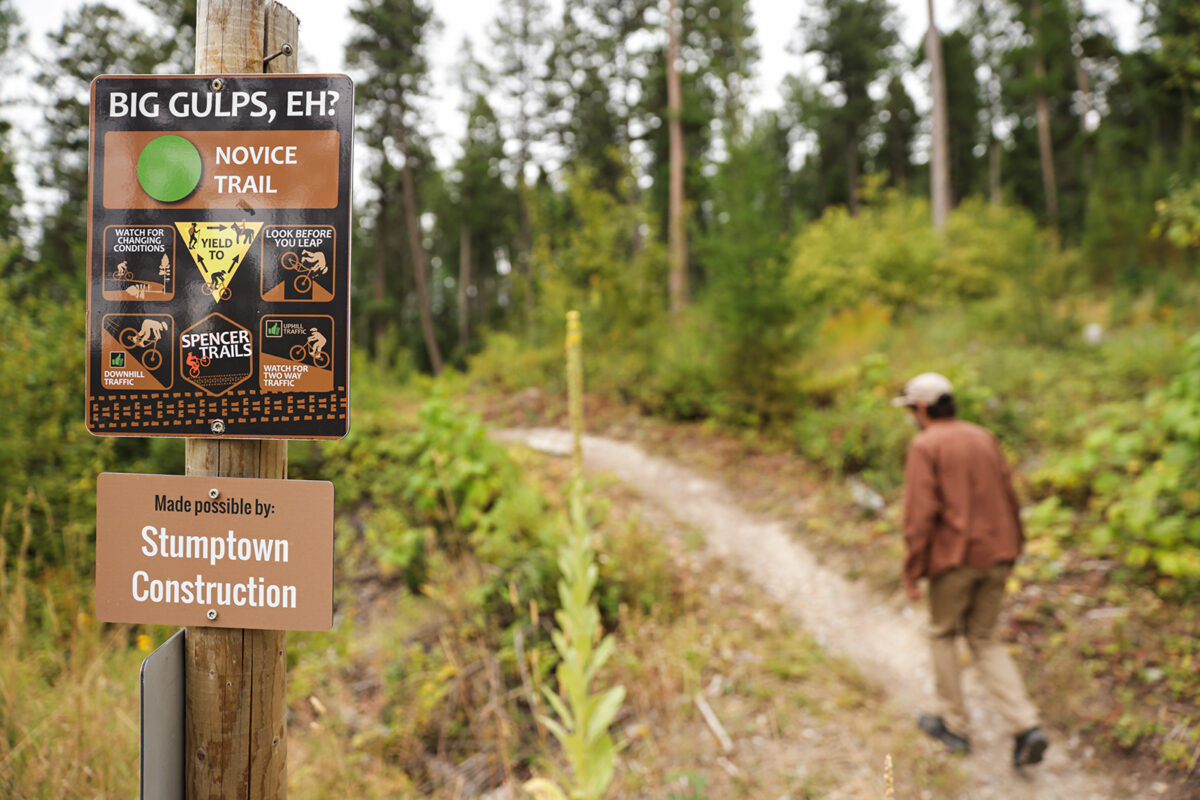
Both Taylor Hellroaring and Bug Creek projects also help get rid of additional unmarketable trees and brush in the forest to reduce fire risk, as timber companies clear out and sell the trees in both Forest Service-managed areas.
“They’re wildland-urban interface zones where recreation is occurring,” Brandt said. “It’s reducing the fuels.”
Over the past five years, FAMB’s income has more than doubled, with federal grants, private foundation grants, and donations from the Great Fish Community Challenge making up the majority of the nonprofit’s $282,000 income. Paying for the organization’s three-person trail crew accounts for more than half of that income, attesting to the fact that trails sit at the center of the nonprofit’s mission. By Aug. 1 this year, the midway point for the crew’s work season, they’d maintained 69 miles of trails, clearing 1,667 trees and repairing 3,170 feet of tread.
Project timelines remain estimates due to varying circumstances, including northwest Montana’s fickle weather patterns. Those include last winter’s winds, which resulted in tremendous downfall, as well as a short construction season, seasonal trail crew staffing, and the longer process inherent to collaborating with multiple organizations. Even so, Brandt remains optimistic about the work FAMB’s crews are making.
“My goal in the very near future is to finish what we’re doing,” he said. “Because that honestly is a huge success in and of itself. But we want more here for people to play on. I’d love to build more on the relationship with the state and, honestly, the logging companies. The logging companies are some of the biggest landowners outside of the state and the federal government around us and I think they’re important players in this piece.”
Brandt also hopes to continue creating and helping bring to life more community events, including building on the ones it already runs: its women’s and youth clinics, volunteer trail days, and Thursday Night Race League.
“But trail is still the core of what FAMB really is, making sure we don’t lose sight of that,” Brandt said. “It’s what we started with and I think it’s where our strength is too.”