Ballot Measure Would Add Constitutional Protections for Montana’s Ballot Initiative Process
Supporters say CI-133 would protect the initiative and referendum process from “unjustified interference by the government,” after legislators passed a slew of bills tightening ballot initiative rules. Backers argue that strategy weakens “voters’ ability to propose and vote on laws themselves.”
By Mariah Thomas
Montana’s power of initiative and referendum harks back to the days of the state’s Copper Kings, when the people wrestled their power back, in part by gaining the ability to pass laws themselves to hold government accountable.
This year, a ballot measure aimed at protecting the process of getting future ballot measures to the finish line will go before Montana voters as Constitutional Initiative 133.
The initiative “requires impartial, predictable, open, and timely processes for ballot issues” and outlines several prescriptions toward that end. Proponents say ballot issues have “come under attack” in recent years.
“CI-133 adds explicit protections for this process to ensure the government can’t put its thumb on the scales of ballot measures they don’t like, tamper with ballot language that citizens propose, or use delay tactics that shorten the signature gathering window,” wrote Dani Hess, a spokesperson for the group backing the initiative, in an email.
Nationally, states have seen renewed interest in ballot measures over the last decade, according to Derek Clinger, a senior counsel with the University of Wisconsin’s State Democracy Research Initiative. Historically, he said, the process has been used across the ideological spectrum, but recently more ballot initiatives have centered on progressive-aligned policies, such as preserving abortion access after the fall of Roe v. Wade.
In response, Clinger said, some red and purple state legislatures and officials have taken steps to undermine or thwart the initiative and referendum process. That can play out in different ways: legislation passed to make the process more difficult, or throwing up legal challenges to slow down or stop initiatives.
In Montana, a deep-red state, ballot initiatives have previously run up against pushback from Republicans, and in 2024, Democrats accused Montana Secretary of State Christi Jacobsen of obstructing the signature-gathering and petition process.
Montanans Decide, the group backing CI-133, also ran into legal snags while qualifying the measure for the ballot. Hess pointed to a slew of legislation that came out of Montana’s 2025 legislative session and made changes to the ballot referendum and initiative process, arguing the end result is that “the citizen initiative process is getting more burdensome, more expensive, and less accessible to Montanans.”
“This is part of a national strategy to weaken voters’ ability to propose and vote on laws themselves,” Hess wrote. “It’s a death by a thousand cuts approach that includes adding cost, complexity, and layers of bureaucracy to disqualify valid signatures on petitions, increase the number of signatures required, and ultimately change approval thresholds from a simple majority to a super majority for citizen initiatives that do make it to the ballot.”
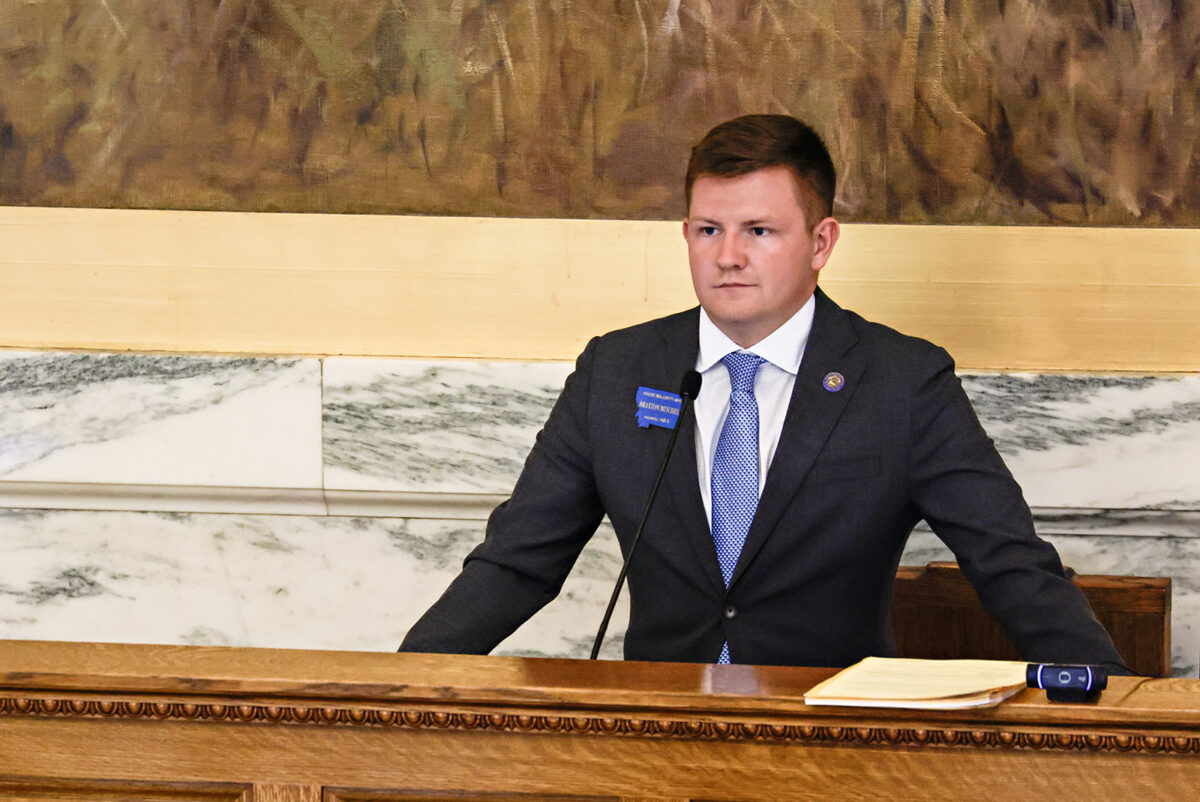
State Rep. Braxton Mitchell, R-Columbia Falls, sponsored several bills in 2025 aimed at tightening regulations around ballot initiatives, including legislation barring foreign entities from funding ballot measures and requiring paid signature gatherers to declare their state of residence.
Mitchell said the bills weren’t meant to make life harder for those running initiatives, but to protect the process. He cited transparency as paramount, particularly because some initiatives aim to change the state constitution.
Mitchell and the Montana GOP are opposing CI-133 this fall. He worries its passage would take away the Legislature’s ability to regulate and place checks on a process that he views as working.
“They’re getting measures on the ballot right now,” Mitchell said. “If it ain’t broke, don’t fix it.”
CI-133 joins a pair of other measures appearing on voters’ ballots this fall aiming to maintain nonpartisan judicial elections and do away with dark money in politics, respectively. The Montana GOP is advocating against all three.
Mitchell said voters have overwhelmingly supported Republicans in recent election cycles, and he views the ballot initiative push as an effort to circumvent Democrats’ poor electoral prospects and notch policy wins. But voters, he said, will have the final say this November.
Hess pointed to the longer arc of Montana history, in which initiatives have been used across the political spectrum to raise the state’s minimum wage, ban elected officials from becoming lobbyists and protect hunting and fishing access.
“Ballot initiatives are how Montanans keep our state the last best place,” Hess wrote. “The ballot initiative process is for everyone and has been used by Montanans across the political spectrum to propose and pass laws that impact our lives.”
Voters will have their chance to weigh in at the ballot box. Ballots were mailed to absentee voters Oct. 9. Voters can check their registration status and the status of their ballot here: https://voterportal.mt.gov/WhereToVote.aspx.
To register to vote, voters can either bring their completed voter registration application to their county election office or visit their county elections office to fill out a voter registration application and receive a ballot there.