Forest Service Approves First Swan Valley Logging Project Since Scrapping Mid-Swan Plan
The 2,307-acre Piper Creek Project is the first of several expected in the valley; a second, Quill Pig, is open for comment through Nov. 3
By Jules Lingenfelter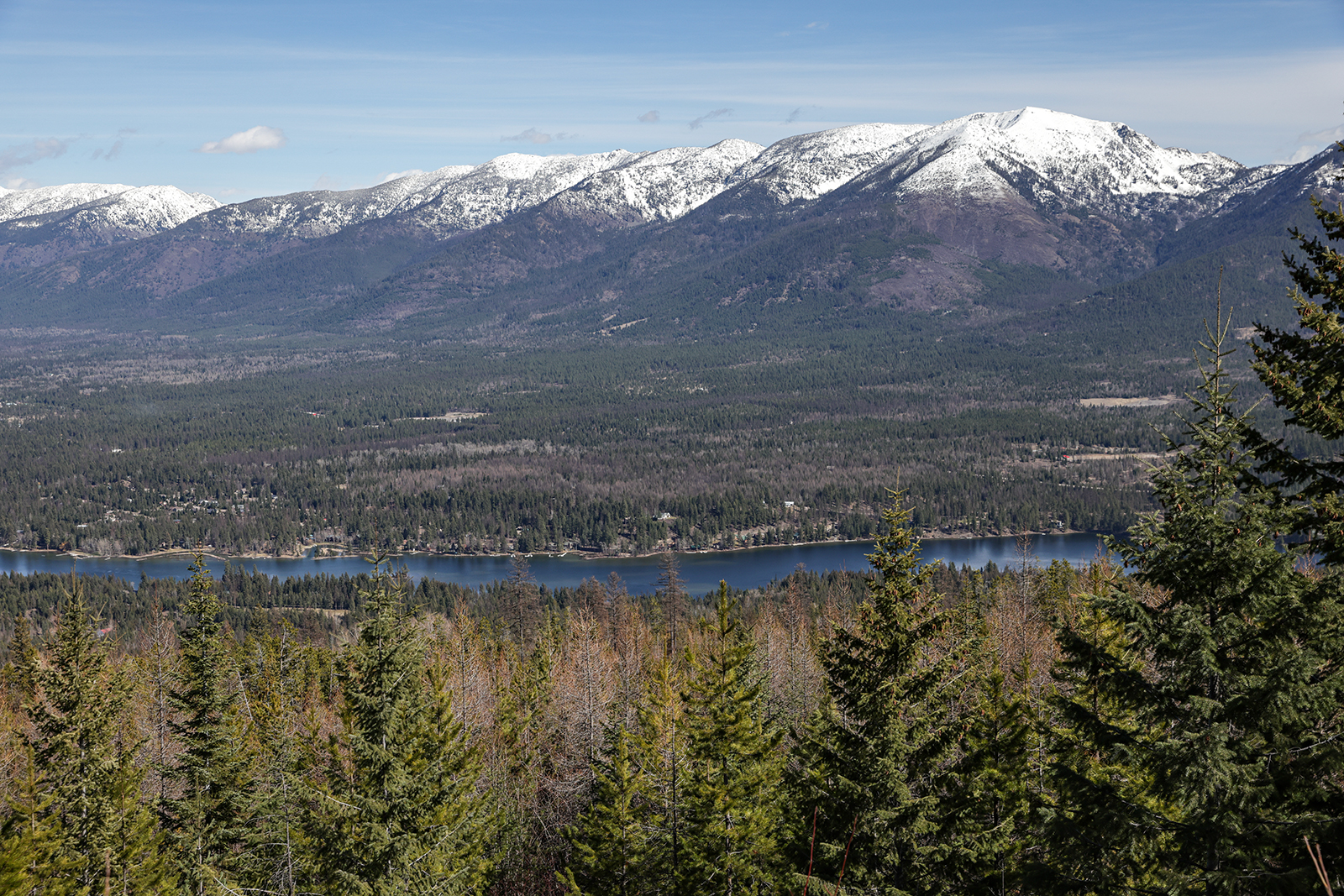
The Flathead National Forest has approved a logging and fuels-reduction project on 2,307 acres in the Swan Valley, the first in a planned series of drainage-specific projects to replace the scrapped Mid-Swan plan. The project, classified as a categorical exclusion under the Healthy Forests Restoration Act (HFRA), will address insect infestation and disease while reducing wildfire risk, according to forest officials. Work can begin immediately.
On Oct. 16, Swan Lake District Ranger Sarah Canepa signed a decision approving the Piper Creek Project, finding that the categorical exclusion applies and that no extraordinary circumstances exist. First proposed April 21, it follows the Mid-Swan Project, a controversial plan covering about 174,000 acres that forest officials withdrew earlier this year.
“I am looking forward to seeing the vegetation management work begin within the Piper Creek Project,” Canepa said in a press release. “The project will promote healthier forest stands by addressing areas with insects and disease, while also protecting nearby communities through hazardous fuels reduction.”
After field reviews in the Piper Creek Watershed in 2023, forest officials found several problems contributing to poor tree health, including Armillaria root disease and root rot, and infestations of western larch dwarf mistletoe, Douglas fir bark beetles and fir engraver beetles. To counter the spread of insects and disease, officials authorized commercial logging on 1,415 acres and another 892 acres of non-commercial treatment, which ranges from prescribed burning to thinning stands.
According to the project’s review form, the approved actions will also reduce wildfire risk by clearing ground fuels and support local jobs by providing timber for harvest. To complete the work, officials plan to use 23 miles of National Forest roads and build an additional 3.5 miles of temporary road, which will be rehabilitated afterward.
The project was approved under both the HFRA and an emergency situation determination, exemptions that allowed it to move on a shorter timeline. The final decision came just six months after the initial proposal.
In her decision notice, Canepa stated that the project fell under the insect and disease categorical exclusion, which allowed forest officials to bypass the requirement for an environmental assessment or environmental impact statement analyzing the potential impacts of proposed actions. According to the document, the project met several criteria for the exclusion, among them that the work site did not exceed 3,000 acres or overlap with designated wilderness areas, and that the proposed action aimed to mitigate insect infestation, disease and wildfire.
In addition, Flathead National Supervisor Anthony Botello authorized the project under the emergency determination system. Announced by Secretary of Agriculture Brooke Rollins in 2025, the determination allows forest supervisors to streamline projects when at least 50% of the project area falls within the 112 million acres outlined in Rollins’ memo. Ninety-six percent of the Piper Creek Project work site fell within the designated acres.
Though the Forest Service determined that the project “may affect, [is] likely to adversely affect,” grizzly bears, Botello’s Sept. 17 ESD authorization allows work to begin before formal consultation with the U.S. Fish and Wildlife Service (FWS) is complete. The ESD provides an alternative channel for informal consultation with FWS while work gets underway, but forest officials are still required to complete a formal consultation.
The Piper Creek Project is the first of several expected drainage-specific projects in the Swan Valley after officials withdrew the broad Mid-Swan Landscape Restoration and Wildland Urban Interface Project in April.
Forest officials began scoping for Mid-Swan in a notice of intent published in October 2018, proposing work across 274,000 acres. The project relied on satellite data rather than field work to determine forest conditions. In 2021, the Forest Service released a draft record of decision that selected an alternative from the initial proposal, reducing the treatment area to 174,205 acres.
Five years later, the agency withdrew the project. Officials said field surveys revealed discrepancies between the remote data and conditions on the ground. Public comment also criticized the project’s scale and questioned the Forest Service’s ability to carry it out.
“Throughout the Mid-Swan planning process, members of the public expressed concern that the large planning effort was taking too long to reach implementation and did not include enough field-based data,” Canepa stated in an earlier press release. “After considering that feedback and evaluating the additional work that would be needed to finalize the decision, we decided to move forward with smaller projects to more effectively accomplish our fuels reduction and timber production goals.”
The Flathead National Forest has opted to propose several watershed-specific projects, breaking the 174,000 acres covered by Mid-Swan into more manageable sites. On Oct. 20, four days after the Piper Creek approval, the forest announced the Quill Pig Project, which proposes vegetation treatment on 3,921 acres near Swan Lake, almost 3,300 of them open to commercial logging. Quill Pig is proposed under the same emergency situation determination but will undergo an environmental assessment because it does not qualify for a categorical exclusion.
In an interview with the Beacon in May, Botello said he expected four to five projects to follow Piper Creek and Quill Pig.
“There’s nothing piecemeal about it,” Botello said, responding to criticism that the projects represent scaled-down fragments of Mid-Swan. “To me, it’s a more comprehensive site-specific look at the work that we’re proposing to do in these landscapes. It’s just going to be done at a level that I think people can understand.”
Critics of the Forest Service’s shift have said the emergency determination allows the agency to cut public involvement and move projects along a shortened timeline.
“Piper Creek is just the first in a series of timber sales that will escape adequate public review,” wrote Keith Hammer, head of Swan View Coalition, in an emailed statement to the Beacon. “Quill Pig is the next one already out the door with just a few days for the public to comment,” he added. “Each of these involves thousands of acres of logging and are essentially the former Mid-Swan Project chopped into smaller pieces, with each one being a supposed emergency.”
Public comment on the Quill Pig Project is open until Nov. 3. Comments can be sent through the online comment form or emailed to [email protected] and more information can be found on the project webpage. Information on the Piper Creek Project, including the decision notice and supporting documents, can be found on its project webpage.