For 50 Years, RMO Has Carved a Cultural Niche in the Flathead Valley
Since launching in 1976, Rocky Mountain Outfitter has cultivated its own culture as a specialty gear shop and a community hub in Kalispell where its business model as the “little guy” has persevered through the decades
By Maggie Dresser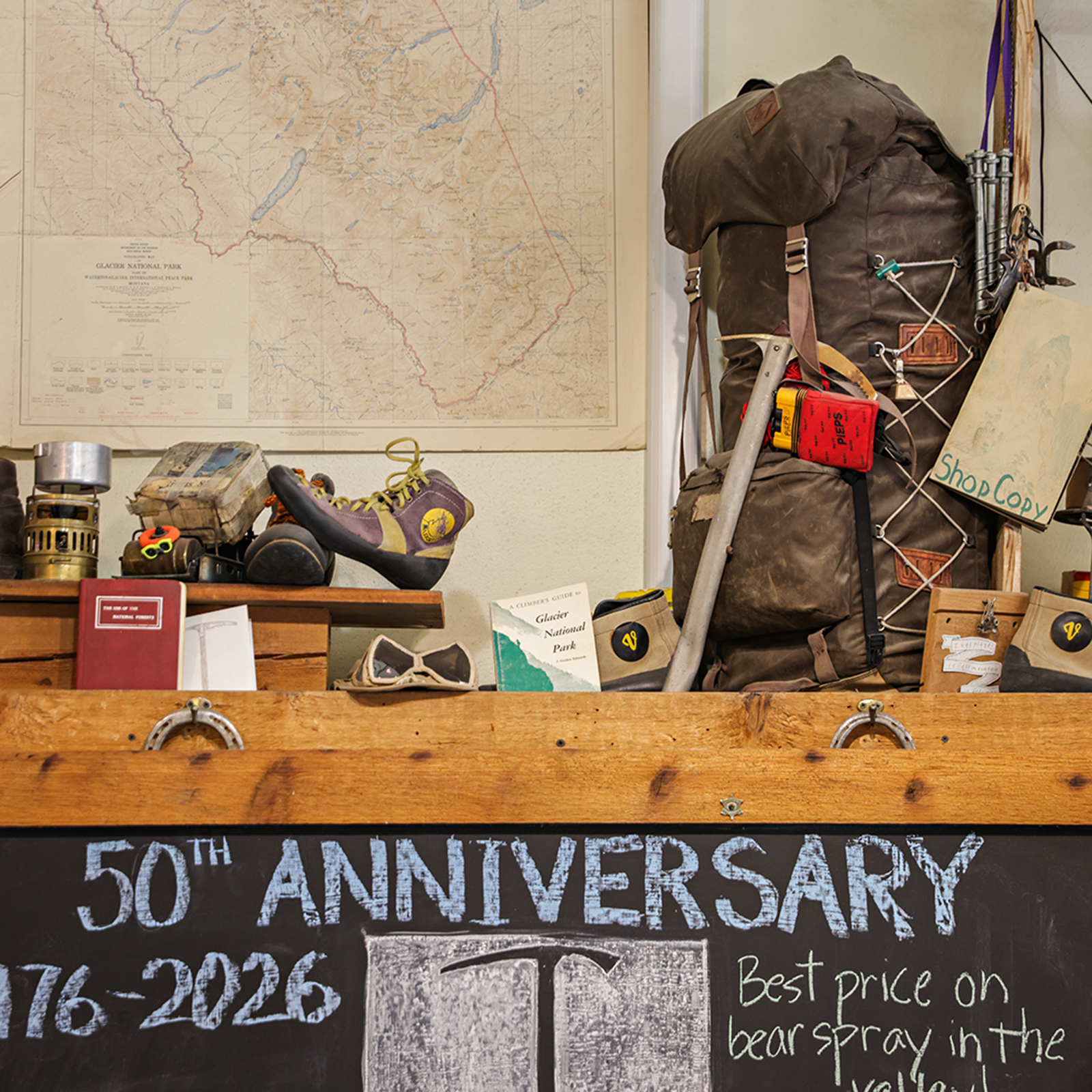
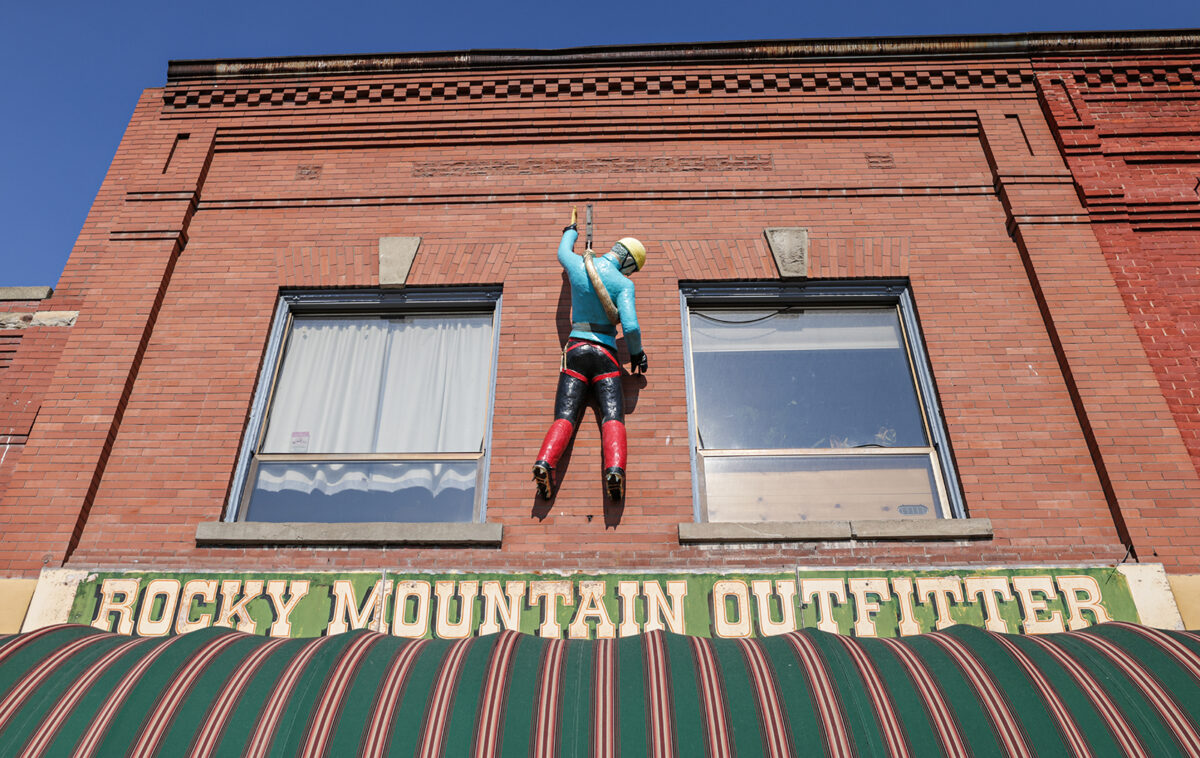
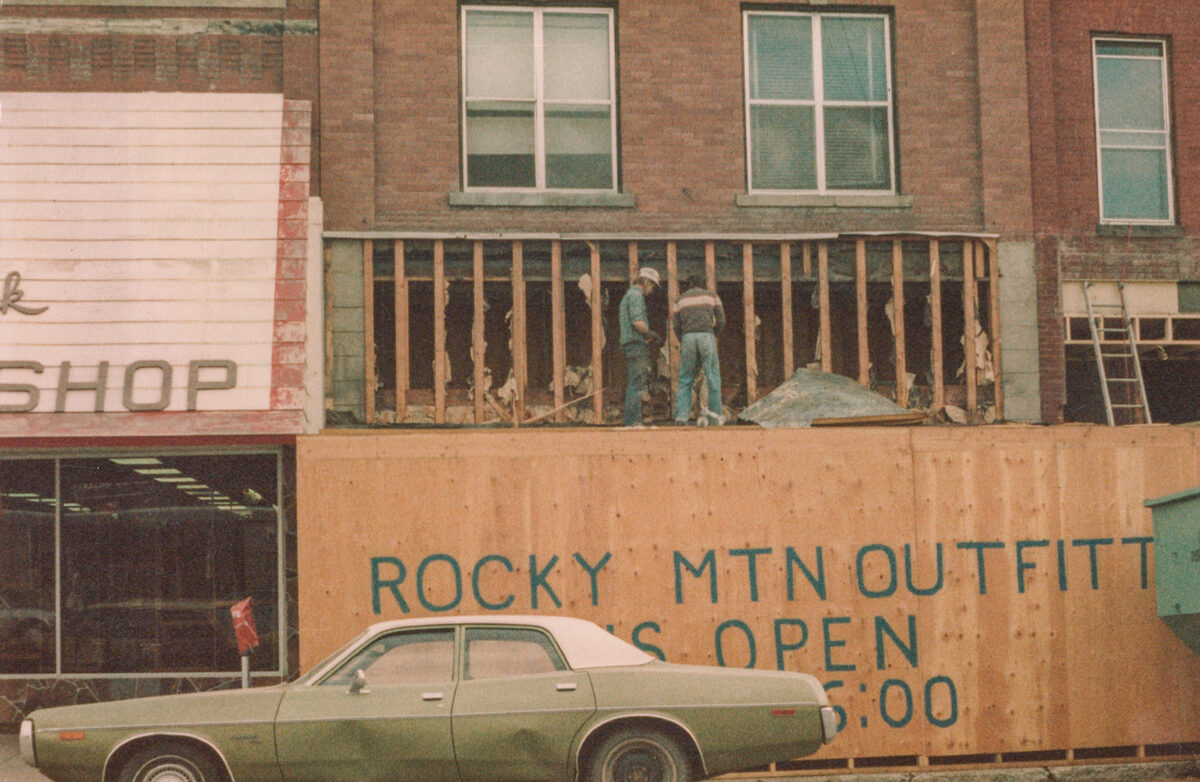
In 1976, after a young Don Scharfe was kicked out of the University of Montana for his lack of participation and after he worked for the U.S. Forest Service clearing Idaho’s trails, he showed up in downtown Kalispell with a $7,000 loan from his parents. He sold his truck and put a down payment on the 3,000-square-foot shop at 135 Main Street that had been housing Eagle Shoe Store since the building was erected at the turn of the 20th century.
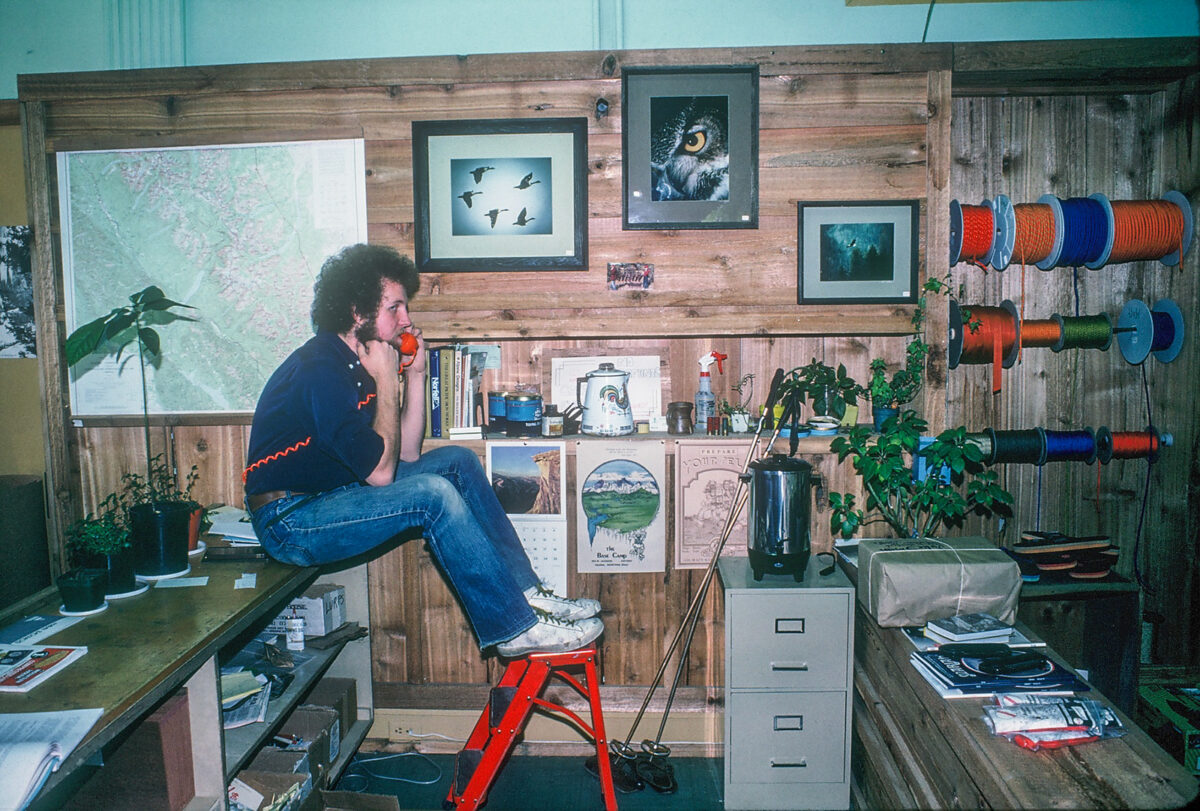
Sleeping in the loft of the store during the early days, Scharfe used the skills he learned as a ski mechanic at Bob Ward’s and The Trail Head in Missoula to launch a specialized mountaineering gear shop that he would call Rocky Mountain Outfitter, known to locals as RMO.
Scharfe’s future wife Colleen, who he met in a forestry class in Missoula when he still attended classes, later moved north after he got the shop in order. For the next four decades, she would keep the books in the same loft where her husband once slept.
Despite his lack of a business plan, 23-year-old Scharfe was granted a loan from the bank during the fortuitous “Back-to-the-Land” counterculture movement that had blossomed by the 1970s, which sent the baby boomer generation outdoors in droves.
“Back in the 70s, the outdoor industry was new,” Scharfe said. “There were a whole bunch of people my age in their 20s and we all wanted to go hiking. We wanted to go backpacking — and it was really big. It wasn’t just people in the Flathead — there was this trend of baby boomers back to nature. The Vietnam War was just about over, and everybody was going back to nature.”
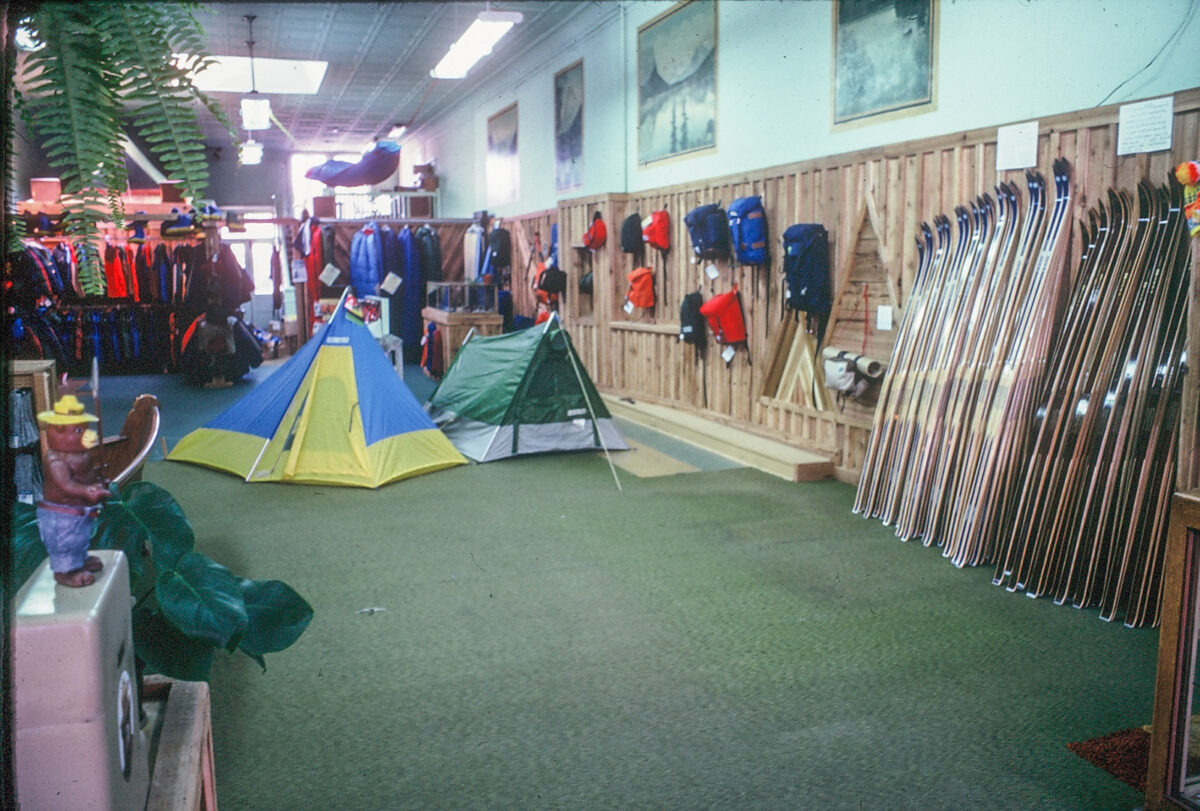
As soon as RMO opened its doors in 1976, fresh outdoor enthusiasts were buying tents, sleeping bags and camp stoves and headed for Glacier National Park and the Flathead National Forest.
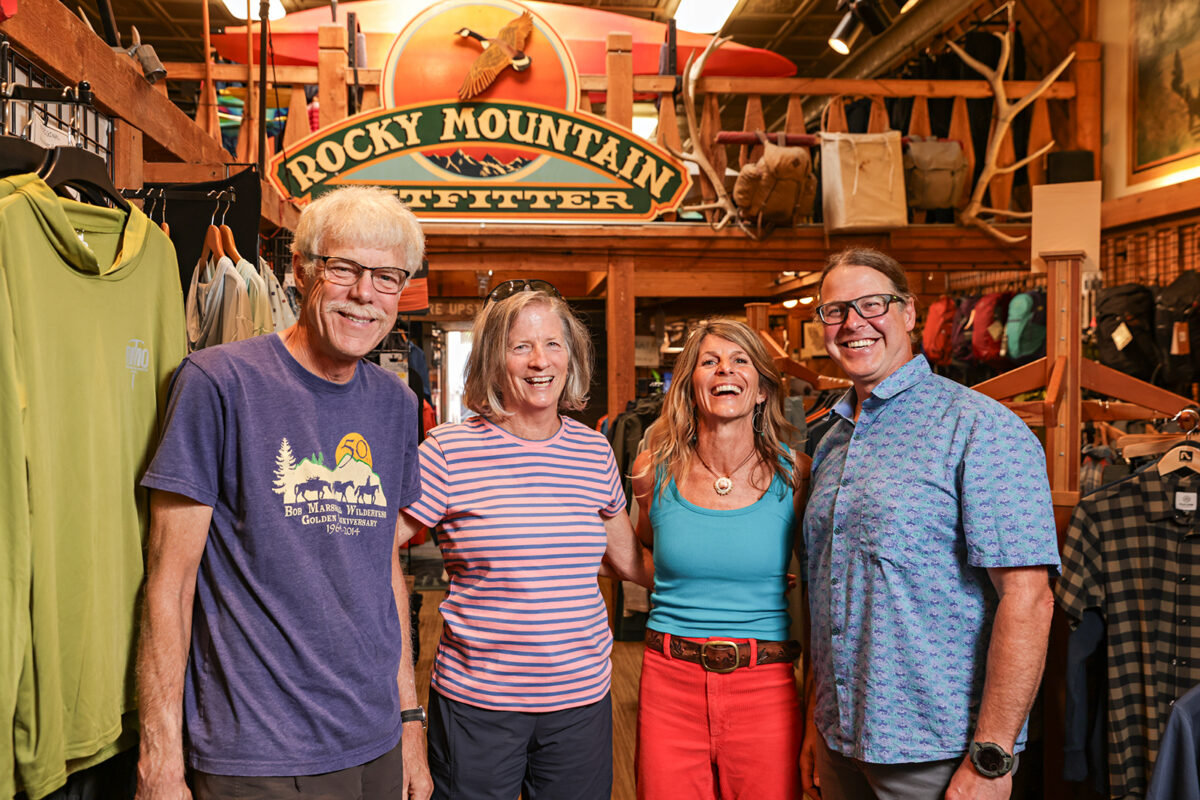
“We would just constantly be on the phone ordering stuff and as fast as they would come in, it would sell,” Scharfe said. “We caught the big wave — the big boom.”
RMO soon morphed into a community hub and an institution of knowledge where shoppers not only went to buy skis and climbing shoes but to collect beta on northwest Montana’s landscape.
For Jandy Cox, that community has kept him grounded at 135 Main Street since the early 1990s after meeting Scharfe and a handful of other dirtbag climbers at a competition in Eureka.
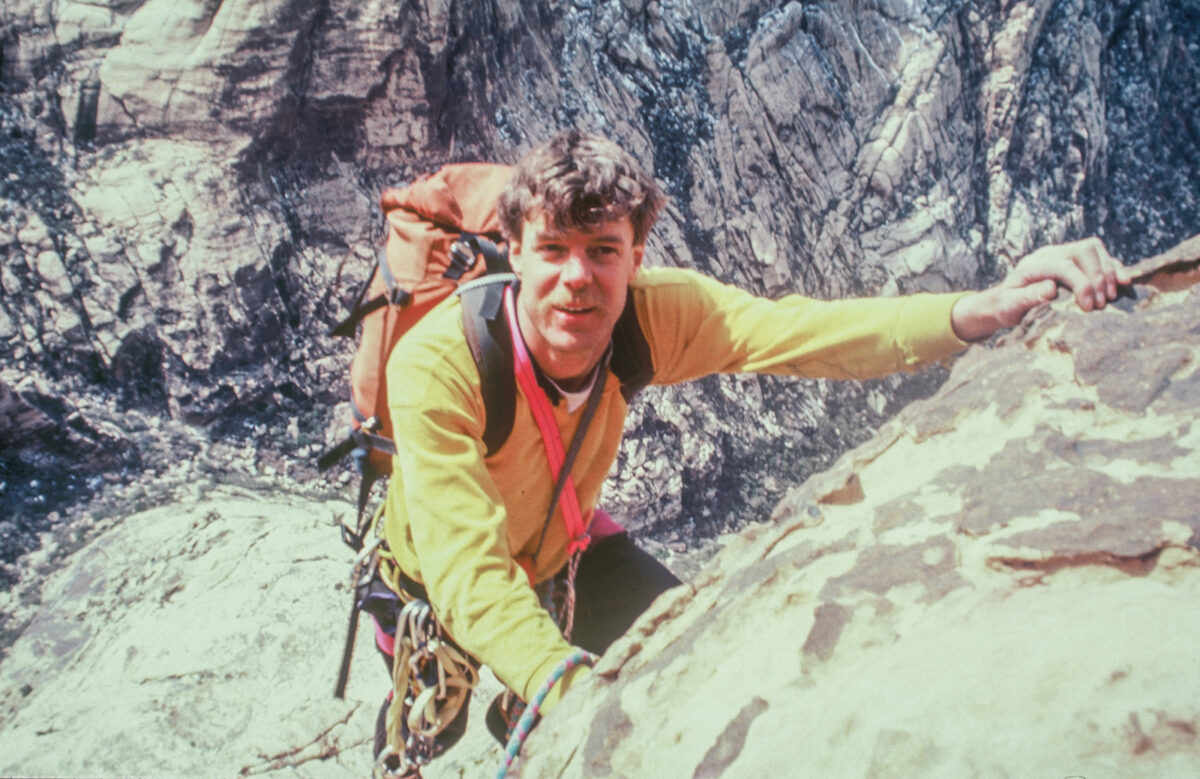
In 1989, 19-year-old Cox and a buddy were passing through Missoula while on a road trip to the Bugaboos in British Columbia when they picked up some hitchhikers who needed a ride back home to the Flathead. The fellow climbers, one of whom would eventually open RockFish Climbing Gym in Whitefish, invited them to the Koocanusa Krank at Stone Hill.
After meeting Scharfe at the Krank, the pair climbed together the following weekend and talked about an upcoming employment opportunity, which was later followed by a formal interview over sandwiches at a now-defunct cafe called Jordan’s.
In need of somebody to cover for him while he was in Europe, Scharfe hired Cox temporarily with a possibility of long-term employment.
“I needed gas in my bus,” Cox said.
By 1993, Cox was working RMO’s definition of full-time hours for the next 25 years until he bought the store from Scharfe on April Fool’s Day in 2018.
“I think I averaged 34 hours a week for 25 years,” Cox said. “Nobody really truly worked full time.”
When RMO opened in 1976, Main Street was host to a downtown metropolis that included Reed’s Sporting Goods, The Jordan Restaurant, Woolworth’s and Gambles Department Store. North Kalispell was still agriculture land and large-scale chains like REI had not yet taken off. It was before the internet changed consumer behavior forever, and the mom-and-pop mountain shops were in their heyday.
Mountain culture at that time was cultivating in towns across the West as college students and young people headed for the great outdoors.
As a new, small-scale industry, gear companies sent sales reps to shops like RMO in hopes of finding a retailer to sell their merchandise. At that time, legendary athletes like Jim Donini, Jack Tackle and Conrad Anker would often fill these roles to supplement their scrappy climbing careers.
“They didn’t make a lot of money, and they always wanted to stay at your house,” Colleen said. “So we built a little cabin so they could have somewhere to stay and it was great because then you got to know them. Sometimes they’d take you out to dinner — that was pretty rare though.”
While sales reps still are part of the industry, that intimate culture of pre-online shopping and brand saturation has since faded away. Although Cox says he’s usually courted with dinner nowadays.
“That was the culture and now it’s sort of gone,” Cox said. “It exists, but they’re not world class athletes — they’re sales guys that like doing outdoor stuff. It’s different.”
As mountain culture grew to define places like Boulder, Colorado and Jackson Hole, Wyoming, Kalispell was carving its own niche in the world of outdoor activities. But the crew at RMO never took themselves too seriously in an era of extreme sports, and they refused to sell out.
About 20 years ago, Scharfe starred in a parody film his buddies made called “Skookum Huck” where he played the character of an Olympic huckleberry picking coach. And when The North Face went corporate around the new millennium, Scharfe inserted the company’s logo in a graphic mimicking a “no smoking” sign in the monthly ad he took out in the Yellow Pages.
“North Face was the first one to go from California to China and was bought by a big corporation,” Scharfe said. “It just changed things.”
As corporate retailers like REI grew and the advent of the internet changed consumer behavior, RMO remained the same local gear shop selling lesser-known brands that weren’t sold in the big box stores.
Up until 2021, RMO staff still counted the registers manually using paper and pencils before Cox’s wife, Denise, helped the business transition to QuickBooks.
While Denise didn’t work at RMO in her youth, she’s been familiar with the store since high school and bought her first climbing rope from Scharfe in the early 1990s. Around that time, she also met her future husband at the store.
After living in Jackson Hole, Denise returned to the Flathead in 1996 when she was working in the Swan Valley for the summer, peeling yew bark to harvest taxol, an agent used to treat breast cancer. Looking to upgrade her current accommodations that was the truck bed of her Nissan, Denise was in the market for a small tent. She stepped into RMO where Cox showed her the inside of a Sierra Designs Clip Flashlight.
“It was a two-person tent, and I was illustrating how it would work for two people,” Cox said. “I was totally enamored with her and then she disappeared. I was like, ‘oh my gosh, I didn’t get her name.’ I could tell she was a climber.”
The pair were eventually reunited through Denise’s then-boyfriend, and they’ve been climbing partners ever since.
Over the decades since RMO opened in 1976, Main Street retailers slowly went out of business or migrated to the Gateway West Mall. When JCPenney left the downtown strip, Scharfe considered relocating to the department store’s former spot but later recognized that if his shop had grown any larger, it would have gone out of business.
“The reason this does this well is because we realize we are the little guy, and there’s always room for a little guy if it’s well done,” Scharfe said.
Sportsman & Ski Haus, for example, evolved into a larger local business that offers consumers a wide variety of outdoor products. Even after the retailer left downtown Kalispell, Scharfe continued to direct customers to the “big guy” if RMO didn’t have what they are looking for.
While RMO’s staff volume has remained relatively steady over the last 50 years, employee numbers peaked during the whitewater boating boom in the late 90s. The sudden demand for kayaks and canoes also meant a demand for muscle to haul the vessels out of the basement.
Staffing numbers dropped once the shop phased out of boat sales, but even during the Great Recession in 2008, Scharfe was reluctant to lay off staff despite the 30% decline in sales during the economic downturn. Instead, employees were typically content working less and voluntarily reduced their own hours.
As the economy rebounded over the next decade, the pandemic sparked another outdoor renaissance as city slickers flocked to mountain towns and picked up new hobbies in the process, placing a heavy demand on Nordic and alpine touring ski gear and helping contribute to RMO’s peak sales in 2020 and 2021.
“It’s definitely our specialty and our bread and butter,” Cox said. “We sell skis every month of the year, which is kind of a weird thing.”
But despite the changing outdoor trends, e-commerce and the big box store competition, Cox says the community continues supporting their local gear shop where they go to not only buy stuff, but to share stories.
“People love shopping in stores likes this,” Cox said. “You become a meeting place. You become a clearinghouse of information. The people that worked here wrote the guidebooks for the climbing area. They won the climbing competitions. They won the whitewater festival — there’s this wealth of knowledge in the community. People always want to support their home store and now in 2026, there is not a day that goes by where people don’t tell me, I want to buy this here at your store. I want to support something local.”