Montana Delegation Pushes Back On Interior Plan to Sell Public Lands
Montana's current and incoming members of Congress vow to oppose the five-year strategic plan, which calls for selling federal land to states and tribes
By Jules Lingenfelter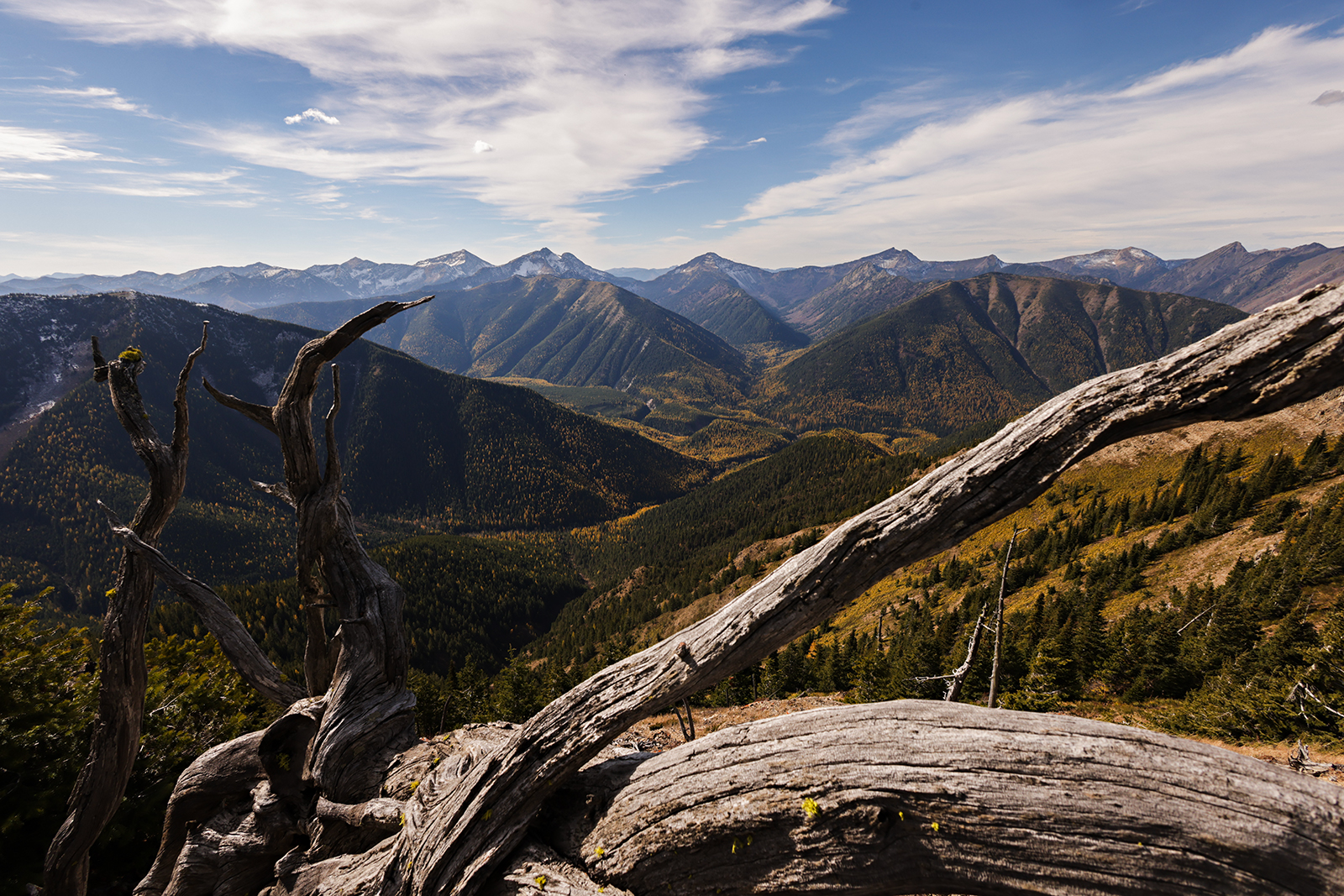
The U.S. Department of the Interior intends to shrink the federal estate by selling public lands, including as much as 27,000 acres in Montana, according to a strategic plan released last week. The announcement drew swift pushback from the state’s congressional delegation, whose slate of Republican members have opposed past efforts to move land out of federal hands.
Interior released its 2026-2030 Strategic Plan on Nov. 11. Secretary Doug Burgum said the plan reflects the department’s commitment to both protecting and developing public lands. It calls for selling public lands to states, local governments and tribes, with a portion of the sale returning to the purchaser for other conservation efforts.
“Through these sales, the Department will be able to focus its resources on primary federal responsibilities and national significant federal lands,” the plan states. The department said the move would empower state and tribal land managers to take control of their lands.
But opposition to selling or transferring federal land is bipartisan in Montana. Nearly 90% of residents surveyed by the University of Montana earlier this year supported banning such sales, regardless of party. After the plan’s release, Montana’s congressional delegation offered swift pushback.
“I will not allow ONE ACRE of Montana land to be sold,” Sen. Tim Sheehy said, citing his work to remove public land sale provisions from the One Big Beautiful Bill Act in 2025. Sheehy said his office was not consulted on the plan and is seeking more information.
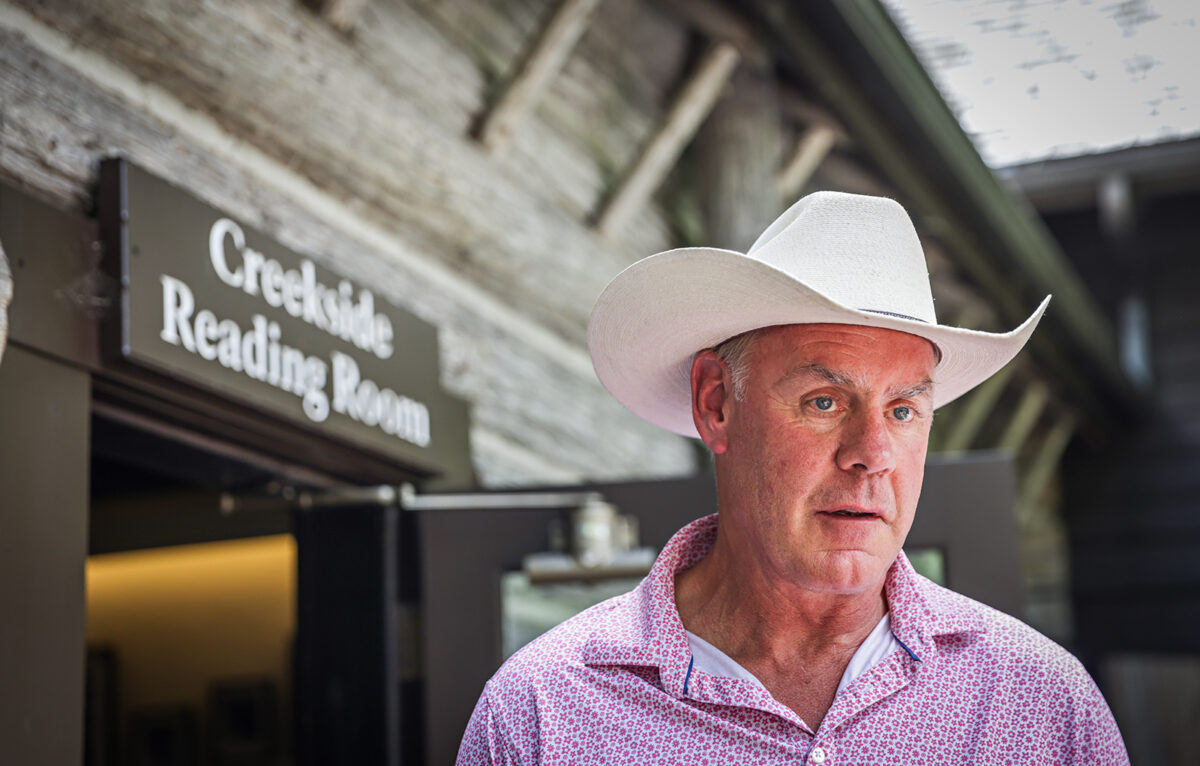
Rep. Ryan Zinke, who served as interior secretary during President Donald Trump’s first term, confirmed his opposition to selling public lands. If the issue comes to a vote in the 17 days Congress remains in session, he will vote no, Zinke’s office said in a statement to the Beacon.
Rep. Troy Downing and Sen. Steve Daines made similar statements, while Montana’s newly elected members of Congress also affirmed their commitment to protecting public lands.
“As Senator, I will always fight to keep public lands in public hands so our kids and grandkids can hunt, fish, and enjoy them just like we have,” Sen.-elect Kurt Alme, a Republican, wrote in response to Sheehy’s post on X.
“I don’t think anyone I’ve spoken with in Montana has any interest in shrinking the size of the federal estate, which is the statement that the Interior Department made,” said Rep.-elect Sam Forstag, who recently became the first Democrat Montanans have sent to the U.S. House in three decades. “If there’s anywhere that we can start some bipartisan collaboration, it ought to be public lands.”

For Frank Szollosi, executive director of the Montana Wildlife Federation, the plan would force the state to shoulder the burden of protecting and maintaining its public lands.
“The costs don’t go away,” Szollosi said. “The costs would be shifted to the state of Montana.”
Taxpayers would feel the brunt of paying for activities such as wildfire response and abandoned mine cleanup, he said. Ranchers could see higher costs, because grazing has historically been cheaper on federal land than on state land, and electricity bills could spike as more land becomes available for data centers. Szollosi also expressed concern that recreation and wildlife habitat could be disrupted without federal protections.
“It’s going to require leadership from our delegation,” Szollosi said. “More than just, you know, public statements.”
The announcement came the same week the Senate voted to advance a permitting bill that would fast-track projects on federal land by loosening environmental regulations and tribal consultation requirements. The Bipartisan American Affordability and Jobs Act, or BAAJA, would streamline certain infrastructure projects, including clean energy, fossil fuel and mining projects, by exempting them from certain procedural requirements in the National Environmental Policy Act, the Endangered Species Act, the Clean Water Act and the National Historic Preservation Act.

Energy industry stakeholders saw the bill as a step toward improving the country’s energy infrastructure and lowering electricity prices. It is sponsored by Sen. Mike Lee, R-Utah, who has previously tried to sell public lands, and Sen. Martin Heinrich, D-N.M., who has a track record of protecting them. Conservation groups across the country have offered mixed views, with some arguing the bill would promote clean energy.
The Montana Wildlife Federation criticized BAAJA as sacrificing environmental protections to push projects forward. “Faster permitting and strong conservation safeguards can go together, yet this package gives up the second to get the first,” the group said in a statement. “The benefits it promises are not guaranteed, and the projects built on rushed review are more likely to be poorly sited and short-lived.”
The Confederated Salish and Kootenai Tribes also expressed concern, sending a public letter to Montana’s congressional delegation urging members to reconsider the bill. Proponents failed to properly consult with the Senate Committee on Indian Affairs, the letter said, and are advancing legislation that puts tribes’ ability to protect their land at risk.
Sheehy and Daines both voted to advance BAAJA, opening the bill to debate on the Senate floor.
“Montanans have had three ways to protect public land from bad decisions. We own it. We can comment on it. And we can take a bad decision to court,” Szollosi said. “And over the course of the past week, the Trump administration has moved against all three of those things.”