Flathead National Forest Approves Emergency Salvage Logging of Wind-Felled Timber
The decision authorizes salvage harvests in the Tally Lake, Hungry Horse, Glacier View and Swan Lake districts to clear trees downed by December and March windstorms
By Jules Lingenfelter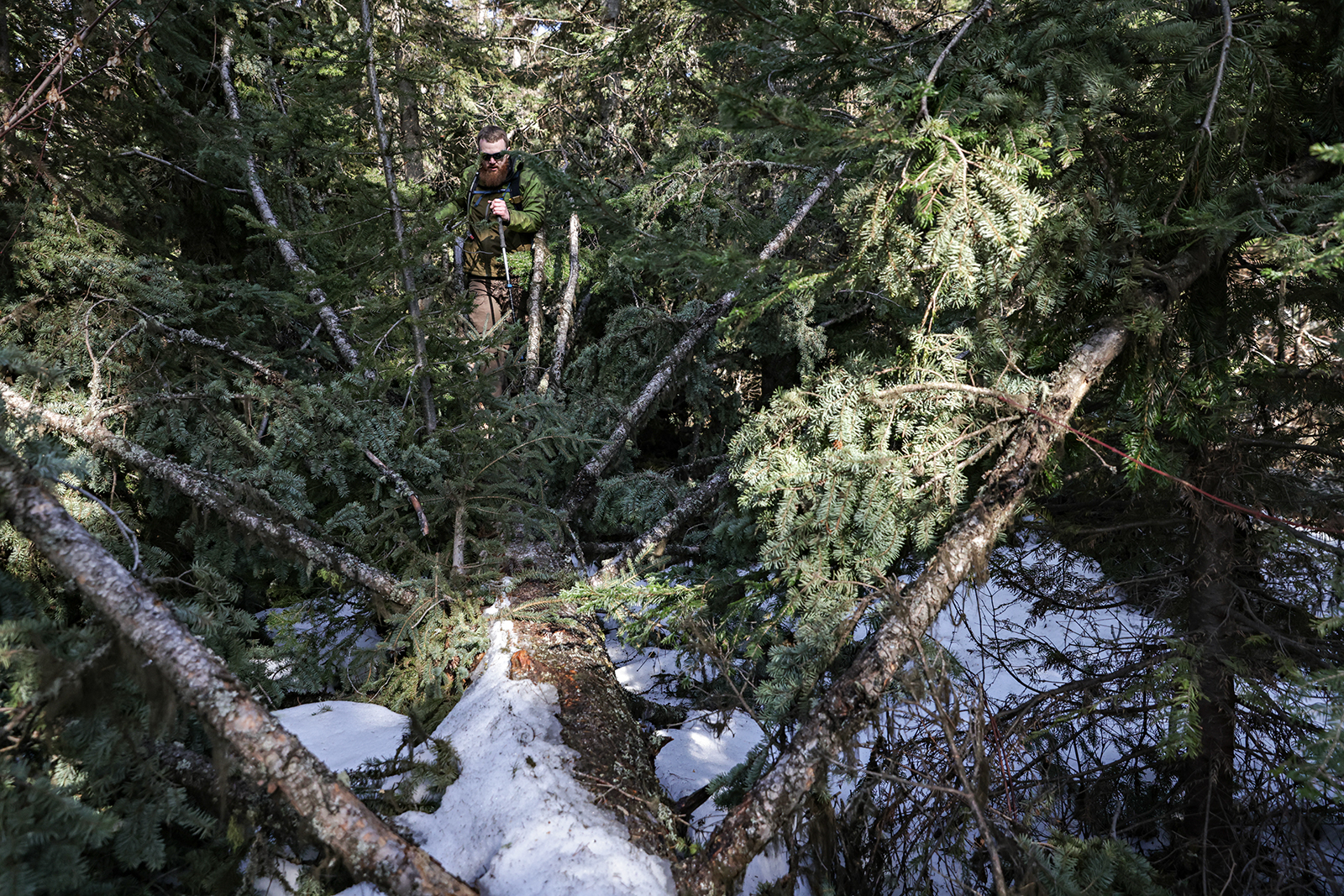
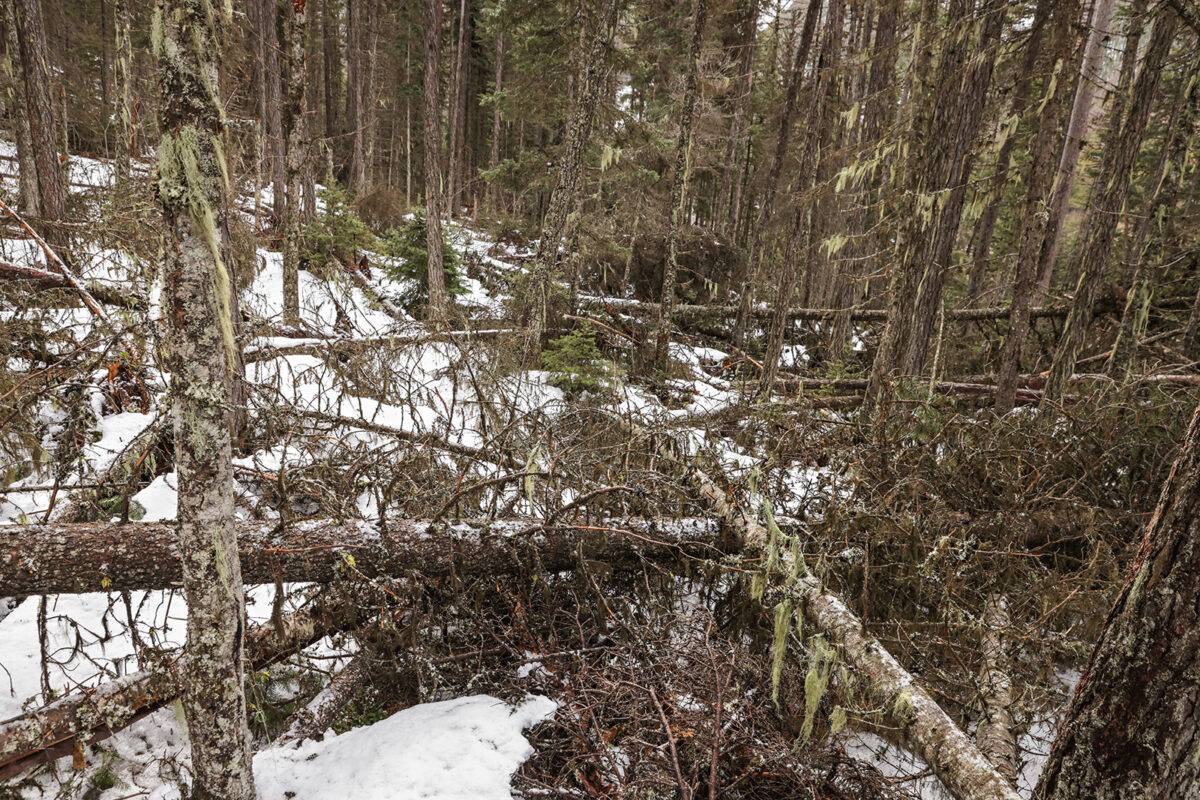
The Flathead National Forest has approved emergency timber salvage in four of its ranger districts to address trees felled by severe windstorms last winter. The approved action is a part of a wide-scale project spanning national forest land in Idaho and Montana where powerful storms caused extensive damage in December 2025 and March 2026.
On Nov. 16, Flathead National Forest Supervisor Anthony Botello signed a final decision notice for the 2026 Blowdown Emergency Project, with a finding of no significant impact. The decision authorizes salvage harvest on a total of 231 acres in the Tally Lake, Hungry Horse, Glacier View and Swan Lake districts.
According to the project plan, immediate harvest of the downed trees, known as blowdowns, is necessary to reduce wildfire risk, prevent infestations of bark beetles and other wood-boring insects and avoid losing commercially viable timber. Officials plan to use 41.7 miles of National Forest roads and build an additional 0.54 miles of temporary road.
“The Flathead National Forest has worked diligently and proactively to address the results of last winter’s windstorms to reduce hazardous field buildup in the forest, recover economic value, restore public access, and be responsive to our communities’ requests for quick action in these areas,” Botello said in a press release. “This project is the latest of several successful forestwide efforts made to clear areas of concentrated blowdown.”
In April, President Trump approved Major Disaster Declarations in Montana and Idaho after the windstorms damaged infrastructure and felled trees on national forest land in both states.
On June 22, the U.S. Forest Service released the 2026 Blowdown Emergency Project, a proposal covering six national forests: Montana’s Flathead, Lolo, Bitterroot and Kootenai and Idaho’s Panhandle and Nez Perce-Clearwater forests. Flathead National Forest officials analyzed the project in the 2026 Blowdown Emergency Final Environmental Assessment, and Botello approved the plan “with no additional modifications or mitigations for the Flathead National Forest.”
Officials authorized the project under the Emergency Situation Determination issued by Secretary of Agriculture Brooke Rollins in April 2025. The determination allows the agency to streamline projects on designated land by skipping the usual public objection period and formal consultation with the U.S. Fish and Wildlife Service on protected species’ habitat.
The 2026 Blowdown Emergency Project proved controversial when it was first proposed. The June 22 notice outlined general salvage logging activities but not specific worksites, which forest officials said they would determine through scoping later in the summer.
During a seven-day public comment period, the Forest Service received 184 submissions, many criticizing the lack of site-specific information and the lack of time for meaningful community involvement.
“The June 22nd notice contains almost no information on the scale of the blowdowns, where the blowdowns are located, resources that may be affected, how the work will be paid for, or how many miles of temporary roads may be built and where,” the conservation group Glacier-Two Medicine Alliance wrote in its comments. “To reiterate, the proposed action makes no meaningful attempt to succinctly describe the affected environment, it simply describes the political geography of where the work could occur.”
The conservation group urged the Forest Service to withdraw the project and instead opt for forest-specific action plans.
Botello acknowledged the split in his decision.
“Comments revealed a deep divide between those who see the project as necessary for forest health, safety, and economic reasons, and those who view it as an unjustified, ecologically damaging, and procedurally flawed response to a natural event,” Botello wrote. He said the final environmental assessment addressed those concerns by demonstrating the project’s small scope and its compliance with applicable environmental laws and regulations.
Forest officials expect work to begin immediately. More information on the 2026 Blowdown Emergency Project can be found on the project webpage.