How Country Singer Tyler Childers’ $500,000 Donation is Impacting Lives Across the Blackfeet Nation
Three of the organizations that received donations from the country singer share how the funds have boosted their efforts
By Zoë Buhrmaster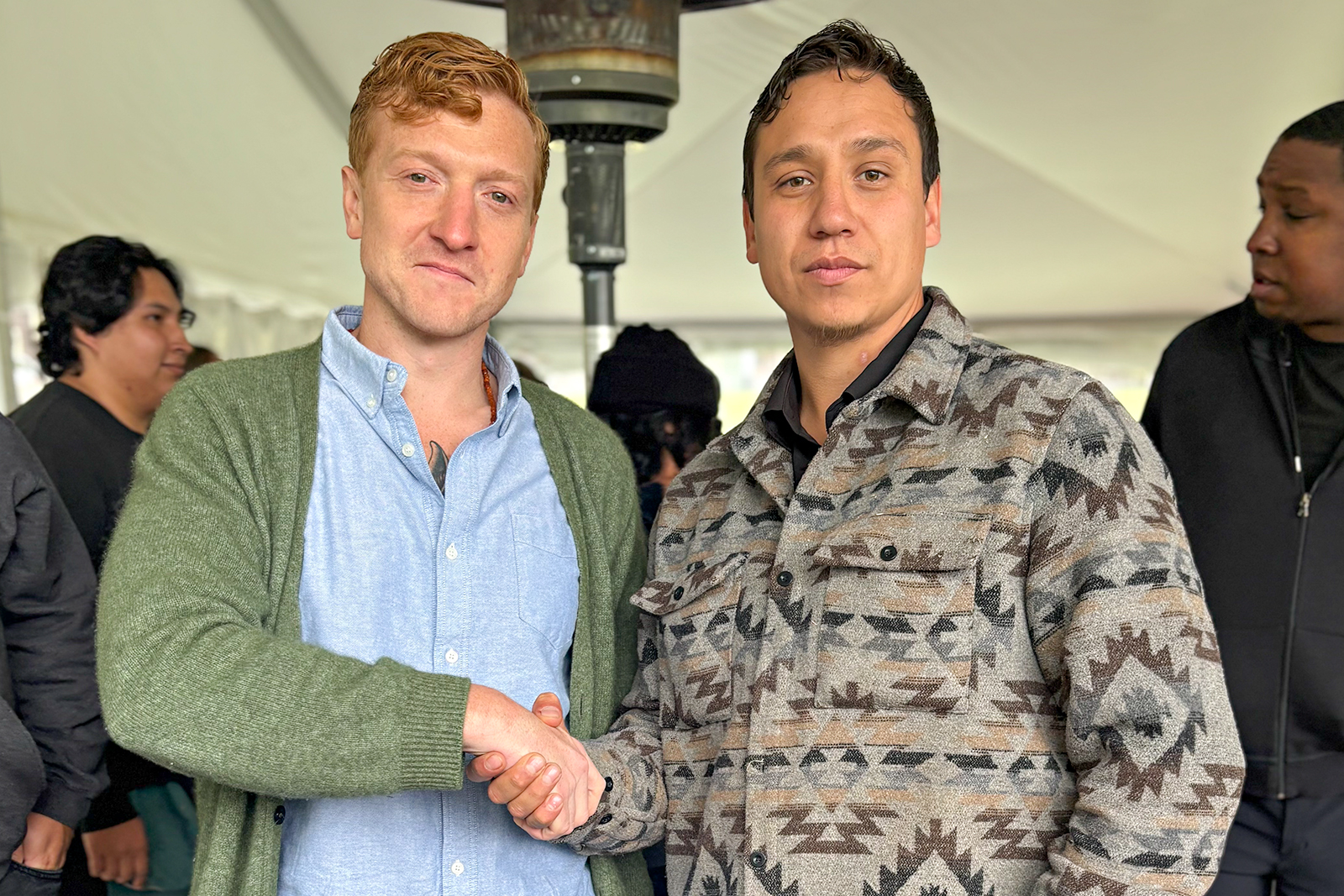
A few years ago in a hide tanning class, Kentucky-born singer and songwriter Tyler Childers met Shawn Old Chief, a Blackfeet tribal member. Partnered together, they began a friendship that would draw Childers to the Blackfeet Nation.
In August of last year, Childers played a concert on the Big Mountain Ranch in Whitefish, where all proceeds were donated to the Blackfeet Tribe. Eleven different organizations around the Blackfeet Nation benefitted from the concert. Additional proceeds came through the Hickman Holler Appalachian Relief Fund that Childers and his wife Senora May have established.
After performing at Under The Big Sky Music Festival earlier this year, Childers traveled to the Blackfeet Reservation to meet people from the organizations he had funded. Childers donated again to those organizations and added five other groups. Recipients include a variety of sports programs around the reservation, including wrestling, softball, boxing and rodeo, the Browning Public School District, Ohkomi Forensics, Two Powers Land Collective and others.
Between this year and last, Childers has donated $500,000 to Blackfeet organizations, and he has largely kept quiet about his giving.
Three of those organizations, Blackfeet Eco Knowledge (BEK), Food Access and Sustainability Team (FAST) Blackfeet, and Backpacker’s Ferry, shared how the funds have boosted their work in the Blackfeet Nation.
At Blackfeet Eco Knowledge, Lona Running Wolf, co-CEO with her partner Tyson, had been looking into starting a language revitalization project for some time. The nonprofit works to reconnect people with traditional knowledge, language and culture in the Blackfeet Nation.
The Blackfoot language, Nitsiipohwaasin, is considered an endangered language by UNESCO. Out of the four sister tribes, the Blackfeet Tribe and three in Canada, there were less than 5,000 Nitsiipohwaasin first-language speakers as of 2016.
When donations from Childers came in, $25,000 last year and another $12,000 this year, BEK staff went to work.
Lona Running Wolf sought to develop more first-language speakers, differing slightly from most revitalization programs that teach Nitsiipohwaasin as a second language. With a background in literacy studies, she had familiarized herself with what it takes to develop first-language speakers – starting with babies.
“There’s the dialect, the nuanced sounds that we have that are unique to our language and the babies need to hear those sounds, the phonemic sounds in order for it to be stored in their brain,” said Lona Running Wolf.
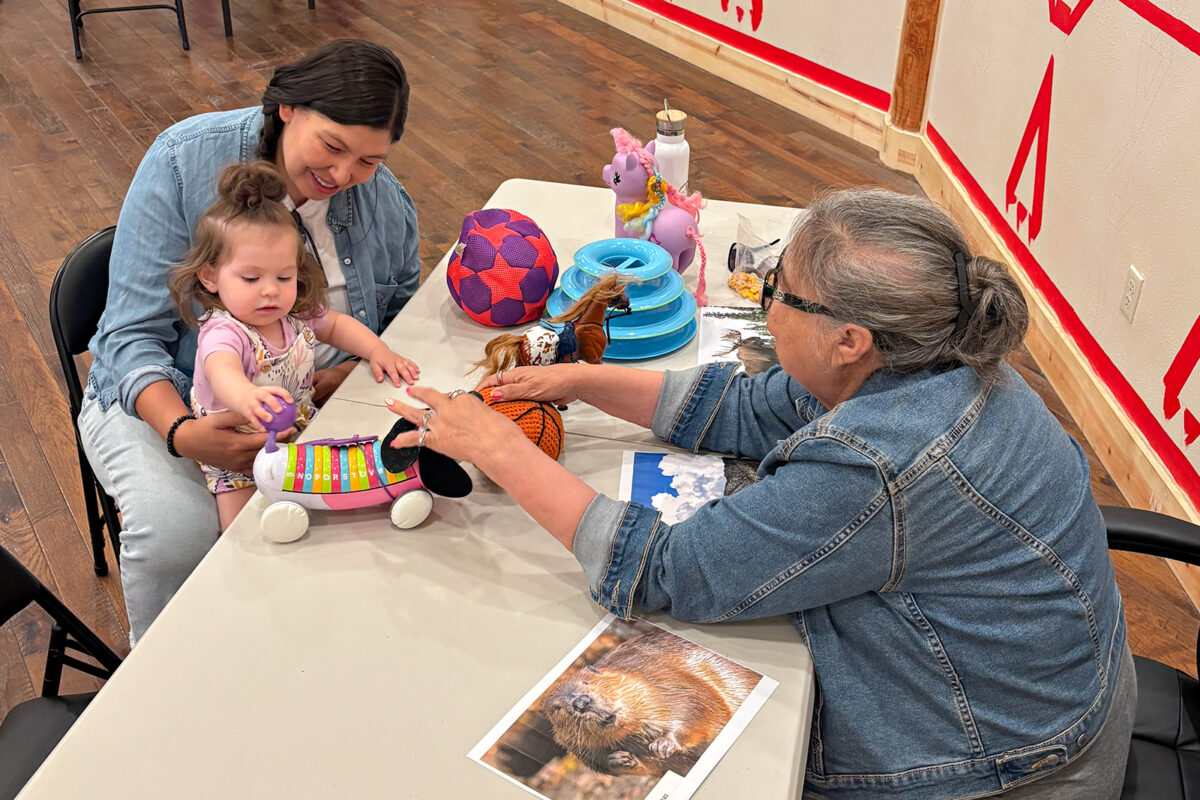
She assigned Emmette Dustybull, one of the nonprofit’s Shield Keepers, to lead the Baby-Elder Language Project. After much feedback and teamwork to design the pilot program, they launched it in January, with six elders and six babies. On the first and third Sunday of each month, families and elders would meet in Buffalo Bull Lodge, the ceremony room at the new Blackfeet Tribal Historic Preservation Office.
In the large room, elders would sit with babies and their mothers for 20 minutes at a time, playing with toys strewn across a table. All the while, the elders would be narrating in Nitsiipohwaasin. Then they’d switch and share another 20 minutes with a different child and mother. In another room, Dustybull taught other family members’ Nitsiipohwaasin grammar to take home and practice. The remaining hour was for informal chatting, a chance to connect and for elders to share with families words they’d used that the mothers were unfamiliar with.
As the pilot project came to a close in June, Dustybull asked one of the elders who had been playing with the same baby to tell the child what to do in Nitsiipohwaasin, without showing her.
“Maatsit,” the elder said.
The baby grabbed the doll.
“Sonai’sskip,” the elder said.
The baby kissed the doll on its forehead.
Dustybull and the elder looked at each other. In just 10 sessions, the babies had begun to understand basic commands and words.
“It means a lot to me,” said Dustybull, who grew up as a second language learner, taught by some of the same elders in the program. “It was really wholesome to see these babies to actually pick it up.”
They’ve also started a QR code program in partnership with Glacier Family Foods. Next to food items throughout the grocery story, the organization has printed labels with the Nitsiipohwaasin name for each food, along with a QR code. When scanned, the code brings up an audio recording that pronounces the Nitsiipohwaasin word or phrase.
Running Wolf said that they plan to continue the program, along with a second Baby-Elder project, with the $12,000 Childers donated this year.
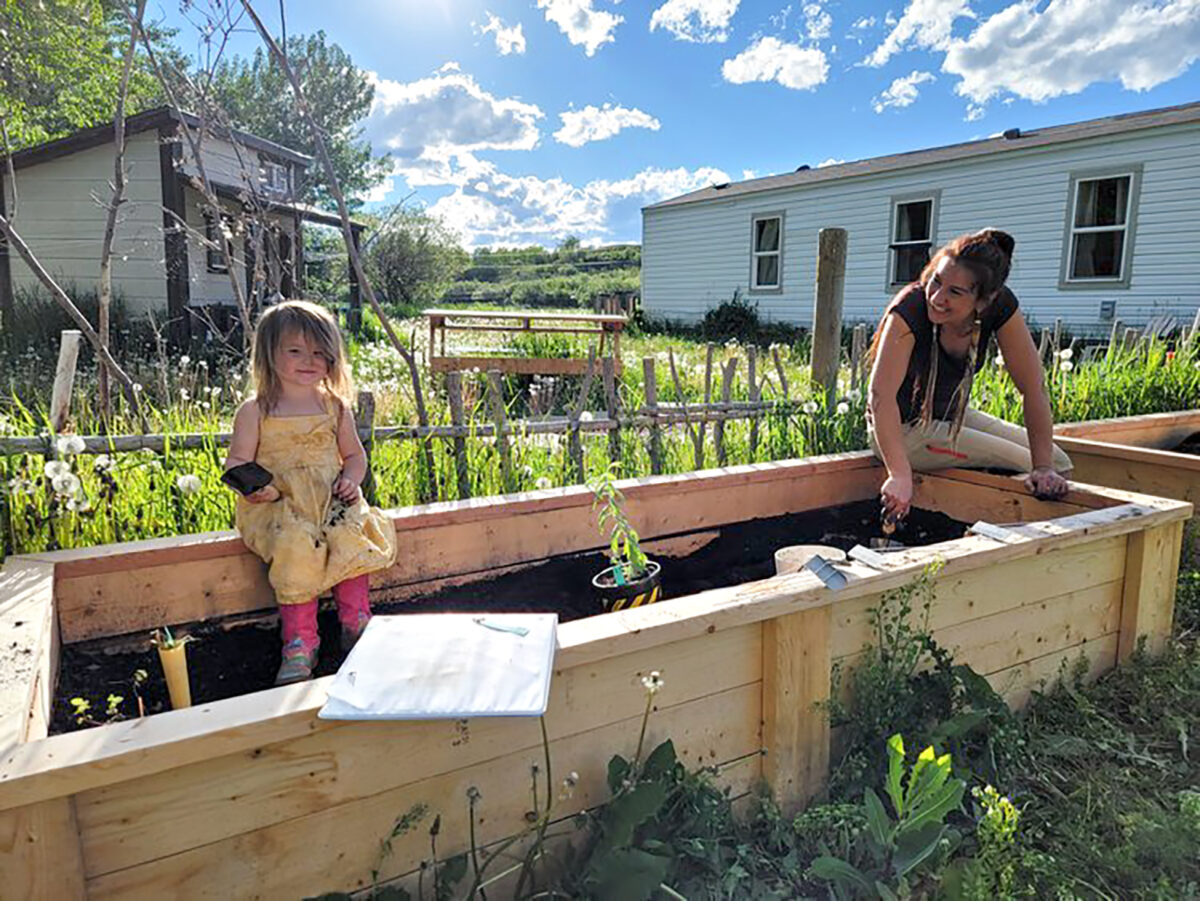
At Food Access and Sustainability Team (FAST) Blackfeet, Childers’ donations this year are going toward sustaining operations, including a food pantry, cooking and nutrition classes, and a household gardening initiative.
Last year, directors used the money to pay staff salaries and purchase a new pickup truck. The truck has allowed the food sovereignty organization to reach small, outlying communities like Heart Butte, Babb and Seville during the winter, when the cargo van is unequipped to make the trip.
Iris Sharp, the assistant director at Food Access and Sustainability Team (FAST), said the food pantry is the organization’s largest program serving around 400 families each week.
“His funding helped keep our pantry stocked with healthy, also culturally relevant foods,” Sharp said.
Colonization upended Blackfeet’s food systems that traditionally included bison, plants, berries, and other wild game. At FAST Blackfeet, Sharp said a key part in their mission of food sovereignty is to provide access to those healthy, traditional foods. To help people incorporate those foods into their diet, they also teach people how to modernize them and cook them to their liking.
“We weren’t eating bison or using our native plants,” said Sharp. “We lost the knowledge of what plants we used to eat and use as medicines, so we’ve seen that as an issue that we needed to resolve … The nutrition program was created based on the realization that nobody’s grabbing these food items because nobody knows what to do with them. So we wanted to make sure that people not only had access to those foods, but also that they knew how to cook them and use them with modern dishes that they already make at home.”
The Growing Health Program, the household gardening initiative, covers the “spectrum from everyday food access to long-term food sovereignty.” The program holds workshops on gardening basics, growing traditional plants, and food safety. Herbs from the program’s garden that make traditional teas go into the food pantry, and starter kits for home gardens are sent out to the community. That’s another way the truck has been helpful, Sharp said, in transporting pre-made garden beds and supplies to community members.
“Before we would have to work with our partners to help us bring these opportunities around and now we can do it on our own, which is great,” Sharp said .
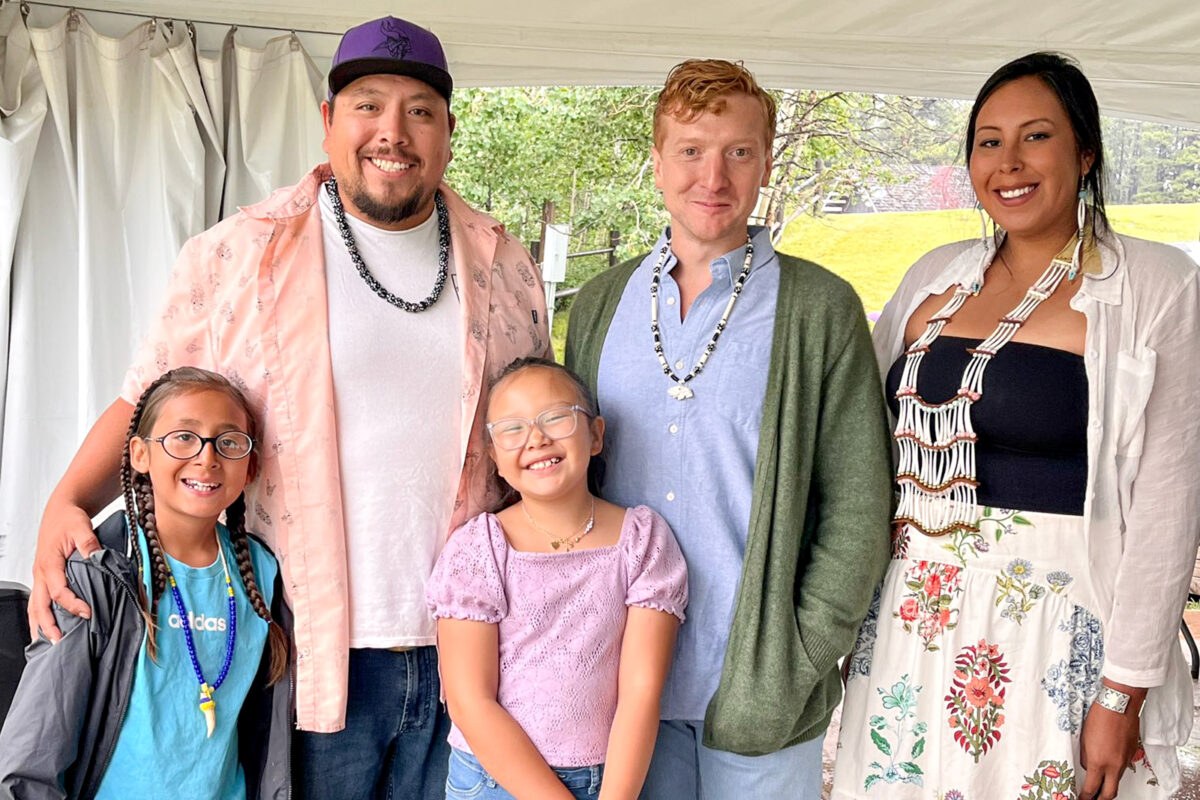
Offering a ride to some hitchhikers shortly after the Blackfeet Nation had reopened its borders in 2021 following the COVID-19 pandemic, Christen Falcon and Wyett Wippert saw an opportunity in the stream of tourists and hikers entering Glacier National Park from the east.
“We realized, there’s no shuttles around, no rental cars, no taxis, nothing like that,” Falcon said. “That was an easy gap to fill.”
They launched Backpacker’s Ferry, a shuttle and education service that offers flexible rides to remote areas in Glacier National Park, the Bob Marshall Wilderness, and Blackfeet Nation. For the first few years, Falcon and Wippert split duties between the two of them.
This year they’ve been able to hire four rotating employees, along with purchasing two more vehicles to accommodate more visitors, thanks to a $10,000 donation from Childers.
The shuttle service is 100% Blackfeet owned and operated. Rides also include relevant education from the driver on land-based knowledge and the Blackfeet’s history in the area.
In the offseason, Falcon and Wippert both work on different initiatives on the reservation that center on tribal sovereignty. Falcon has worked with Piikani Lodge Health Institute, giving plant walks around Glacier, and other projects that focus on climate advocacy and connecting with Blackfeet culture. Wippert has worked with FAST Blackfeet, and helped with the release of bison on Blackfeet Nation land.
For them, cultural education is an integral part of each shuttle ride.
“Being able to provide crucial knowledge to visitors of the first inhabitants of this place, how we are still stewards of this land,” Falcon said. “We highly educate visitors of place-based knowledge and how they themselves could be able to take care of their communities and help shift perspective.”