Libby-area Floodwaters Could Expose Mine Waste, Other Contaminants at Superfund Sites
State and federal regulators say flooding within the Libby Asbestos Superfund boundary may mobilize legacy mine waste, including asbestos-laced vermiculite; a boil water advisory remains in effect due to high levels of turbidity in the source of Libby's drinking water
By Tristan Scott
State and federal regulators have long identified concerns about how wildland fire in the dense forest surrounding Libby’s former vermiculite mine could spark a public health emergency. This week, however, officials were focused on whether historic flooding will disturb the contaminated mining waste at a Superfund site that remains ground zero for asbestos contamination.
According to the Montana Department of Environmental Quality, regulators are “monitoring closely the flooding” in Lincoln County and elsewhere in the northwest corner of the state, where five bridges were damaged or destroyed this week in the most catastrophic flooding the region has experienced in decades, prompting road and school closures as local officials pegged the costs of repairs in the millions of dollars.
Meanwhile, state environmental regulators are coordinating resources and information with other state, local and federal partners to identify and address public health risks associated with the impacts of flooding on two federal Superfund sites, including the site of the former W.R. Grace and Co. vermiculite mine.
“DEQ does anticipate some amount of mine waste and vermiculite may be exposed by the flooding, particularly on road surfaces and riverbanks,” according to a DEQ spokesperson, Nolan Lister, in an email. “People should stay out of flood waters and avoid washed out roads. Water within the Libby Asbestos Superfund boundary may mobilize mine waste or vermiculite.”
The most dramatic flooding occurred on Libby Creek, as well as on the Yaak and Fisher Rivers south of the towns of Libby and Troy, while some flooding along U.S. Highway 2 touches the Libby Asbestos Superfund site. The likelihood of flooding disturbing asbestos-laced vermiculite doesn’t necessarily place the public at immediate risk, officials said, explaining that the most harmful exposure pathways for asbestos are when it becomes airborne and is inhaled.
Since 2000, Lincoln County has been the epicenter of one of the largest Superfund cleanups in American history. Hundreds of people died and thousands became ill during decades of exposure to asbestos from the former W.R. Grace mine, where workers dug asbestos-laced vermiculite ore out of the earth and carried the dust home on their clothes. The mine closed in 1990 and the site was placed on the U.S. Environmental Protection Agency’s (EPA) priorities list in 2002 due to high levels of asbestos in and around the communities of Libby and Troy. The site is divided into eight operable units spanning hundreds of acres.
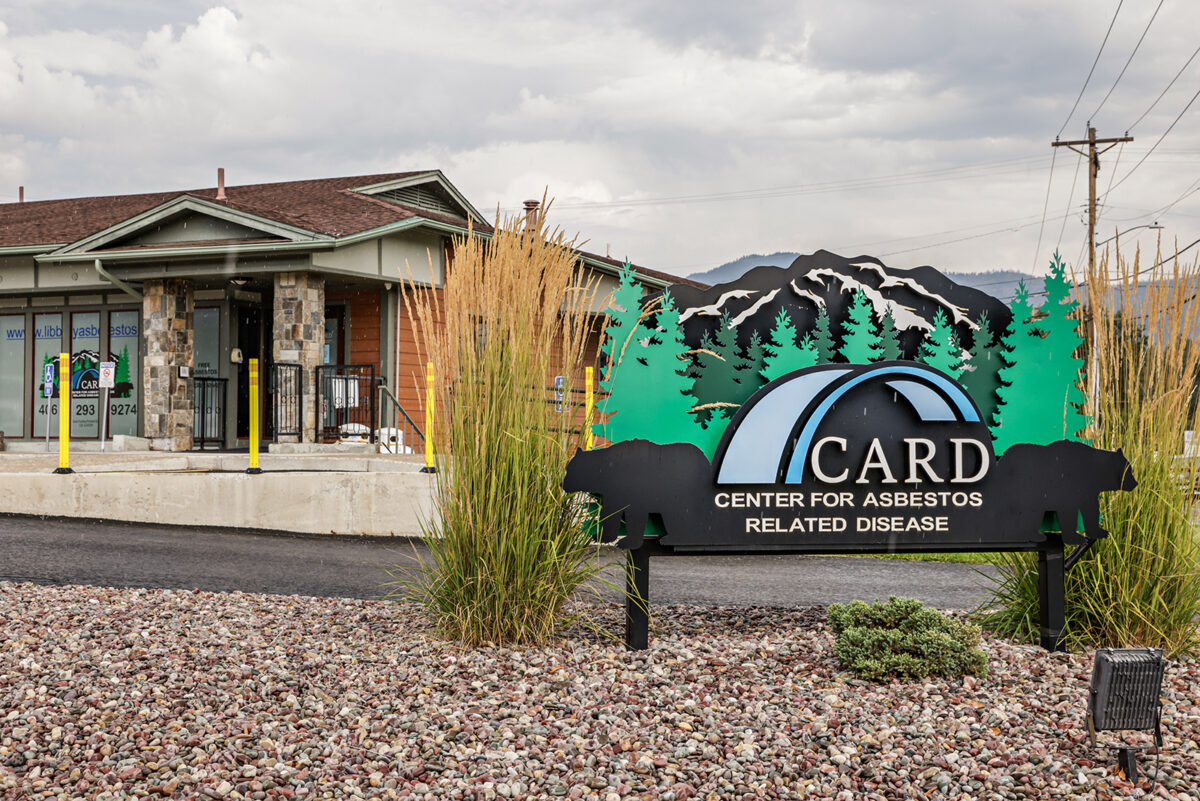
And while the EPA has partially deleted five of the operable units and billed the community as the cleanest it has been in years, the shuttered mine site and the contaminated forest around it are still potential sources of exposure. Because asbestos is still found in the soil, the forest floor duff and in the bark of trees there, local, state and federal authorities have long worried about what would happen if a large wildfire started near the old mine site, possibly releasing asbestos-laden ash into the air.
But it’s less clear how flooding could disturb and mobilize asbestos-laced ore that had been dormant in the soil, officials said, potentially raising new exposure pathways and public health hazards.
“Inspections of flooded areas will take place after the water recedes to identify any areas of concern, and DEQ may take further action based on these inspections,” according to Lister. “Washed out roadways, bridges and riverbanks are at highest risk for exposing pockets of mine waste or vermiculite.”
DEQ also intends to work with Asbestos Resource Program, a local entity, to organize inspections and any necessary remedial actions for effected property owners in Lincoln County. If there are immediate concerns about a release of mine waste or exposed vermiculite, notify ARP immediately at (406) 291-5335.
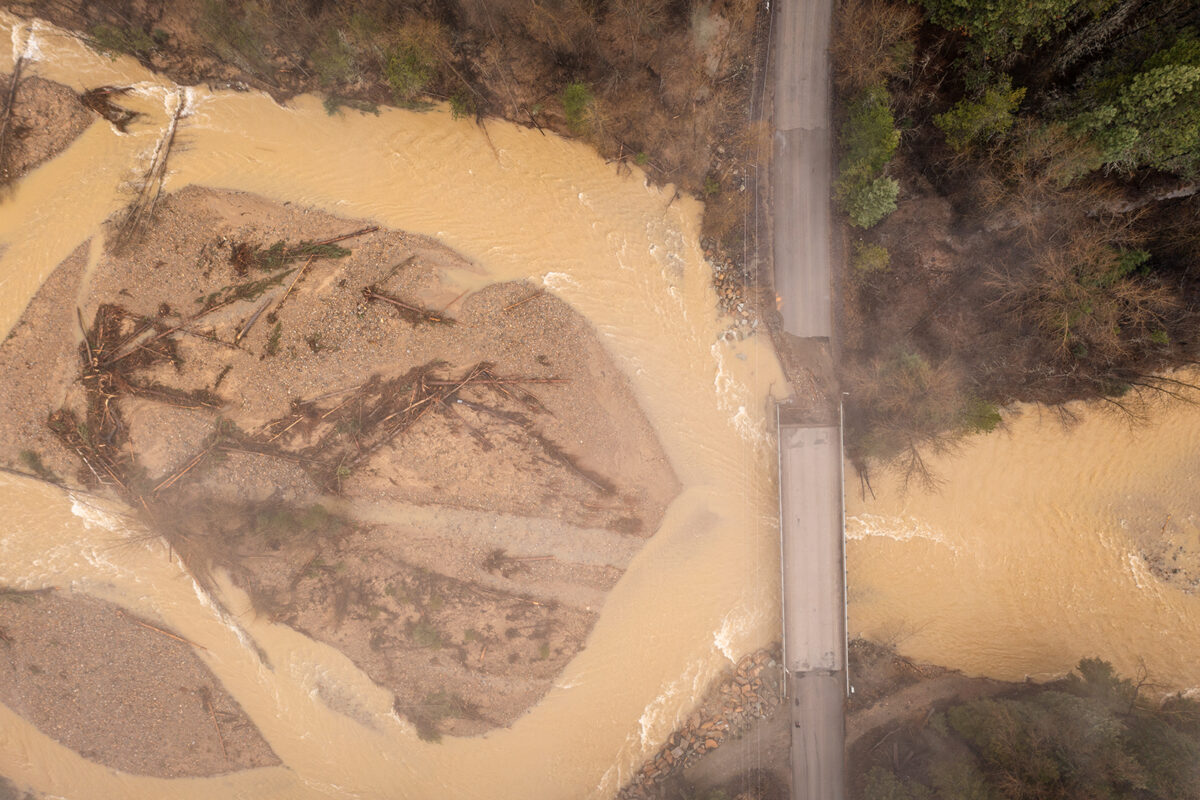
The flood waters have also resulted in high turbidity in Libby’s source water, Flower Creek, to the point the city is unable to treat it. The city contacted DEQ and self-initiated this process, according to officials. DEQ directed the city to issue a boil water advisory, which will remain in place “until the water supply is able to consistently comply with the Safe Drinking Water Act’s surface water treatment requirements and additional bacteriological sampling (the standard method of testing drinking water for indicator bacteria, or coliforms) shows satisfactory results,” according to DEQ.
Residents should boil water for at least one minute before using it for drinking, cooking, brushing teeth, or dishwashing.
Meanwhile, state and federal officials are also heightening vigilance at another, lesser-known Superfund site where a former lumber mill owned by International Paper contaminated the water supply for a large part of the city of Libby. That Superfund site is being led by EPA Region 8, and DEQ directed questions regarding the status of that site to EPA Region 8 Community Involvement Coordinator Beth Archer.
On Dec. 12, the Lincoln County Sheriff’s Office notified residents that the flood conditions may also have compromised the Lower Flower Creek Diversion Dam.

“Information received from engineers this evening indicates the dam has the potential for failure but is holding,” according to a press release from the sheriff’s department. “In the event the dam does fail, the resulting water flow could affect the notified area.”
On Dec. 13, a press release from the Lincoln County Emergency Operations said that a low spot in the dam’s earthen embankment “overtopped for approximately 12 hours” on Dec. 11, resulting in moderate erosion damage to the dam. However, “at this time, the Lower Flower Creek Diversion Dam does not appear to be at risk of imminent failure.”
Residents wishing to relocate should contact (406) 293-6295. There are no concerns at the larger Flower Creek Dam upstream, which remains stable and fully operational.
Town hall meetings were scheduled Saturday in Libby and Sunday in Troy to answer questions regarding the flooding situations in Libby and Troy. Details for both meetings, including remote Zoom options, are available on the Lincoln County Health Department’s Facebook page.
Bottled water will be available for distribution at both meetings.