Columbia Falls Begins Piecing Together New Land Use Plan
Consulting firm Cushing Terrell presented the results of a community survey about the city’s future, as well as an “Existing Conditions” report to be used as a baseline ahead of 20 years of projected growth.
By Lauren Frick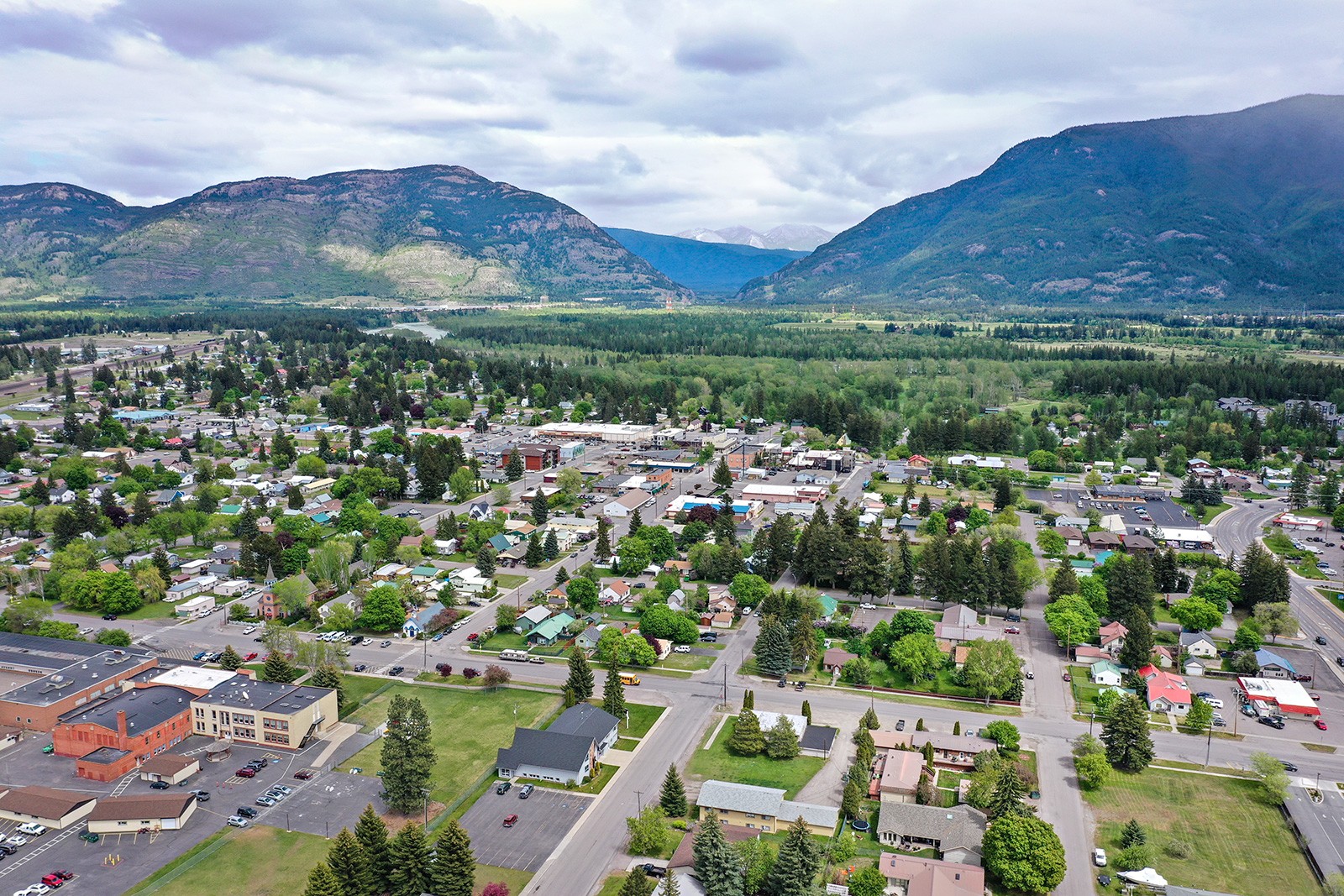
The Columbia Falls City Council and planning commissioners this week got a look at the first round of community outreach results in the city’s state-mandated process to update its land use plan to address the next 20 years of growth.
Consulting firm Cushing Terrell presented the results of a November community survey about the city’s future, as well as an “Existing Conditions” report, which paints a picture of Columbia Falls — from housing to transportation to economic development — to be used as a baseline ahead of the next two decades of projected growth.
Both the survey results and the report detailing existing conditions will serve as foundational pieces in the city’s update of its 2019 growth policy to meet new state requirements.
In May 2023, the Montana Legislature adopted Senate Bill 382, which created the Montana Land Use Planning Act (MLUPA). Under the statute, 10 cities across the state, including Columbia Falls, Whitefish and Kalispell, are required to adopt a new land use plan and update local zoning and subdivision regulations in accordance with both MLUPA and the land use plan to accommodate for the city’s projected population growth.
Cushing Terrell will be responsible for piecing together the new land use plan, while the city will handle updating the local zoning and subdivision regulations, City Manager Eric Hanks said.
The city and the consulting firm will base these updates on a projected population growth rate of 1.8%-2.3%. This means Columbia Falls could have between 2,458 and 3,301 additional residents for a total population range of 8,191to 9,034 people by 2045, according to Cushing Terrell’s report.
To prepare for this projected growth, Cushing Terrell surveyed 374 community members in November and December to get a sense of how residents viewed Columbia Falls now and in the future. More than half of participants — 55.8% — have lived in or around Columbia Falls for more than 15 years, while 36.5% have lived in or around the city for three to 15 years.
When asked about the top four greatest assets of Columbia Falls, respondents overwhelmingly agreed that “nearby access to open space and public land” was a top asset, with almost 90% of survey participants selecting that response. “Clean air and water” (66.3%), “recreational opportunities in and around the city” (60.2%) and “friendliness of community members” (47.1%) rounded out the top four responses selected by community members, according to city documents.
Regarding the future of the city, respondents ranked “preserving the natural environment” (83.7%), “housing cost” (61.5%), “public safety” (56%) and “recreational opportunities” (51.2%) as the top four issues to be considered when considering the future of Columbia Falls.
These priorities showed up again when respondents were asked what land uses should be the primary focus of the city’s future, with “preserving open spaces and natural areas” (69.5%) and “affordable housing” (58.6%) being the most selected responses, according to city documents.
Regarding the direction for future housing type prioritization, survey participants largely agreed that they would like to see more “single-family homes” (70.8%). “Mixed use (apartments above commercial space)” was the second-most picked response from participants with 37.2%.
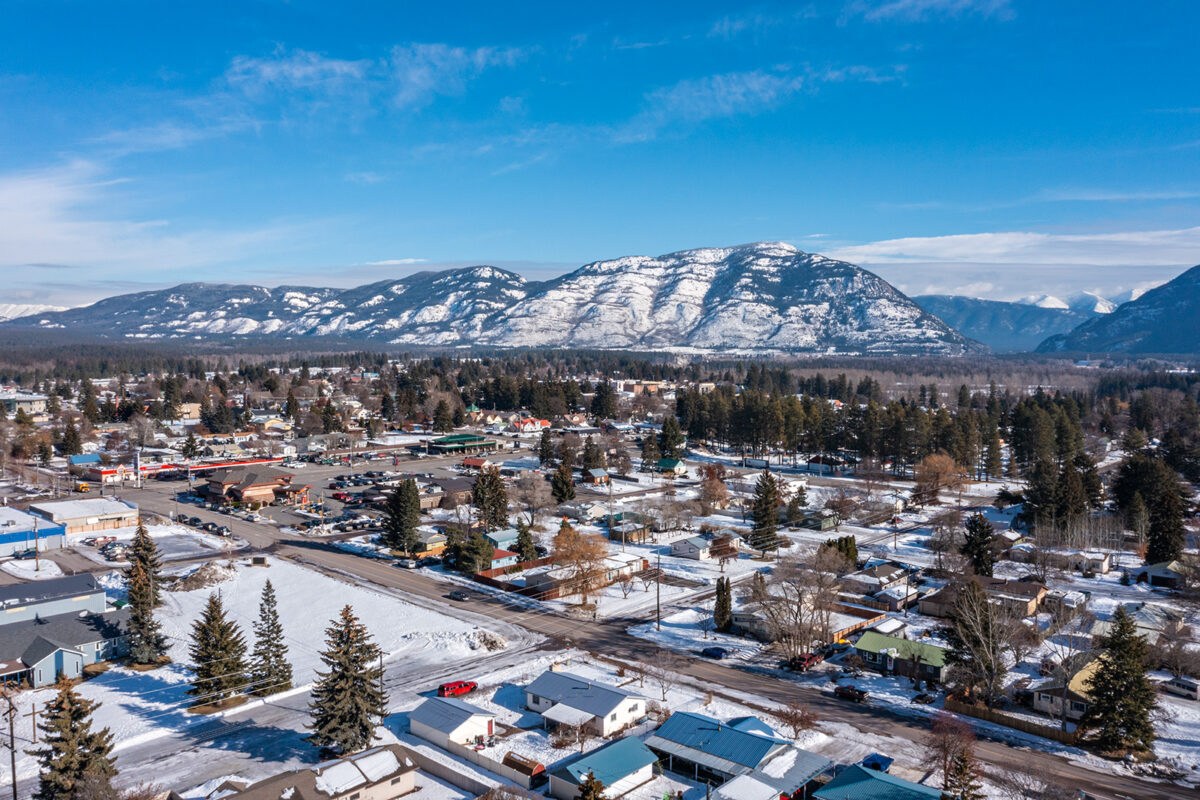
The consulting firm at Monday’s joint meeting between the city council and planning commission also presented an “Existing Conditions” report — the first section of the land use plan to be completed and presented to the city.
Housing affordability was a theme threaded throughout several sections of Cushing Terrell’s report, with the consulting firm noting a majority of Columbia Falls area employers (74%) report that recruiting and retaining employees has become more difficult over the past three years, “underscoring the need for affordable local housing.”
Additionally, home prices and rents have risen “significantly and rapidly,” leaving 32% of Columbia Falls households cost-burdened, particularly renters and lower income families. Households are considered cost-burdened when they spend more than 30% of their income on rent, mortgage payments and other housing costs, according to the U.S. Department of Housing and Urban Development (HUD).
The city’s growth in working-age residents and aging population, paired with a decline faster than the county in the number of families with children, also highlights the need for affordable family housing and senior housing options, according to the report.
Columbia Falls’ mostly single-family housing supply of about 2,600 housing units has grown 30% since 2010, but the current demand outpaces this supply, especially for affordable units. Only 92 income-restricted units currently exist, mostly for seniors or disabled residents, and there are few affordable two- to three-bedroom units available for families.
Over the next decade, 445 to 650 new units are needed in the city and 60% of those units will need to be at below-market pricing, with the consulting firm saying “supporting diverse housing types and regulating short-term rentals is critical.”
With much of the city land already built out, future growth will rely on infill development, redevelopment of underutilized parcels and annexation at the city’s edges, the consulting firm reported.
Despite the limited developable land inside of the city, there’s still strong potential for redevelopment in the city. Eleven percent of land within city limits and 35% of land in the larger planning area is vacant, with the consulting firm saying these vacant and underutilized parcels provide opportunities to “accommodate growth more efficiently than continued low-density expansion.”
Residents can view the report here and leave their public comments here, now through Feb. 9. The planning commission will review the public comments, in addition to beginning discussion on subdivision and zoning regulations and short-term rentals, at its Feb. 12 meeting, Hanks said.