Agency on Aging Launches Programs to Help Educate and Provide Resources for Dementia Caregivers
In a partnership with The Life Care Experts, the organizations offer a monthly educational series and an open forum to provide resources for caregivers who are supporting loved ones with cognitive decline
By Maggie Dresser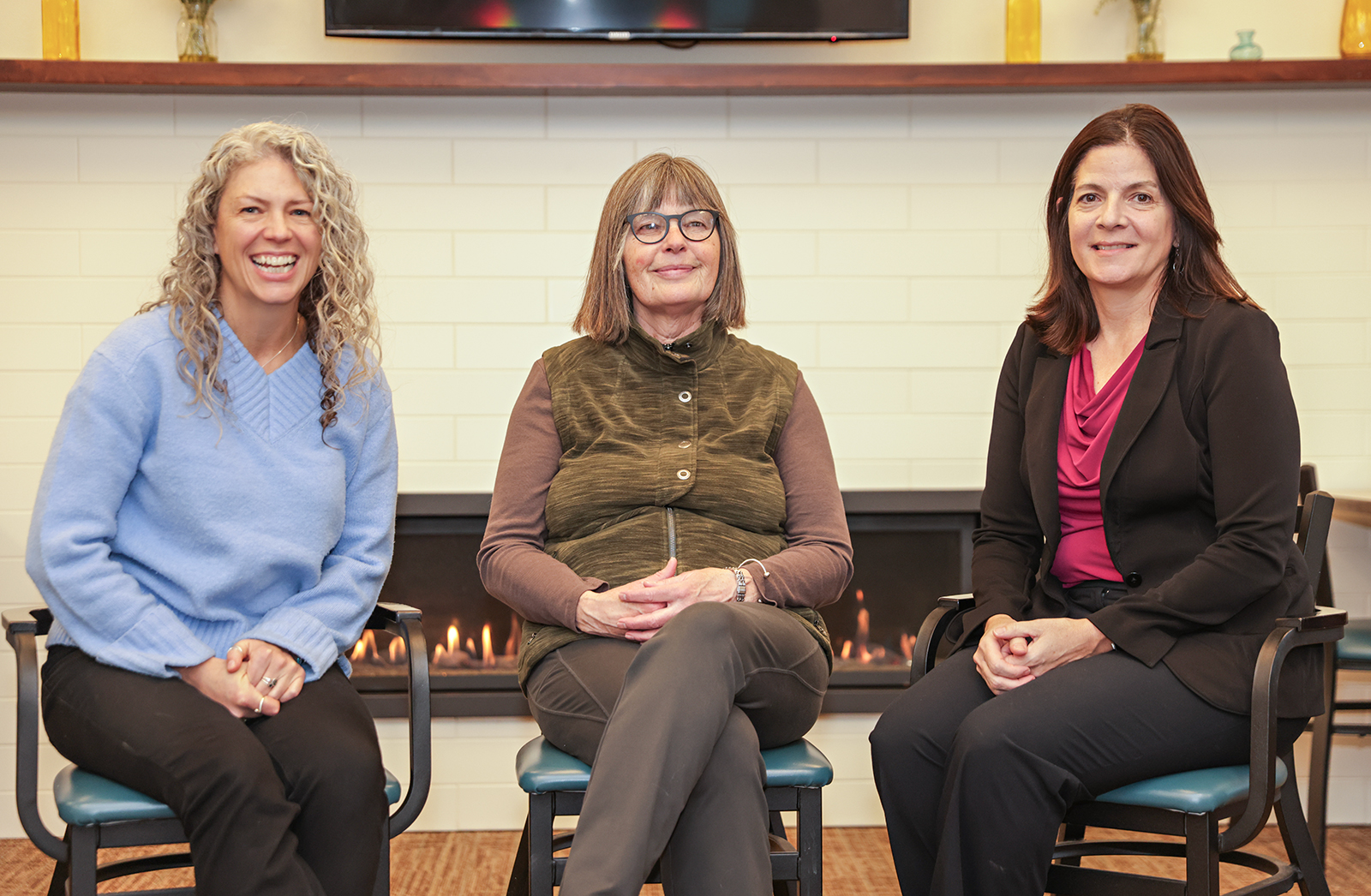
As the Baby Boomer generation continues to age and the volume of Flathead County residents suffering from dementia expands, local organizations have partnered to launch a new education series and a separate open forum designed to offer caregiver resources.
In a partnership with the Flathead County Agency on Aging and The Life Care Experts, a consulting firm offering long-term planning, an educational workshop and a caregiver open forum designed for family members and professionals launched in January. The monthly education series offers a framework categorized to meet the needs of caregivers experiencing different phases of support.
“They can look through each subject and pick and choose which ones they want to go to,” said Kerry Nagle, an educator with The Life Care Experts. “The two bookends of this first is dementia 101 and the last couple months are setting up the game plan.”
Out of the 22,000 Flathead County residents over age 65, roughly 2,000 of those individuals lives with dementia while there are 21,000 Montana residents living with Alzheimer’s, according to Alzheimer’s Association data.
While a network of resources including memory care units, independent living residences and home health aide systems are established to provide support in the Flathead Valley, a high volume of individuals rely on family caregivers.
In 2024, there were 17,000 caregivers in Montana who provided 25 million hours of unpaid care, a value of $478 million, according to the Alzheimer’s Association. More than half of caregivers took care of their loved ones while battling their own ailments and nearly a quarter of this group dealt with depression.
As challenges like family role shifts, establishing routines and identifying when to start looking for facilities are common, local experts hope to provide a roadmap to help caregivers navigate the system, often while experiencing their own health problems.

But acute issues like behavior changes, daily care and incontinence that cause immediate stress for family members often takes center stage as they struggle to support their loved ones, leading to burnout.
“A lot of people like to talk about behavioral issues because that’s what they’re living with,” Nagle said. “That’s the frustrating part that makes them say, ‘I’m going underwater.’”
Behavioral issues sometimes evolve into calls to the Flathead County Crisis Assistance Team, which saw an average of 12 unique clients per month over age 65 last year, making up 25% of the total call volume.
Nagle offers strategies to help prevent these incidents by introducing concepts to identify triggers like overstimulation while offering remedies to “anchor” the individual.
“It’s a journey of learning for the caregiver,” The Life Care Experts founder and owner Jennifer Crowley said. “If someone’s going to truly be successful at home or even if their loved one is in a memory care facility, they need to have a journey of learning. It’s so different, depending on the situation and what people need.”
Flathead County Agency on Aging Director Carla Dyment said the workshop is based on caregiver’s needs, and resources have been developed to provide a starting point for life care planning.
While the education series provides information for various stages of caregiving, the caregiver open forum’s format is a guided discussion.
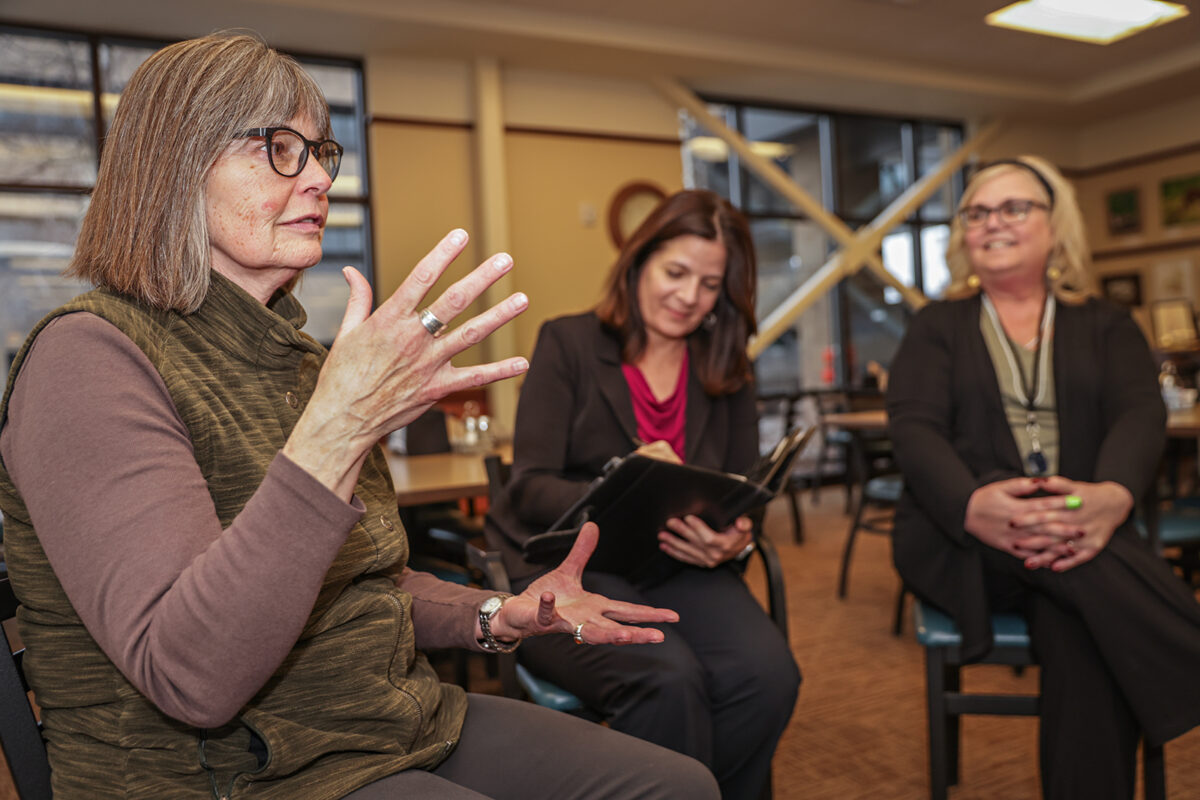
Unlike a support group, which offers caregivers an opportunity to debrief in a communal setting, the open forum is guided by professionals with The Life Care Experts where participants can ask questions and receive solutions and resources.
“When there’s someone with dementia, we’re not just taking care of them, but we’re taking care of the caregiver, too,” Crowley said. “The caregivers are the main focus.”
At the Agency on Aging, Dyment says caregivers often experience isolation and a loss of identity as their role evolves.
“There really are quite a lot of people out there who are going through the same things, but we hear that they think they’re the only ones,” Dyment said. “This is a way of also helping people connect with each other – showing up in a room and seeing there’s a lot of us out there who are trying to figure this out.”
Dementia care specialists hope both the educational series and open forum will provide caregivers with more skills and ideas to take care of themselves as they navigate the process.
“We have memory care units and independent living and there are so many different players even in our community, so we’re just trying to be one piece of the puzzle,” Dyment said. “Being part of our mission is to help people continue living independently in their homes.”
As part of a nationwide network of Agencies on Aging, the Flathead County chapter provides services and programs designed to help adults over age 60 live independently and safely in their homes and communities. Services include Meals on Wheels, social dining, Medicare counseling and benefits assistance, family caregiver support and respite, in-home care, Veteran Directed Care program coordination and Ombudsman advocacy.
The Dementia Education Series will take place on the second Wednesday of each month at the Flathead County Agency on Aging in the South Campus Conference Room at 40 11th Street West on the second floor from 10:30 a.m. to noon in Kalispell.
The Dementia Caregiver Open Forum will take place on the fourth Monday of each month at the Flathead County Agency on Aging Dining Room at 40 11th Street West from 3 p.m. to 4 p.m.
The workshops are free to attend and no RSVP is required.