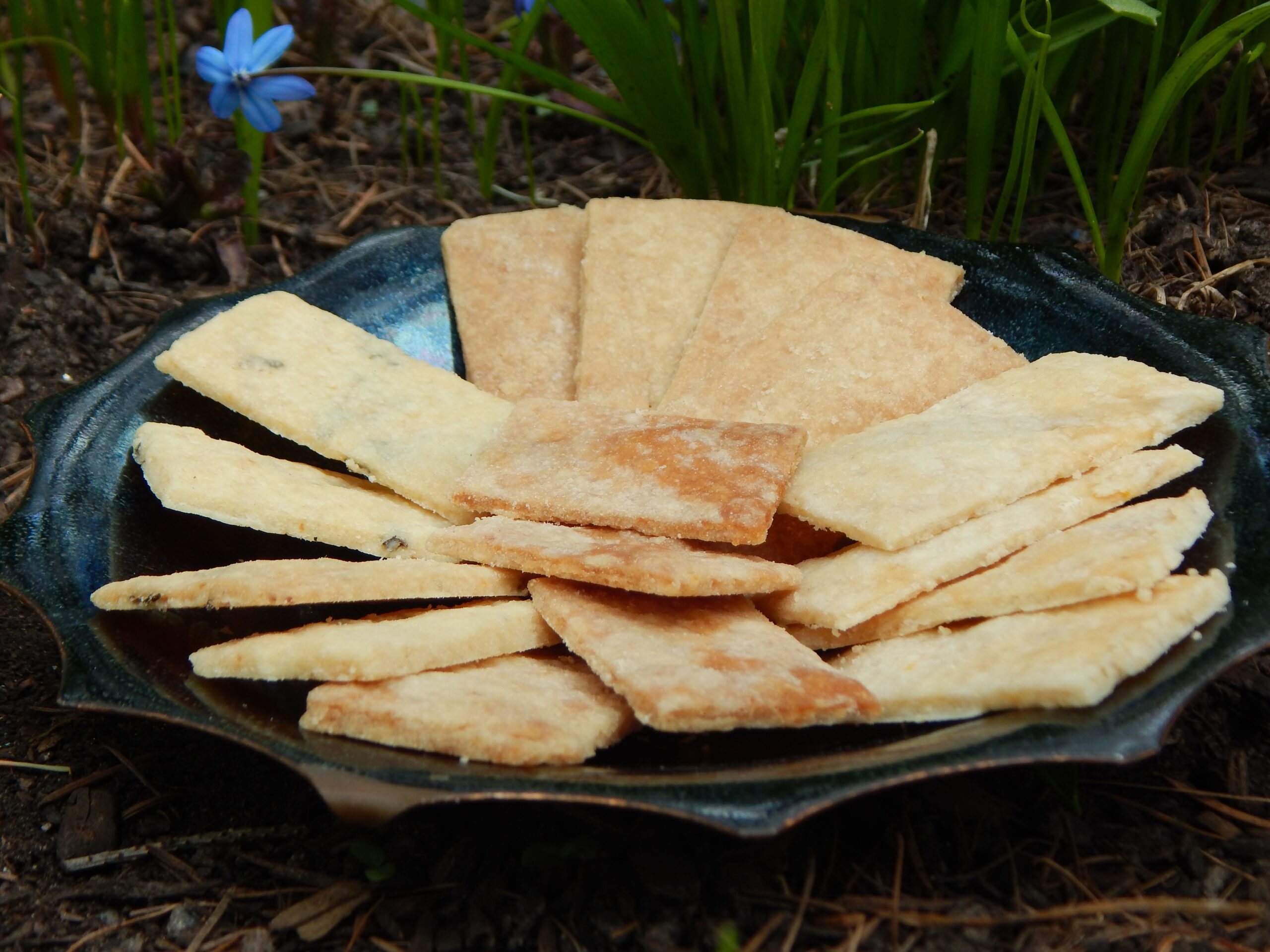
When you buy a packet of shortbread cookies, they often seem like sweet yet uninspired biscuits. Shortbread recipes might not look any more enticing, because classic shortbread uses just three ingredients: sugar, butter and flour. But from there, options for add-ins, toppings and pairings when serving are nearly endless.
The recipe here creates basic shortbread without adornments, tasty when nibbled alongside hot chocolate or served with small bowls of rhubarb-rosemary sorbet. Change up the basics by replacing traditional granulated sugar with brown sugar, for chewier cookies, or with honey or agave, for sweeter ones. Use unsalted butter and add flavored salt for a subtle upgrade, or replace up to half of the butter with coconut oil for lighter cookies.
Flour alterations change shortbread’s texture. Whole-wheat pastry flour mimics the density of a British digestive biscuit. For a gluten-free shortbread, use almond flour, shape the dough into balls and press them flat with the bottom of a drinking glass.
Basic shortbread cookies encourage decoration. Before baking, roll the dough into balls instead of flat and coat them in chopped nuts or cinnamon and sugar. Brush milk or egg wash onto flat, cutout shortbread, sprinkle it with coarse raw or flavored sugar and bake the topping into place. Dip fully baked and cooled cookies into melted chocolate, or build sandwiches with a central layer of chocolate, jam or nut butter.
Upgrade the dough itself with add-ins. For chocolate-flavored shortbread cookies, fold 3 ounces of melted, room-temperature chocolate in with the butter. Add softened nut butter, vanilla or other extracts or a couple of tablespoons of whiskey or a liqueur to the butter instead. Flavorings that work well when stirred in with the flour include citrus zest, finely chopped crystallized ginger, ground spices, sesame or poppy seeds, minced fresh herbs, Salt-Preserved Herbs or Herb-Infused Salt. You can even divide the dough for a serving plate of assorted flavors.
Basic and Flavored Shortbread Cookies
Makes 20 large to 40 small cookies
1/4 cup granulated sugar
1/2 cup salted butter, room temperature
1 cup unbleached all-purpose flour
Add-ins as desired
In a medium bowl, cream the sugar and butter until fluffy. Fold in the flour, 1/4 cup at a time, along with any add-ins. Mix until the dough just forms a ball. Lift it onto parchment or waxed paper, and then press it into a thick rectangle with your hands. Fold the paper around it and refrigerate for about one hour to reduce stickiness.
On a lightly floured surface, roll the dough into a rectangle: a 1/4-inch-thick rectangle will make about 20 2-inch rounds; thinner dough cut into small bars may yield about 40 cookies. Cut circles using a cookie or biscuit cutter or the rim of a glass, or slice bars with a bench scraper or long knife.
Place the cookies about 1/2 inch apart on an ungreased baking sheet. Bake at 300°F for about 20 minutes, until lightly colored. Gently transfer the cookies to a wire rack to cool.
Julie Laing is a Bigfork-based cookbook author and food blogger. Learn more about this month’s cooking workshops at TwiceAsTasty.com.