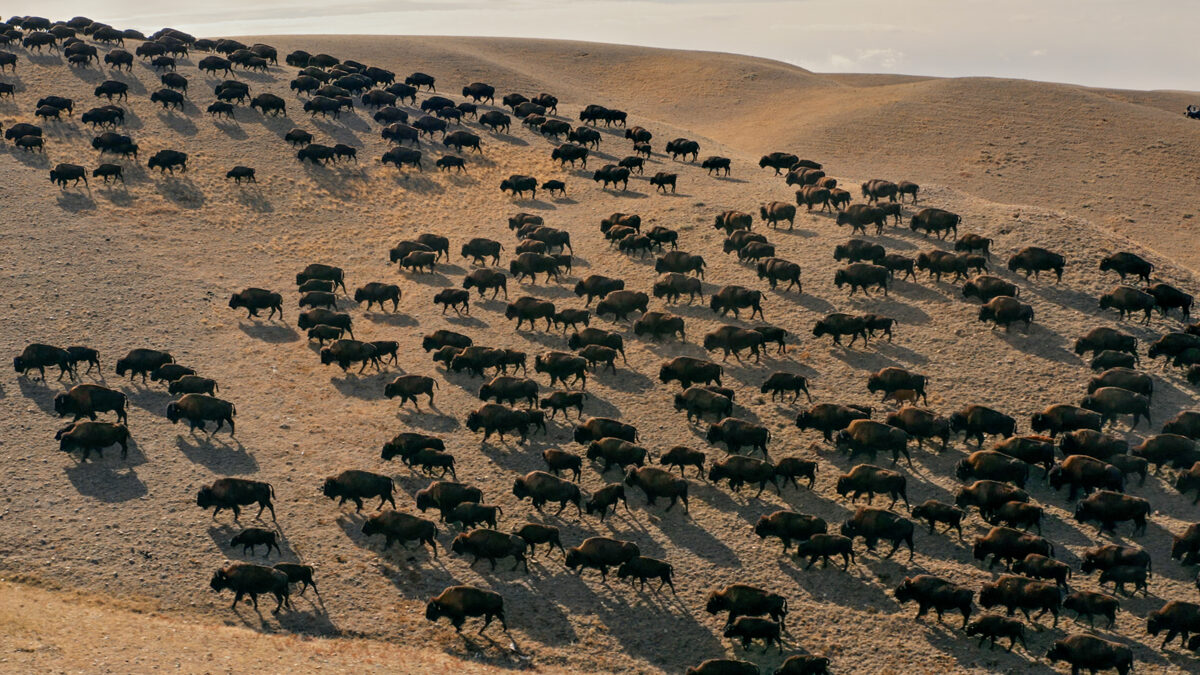
One hundred and fifty years ago, the American buffalo suffered near-extinction that had dire ecological and cultural consequences, nearly destroying the Blackfoot people who relied upon them. In a strategy developed by U.S. military and government officials, the eradication of the bison deprived the people who relied on the mammalian species for their survival and culture. During the 19th century, coordinated efforts brought the bison population of more than 30 million down to less than 1,000 animals. Buffalo no longer freely roamed the grasslands.
Over the past generation, however, a group of Blackfoot people from the Blood Reserve in Canada and the Blackfeet Nation in Montana worked to bring the buffalo back.
After a generation of collective, grassroots efforts to rehabilitate the bison and rewild their ancestral lands, tribal leaders released a herd of the bison at Chief Mountain on the east side of Glacier National Park, on the Blackfeet Reservation.
The story of those efforts takes place in the Emmy-nominated film “Bring Them Home,” written and directed by Blackfeet filmmakers Ivan and Ivy MacDonald and Daniel Glick, whose other films include “Our Last Refuge,” about protecting the Blackfeet’s sacred Badger-Two Medicine from oil and gas development. Golden Globe Award winning actress Lily Gladstone narrated and helped produce the bison documentary.
“Bring Them Home” received two Emmy nominations for documentaries in the 47th News and Documentary Emmy Awards, Outstanding Music Composition and Outstanding Writing. The film also won a slew of film festival awards, including the Big Sky Award at the Big Sky International Film Festival in 2024.
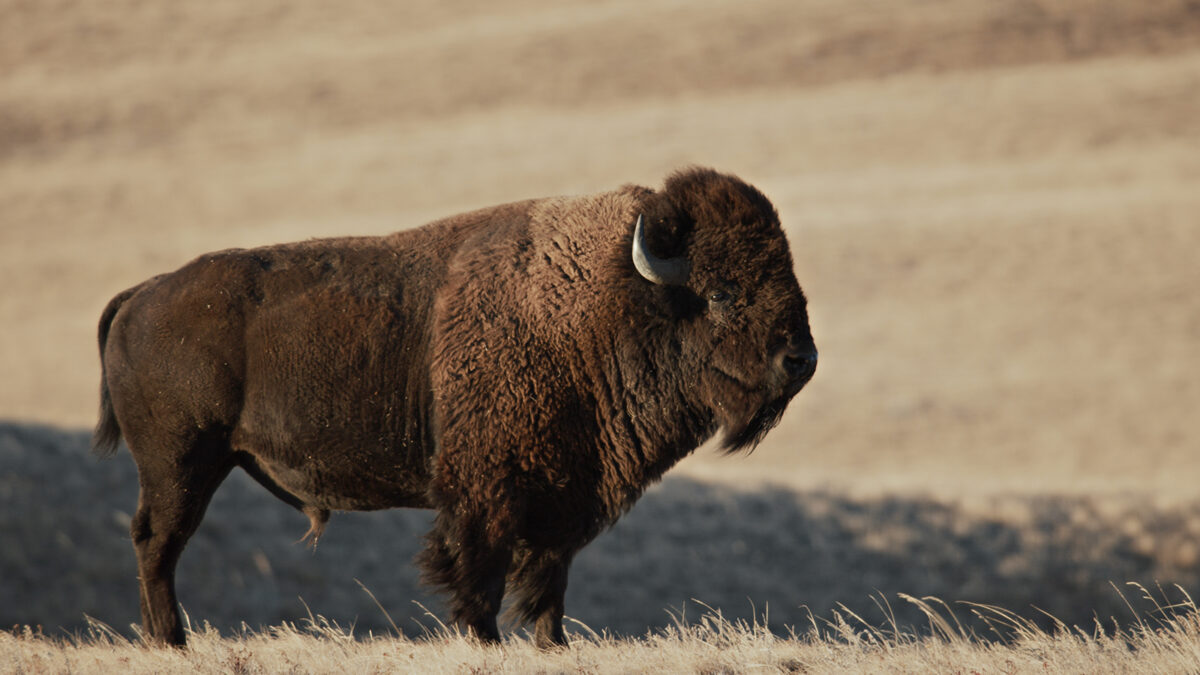
The idea for the film came to Glick with a simple premise: after connecting with the Blackfeet Buffalo Program while working on Our Last Refuge, Glick found himself wanting to spend more time around the big mammals.
“This was something that originally came out of my desire just to spend time with bison ––that was the gist of it,” Glick said.
The desire led him to develop two film projects about the Blackfeet buffalo drive, including the 2019 short film “Iniskim,” about a young Blackfeet girl’s recovery from past trauma intertwined with her reconnection to buffalo. The film shoot of the buffalo drive also became the first footage for what would become “Bring Them Home.”
In search of Blackfeet directors to collaborate with on the film, Glick found Ivan and Ivy MacDonald. By that time, Gladstone was already involved in the film and Glick had established relationships within the Blackfeet community. The brother-and-sister filmmakers grew up on the reservation where they fell in love with film, each eventually finding their own way into the industry. The two have also collaborated on the films “When They Were Here,” about Missing and Murdered Indigenous People (MMIP) in Montana, and “Blackfeet Boxing: Not Invisible,” about women training in light of the MMIP crisis, which won an Emmy in 2021.
“Ivy and I grew up pretty culturally connected and so we know the importance of bison spiritually, culturally, ceremonially,” Ivan MacDonald said. “So, it was kind of exciting to be able to tell this story for all of those kinds of things –– not just in these kind of keystone species, ecological, environmental, biodiversity ways that really make it so unique –– but this kind of cultural reconnection that also happens with bison when they’re brought back to the land and the environment.”
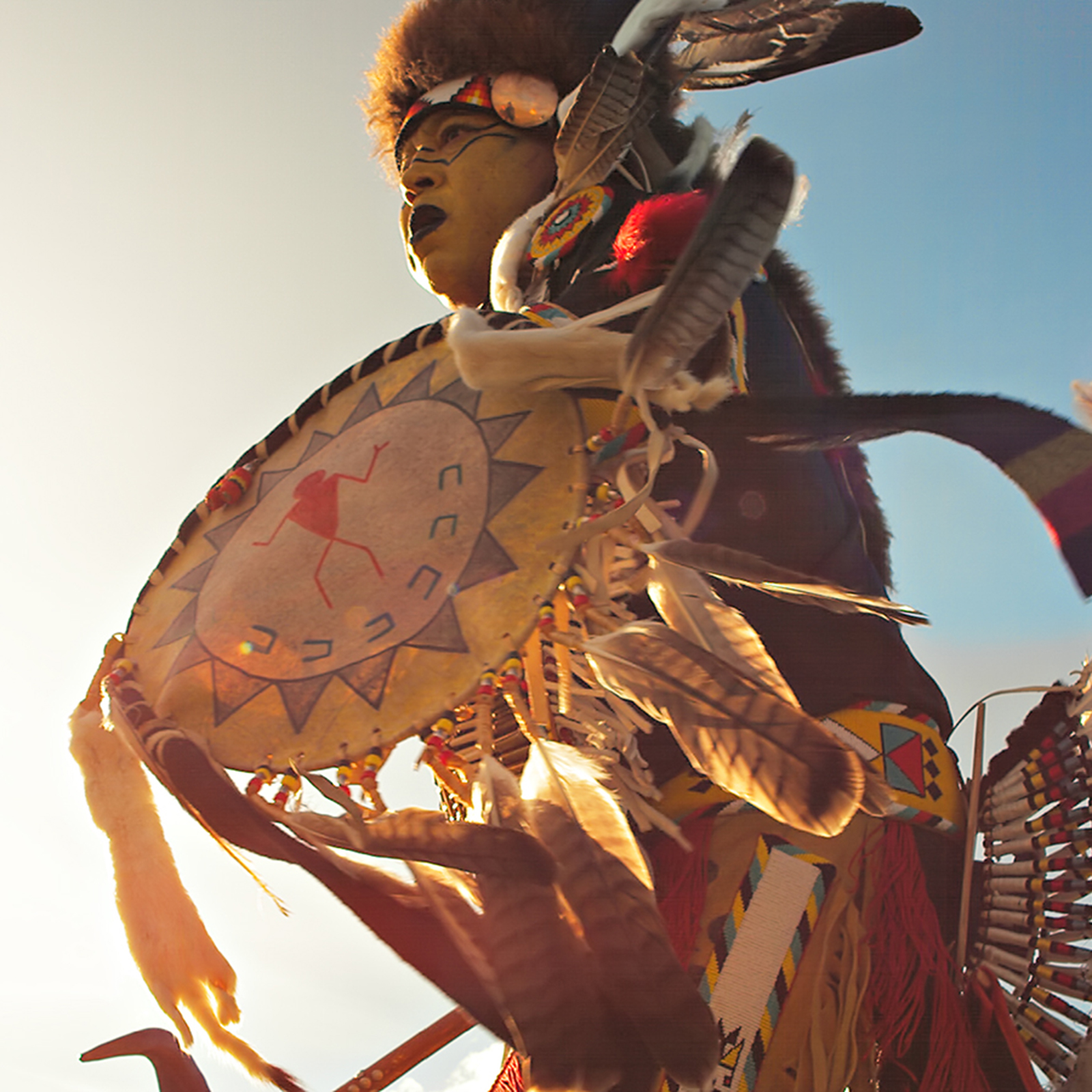
The Blackfoot people lived with the bison, known as iinnii, for millennia. Viewed as a relative, the buffalo has cultural significance for ceremonies and supported their survival before the population was decimated.
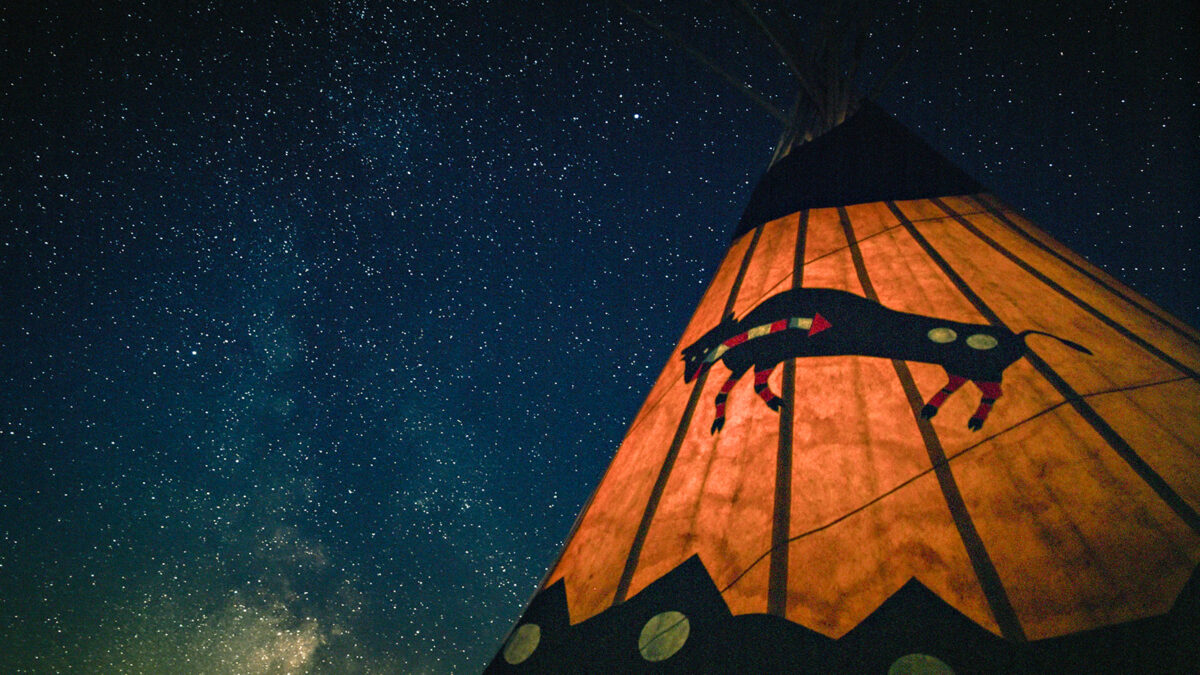
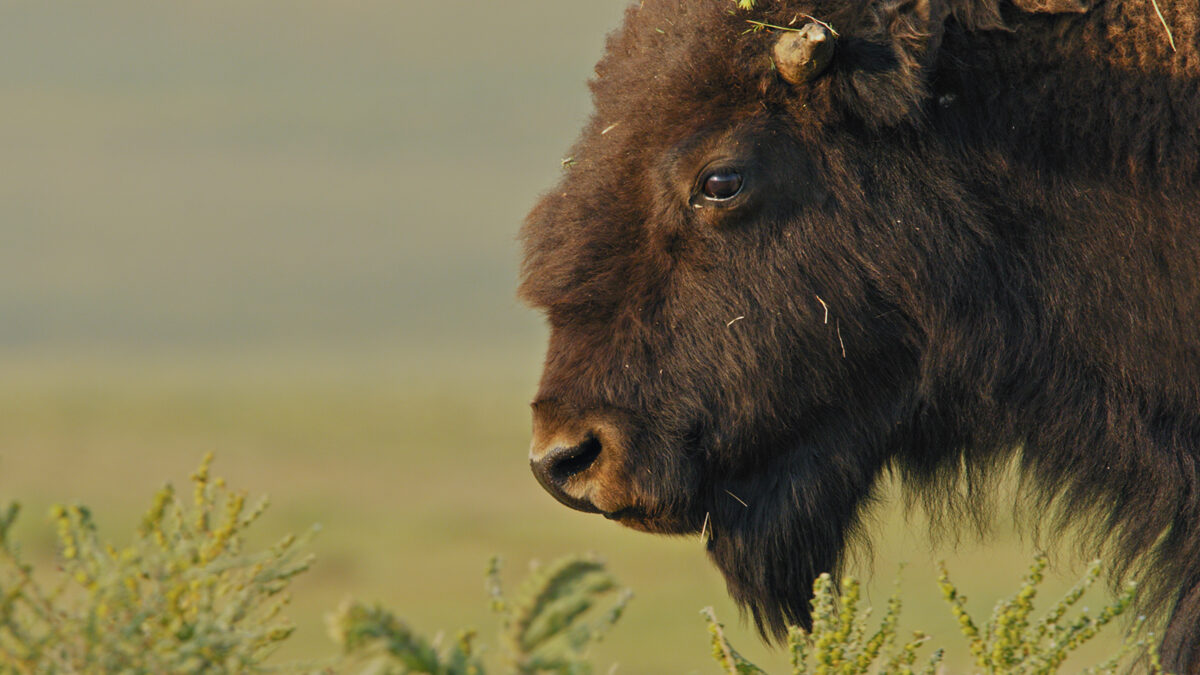
To unwind the history for the documentary, Glick and Ivan, along with two researchers, dug into archives, combing through public information on the U.S. government’s extermination campaign, including quotes from U.S. generals and historical images of piles of buffalo skulls. Unearthing the Blackfeet people’s side of the story, however, required hours of conversations with community members.
“We just had these random conversations with different people, and they would point to a different thread,” Glick said. “As we learned about certain things, as we interviewed people, we would always ask if they had photos of this or videos of that … it took quite a while to find it all.”
In the 20th century, the idea of bringing back the bison slowly began to percolate among members of the Blood Tribe (also known as the Kanai Nation), and members of the Blackfeet Nation — two of the four tribal nations that make up the Blackfoot Confederacy that spans across Alberta and northwestern Montana.
Blackfeet tribal leaders made several attempts to bring back the bison onto tribal lands beginning in 1979, securing a herd from Yellowstone National Park and turning them loose before eventually selling most of the animals after widespread community complaints. The Blackfeet Tribal Business Council acquired a second herd in the late 1990s, using more oversight and management practices similar to those used with cattle. Still, complaints arose and, less than 10 years later, a new tribal council sold the herd.
Up north among the Blood Tribe, discussions began to take place around the significance of buffalo to tribal members and Native identity. Inspired by the so-called “buffalo dialogues,” Blackfeet tribal members created the Iinnii Initiative to begin outreach and education. Members of the Wildlife Conservation Society from New York City reached out, interested in bringing bison back to the American prairie for the ecological role that bison play as a keystone species in shaping the landscape.
With that, a third attempt to bring buffalo back to their ancestral homelands began to take shape with the creation of the Blackfeet Buffalo Program led by Ervin Carlson, a rancher who managed the Tribe’s cattle business.
“To me, what drew me in with the buffalo wasn’t looking at them as a commodity,” Carlson says in the film. “I realized that the things we had to go through as Indian people, them buffalo had to go through the same thing … Daily, it’s a continual fight for them; daily, it’s a continual fight for our people. So, that’s what makes me have that passion of the fight for my way of life and my people and for them animals to be a part of that, too.”
Blackfeet tribal leaders set their sights on a herd in Elk Island National Park, in Canada, where the animals’ ancestral roots can be traced back to the buffalo who originally roamed the Blackfeet tribal lands. In 2017, the Blackfeet brought calves from the original herd back to the reservation.
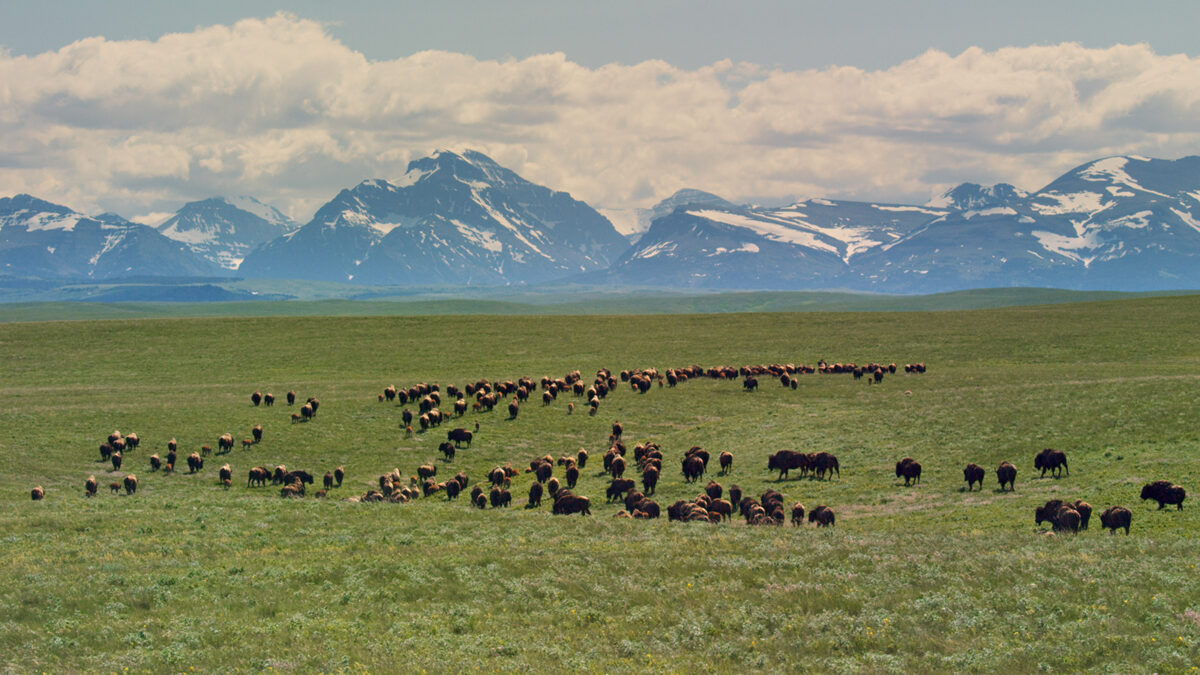
The journey to rewilding the bison was far from over, however. Seven years would pass while tribal council faced various other pressing issues on the reservation. Meanwhile, members of the buffalo program drove the bison back and forth between their two seasonal parcels of land — biannual journeys that produced awe in the documentarians as the story unfolded before them.
The film footage shows herds of bison thundering across grasslands with snow-latticed mountain peaks behind them. In one scene, a buffalo bluff-charges someone herding the bison, warning the human they came too close.
“A big thing for this was just that this project, there was just this dynamic energy with it that was kind of indescribable,” Ivan MacDonald said. “I remember the first time we filmed the bison and filmed the drive … a lot of those aspects were really, really incredible.
“Just connecting with these animals that I knew were important growing up, kind of hearing them but not seeing them, I think that was really important,” he continued. “That was the most powerful part of the film for me, was just reconnecting on that physical level.”
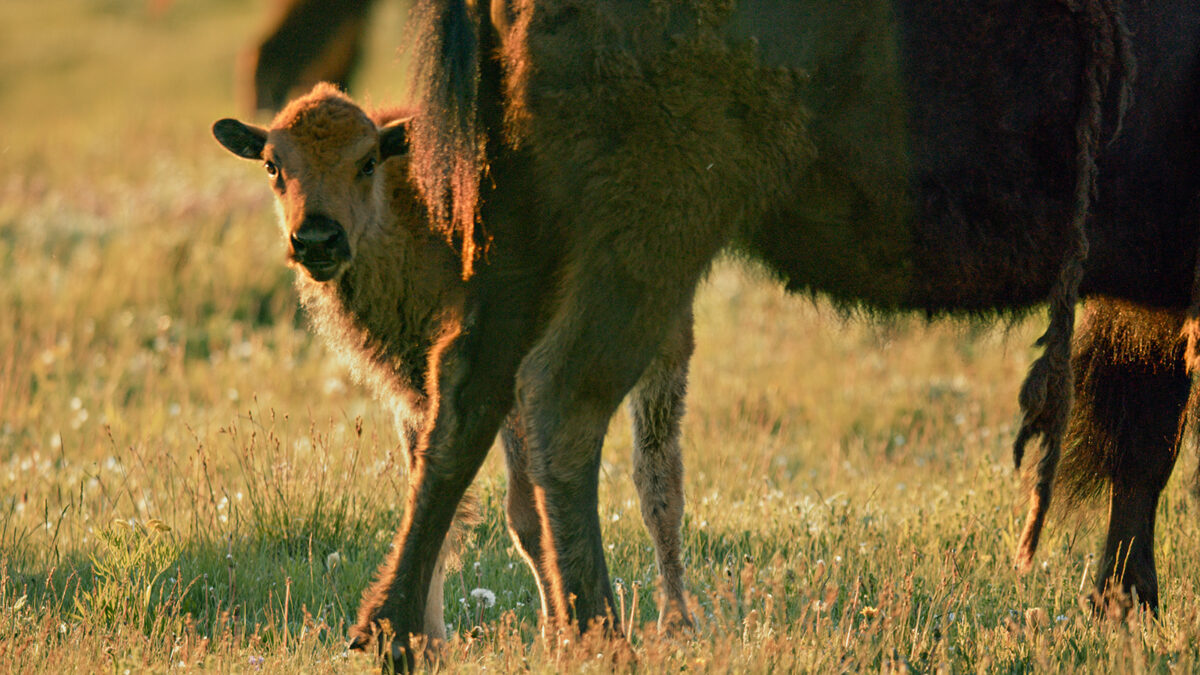
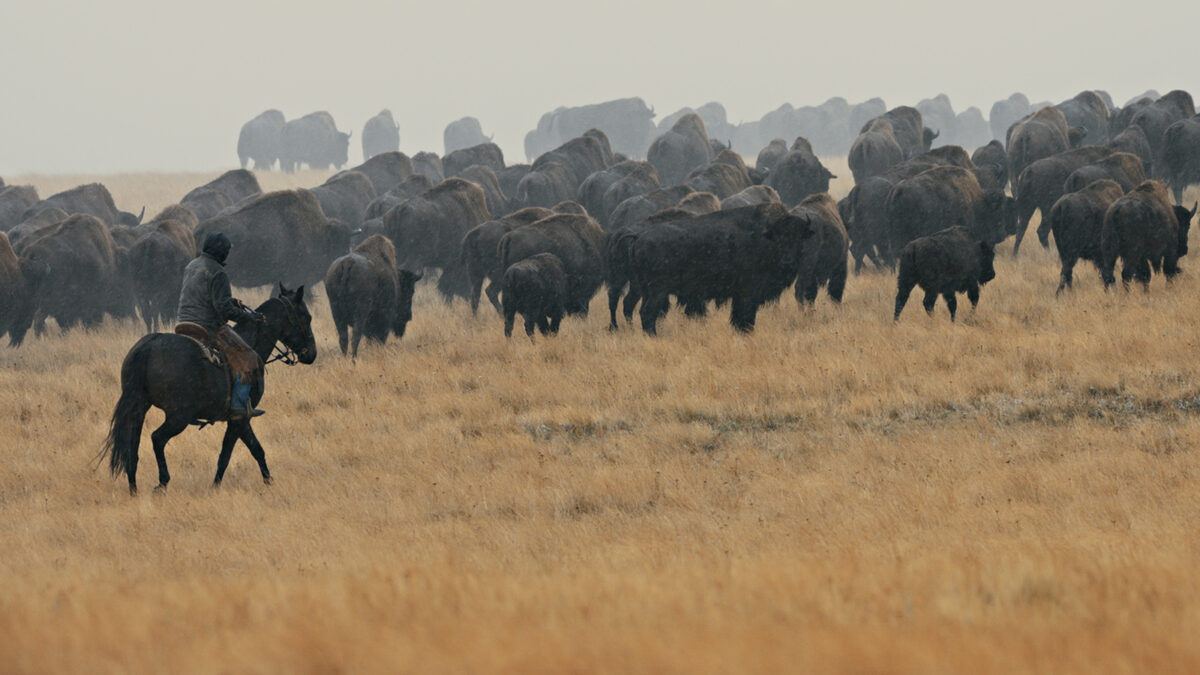
As the drives continued, so too did the education within the community –– through the drives, the Iinnii Initiative, tribal leadership meetings, ceremonies, and community celebrations. The documentary crew began to settle on final edits of a draft.
“As a filmmaker, it was a little stressful in between that time, not really knowing what the ending was going to look like but knowing what we wanted, but what the universe wasn’t having at the moment,” Ivy MacDonald said. “And then it just kind of worked out perfectly.”
Finally, the tribal council voted in 2023 to retire all cattle leases for the land at Chief Mountain –– a sacred place on Blackfeet tribal lands bordering Canada and Glacier National Park. There, the buffalo would once again roam freely.
“I got this feeling, kind of a choked-up feeling just seeing them out there … back to where they belong,” Carlson says in the film while watching the release.
The crew filmed the rewilding and spliced the new footage into the documentary. Over the coming years, they showed the film at various festivals and screenings, including on the Blackfeet Reservation.
“For me, kind of the most impactful moment of the film was showing it in Browning,” Ivy MacDonald said.
A throng of Blackfeet community members gathered to see the cinematic culmination of years of efforts to release bison on their ancestral land. Ivy MacDonald led her grandma and aunt to seats in the front row, and they listened as Gladstone spoke to the crowd before watching the film.
“It was such a beautiful moment,” Ivy MacDonald said. “You saw all the happiness, the joy, the sadness, every single emotion you could possibly think of was in that arbor, and it ended so beautifully –– where people were proud to come from such a deep, rich, strong, beautiful history … I think this project, too, has made me a stronger Blackfeet woman and in so many different ways, a better filmmaker.”