Food-conditioned Grizzly Euthanized as Bear Conflicts Rise Across the Flathead
A meager huckleberry harvest is pushing hungry bears into urban areas searching for food. Stakeholders urge residents to implement preventive measures.
By JULES LINGENFELTER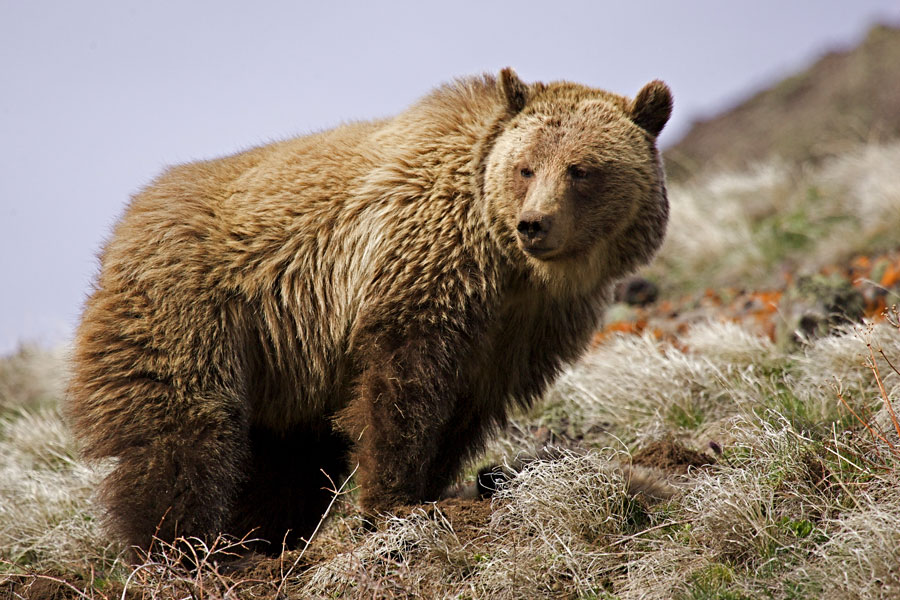
Wildlife managers euthanized a food-conditioned grizzly bear in the Whitefish area this month, marking the first conflict removal of the year in the Flathead Valley and the county’s fifth grizzly bear mortality.
In 2025, regional wildlife managers reported two grizzly bear deaths, neither of which was conflict removals. This summer, conflicts between bears and humans appear to be on the rise as hungry bruins seek out human food to compensate for a scant summer berry harvest.
“We are seeing a definite increase in conflict and bear activity across the region,” said Justine Vallieres, the Montana Fish, Wildlife and Parks’ (FWP) Bear Manager for Region 1. Human-bear conflicts are bound to occur in the valley, which overlaps with grizzly territory, but Vallieres said this year has brought an uptick in incidents.
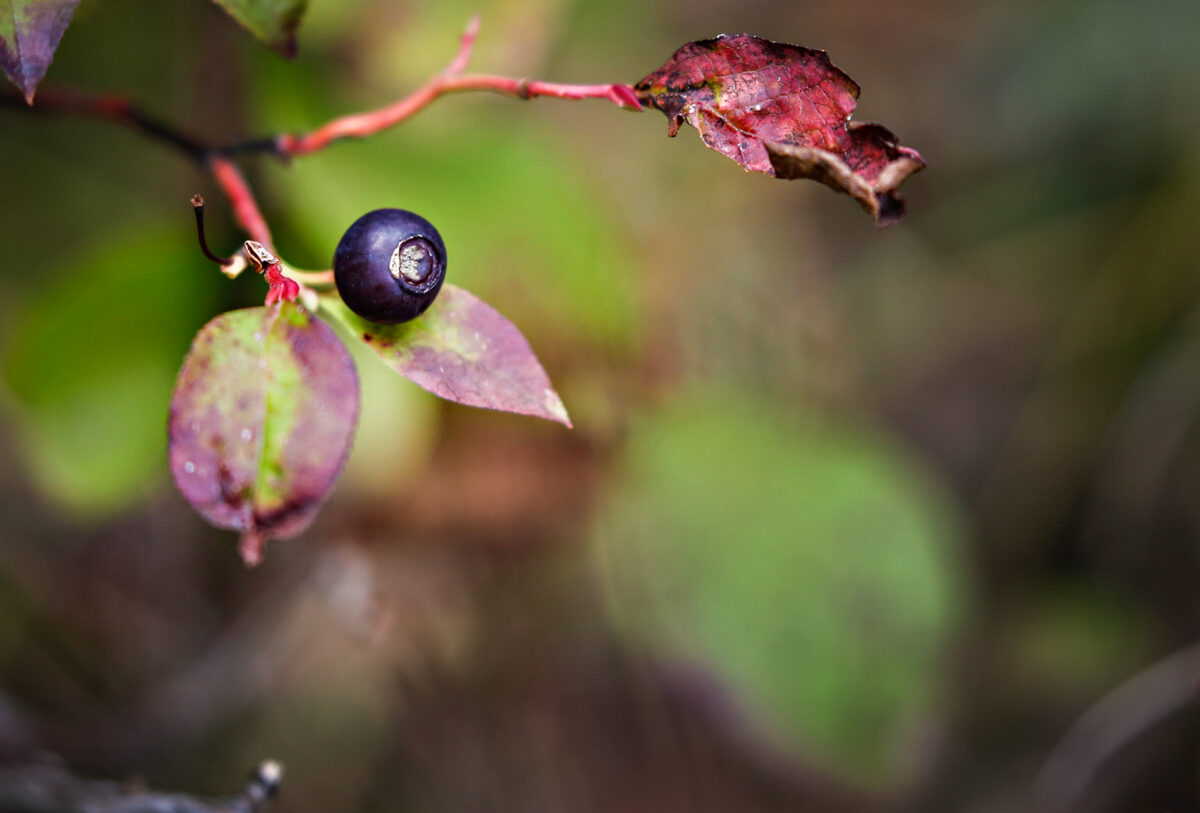
“Usually, this time of year when the huckleberries are on, the conflicts are slower,” Vallieres said. The wild fruit plays a key role in the grizzly bear diet, but without a good huckleberry harvest, bears are forced to look for food elsewhere. The population is venturing into lower elevations further down the mountains and, ultimately, into towns.
“Bears are pretty simple,” Vallieres said. “Food is what anchors them.” She likened their activity to that of humans with their favorite restaurant — once they know a place serves good food, they’ll keep coming back. Improperly secured trash, chicken coops, and fruit trees are all major attractants drawing bears into human-populated areas.
Wildlife specialists around the state are seeing similar behavior — bears that should be foraging for berries in the mountains are getting into trouble around homes and communities looking for something to eat.
Jamie Jonkel is FWP’s long-time bear conflict specialist in the Missoula area. He’s experienced this cycle of behavior time and again when natural food sources aren’t available.
“This year is panning out to be one of the worst natural food failure years on record,” Jonkel said July 29 in an agency press release urging residents to be bear aware. “Our regional bear team is working around the clock, and we are asking the public to be patient and to please be diligent with containing all attractants.”
According to Vallieres, the recently euthanized grizzly bear near Whitefish had repeatedly broken into bear-resistant dumpsters, containers, and sheds in the Haskill Basin area. She had determined that the likelihood of the bear returning posed too high of a risk for human safety. “At that point, with his behavior and that he was an adult male, relocation was not an option,” she said.
Vallieres stressed the importance of reporting incidents to FWP as early as possible. Once a bear becomes too food-focused, she said that “our hands are tied on what we can do.”
The best strategy to avoid bear conflicts in residential areas is relatively simple, specialists say — keep all bear attractants secured and out of the reach of bears.
Shane Lisowski, a bear conflict prevention coordinator for Swan Valley Connections, was surprised at the upward trend in bear activity this year. He had expected the bears to awake in the spring fattened and well fed. Instead, they’ve encountered a dearth of natural foraging opportunities. “Usually in years where they have lots of natural food, we’re not as conflict heavy,” he said, “but this year it seems to be pretty steady.”
Lisowski, who works with community members to mitigate bear conflicts, also noted increased interest in their bear prevention programs. “This year, I’ve gotten a lot of calls for bear cans,” he said. “A bear got into their trash, and it’s either they’ve never had a bear conflict in the past or they’re new to the area and they are just not aware that there are bears in the area.”
Ryan Wilbur, a conflict prevention specialist with the nonprofit People and Carnivores, had heard rumors that an early frost might be causing a lack of natural fruit in the area, pushing bears into potentially risky situations in search of food. “People I talk to have definitely seen there’s a lot more bear activity going on this year than in the past,” he said. He noted that he had gone through his supply of bear-resistant trash cans “pretty quickly” and that his colleagues had been particularly busy.
Lisowski and Wilbur both emphasized the importance of preventive measures when it came to dealing with grizzly bears.
“Once they become food conditioned,” Lisowski said, “they tend to start coming back and then their attitude towards humans change, where they see them as a source where they can get easy food.” Both People and Carnivores and Swan Valley Connections offer programs to make bear-resistant trash cans and electric fencing around chicken coops and fruit trees more accessible to residents.
The goal of these programs, Wilbur said, is for bears to pass through town, unaware of attractants. “Even if they’re active,” he said, “they’re kind of just moving along the landscape and connecting to other habitats or expanding as best they can without potentially causing issues for people.”
Educating the public remains a top priority for Vallieres. FWP offers a variety of educational materials and hosts community outreach events. Between July and September, they are holding a series of Bear Aware office hours where residents can drop into the Missoula regional office to ask any questions and learn how to properly deploy bear spray.
“We can only do so much,” Vallieres said. She called on residents to hold themselves and others accountable for preventing bear activity.
As we head into the fall season, Vallieres expects bear activity to ramp up. “It’s shaping up to be a busy season,” she said, and as bears begin packing on pounds for the upcoming winter, “they’ll be looking for easy meals.”