Medicaid Recipients Fear Federal Cuts to Health Care in Rural Montana
Community members and local organizers say temporary funds from a federal rural health initiative still do not cover the deficit from the One Big Beautiful Bill Act, due in part to existing gaps in the state’s Medicaid program
By Zoë Buhrmaster
A few years ago, Owen Fulford’s parents began noticing their son was struggling with certain activities at home and at school. They switched him to a bigger school so that he would have access to more resources, and they got him into see a primary care physician who after some work referred him to a neuropsychology specialist in Missoula.
“As a mom, I couldn’t wait to make that call,” Owen’s mom, Jessica Fulford, said. “I called the specialist, and the kind woman who I spoke to said, ‘sweetie, before you get excited and start making plans, I need you to know that the waitlist to be seen is two years.’ I thought I had heard her incorrectly.’”
The Fulfords knew a relative with a child who had similar issues to Owen. The relative, who carries private insurance and was referred to the same specialist, made it on the schedule within a few months.
Upon further questioning, the scheduler told Jessica the extended waiting period was due to Owen’s Medicaid coverage. There are a limited number of neuropsychology specialists in the state who work as Medicaid providers due to the state’s low reimbursement rates.
Those historically low rates saw another blow earlier this year, when state health department officials rescinded a promised 3% rate increase due to a budget shortfall that came from the 2025 Legislature. Now, as changes to Medicaid from the federal bill H.R.1., better known as the One Big Beautiful Bill Act, make their way to Montana, local residents say they’re concerned about impacts on a system that already has cracks.
“Why does my kid not deserve it just as much?” Jessica said, referencing the disparity between available appointments. “It’s not his fault, the cuts in the Medicaid system.”
In July, Montana became the second state in the country to adopt federal rules from H.R.1 mandating patients adhere to community engagement requirements or prove they meet one of the exemptions. Enrollees have until October before state officials begin informing noncompliant enrollees they no longer have coverage.
Medicaid changes in H.R.1 are estimated to cut federal funding in rural areas by $137 billion over the next 10 years. In its place, legislators approved the Rural Health Transformation Fund, a $50 billion federal initiative divided among states over the next five years to help fill the gap in rural health care access. The majority of Montana’s counties are considered rural, and while the state received the fourth-largest grant from the rural health fund at $233 million for 2026, community members and local organizers note it is not enough to fill the gap from federal Medicaid cuts, in addition to being temporary.
Devin Marconi, a Kalispell community organizer with United Today Stronger Tomorrow, said the grassroots organization is in the process of forming a Flathead Valley health care committee focused on the rural health fund.
“We’re organizing around these rural health funds, trying to get these dollars into our county and spent as effectively as possible, to help alleviate some of the challenges we’ve been facing for many years now and are looking to face again in our future,” Marconi said.

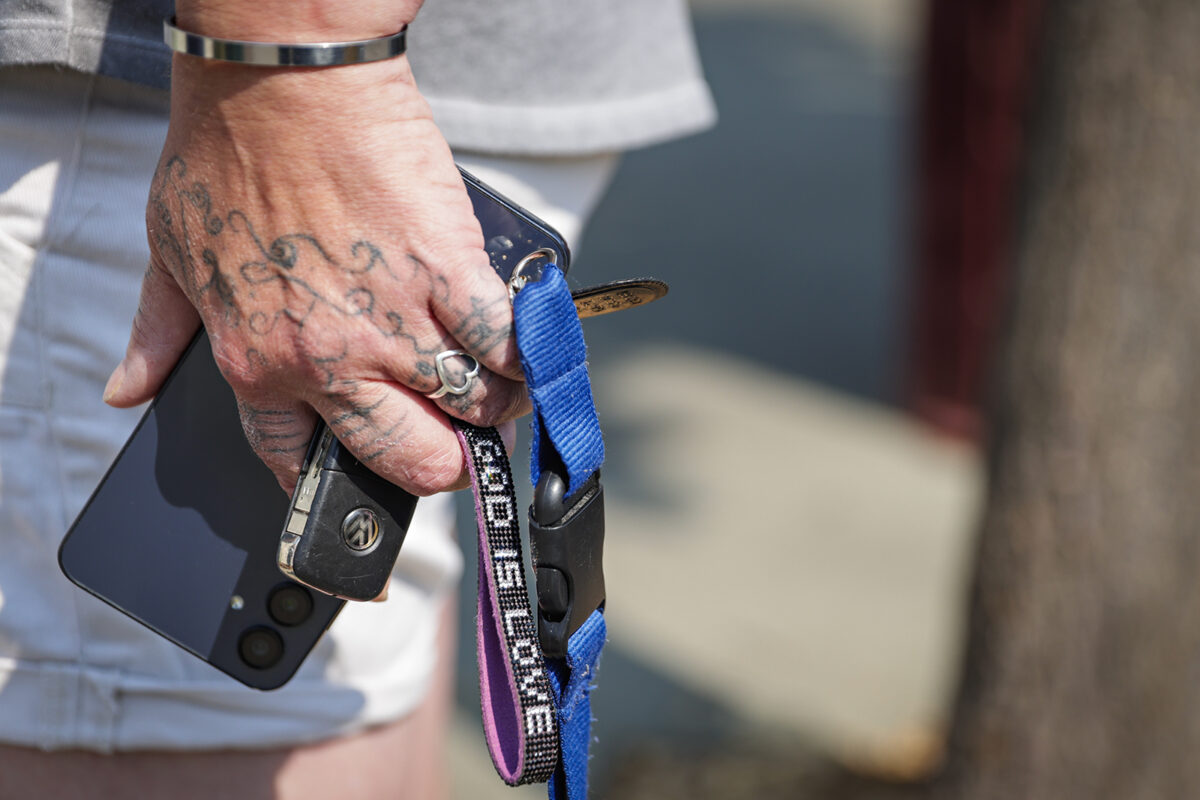
Jazelle Rach lives in Kalispell and is covered by Medicaid, in addition to receiving disability checks for various health issues, including fibromyalgia and hypothyroidism. Almost daily, Rach ferries neighbors to doctor’s appointments and various places around town with a car she got in June from Driving Hope, a local nonprofit that donates vehicles to those in need. Like Rach, many of her neighbors are on Medicaid, and although the state offers Medicaid reimbursement for travel, a lot of prospective recipients don’t understand how to navigate what can be a complicated application process, she said.
“Medicaid already has a lot of barriers in the current transportation program,” Rach said. “Why create more? Medicaid cuts equal less providers in a rural area and having to secure reliable transportation to drive further for services.”
Last year, she helped a senior neighbor apply for Medicaid coverage at the affordable apartment complex where she lives. Together, they jumped through the hoops of filling out the appropriate paperwork. After a year and a half of back and forth with the state, the neighbor finally received Medicaid coverage. In the last few months, however, the neighbor called Rach and together they pored over letters notifying her of the state’s new community engagement and exemption requirements for Medicaid.
“We just got you signed up for Medicaid, why are we doing this again?” Rach said.
Rach recently earned her certification as a behavioral health support specialist and a peer support specialist. She and a friend are in the process of creating a nonprofit focused on providing support for mental health and substance use disorders. In the interim, Rach continues to help her neighbors on her own dime.
“With this disabled body … I need rest,” Rach said. “But until then, I’m just going to keep going because there’s people out there that do appreciate my help, that do need my help.”
Down in Bigfork, the Fulford family’s health care coverage hangs in a delicate balance. Jessica and her husband Ben’s two sons, Owen and his older brother Caleb, are both on Medicaid. The children had previously been dropped from the state’s Healthy Montana Kids Plus program to a lower-tier initiative after Jessica started a part-time job as a postpartum doula and the family’s household income increased.
Although they both work, Jessica and Ben have not been able to find a health care coverage plan they can afford, so they both go without insurance.
“We have to be very cautious as a family that I work just enough to cover the groceries, but not so much that my children will lose some of their health care access,” Jessica said. “That’s difficult enough, let alone me being a disabled person.”
Jessica experiences a variety of symptoms including debilitating chronic pain, which she said forces her to remain bedridden for at least a week out of every month. She said she’s lived with the pain since college, but despite multiple tests and scans, doctors have been unable to provide her with an explanation. Without a diagnosis, she’s unable to be covered by Medicaid or receive any other disability benefits.
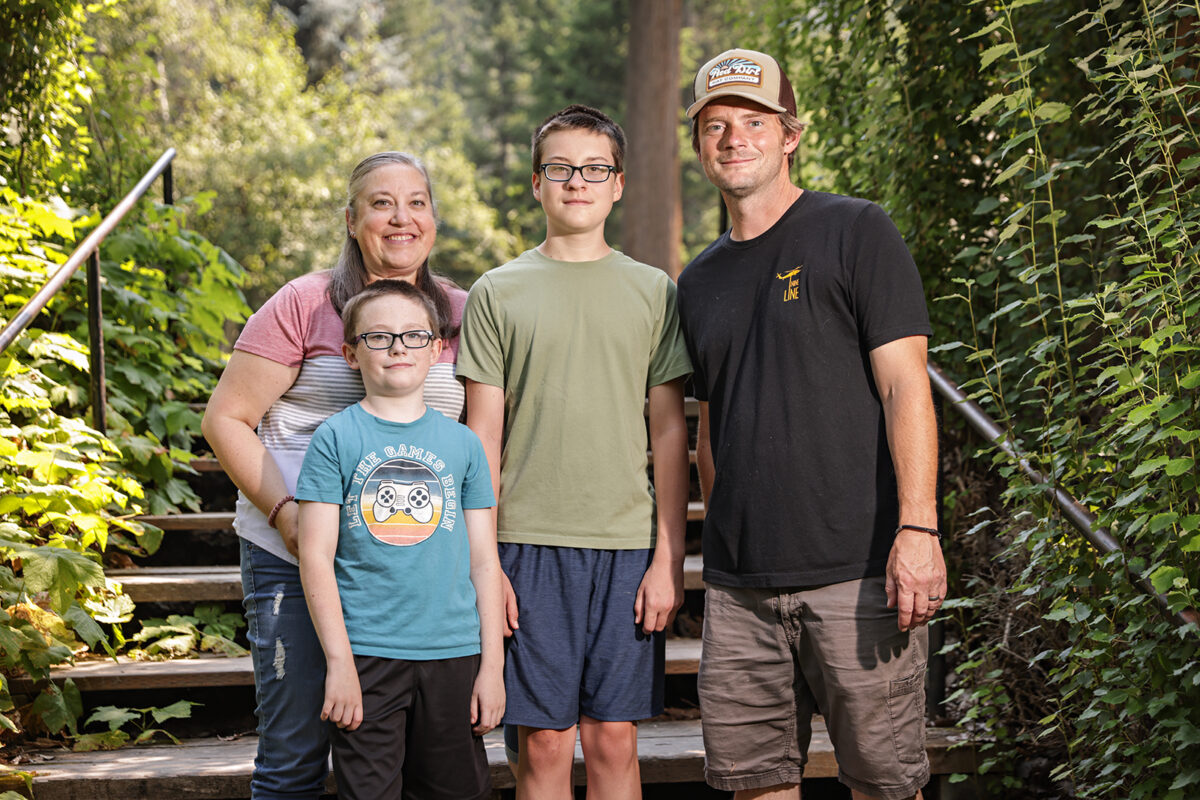
As the pain and symptoms worsen, Jessica and her family, along with their physician, have discussed what options they have considering her lack of a clinical diagnosis and their family’s tight finances.
“Unless we win the lottery or find somewhere that has better health care coverage, I just need to focus on this kind of time with my kids while I can,” Jessica said, gesturing to her family playing catch in Sliter’s Park on a recent summer afternoon. “And hope that one day there’s a test out there or a doctor I can afford that can give me a diagnosis with a treatment that will work.”