After Generations of Asbestos Exposure, Sickened Libby Residents Wonder Where to Turn for Care After Clinic Closure
The Center for Asbestos Related Disease has served as the small town’s screening clinic for more than two decades, offering care during one of the largest public health disasters in U.S. history. After filing for bankruptcy and losing a federal grant to continue funding its services, the clinic will close permanently at the end of August.
By Zoë Buhrmaster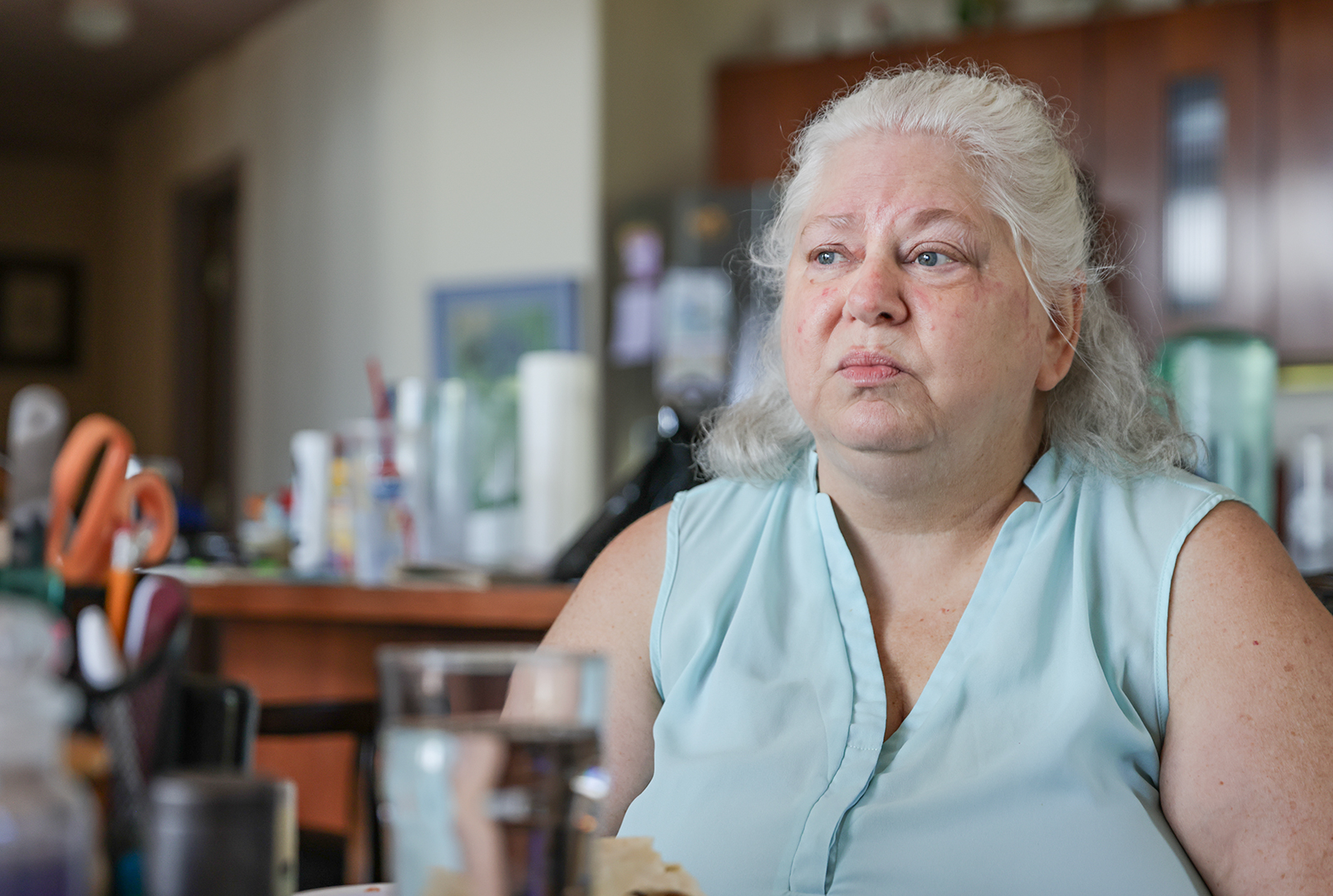
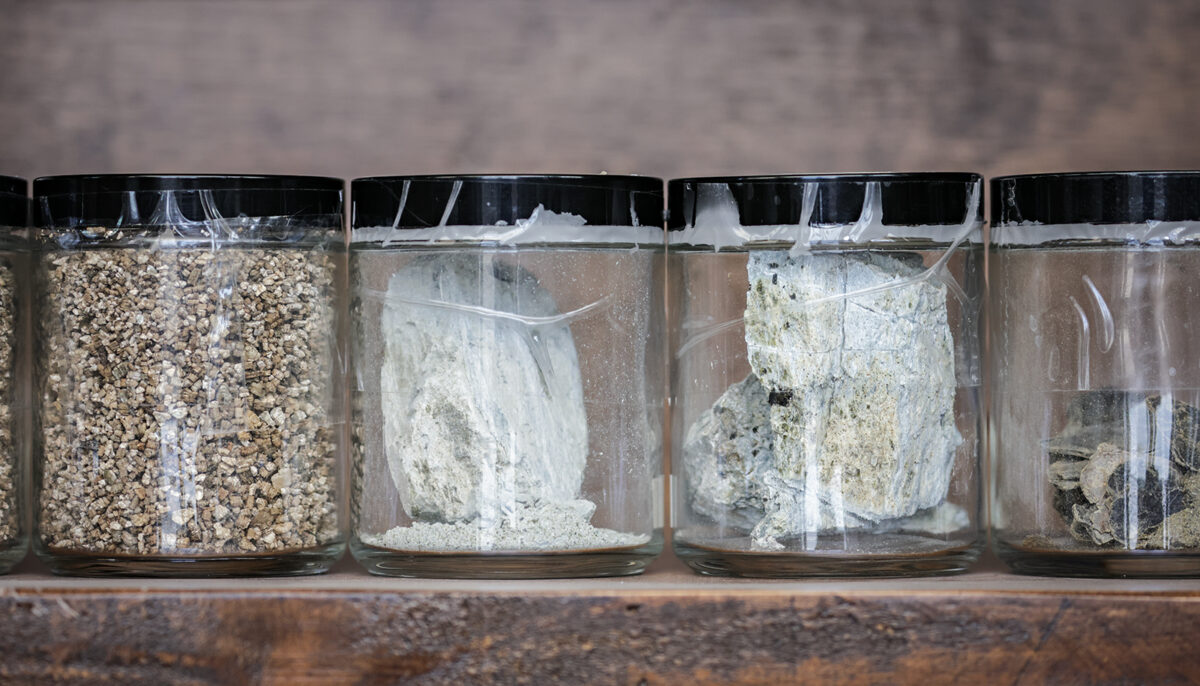
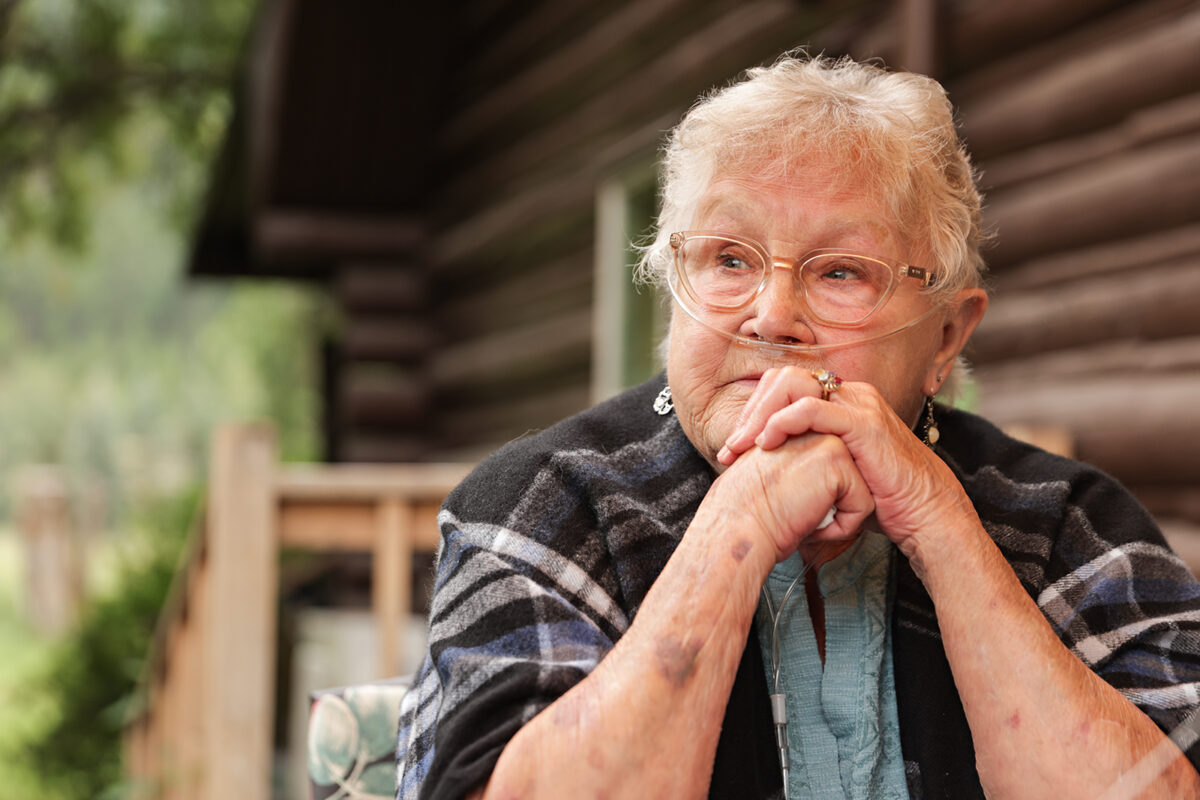
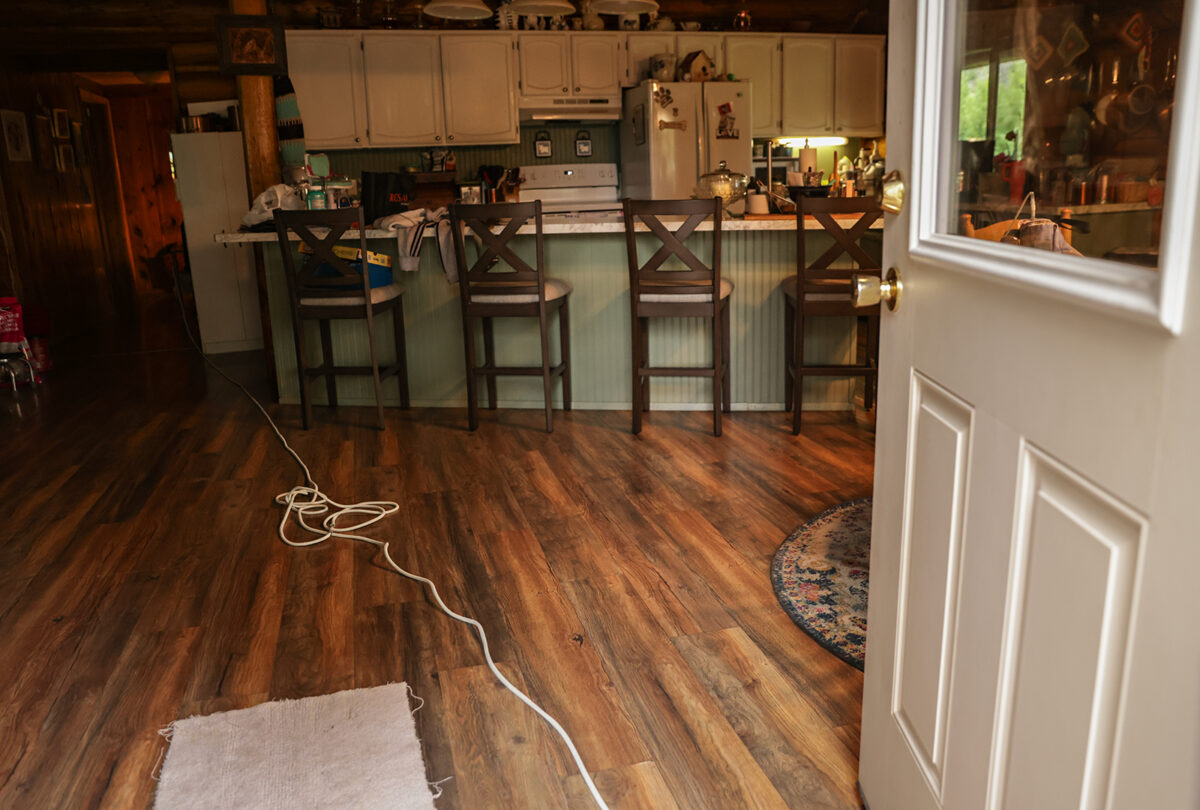
Terri Turman never once suspected she might have asbestos-related disease, known as ARD. Since moving to Libby in 1990, she and her family had assiduously avoided activities around the small mountain town associated with asbestos. No one in the Turman family had worked for the W.R. Grace mine, by then known for its asbestos-filled vermiculite, a flaky mineral used in gardening and home insulation for its lightweight and fire-resistant properties. They took care to never venture up into the woods near the mine or play in the old ballfields adjacent to the railroad tracks where a warehouse once staged vermiculite prior to loading it on trains.
But 11 years ago, Turman began experiencing difficulty breathing. One of her healthcare providers referred her to a pulmonologist who recommended a sleep study based on her weight, Turman recalled. “I’ve dropped 40 pounds [since then] and I still can’t breathe,” Turman said.
Eventually she was admitted to the hospital for four days due to worsening symptoms. Doctors scraped and drained her lungs, which tested positive for asbestos fibers.
It was Dr. Brad Black, her children’s pediatrician before he became one of the first clinicians at Libby’s Center for Asbestos Related Disease, or the CARD clinic, who pointed out that her family’s home had been manufactured in western Montana, where the majority of the insulation used at the time was Libby vermiculite.
For more than two decades, the CARD clinic has provided screenings for Libby ARD and follow-up care. ARD can scar the pleural tissue surrounding the lungs or tissue inside the lung, resulting in a variety of different diseases ranging from asbestosis to mesothelioma. The nonprofit clinic also has a research center that collaborates with external resources to better understand Libby’s unique form of amphibole asbestos and its effects on the body, which can take decades to manifest between exposure and illness.
“Every time we walked across our house, it rained down on us,” Turman said of her family’s constant exposure. “And so, for 14 years, that’s what we breathed in without having any idea.”
Turman has fibromyalgia, a long-term disease characterized by widespread body pain, and pleural thickening, the result of sharp asbestos fibers scarring the pleural tissue that surrounds the lungs. She also dealt with pleurisy, inflammation of the same tissue, which lasted for eight months. She regularly goes to the CARD clinic for screenings to monitor her worsening disease.
But a federal change announced in June is threatening to destabilize that care. The Centers for Disease Control and Prevention (CDC) notified the clinic that its federal grant funding would not be renewed, leaving patients and residents of Libby wondering where the screenings and continuity of care will come from next.
“People should know what they have, and what’s going to happen to them,” Turman said. “And they’re not going to get that anymore.”
In the 1880s, gold miners in Libby discovered flaky vermiculite inside a mountain just outside of the small northwest Montana town. The Zonolite Company began commercial mining vermiculite in the 1920s, and specialty chemical and materials company W.R. Grace bought the mine in the early 1960s. During that time, W.R. Grace took annual X-rays of workers’ lungs.
Jerome Schad moved to Libby from Wisconsin and began work for the mine in 1973. At 22, he started off in the labor pool sweeping dust off floors and doing odd jobs until a stable position opened up in the welding and fabricating shop. He recalled a supervisor pausing work one day so that employees could undergo lung function testing. Schad asked one of the older men who’d been at the shop longer than him what the test was all about. His coworker told him to “just shut up and do what they say,” Schad recalled.
“I said, ‘bullsh*t,’” Schad said. Not long after, he quit.
“Lung function test for a 22-year-old guy? The more I thought about it, I just decided, no I’m getting out of here. And it probably saved my life.”
Almost everyone he befriended while working for W.R. Grace, including those younger than Schad, is now dead, he said.
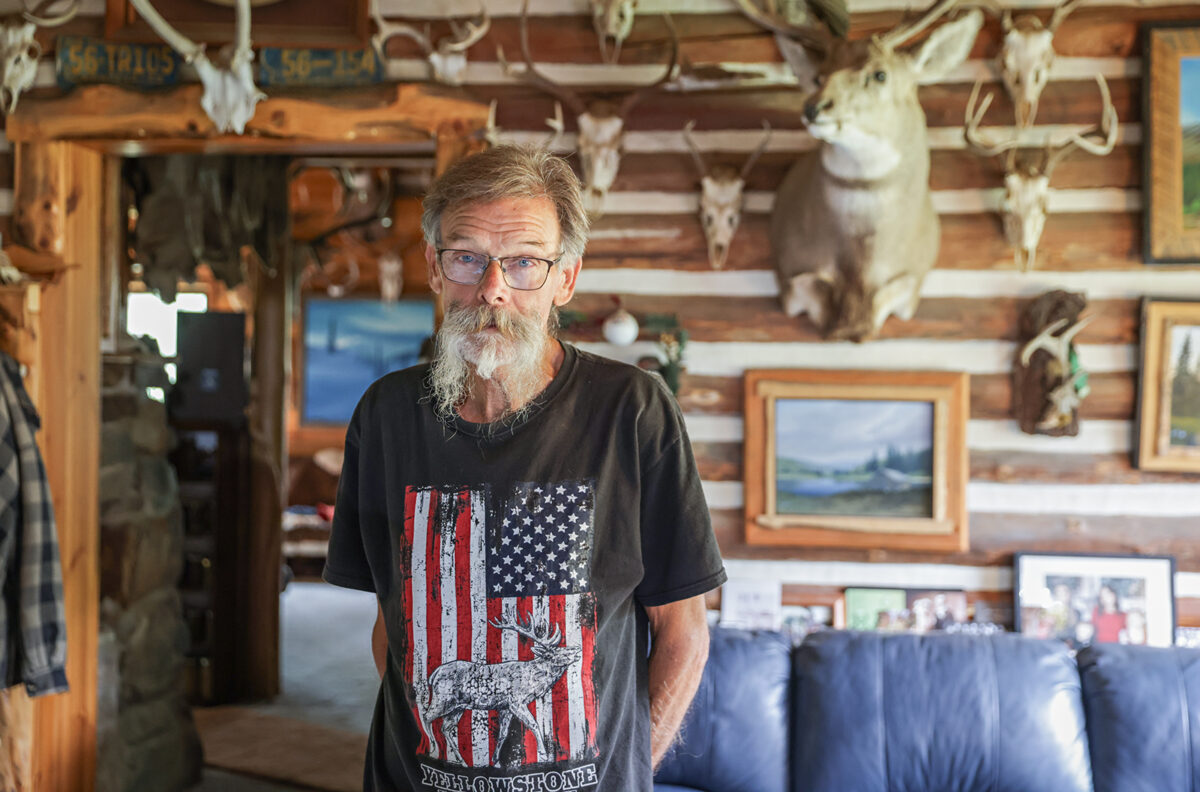
Schad is retired and spends most of his days working on various projects including construction on his house, which he built, and painting, a passion he followed with inspiration from a supervisor he befriended while at the mine. He has asbestosis – scarring of the lung tissue – and pleural thickening. He never misses his annual screening by CARD clinicians to monitor whether he might develop mesothelioma, an asbestos-related cancer of the organ lining.
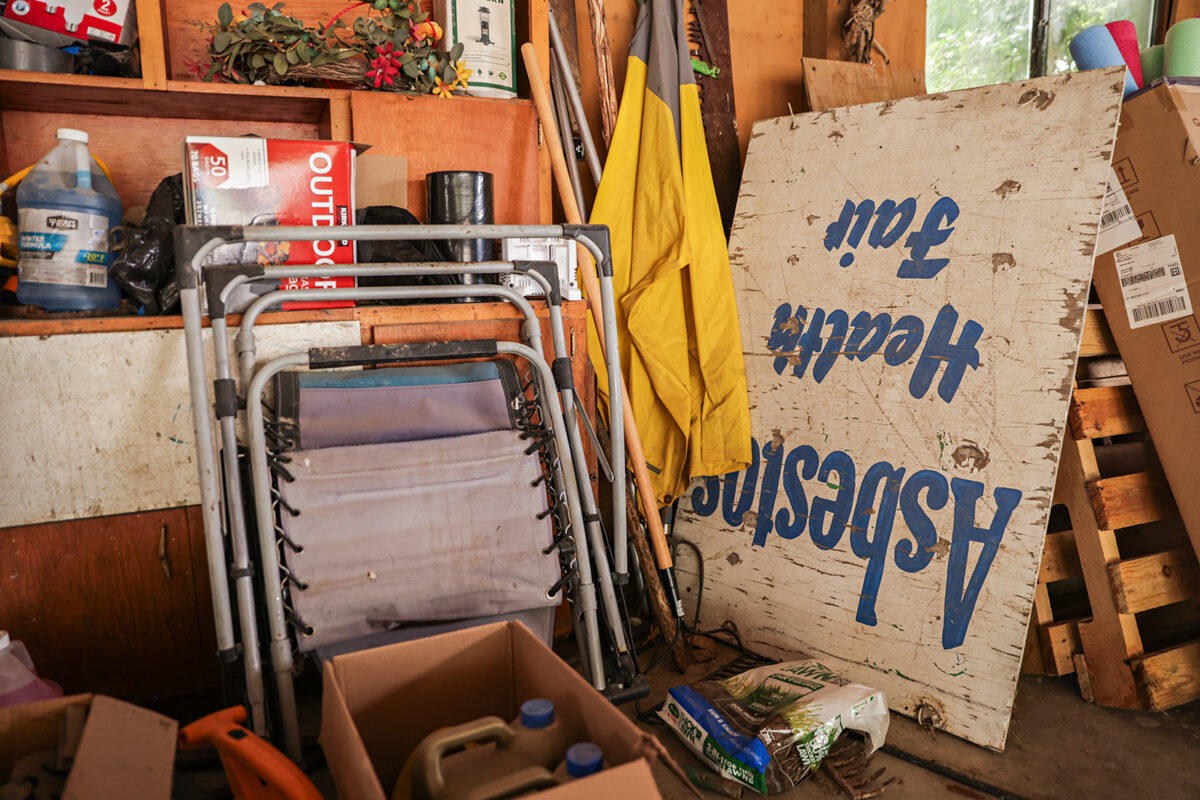
Down by the Kootenai River, along the railroad tracks where the old baseball fields were situated in Libby, a warehouse served as a middle ground for heaps of vermiculite to be hauled from the mountain and staged before they were loaded onto the train. From there, the material was freighted to around 300 processing plants across the country. Libby was responsible for over 70% of all vermiculite sold in the U.S., and the product is estimated to be in more than 30 million homes across the country.
W.R. Grace constructed a wet mill intended to reduce dust exposure for employees. Despite these attempts at hazard mitigation by Grace, mineworkers began filing asbestos-related claims in the 1980s.
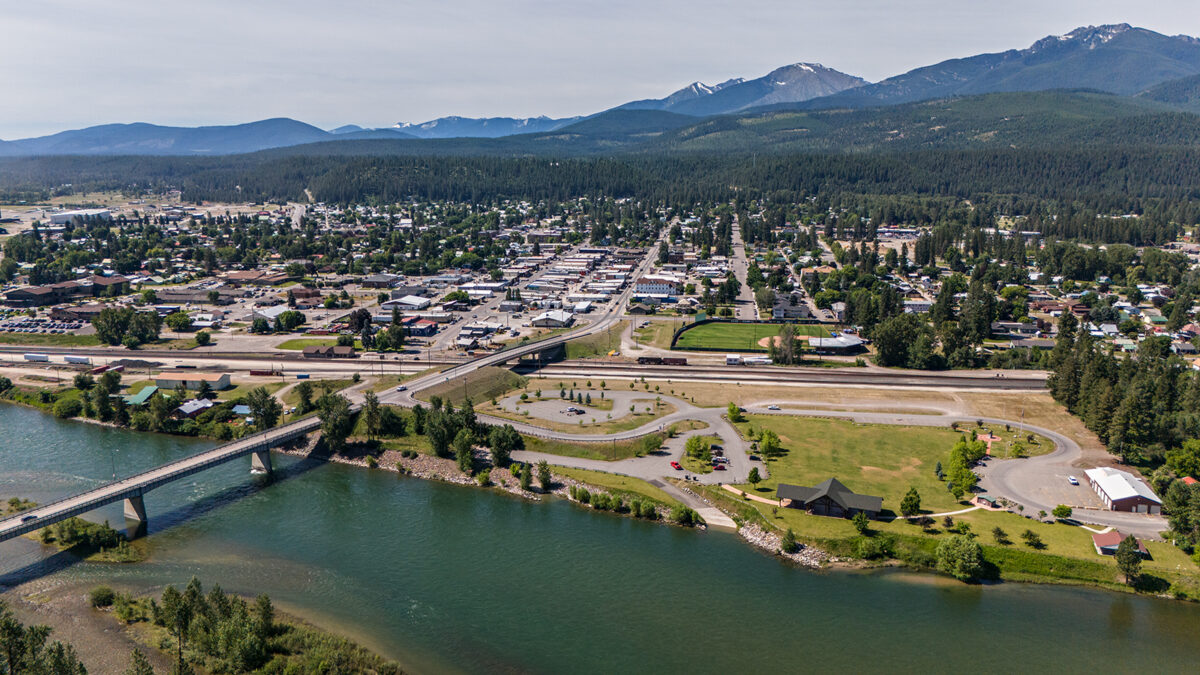
The mine officially closed in 1990. In the mid-1990s, Dr. Alan Whitehouse, a pulmonologist in Spokane, Wash., noticed an increase in the number of Libby patients with infections who were not miners. His suspicions gave rise to the possibility that there might be community-wide exposure expanding beyond the mine.
In 1999, Seattle Post-Intelligencer journalist Andy Schneider published an investigative report on asbestos exposure in Libby and its community-wide effects, triggering a response from the federal Environmental Protection Agency (EPA). Over the next two years, the EPA and the federal Agency for Toxic Substances and Disease Registry (ATSDR) found that hundreds of Libby residents had died from ARD, and that more than 1,000 people had early signs of the disease.
Community members including Gayla Benefield, one of the first whistleblowers to sue W.R. Grace after her mom and dad died from ARD, along with a group of physicians created the CARD clinic in 2000 as a department of St. John’s Lutheran Hospital. The clinic would provide specialized screenings and resources for people affected by ARD.
The clinic was a lifeline as the hospital’s existing facilities would not be able to handle the high volume of individuals needing care. Whitehouse, the Spokane pulmonologist, moved to Libby to be one of the clinic’s consulting physicians. Benefield served as one of the clinic’s first board members.
“Originally when we started out on this whole thing, it became obvious that we needed something here for the treatment of people with, I call it ARD, ‘asbestos-related disease,’” Benefield said. “Because my parents had died, and probably a hundred others before that, never being diagnosed.”
Libby amphibole asbestos fibers are structurally and chemically different from most other forms of asbestos. The long needle-like fibers are small enough they can be inhaled and often end up embedding in lung tissue. The result is ARD, along with other autoimmune diseases and other health impacts.
Libby amphibole asbestos also has higher bio-persistence than other kinds of asbestos, meaning the latency period – the time it takes the body to respond to the fibers and for a disease to materialize – is between 10 and 40 years.
As time went on, clinicians realized health issues related to asbestos were long term and multifaceted, and in 2003, the clinic became a nonprofit to expand its services. The health center branched into research, education, and mental health resources to treat trauma experienced by those living with ARD, as well as individuals losing loved ones to it. At the time, the clinic ran on funding from a combination of sources including patients’ insurance, an insurance program set up by W.R. Grace, the Libby Asbestos Medical Plan set up by the EPA, and Medicare.
Former Montana Sen. Max Baucus investigated the EPA’s decision not to declare a public health emergency at the Libby Superfund site while serving on the Senate Committee on Environment and Public Works in 2008. In his role as chairman of the Senate Finance Committee drafting the Affordable Care Act (ACA), the Democratic senator folded in a provision to provide funding for Libby residents to be screened for ARD. The initiative also allowed residents to receive Medicare if they are diagnosed with ARD no matter what age, and paid for a federal pilot program to provide a wide range of medical care not covered by Medicare.
The EPA proclaimed Libby a public health emergency in 2009. To date, it is the only public health emergency the agency has ever declared.
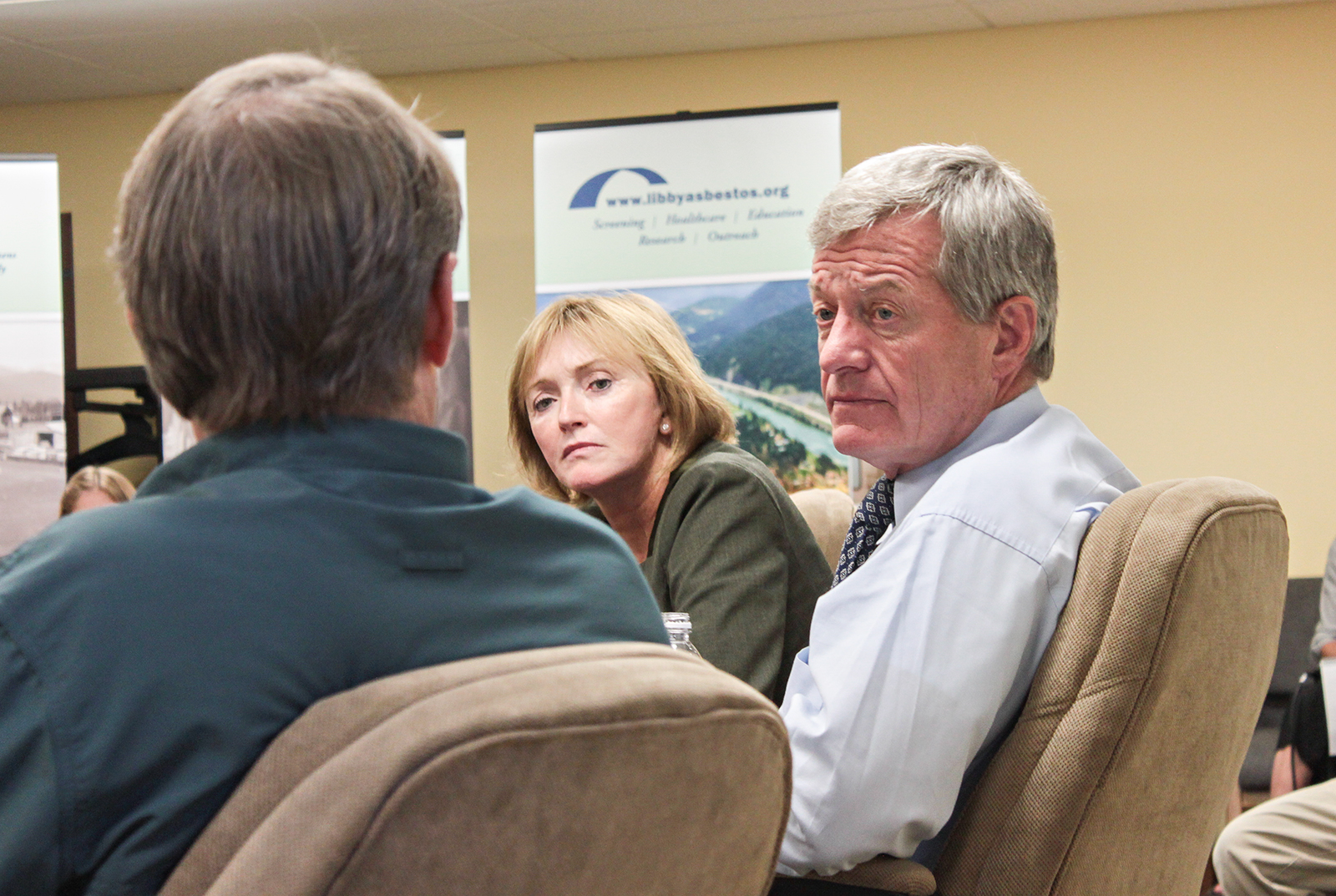
“It has meant so much for so many people who could otherwise not get care, who did not have insurance to get care,” Baucus said in a recent interview.
“I cannot think of any one project I worked on as hard as I did for Libby,” he added. “Why? Because those people were taken advantage of. There was nobody to help them. Nobody, nobody, nobody.”
SUPPORT THE WHOLE FUTURE OF THE FLATHEAD VALLEY
Bolster your Flathead Beacon newsroom as we follow stories past the headlines and into the impacts on our communities by making a donation of any amount. With you, we can stay resilient, focused on solutions and committed to the future of the Valley.
Over the past several years, however, legal battles have shaken the core of the clinic, destabilizing its care along with some of its prominent proponents.
In 2019, BNSF Railway sued the clinic after lawsuits against the railroad sought liability for its role in carrying asbestos-laden vermiculite to sites around the country. Under the False Claims Act, the railway argued CARD had fraudulently diagnosed patients with ARD to obtain federal Medicare benefits. A jury found the clinic liable for 337 false claims in 2023.
BNSF has since made a statement saying the lawsuit was not an attempt to avoid liability.
CARD clinic officials argued the clinic filled out forms for people to be eligible for Medicare according to the Libby provisions of the ACA using abnormal radiology reads, but did not provide clinical diagnosis. U.S. District Court Judge Dana Christensen said that to qualify under the ACA required more than just an abnormal reading, and had to include a diagnosis by another qualified physician. He did not allow Baucus to speak to the intent of Libby’s ACA provisions.
“There was no way the jury could not find [CARD] liable,” Tim Bechtold, one of the clinic’s lawyers, said. “It all came down to what ‘diagnosis’ means.”
The clinic filed for bankruptcy later that year to prevent BNSF from seizing CARD’s property. A battle ensued over the clinic’s assets, with BNSF seizing some of them with approval from a Lincoln County district court judge. Meanwhile, the federal government stepped in, arguing BNSF could not lay claim to CARD’s property because the clinic is largely funded through federal dollars.
After a year of litigation, the government withdrew its claim on CARD’s grant-funded assets in March. U.S. Attorney Kurt Alme wrote that “after consideration, the [Department of Health and Human Services] has determined that its federal interest in the real property at issue has been satisfied and decided to withdraw the federal interest.”
On July 30, Judge Christensen allowed BNSF to take possession of assets previously seized by Lincoln County, while preventing further seizure of CARD’s assets until September.
When the clinic closes at the end of August, all of its property – save patient records protected by HIPAA – is expected to go to BNSF to help satisfy the clinic’s pending $3.3 million debt from the suit.

In June, the clinic received notice that after an internal review, the CDC determined continuing funding through the current award was “not consistent with the agency’s priorities.” Last year, the clinic’s funds appeared on a list of grants the U.S. Office of Management and Budget was reviewing for cuts.
The $3 million grant funds nearly all of CARD’s operating revenue, including staff, screening services, outreach, education, and program administration.
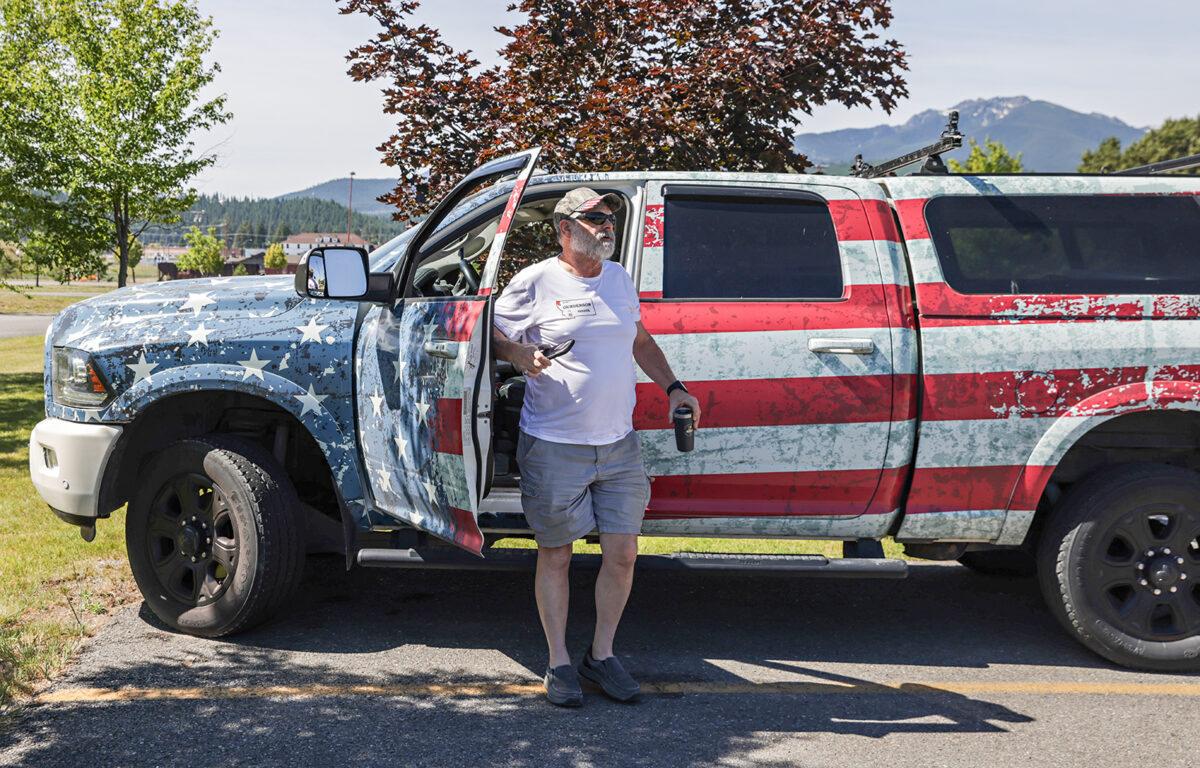
Steve Gunderson is a former state representative serving Lincoln County and the current frontrunner for the upcoming state Senate race in the largely Republican district. Raised in Libby, he has breathing difficulties from ARD, and in recent years has become an advocate for patients with Libby amphibole asbestos. With his eyes on the Senate, he hopes to be able to use an elected seat to advocate for the clinic.
“We’ve already lost a huge capacity of CARD, a huge portion of what CARD does for us,” Gunderson said, referencing the BNSF lawsuit. “When you look at the CARD clinic and everything it does, I consider it a local center of excellence.”
Kelly O’Brien grew up in Libby, about four blocks away from the old baseball fields and the processing plant. His childhood home, where he lives today after taking care of his now deceased parents, was insulated with asbestos-laden vermiculite when he was growing up. As kids, he and his siblings would go up to the attic and light a match to the sparkling flakes of vermiculite, watching it expand like popcorn.
His father logged around the W.R. Grace mine and died from lung cancer, which doctors said was likely due to a combination of ARD and smoking. His mother passed due in part to complications from asbestosis. Both his sisters have also been screened for ARD at the CARD clinic.
A screening at the clinic caught the disease in O’Brien’s father first, catching the cancer early enough to have his lung removed and extending his life. He lived for several more years, spending time hunting and fishing with his wife and family.
Lung cancer often does not show symptoms until its later stages, making early diagnosis successful only with regular screenings, like the one O’Brien’s father received at the CARD clinic.
“If it wouldn’t have been for the CARD clinic it wouldn’t have been diagnosed until too late,” O’Brien said. “In my opinion the CARD clinic saved his life and gave him many years with his family.”
Meanwhile, the rest of O’Brien’s family continues to go in for regular screenings. In a screening earlier this year, clinicians discovered a suspicious spot in O’Brien’s upper left lung. With the clinic closing down, O’Brien is in the process of making sure his primary care provider at the Northwest Community Health Center receives his years of medical records from the CARD clinic as they prepare to assume his care. His two sisters are also working with CARD to share medical records with their respective primary care providers before the clinic shutters.
“Without the CARD clinic and without having that yearly commitment from them, I don’t know what’s going to happen to my family and a lot of people,” O’Brien said. “When I got sick, like a real bad chest cold or anything like that, I could call them up and get [a] prescription for some kind of antibiotic or some kind of medication for it. And I know my family could do that. They’ve been a real strong force for my family as medical providers.”
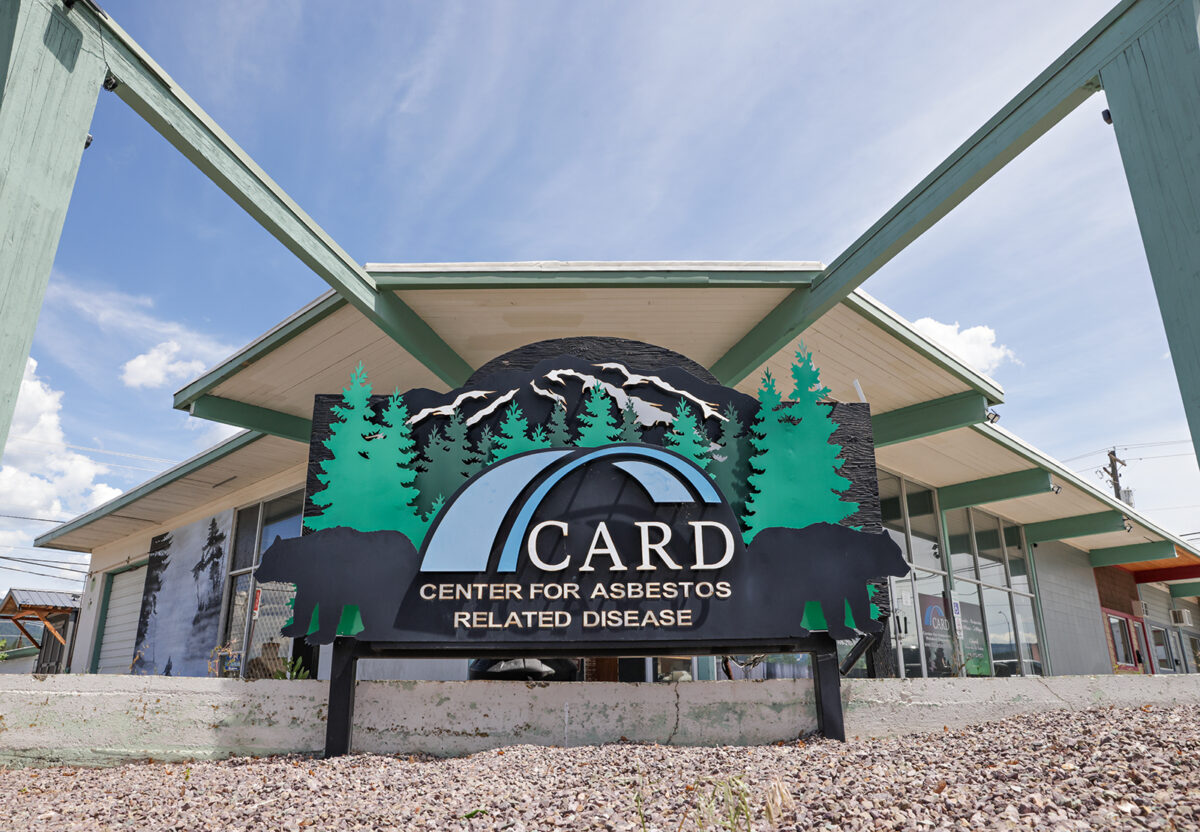
At the clinic, staff members have been working to provide patients and their primary care providers with medical records in advance of the clinic’s closure on Aug. 31. The clinic is continuing patient services until then, including asbestos health screening, lung cancer screening, case management, outreach and education. They have stopped taking new long-distance screenings, however, as the services require additional time to process and would not be completed before the clinic’s closure.
Between 2011 and 2024, CARD saw nearly 6,000 new patients for asbestos health screenings. New screenings have gone down in recent years, with the clinic screening 75 new patients for asbestos in the past year, which Tracy McNew, the clinic’s executive director, said may reflect a combination of “changing screening demand and CARD’s broader operational circumstances in recent years.”
Still, the clinic sees many repeat screenings for those with ARD or at high risk for ARD. Over the course of three months this spring, the clinic completed 140 screenings for ARD and lung cancer combined. Since 2011, the clinic has provided 15,000 screenings for both new and returning patients.
ATSDR, the federal agency within the Department of Health and Human Services that oversees the clinic’s grant alongside the CDC, will be working with CARD to ensure the closure meets federal grant requirements.
The CDC has since published a request for information for programs interested in taking on the Asbestos Screening, Innovation and Transition program, as the CDC “seeks to modernize and renew the long-term screening and outreach strategy with predictive modeling and data analytics.”
According to the listing on sam.gov, the website for federal contract opportunities, the government anticipates the continuation of the program to require no more than $3 to $4 million annually.
How long a gap of coverage may exist between the closure of the CARD clinic and the opening of another screening program is unknown.
McNew has worked at the clinic since 2009, during which she said she’s observed thousands of people receive access to the various screenings and assistance navigating the health system.
“CARD has also provided a consistent local point of contact for people with questions about Libby amphibole asbestos exposure and has contributed to provider education, public health research, and a better understanding of the long-term health effects of that exposure,” McNew said in an email to the Beacon.
“I am especially appreciative of CARD’s employees, clinical partners, scientific advisory group, and community partners who have supported this work,” she added. “The immediate priority now is to preserve as much continuity as possible for patients and the community and to ensure CARD completes an orderly closure.”

For Turman, getting answers to what is causing her symptoms has been life-changing. She’s worked on pain management and adjusted her daily routine over time, but the biggest benefit she says comes from understanding what’s going on in her body and what she might be able to expect in the future.
With other symptoms on the rise, Turman suspects she also has autoimmune disease and is waiting to hear back on test results.
“I’m just one of these people who go out and get answers,” she said while sitting beside her husband, who also has asbestos in his lungs. The older of their two daughters, Annamarie, has severe early-onset rheumatoid arthritis from asbestos poisoning, another autoimmune disease linked to asbestos, according to research from the CARD clinic.
With screenings, Turman knows the Libby amphibole asbestos fibers are still in her lungs. She and her physician have discussed the likelihood that she may develop lung cancer; further down the road, doctors say the fibers may result in cancer in other parts of her body. Should that happen, Turman told her family she won’t go through chemotherapy or other treatment.
“There comes a point where you just have to be realistic,” she said. “I’m happy every day that my feet hit the floor, but I’m not going to keep going on just to get another cancer.”
Turman’s focus, however, has turned to those around her. She worries about her youngest daughter, Rebecka, who recently turned 32 and is still young enough that the disease may not have begun to manifest yet. For those exposed early on in life, like Rebecka, not enough time has passed for the disease to materialize, due to Libby amphibole’s extended latency period of 10 to 40 years.
“She’s right in that timeline where it’s going to show up or not,” Turman said. “I just sit there and think, she could be alone and not have care. She could be alone because we’re going to die from this … I think that’s the thing that pisses me off more than anything – is how it affects these families.”
Correction: An earlier version of this article included incorrect information about which of Kelly O’Brien’s family members worked at the W.R. Grace mine. It was his father-in-law who worked at the mine, not his father. His father worked near the mine as a logger. The original version of the article also included incorrect information about O’Brien’s medical condition. Although a lung cancer screening detected questionable nodules on O’Brien’s lungs, clinicians have not confirmed the condition as cancerous.