Documentary on Transboundary Coal Pollution to Screen at UM Law School
“Shared Waters: Ktunaxa and the Coal Mines” arrives as an international study board prepares to release its long-delayed draft report on Elk Valley mining contamination
By Tristan Scott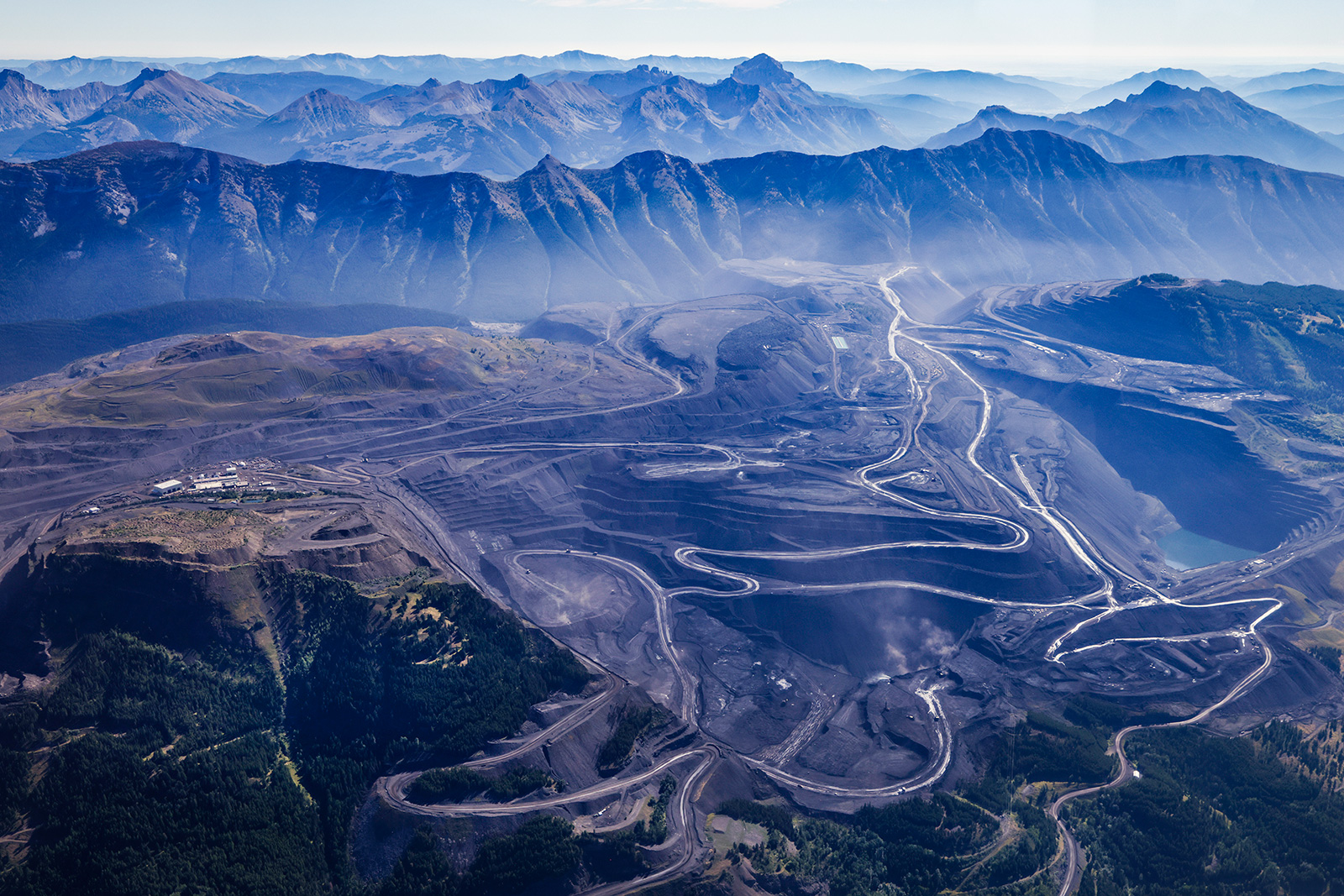
The selenium does not stop at the border.
It leaches from the waste-rock piles of the metallurgical coal mines in British Columbia’s Elk Valley, flows down the Elk River and into Lake Koocanusa, and spills out the other side into the Kootenai River, carrying a legacy of contamination across Montana and Idaho and into the homelands of Indigenous nations that predate the line on the map.
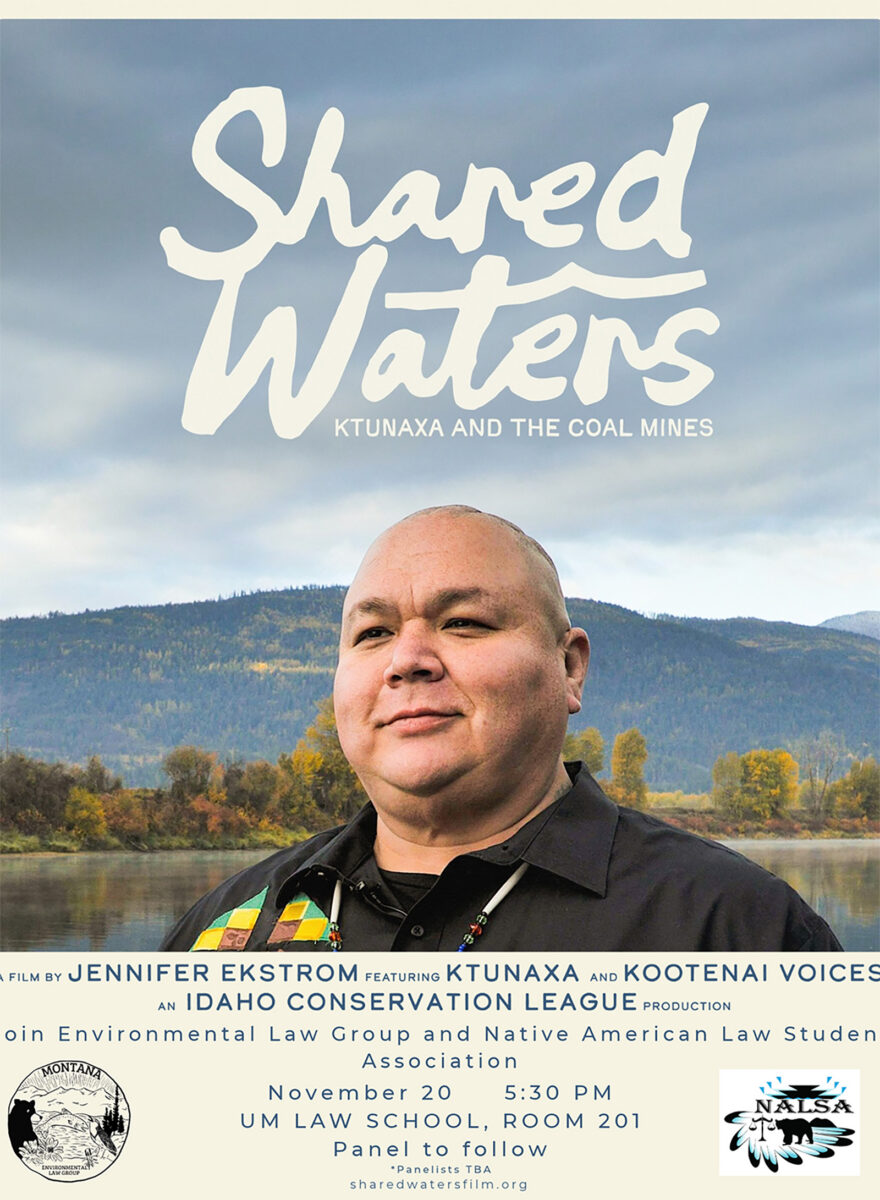
A new documentary tells that story through the Ktunaxa people who live downstream of it. “Shared Waters: Ktunaxa and the Coal Mines“ will screen Friday, Nov. 20, at 5:30 p.m. at the University of Montana’s Alexander Blewett III School of Law in Missoula. The event is hosted by the law school’s Environmental Law Group, the Native American Law Student Association and the Idaho Conservation League, and will include an audience Q&A with the film’s director, Jennifer Ekstrom, and Kootenai Tribe of Idaho Vice Chairman Gary Aitken Jr. A reception will follow.
The 43-minute film, produced by the Idaho Conservation League, examines what it describes as the far-reaching impacts of mountaintop removal coal mining in the Elk Valley, and is told through Ktunaxa leadership as well as scientific and policy experts. Along with Aitken, the featured speakers include Rich Janssen Jr., natural resources department head for the Confederated Salish and Kootenai Tribes; Heidi Gravelle, Nasuʔkin of the Yaq̓it ʔa·knuqⱡi’it First Nation; and Kathryn Teneese, chair of the Ktunaxa Nation Council.
Ekstrom, the Kootenai River Campaign lead for the Idaho Conservation League, said the film reaches the screen at a moment of rare consequence.
“This film confronts the ongoing environmental failures of governments, and amplifies a powerful Indigenous vision for justice, accountability, and restoration,” she said. “The historic Boundary Waters Treaty investigation, which includes the Ktunaxa Nation at the government’s negotiation table, gives us rare hope for accountability for the coal industry in British Columbia.”
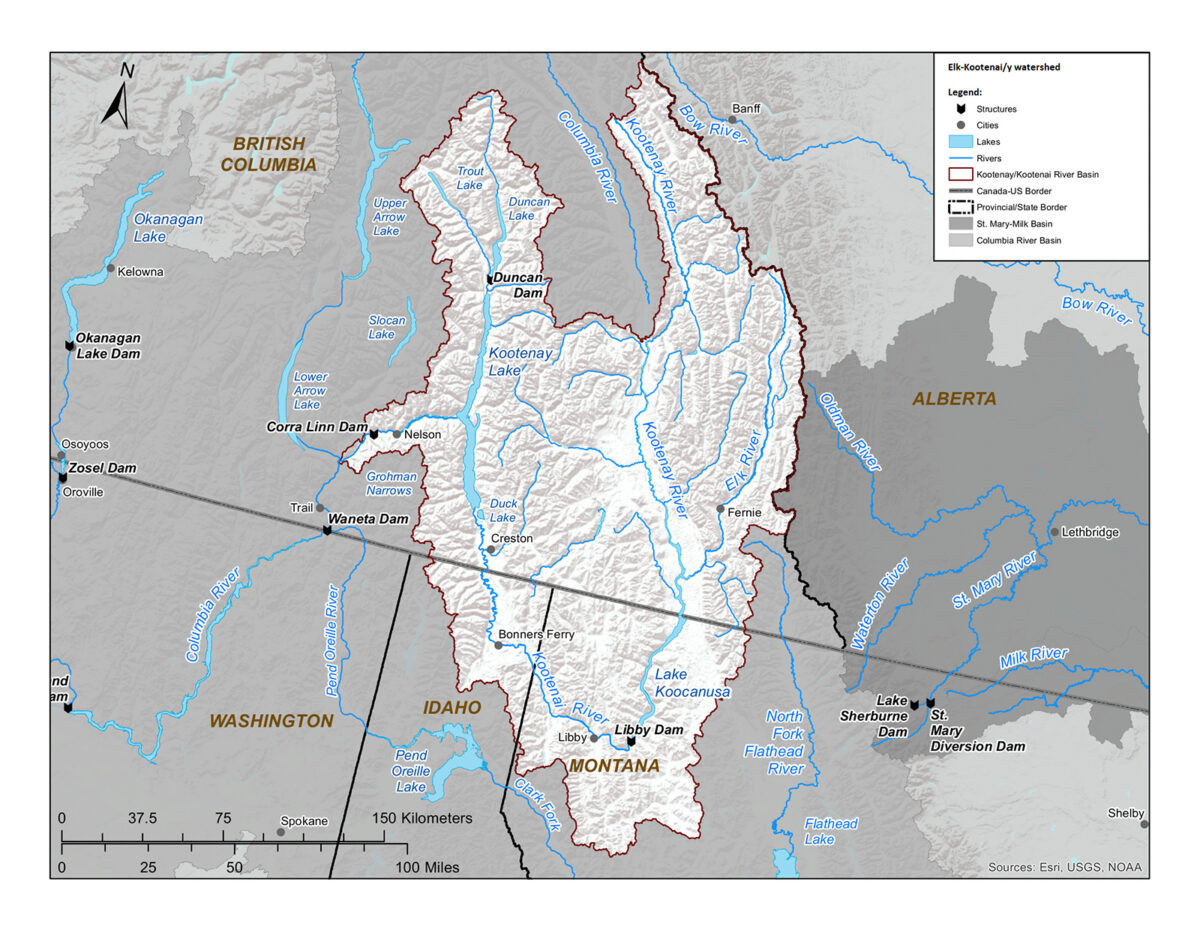
That investigation began in March 2024, when the governments of Canada and the United States provided a reference, incorporating a proposal developed in partnership with the Ktunaxa Nation, to the International Joint Commission (IJC) under the Boundary Waters Treaty of 1909. The commission formed the International Elk-Kootenai/y Watershed Study Board that fall, co-chaired by Oliver Brandes and Tom Bansak, who is associate director of the Flathead Lake Biological Station. The timeline has since slipped twice. The board postponed the release of its draft final report, planned for Sept. 30, and now expects to publish it in late November, followed by a one-month public comment period. The deadline for delivering the final report and recommendations to the commission moved from Dec. 9 to Feb. 5, 2027.
The IJC reference coincides with new research showing that long-term trends of increasing selenium concentrations in the Elk-Kootenai River Basin directly parallel increasing trends in metallurgical coal production. Selenium leaching from waste-rock dumps in the Elk River has “increased at rates among the highest observed in the primary literature,” according to a U.S. Geological Survey study published in 2024, revealing a 551% increase in selenium concentration in the Elk River from 1984 to 2022.
For advocacy groups, the scale of the problem is difficult to overstate. Wildsight, a B.C. conservation group, says existing Elk Valley operations have pushed selenium in local waterways to more than 30 times aquatic-life safety thresholds, and independent studies have traced the contamination hundreds of miles downstream into Montana, Idaho and the Columbia River. A 2024 analysis commissioned by Wildsight estimated the cost of selenium cleanup at $6.4 billion, more than triple the $1.9 billion reclamation bond Teck Resources, the previous owner of the mines, posted with B.C. at the time. Federal prosecutors filed new Fisheries Act charges in July 2024 over continuing violations, on top of a record $60 million fine in 2021.
And the footprint could grow. The new owner, Glencore’s Elk Valley Resources, proposes adding nearly 5,000 acres to Canada’s largest metallurgical coal mine, a project that would extend the mine’s life by roughly 30 to 35 years and generate more than 3 billion cubic meters of waste rock, the primary source of selenium contamination. Under a joint permitting timeline, the company would submit its application in the second quarter of 2027, with decisions not expected until late 2028. Company spokesman Chris Stannell has called the provincial and federal assessments “comprehensive” and said the company is making “significant progress” under its 2015 Elk Valley Water Quality Plan. Tribes and conservation groups have asked Ottawa for an independent federal review panel, but Environment Minister Julie Dabrusin responded in May that she was confident the coordinated review underway would be rigorous enough.
Davis Paul, a second-year UM law student and Environmental Law Group board member, said the screening is meant to bring the issue home to Missoula.
“We are excited to bring this documentary to our law school and the greater Missoula community,” Paul said. “The issue is important for our community to engage in because of the broad impacts across northwest Montana, and is timely with a public comment opportunity opening soon. As someone with a Lincoln County work background, I hope this film spreads awareness to our Missoula community and gets people to engage.”