Five years before the landmark Americans with Disabilities Act (ADA) was signed into law in 1990, a group of Flathead Valley residents unified over a shared vision: “making outdoor recreation and public spaces more accessible to people with disabilities.”
That vision manifested into the nonprofit, DREAM Adaptive Recreation — a staple in the valley and outdoor adaptive recreation for more than 40 years.
One of DREAM’s earliest initiatives was collaborating with Glacier National Park to improve accessibility along the iconic Trail of the Cedars, in addition to developing an accessible trail at Woodland Park in Kalispell and creating a statewide accessibility guide for tourism businesses.
“Our founders were very much focused on access projects,” Julie Tickle, who has been DREAM’s executive director since 2018, said. “It kind of stemmed from our founder running a tour guide company and having a woman show up with a mobility device back in the ‘80s.
“Initially, they were very impassioned to help local parks and recreation spaces and Glacier [National Park] and the Forest Service and even buildings become more accessible because in the 80s, nothing was accessible.”
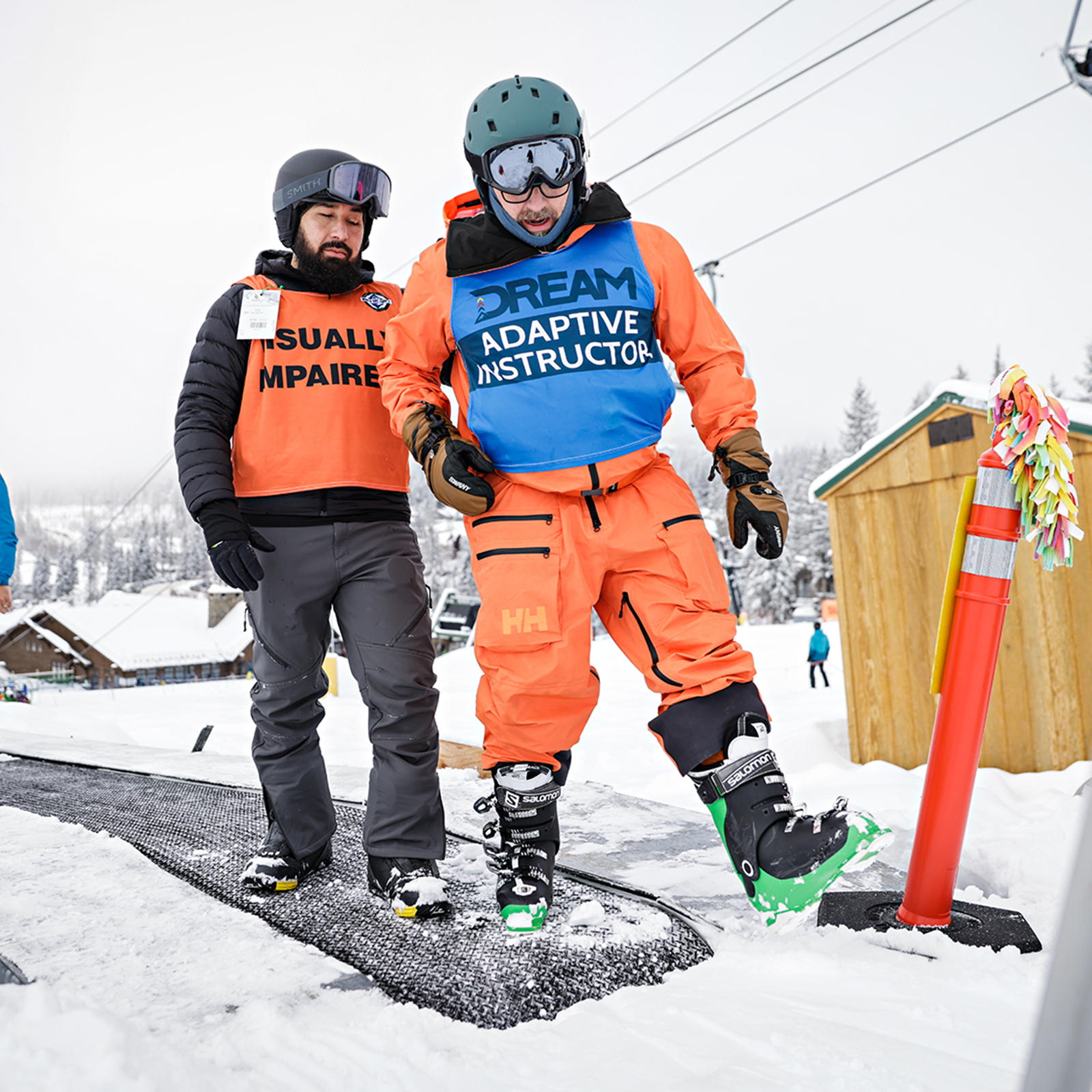
Largely focused on accessibility and advocacy in its infancy, DREAM soon expanded into adaptive recreation, introducing alpine skiing at Big Mountain. The following decades saw the small but mighty nonprofit and its dedicated volunteers pour into and expand its on-snow programming, which now includes alpine skiing and snowboarding, nordic and cross-country skiing, and a specialized veteran and military program.
That was until 2009, when DREAM expanded beyond winter sports to introduce summer adaptive recreation opportunities, laying the foundation for the year-round programs offered today.
In addition to its on-snow programming, DREAM offers cycling, fishing, motorized water sports and paddling programs to people with both cognitive and physical disabilities with the goal of empowering people with accessible outdoor recreation. The organization works with disabled persons ages 5 and up, including free programming for active-duty service members and veterans with a disability from any area.
“It took a handful of years to go from just one week of programming in the summer to more programming,” Tickle said. “So really over the years, it’s been a lot of year-round program growth.”
So far in Tickle’s tenure with the nonprofit, however, she has made an effort to return to DREAM’s initial approach to accessibility holistically.
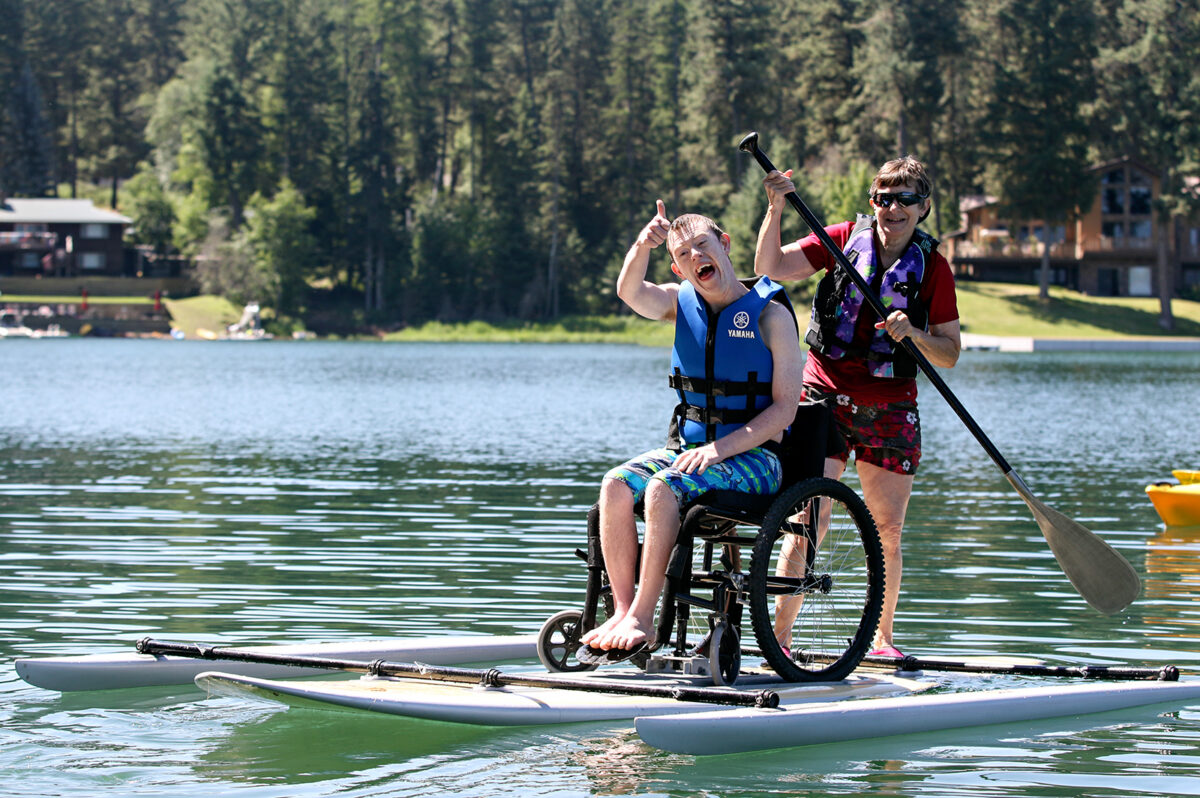
“It needed to be more of a movement in the community, and we needed to be the catalyst for accessibility again, not just with our programs, but with going back to our roots of access projects, educating community partners; kind of the low-hanging fruit of what does accessibility look like in … outdoor recreation?” Tickle said.
Truly breaking the cycle of inaccessibility in outdoor recreation “starts with recognizing that people with disabilities deserve to be in the great outdoors and giving them a seat at the table,” Tickle said.
“Really over the last 10 years, we’ve been trying to take this multi-pronged approach to accessibility; advocating, educating, working on financially contributing to access projects that we fully believe in and still growing our programs as a core component,” Tickle said.
“The more people we see with disabilities in the outdoors, the more they’re going to be considered,” she added. “If we don’t see them, no one thinks about it, someone who uses a mobility device or someone who’s visually impaired. That’s kind of the cycle we’re trying to break through … it shouldn’t be a surprise that someone is out on the trail with a hand cycle or a hiking tool.”
In the Flathead Valley, where outdoor recreation is woven into nearly every thread of the local fabric, fostering a true sense of belonging through access — one that ripples throughout the community — is a crucial goal for the nonprofit.
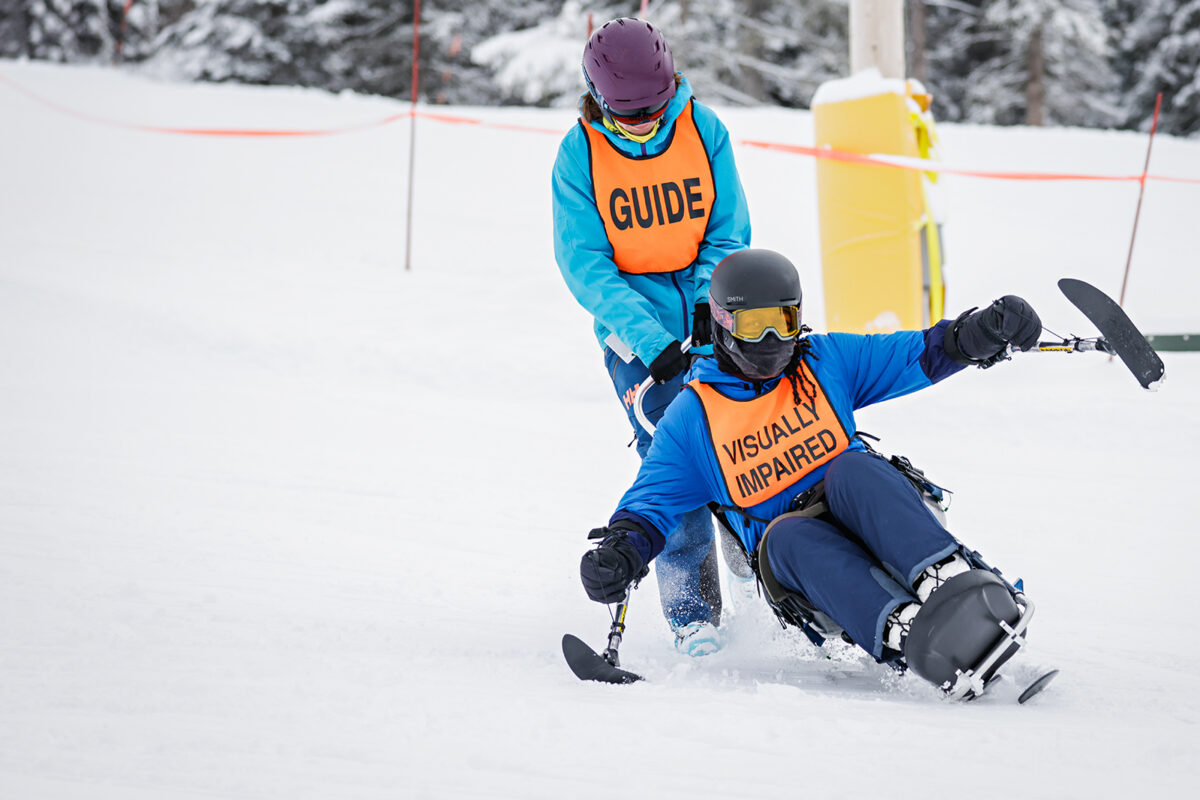
For some participants who acquired an injury or disability later in life, DREAM offers the chance to get back in the outdoors, reconnecting with “the core of who they are.”
“They’ve already had that love, that core identity of being an outdoor adventurer and they need to figure out their new normal in doing those activities again,” Tickle said. “To them, recreating with their friends and family is just part of their identity and has given them that sense of belonging. There is still a sense of mourning of how they used to be able to do it, but we do really see participants come back alive once they’re able to mentally and emotionally process that shift.”
For others, DREAM offers a new world of previously unknown possibilities.
“We’ve heard from families with a kiddo with a disability or maybe a cognitive diagnosis [say] ‘We thought we could never recreate as a family until we found DREAM … we thought we might have to shift how we interact with the community.’ But they realized that they still can be an outdoor family with support from DREAM.”
No matter the circumstance, Tickle said DREAM is ready to meet participants wherever they’re at — whether that be physically, mentally or emotionally — and get them involved in all the Flathead Valley has to offer.
“What we do is so much more than teaching someone how to ski or relearn how to ski or paddleboard or kayak,” Tickle said. “What we do is so much broader. It’s those things that do impact mental health and emotional state — building up confidence, promoting independence, helping people create meaningful relationships and community connections.”
GET INVOLVED
DREAM Adaptive Recreation offers about 1,500 lessons and opportunities annually with demand growing each season. These lessons and other events are made possible by the 200 volunteers who donate their time each year. Volunteering opportunities exist outside instructing skiing, snowboarding, biking or kayaking lessons. To learn more about DREAM, how to volunteer or financially donate, visit dreamadaptive.org.
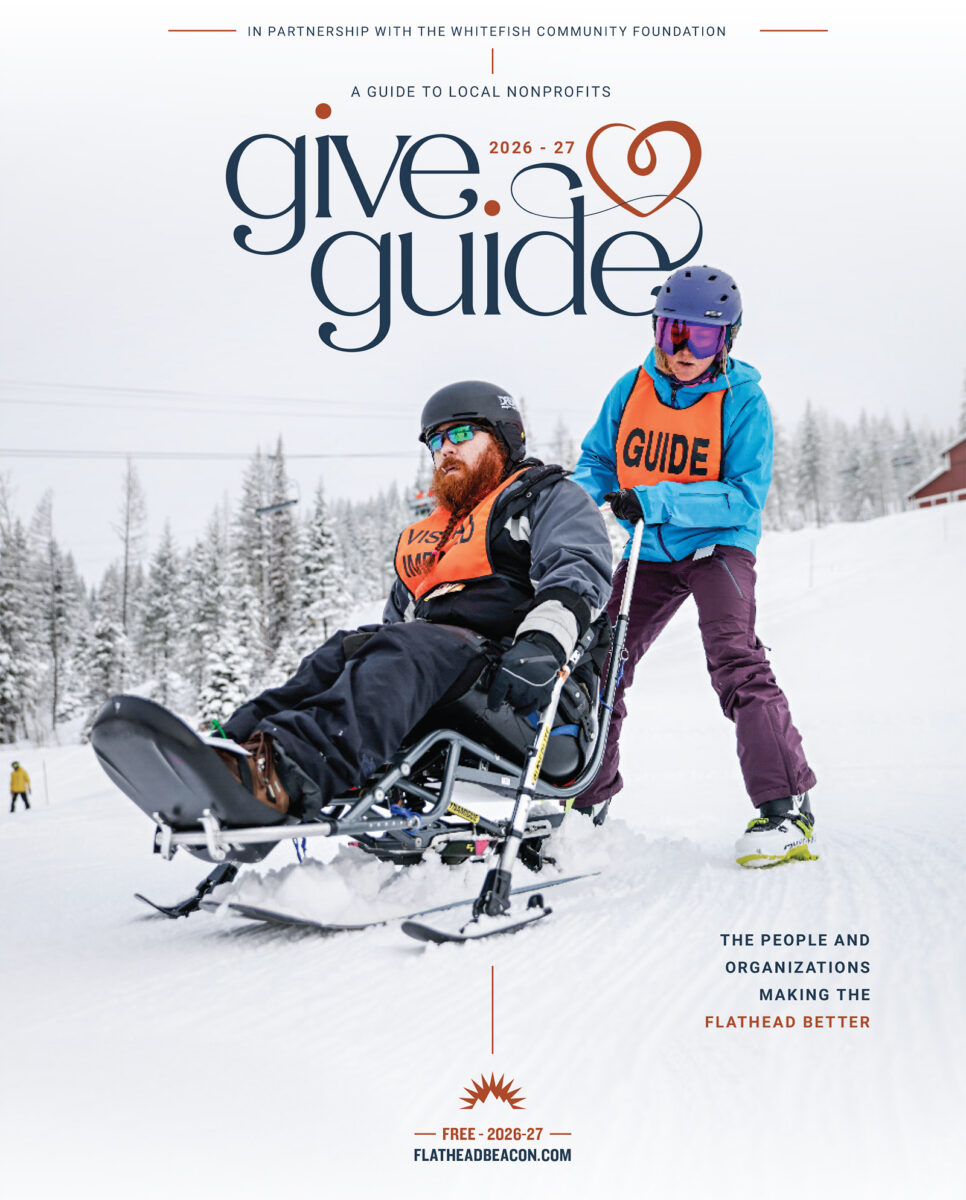
This story appears in the inaugural Give Guide, the Flathead Beacon’s new magazine about the nonprofits working across the Flathead Valley. Read the full issue here, or pick up a free copy on newsstands across the valley to find out how you can support or get involved with local nonprofits.