Kiliii Yüyan Brings ‘Indigenous Wisdom for a Thriving Planet’ to FVCC
The National Geographic photographer, who learned to observe nature through his grandmother’s stories, speaks Nov. 19 at the Wachholz College Center
By Lauren Frick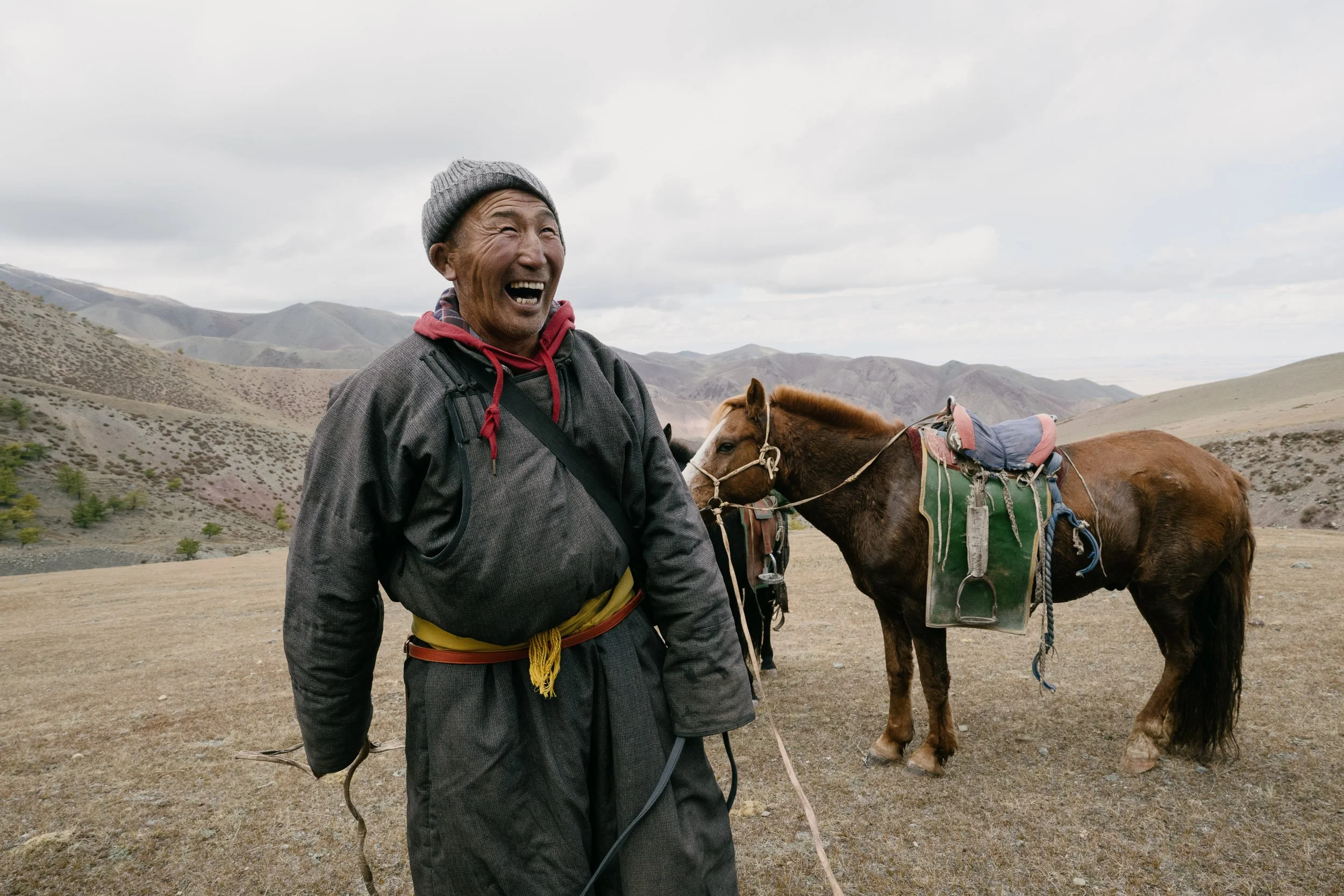
Even from a young age, you could always find photographer and National Geographic Explorer Kiliii Yüyan playing outside with critters.
Originally born in the United States, it wasn’t long until Yüyan moved away to live with his grandmother in Siberia, then Taiwan.
“My grandmother very much encouraged me to catch critters,” Yüyan, who is of Chinese and Nanai/Hèzhé (East Asian Indigenous) descent, said. “We’d put them in these little bamboo cages, and then we’d watch them for a bit, then we’d let them go.”
By age 7, Yüyan was already back in the U.S. — but the moving didn’t stop there, and neither did his time in nature.
“There were times when I was living in Maryland and in New York where we were coastal, and so we would spend a lot of time out on the beaches and playing and being in the water,” Yüyan said. “Of course like Tennessee, I remember mostly chasing fireflies a lot, and in Texas you’re messing with ants and bugs and doing a lot of fishing in ponds and stuff like that.
“It was great. I’ve become such a water person as an adult; I think that was kind of always really there. But you know, as a kid, you kind of don’t care. Whatever’s in front of you can be really awesome.”
Being largely raised by his grandmother, who holds the Indigenous ancestry in Yüyan’s lineage, the natural world — and all its critters — became a significant fixture in Yüyan’s life.
Guided by his grandmother’s traditional folk tales, Yüyan quickly learned these life forms, from 10,000-pound orcas to minuscule ants, each possessing stories and, most importantly, ecological knowledge of their own.
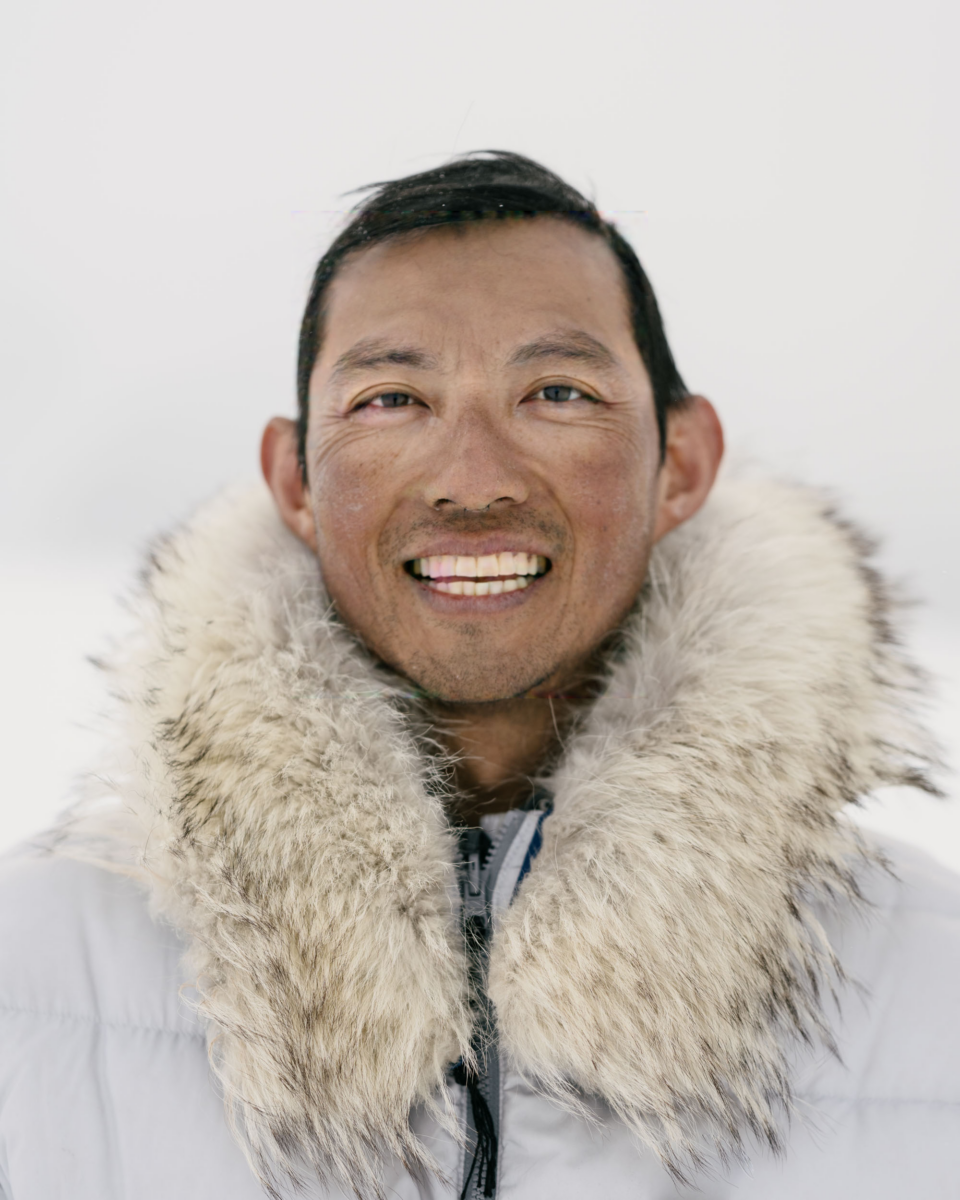
“There were stories about riding on the backs of orcas and stories about where the fish come from and how to treat your village and how to treat other people,” Yüyan said. “There’s a lot of moral teachings inside those stories, and very much about how human beings are one character in a whole giant pantheon of all these other creatures. They’re all people. They’re all doing things, and they all have their own agendas and their own agency to do stuff in that world. Human beings happen to be one of those things, but not the master of all of those things. We just are part of the natural world.”
These stories, along with his early years spent under the leafy canopy of Appalachia and sifting through the red sands of El Paso, taught him the art of observing nature — an aptitude that has proven especially important in his time as a photographer.
“That level of observation never really goes away,” Yüyan said. “I think that if you don’t have that growing up, in some ways, you never really form that ability to observe the world around you and just spend countless hours never being bored. It seems kind of dumb that you’re just watching bugs, but actually, it’s not. You spend a lot of time entertaining yourself and understanding how the natural world works.”
Now, Yüyan is traveling the country to share his observations and the stewardship stories of the world’s Indigenous communities in his talk, “Indigenous Wisdom for a Thriving Planet,” which will come through Flathead Valley Community College’s Wachholz Center as part of its Changemaker Speaker Series at 7 p.m. on Nov. 19.
For Yüyan, a central goal of his speaking engagements, which are often filled with people of Western upbringings, is to dispel a widespread myth: “human beings will always ruin the world.”
“That’s really one of the most difficult things that people really have this deeply stuck in them right now, is that nature is best left to itself, and this is the very non-Indigenous way of thinking about it,” Yüyan said. “Indigenous peoples by and large think that if you leave nature to itself, it becomes sick, that it needs to be cared for and taken care of. That’s the fundamental thing I’m always trying to help people understand.”
Largely self-taught, Yüyan — who so far in his career has landed 15 stories for National Geographic, including three cover features — didn’t first pick up a camera until his early 30s, he said.
Yüyan’s career as a photographer came about “accidentally,” as his true craft is building traditional kayaks. When Yüyan and his colleagues realized they could bring in more money working with brands such as Land Rover and Filson for advertising campaigns than building kayaks, he took the first steps of his journey to becoming a professional photographer.
His early career mostly consisted of shooting for brands, namely REI, but when Yüyan hired a consultant to help him with the business side of his operations, he received a creative wake-up call.
“She looked at all the stuff that I was shooting, and she was like, ‘This is very nice photography that you’re doing, Kiliii, but it’s very technically sophisticated. There’s basically no soul, and you are a very interesting person. Why is none of you in these pictures?’ She encouraged me to really explore the things that were very personal.”
This introspective push led Yüyan to the Alaskan Iñupiat community. Originally traveling to the North Arctic region to learn how to do a complicated waterproof stitch from an Elder, he found something else he felt called to capture through the “power of photography.”
“When I was up there, I realized that they were hunting whales from traditional boats, and I was like, ‘This is amazing!’” Yüyan said. “I went up there and I was just hanging out with them, and I was teaching kayak building to the youth. We’re kind of just hanging out, and I got invited to go be part of the sea ice hunting crew, and so eventually I took a camera up there and started photographing, and that became my first story for National Geographic.”
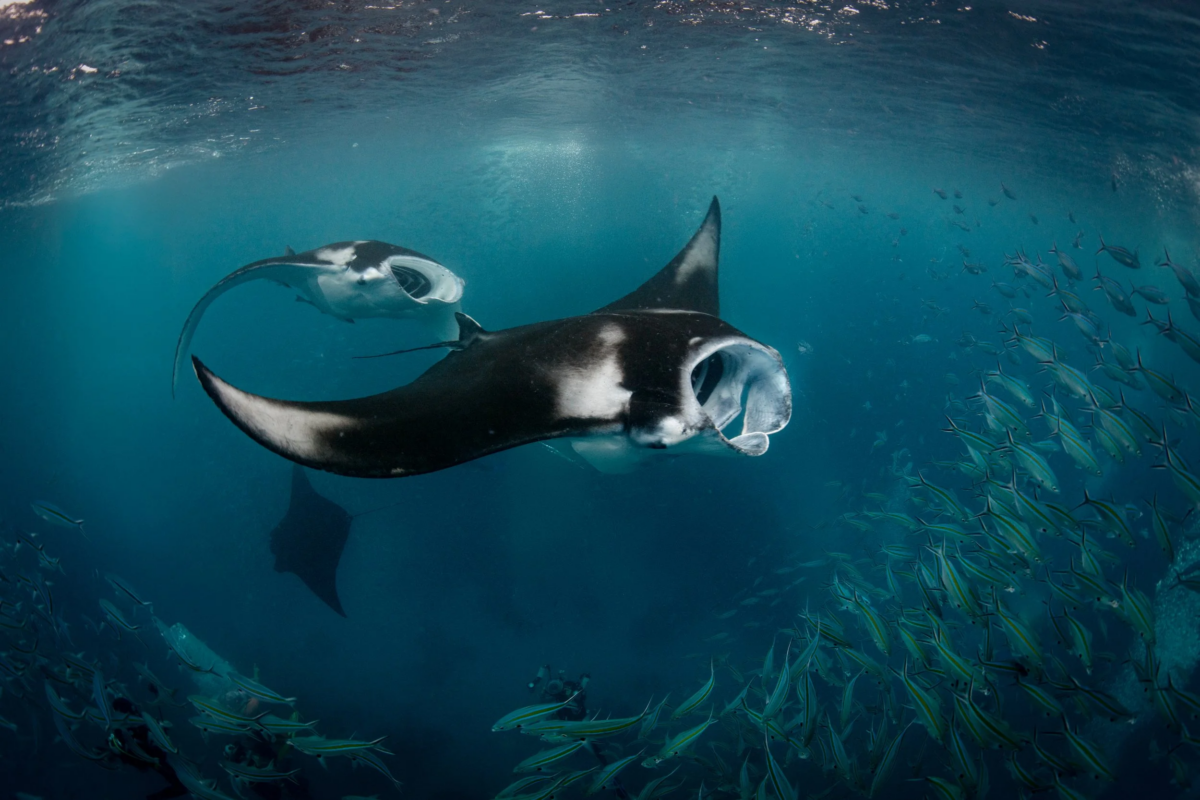
Over the course of five years, spending roughly 10 months in the field, Yüyan documented Iñupiat bowhead whale hunting, which uses traditional skin boats and traditional ecological knowledge, such as avoiding pregnant females, to help keep harvests measured and sustainable. After commercial whaling severely depleted bowhead whales, Indigenous stewardship and management has aided the population’s resurgence.
“They basically fought the battle in court to manage their own whale population, and once they had control of their own whale population, in just 30 years’ time, they tripled the population of whales under their watch, which is absolutely incredible,” Yüyan said. “It’s one of the great conservation stories of all time. Very few people know it.”
This little-known story is one Yüyan feels uniquely qualified to capture, approaching the conservation feat with the knowledge of his grandmother’s stories behind him.
“There have been photographers who have gone to Alaska and photographed the whale hunt before, but they didn’t understand it,” Yüyan said. “They were just like, ‘Oh, look at these people doing this crazy thing, and they’re killing whales.’ I went up there as an Indigenous person, and I understood what they were doing very differently. I realized that they were not killing whales; they were taking care of the whale population.”
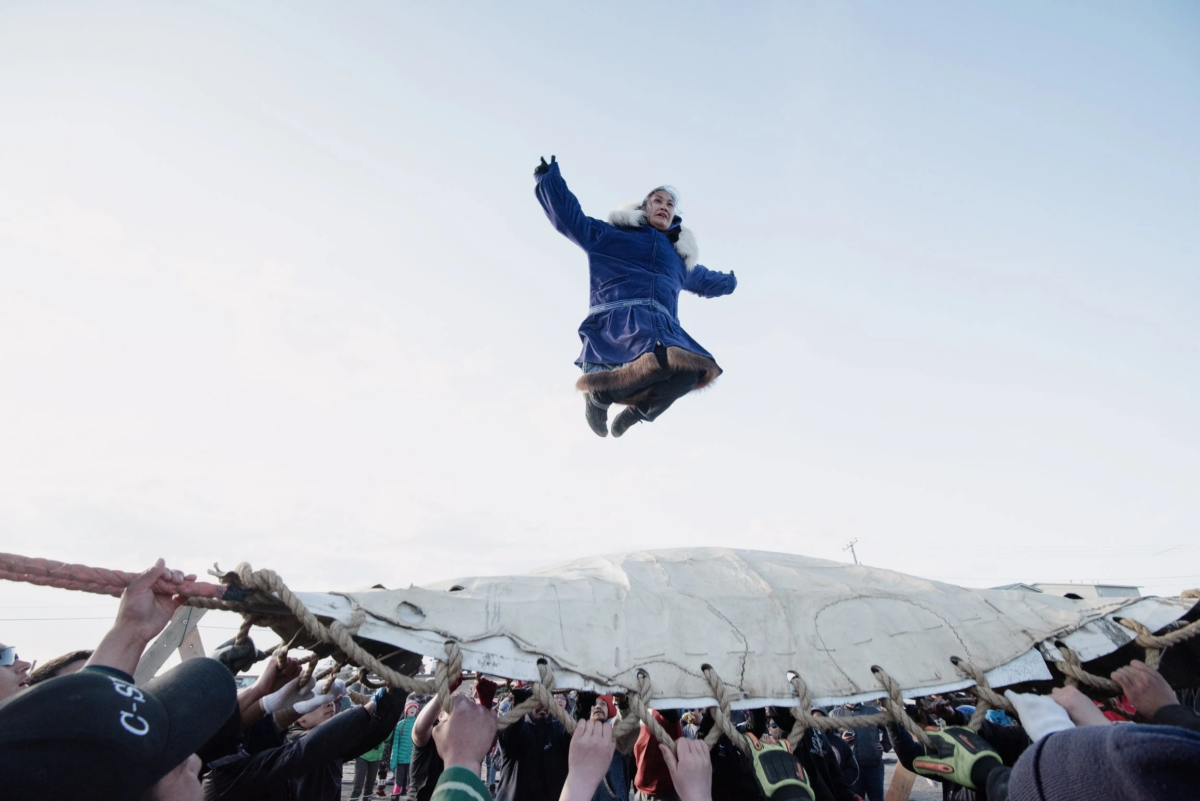
The drive to accurately portray and share Indigenous stewardship with the world has served as a catalyst for Yüyan’s photography career — a passion that is especially clear in his latest book, “Guardians of Life: Indigenous Knowledge, Indigenous Science and Restoring the Planet.”
The book, which will be the central talking point in Yüyan’s speaking engagement on Thursday, sets out on a visual journey to reveal Indigenous communities as Earth’s most powerful protectors, from Palau’s coral reefs and Mongolia’s steppes to Greenland’s sea ice. Yüyan spent nearly two years’ worth of living in the field for the body of work, which includes the collective wisdom of more than two dozen Indigenous voices.
“When I started putting it together as an idea for National Geographic magazine … I kind of knew the basic gist of this story, but as I started to do more research and started to go to these communities, I didn’t know how monumental it would be,” Yüyan said. “I realized that I had stumbled on an idea that was not very explored, but was incredibly true.”
“I specifically chose five different communities around the world that were outside of North America to look at the ways in which Indigenous peoples were managing their environment and doing a great job of it,” he continued. “As I started to do that research, I realized I could basically go anywhere because there were examples of this everywhere, all over the place.”
For Yüyan, his work is about deeply understanding how Indigenous ecological knowledge — rooted in traditional stories like the ones shared by his grandmother — can produce some of the world’s most effective conservation efforts.
“How do you hunt a whale and yet increase its population? It’s quite complicated, but it is really amazing,” Yüyan said. “That’s one of the things that this sort of one-to-one logic doesn’t really make sense from the Western perspective. But with Indigenous peoples, there’s just a lot of understanding of a specific place and a specific animal. By watching for many, many generations, how do you do something and stay in tune with it?”
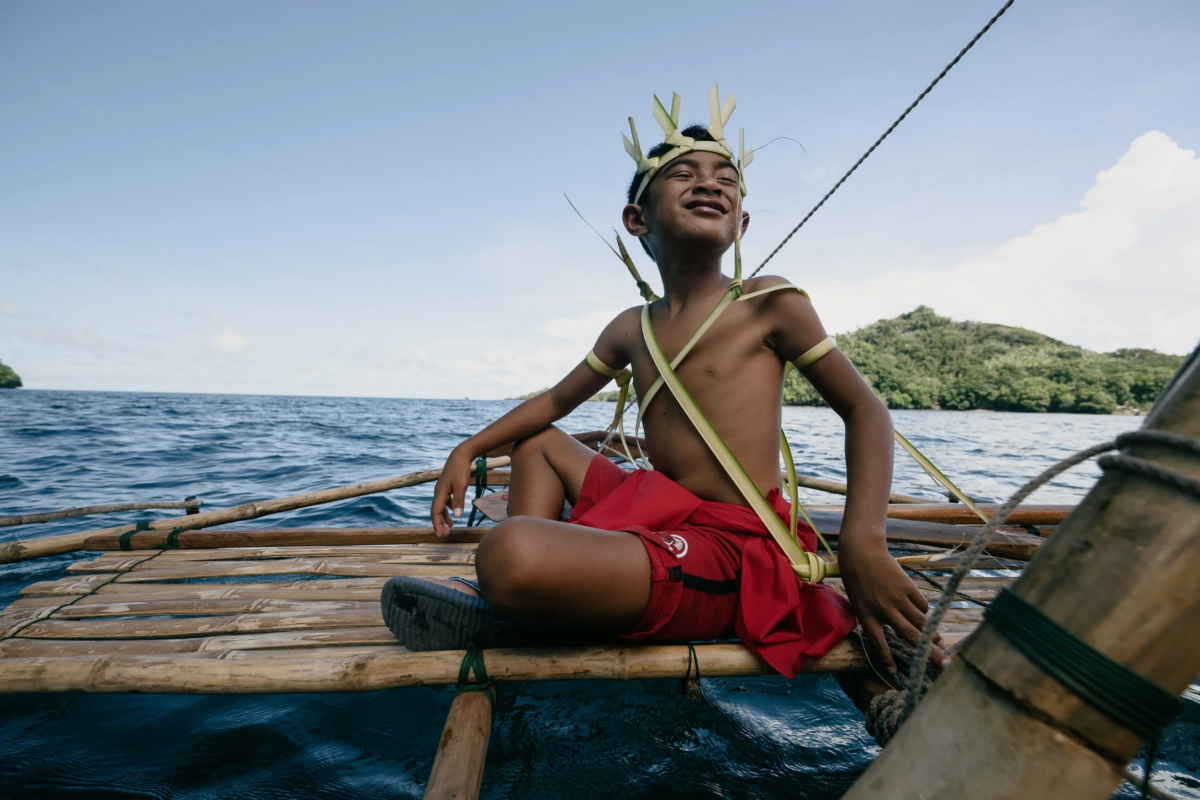
While many people have recognized the success of Indigenous stewardship, Yüyan argues that not many people outside of the communities, especially those with “Western assumptions,” truly understand how it is possible, he said.
“At this point in time, people understand conservation by Indigenous peoples is very successful, but they don’t really understand how,” Yüyan said. “By not understanding how, people are kind of like, oh yeah, sure, it sounds nice. Indigenous peoples live in harmony, you know, but it’s very like ‘la la la.’ You kind of believe it, but you kind of don’t. You just say it. So, the idea behind the book was to show people how it works.”
Ultimately, Yüyan hopes to inspire more people to simply be an active participant in the natural world around them — to find their own critters to play with.
“If you’re going to heal the natural world and heal the human relationship to it, you just have to actually go and spend time with it and not be afraid of it,” Yüyan said. “Not to treat it like a living museum, but rather like you are out in the world hanging out with a bunch of friends.
“You know a lot more about the environment if you simply are paying attention to it. You pay attention to it if you are part of it.”
Kiliii Yüyan will be the first in this year’s Wachholz College Center Changemaker Speaker Series. Yüyan will present “Indigenous Wisdom for a Thriving Planet” at 7 p.m. on Thursday, Nov. 19. For more information or to purchase tickets, click here.