EPA’s New Regional Leader Tours Montana Superfund Sites as Agency Braces for Cuts
Cyrus Western assured community leaders that the Columbia Falls Aluminum Company property and other Superfund sites in the "Mountains and Plains" region he now oversees would be protected even as the Trump administration fires thousands of EPA employees and fundamentally reshapes the agency’s mission
By Tristan Scott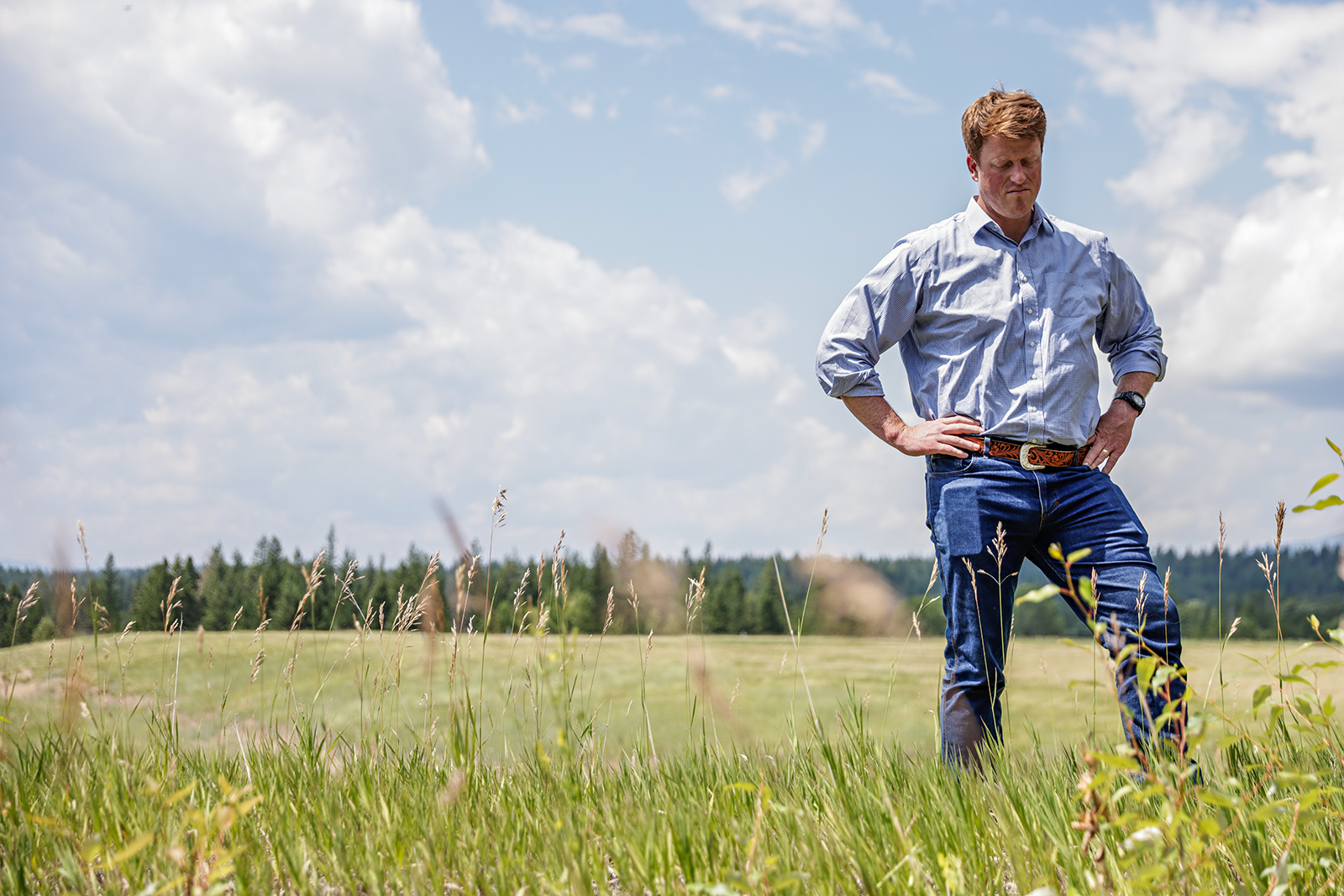
Standing near the base of Teakettle Mountain, where the Columbia Falls Aluminum Company’s contaminated Superfund property unfolds against the backdrop of Glacier National Park, Cyrus Western, the new regional administrator for the U.S. Environmental Protection Agency, perked up when he learned that engineers were designing an underground slurry wall of bentonite clay to seal off the arsenic-laced landfill leaching chemicals into the groundwater beneath his feet, about a mile from the Flathead River.
“Where are you going to get your bentonite from?” Western, a former three-term state lawmaker from Wyoming who the Trump administration appointed earlier this year to lead EPA’s Region 8, asked CFAC Project Manager John Stroiazzo.
“Well, if you know where we can get a fair price we can talk,” Stroiazzo, who is employed by Glencore, the Swiss commodities giant that owns the hotbed of toxic contamination buried more than 100 feet underground, said, returning the winking rejoinder.
The men both cracked smiles and the Superfund site tour moved on, with Western clarifying, for the record, that he was “just joking about the bentonite.”
Formed by decomposed volcanic ash deposited millions of years ago, bentonite is widely used as a drilling mud for oil and natural gas wells, as well as in cat litter and cosmetics. More than 70% of the world’s known bentonite deposits are found in Wyoming, which for more than a century has led the nation in bentonite production.
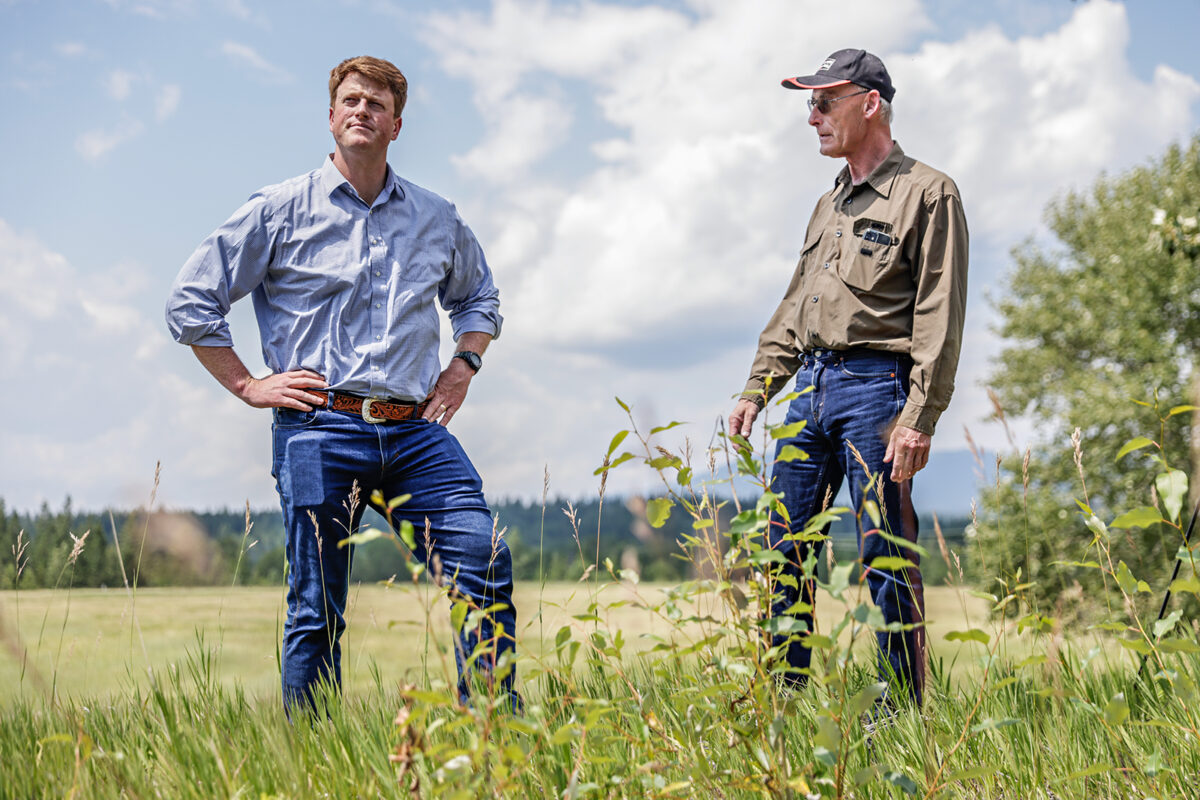
Prior to becoming the region’s top federal environmental regulator, Western was majority whip in the Wyoming House of Representatives from 2023-2024, serving on the Minerals, Business and Economic Development Committee, as chair of the Oil and Gas Bonding Working Group, and as vice chair of the Tourism, Recreation and Wildlife Committee. His resume and conservative voting record agrees with an agency that’s being fundamentally reshaped and dramatically downsized to comport with what EPA Administrator Lee Zeldin on July 18 called “a core mission of protecting human health and the environment, while Powering the Great American Comeback.”
Those remarks came as the agency announced plans to eliminate its research and development arm and cut thousands of jobs. The move followed a U.S. Supreme Court ruling last week that cleared the way for President Donald Trump’s plans to downsize the federal workforce, despite warnings that the layoffs will come at the expense of critical government services.
But while Zeldin marked his appointment by declaring that it signaled “the greatest and most consequential day of deregulation in U.S. history” — one in which the agency begins “driving a dagger straight into the heart of the climate change religion to drive down cost of living for American families, unleash American energy, bring auto jobs back to the U.S. and more” — Western is more subtle in his reimagining of the EPA, including to make it more efficient without sacrificing safeguards.
“Ultimately, our job is to protect human health and the environment, and we are going to make sure that contaminants of concern are being eliminated or reduced to levels that are scientifically acceptable,” Western, 35, who grew up hunting and fishing in Wyoming’s Big Horn County, said. “That is our foremost objective, and to ensure that the environment is protected.”

Asked what reassurances he could offer to communities living near industrial contamination or Superfund sites whose faith is shaken by the EPA’s reshaping, Western said the integrity of the Comprehensive Environmental Response, Compensation and Liability ACT (CERCLA), which is better known as Superfund, remains intact.
“The law remains the law and we fully intend to follow it to the letter and ensure we are making progress on Superfund sites,” Western said. “But the reality is some of these sites, they were spinning their tires and not going anywhere. And as the face of the Trump administration and Administrator Zeldin, I will continue to listen to community input, accommodate those concerns and ultimately make progress, and ultimately delist them.”
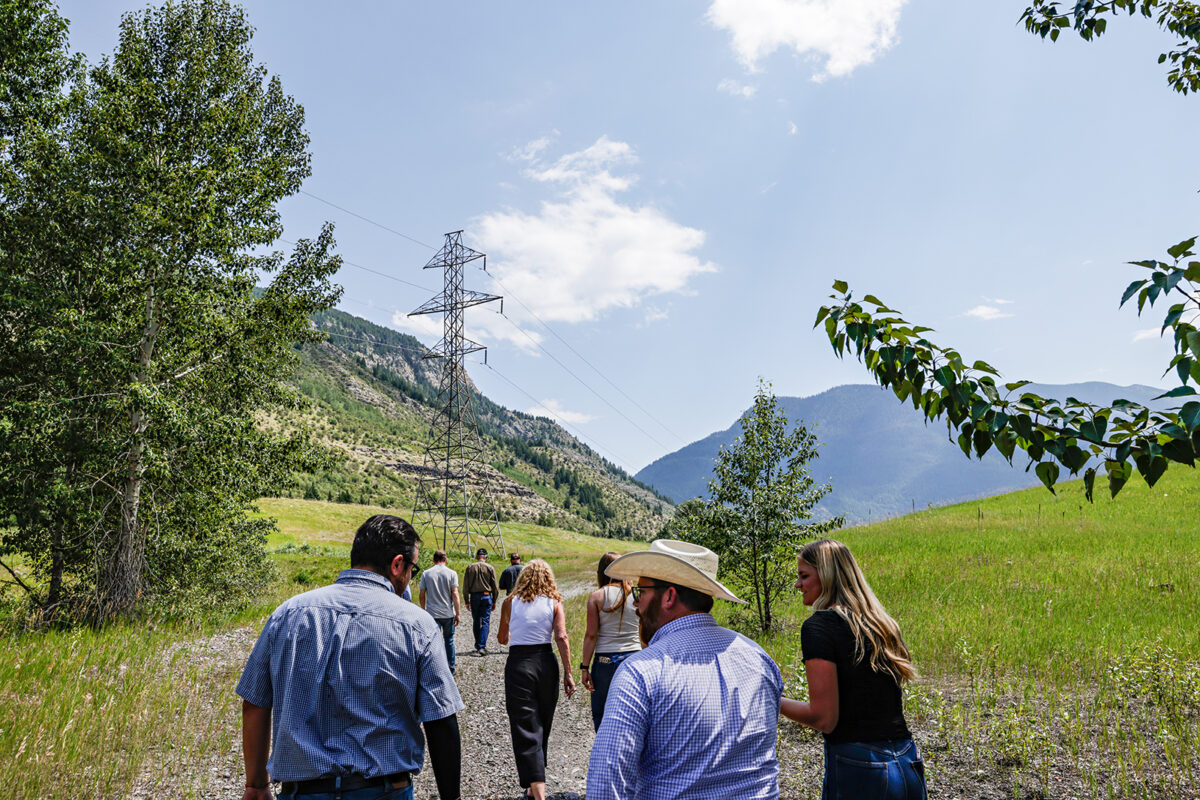
Last week, Western toured three of western Montana’s largest Superfund sites — the Smurfit-Stone Mill in Frenchtown, the shuttered W.R. Grace vermiculite mine in Libby, and the Columbia Falls Aluminum Company (CFAC) plant, which halted production in 2009 and permanently closed in 2015. Now, a decade after CFAC conducted its initial remedial investigation and feasibility study in accordance with EPA Superfund guidelines, cleanup plans are finally underway.
So, too, are development plans.
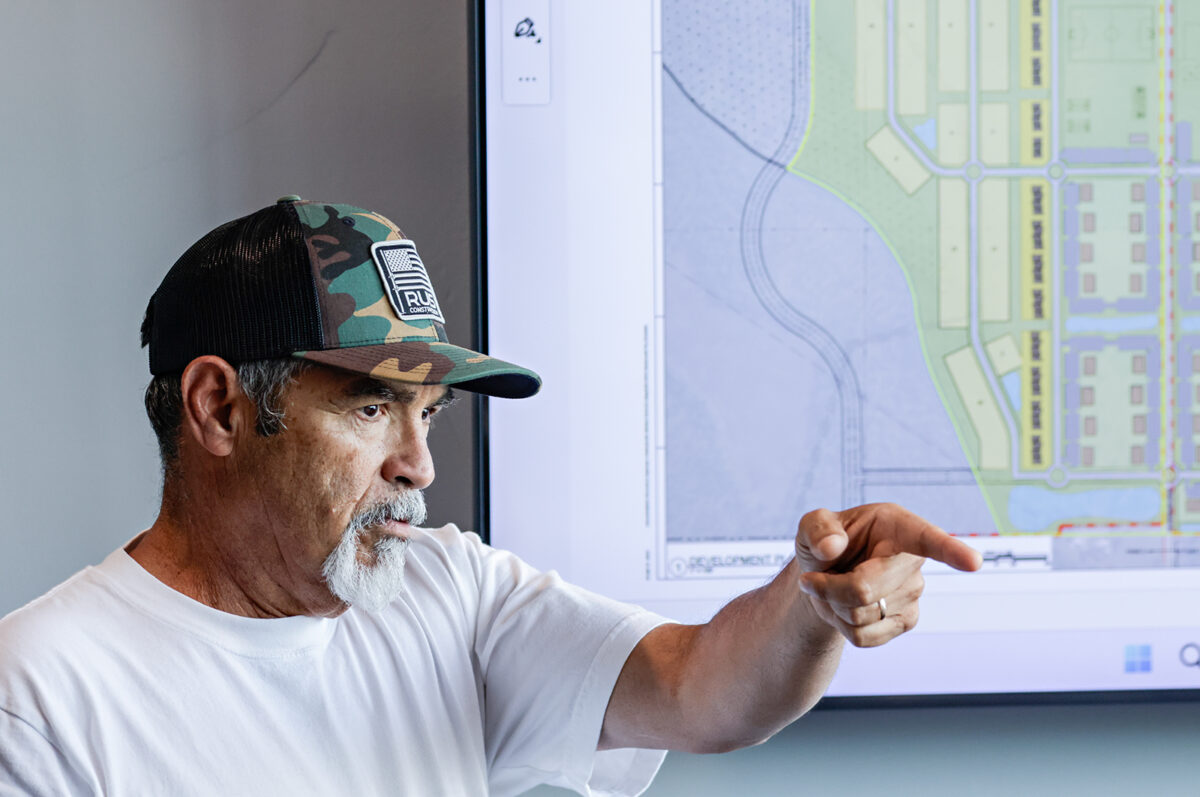
On July 17, Western began his field trip of the CFAC property at the office of Mick Ruis in downtown Columbia Falls. Earlier this year, Ruis purchased about 2,000 acres of the former CFAC property from Glencore, which now retains ownership only of a 211-acre parcel containing the highest concentration of contaminants, including the landfill where the underground slurry wall is to be built. The rest of the land doesn’t require remediation and now belongs to Ruis, who is in the process of transforming 920 acres of it into a residential community called Teakettle Heights, “a neighborhood designed for working families and future generations of Columbia Falls residents,” Ruis told Western and other stakeholders.
“This new development reflects a unique opportunity to transform a legacy site into a hub for growth, recreation, and family life,” according to development plans for the two-phase Teakettle Heights, which all told would bring 787 new units of housing to Columbia Falls. The first phase of residential development would include 424 housing units on 75 acres of former CFAC property south of the Aluminum City neighborhood, including 126 single-family homes, 58 townhomes and 240 apartment units. Under the proposed development plans, Ruis would then build 363 units on 77 acres, including 106 single-family homes, 65 townhomes and 192 apartment units.
He plans to build homes for less than $550,000, and to offer owner financing with 2% down payments. For residents who can’t afford a single-family home, he’ll offer townhomes for sale and apartments to rent. Ruis is also laying plans for commercial and industrial development on 440 acres of land, including the 20-acre footprint where the former aluminum plant once sat. Ruis set aside hundreds of acres of recreational land where he wants to build baseball and football fields, and basketball and pickle ball courts.
All told, Ruis said the new development is an opportunity to convert a legacy industrial site into a hub for growth, recreation, and family life, and to do so at a time when demand for housing in the Flathead Valley continues to outpace availability.
“We know we can do the housing, but we need the jobs, too,” said Ruis, who lives in Columbia Falls and explained he’s in conversation with commercial and industrial investors, but hasn’t yet firmed up those plans. “I really need to get this industrial stuff going so we can bring the jobs. Otherwise, I’m going to be like John Dutton out here on the Yellowstone Ranch.”
That shouldn’t be a problem given that the site is already served by “some fantastic infrastructure,” according to CFAC’s Stroiazzo, including power from the Bonneville Power Administration and Flathead Electric Co-op, city water and sewer, natural gas, 100 megawatts of electricity from Hungry Horse Dam, roads, parking lots, and buildings that “are amenable to conversion for whatever type of commercial or industrial business that wants to come up here.”
“Has there been any talk in potentially opening up a data center here?” Western asked, imagining the industrial possibilities. In 2024, Western chaired the Wyoming Legislature’s select committee on blockchain, financial technology and digital innovation technology. He announced last March that he wasn’t seeking reelection that cycle, choosing instead to focus on raising a family. A year later, the Trump administration tabbed him to oversee the EPA’s Mountain and Plains region serving Montana, Colorado, North Dakota, South Dakota, Utah, Wyoming, and 28 Tribal Nations.
“I’m honored to be appointed to lead EPA Region 8 under Administrator Lee Zeldin and President Trump,” Western said in a prepared statement following his appointment.“I’m grateful for the opportunity to serve the people of the region and foster human health and environmental protection while encouraging sound economic growth. As a Wyoming native, I understand some of the unique challenges and opportunities this region faces and am committed to ensuring we meet the needs of the people while implementing the Administrator’s ‘Powering the Great American Comeback’ Initiative.”
For locals, imagining the comeback of the contaminated former industrial property is both a source of hope and concern, which federal regulators from EPA spent considerable effort trying to allay during a series of community engagement events last year. Those engagement sessions preceded the EPA’s long-awaited record of decision finalizing its plan to remediate the CFAC property.
The 432-page document is a key milestone in the years-long environmental remediation investigation and provides a detailed account of the EPA’s plan to contain pockets of toxic waste buried on the sprawling property at the base of Teakettle Mountain. Although the former industrial site has been dormant since 2009, a recent wave of community concern has centered on the EPA’s proposal to contain rather than remove the environmental hazards; specifically, groundwater in the plume core that contains concentrations of cyanide, fluoride and arsenic in dangerous concentrations, posing risk to future residential drinking water users.
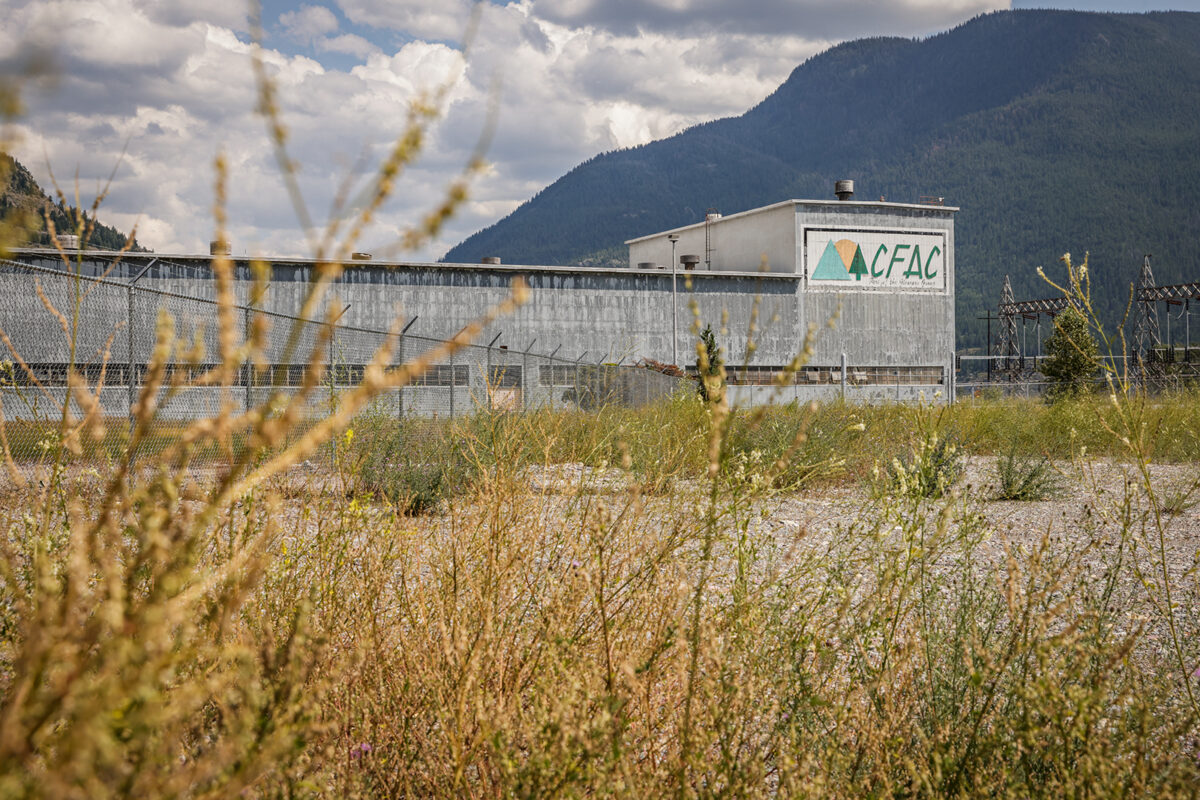
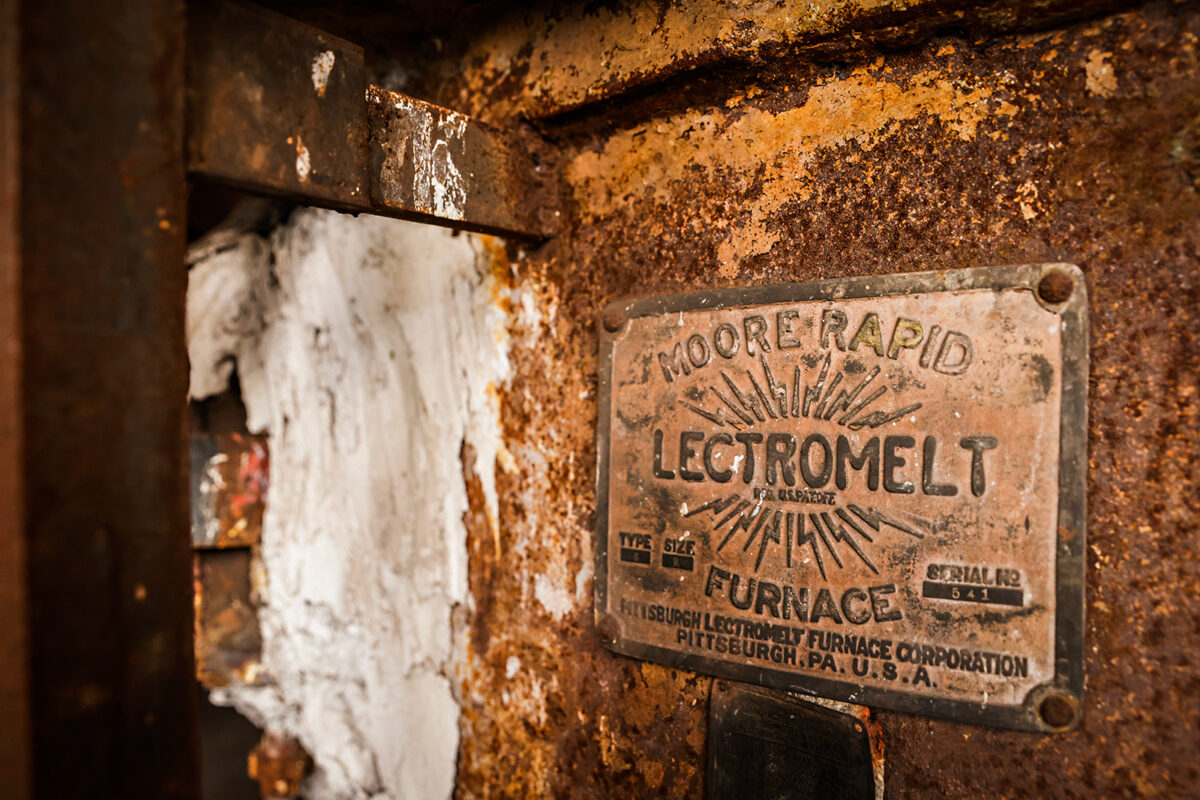
The central focus of the cleanup plan is Decision Unit 1 (DU1), which comprises the former CFAC plant’s west landfill and its wet scrubber sludge pond, where experts have pinpointed the highest concentrations of contaminants. Most concerning, experts say, is that the groundwater plume underneath the unit is laced with poisonous amounts of cyanide, arsenic and fluoride, which are the byproducts of the aluminum smelting process that occurred for more than a half-century. That process began by dissolving aluminum oxide in a bath of molten cryolite, which was contained inside brick-lined cells, or pots. The bricks were used to insulate the pots from the temperature conversion process and, when they failed, needed to be disposed of and replaced.
Even though the landfills are capped, they have been releasing contaminants into the groundwater whenever seasonal high-water levels touch the buried waste, migrating toward the Flathead River, where concentrations of metals in the seeps along the river are relatively low. While some DEQ standards for aquatic life are exceeded, “there is no contamination above background values in the Flathead River,” according to EPA.
According to EPA, the toxicity of the contaminants in the groundwater plume degrades as they migrate toward the river so that, even without treatment, they are below the state’s standards for human health. But they still exceed aquatic life toxicity criteria, which is what’s driving the need for the cleanup, even though there have been no documented impacts to fish or other aquatic organisms, and water quality in the river meets state and federal standards.
The feasibility study’s analysis shows that the proposed remedy will reduce concentrations to acceptable levels in the seeps without removing the landfilled wastes, but the cleanup plan still calls for constructing a semi-fluid sub-surface barrier around DU1 to contain the waste. Called a slurry wall, the barrier would stretch 3,000 to 4,000 feet in length, wrapping around the perimeter of DU1 and filling a trench 120 feet deep before tying into the aquitard, a geologic formation with a low rate of permeability that would form the fourth wall of a containment cell designed to hold the reservoir of contaminated groundwater at the source.
The key to containment is bonding the slurry wall to the aquitard, according to EPA officials. But if the slurry wall fails, there’s a pump-and-treat contingency that serves as a Plan B, Stroiazzo said.
That backup protocol includes installing eight pairs of extraction and monitoring wells (one inside and one outside of the slurry wall) downgradient of the wet scrubber sludge pond, with another series of monitoring wells down gradient of the slurry wall. The remediation plan also calls for constructing a groundwater treatment facility.
“All of our experts are quite confident that this will work quite well,” Stroiazzo said, noting that Glencore has already invested $15 million over the course of the remedial investigation, assessment and planning, and plans to sink another $57 million into the cleanup and remediation of the site.
In a press release announcing the release of a record of decision selecting a final cleanup plan in January, former EPA Regional Administrator K.C. Becker hailed it as “a crucial step in finalizing a comprehensive set of cleanup actions that will protect the health of the community and the environment.”
As Becker’s successor, Western said he had full faith in the cleanup plan and commended Ruis for his investment.
“These private developers are taking a risk by contributing something that the community can be proud of,” Western said.
Still, tribal stakeholders and advocacy groups have voiced concern about the lack of consultation on a cleanup project on land that includes the ancestral territory of the Confederated Salish and Kootenai Tribes (CSKT).
Last fall, CSKT leaders wrote a letter to EPA articulating those worries, including concerns that the environmental engineers whose work informed the EPA’s preferred remediation plan were hired by Glencore, which is the same company that acquired the coal mines at the center of the environmental crisis unfolding on the transboundary Elk-Kootenai watershed.
“Glencore is now the single biggest threat to our treaty-reserved fishing rights,” Tom McDonald, vice chairman of CSKT’s tribal council, said last fall, prior to the plan’s final approval. “We need to have the same standard and the same level of tribal consultation on the CFAC property that we have on the border, and that requires an unbiased third party to review what’s going on. We need to reboot this thing, spend another year studying it and figure out what’s really going on. Until we have that, we don’t want to accept a cleanup decision.”
Other segments of the community were unsettled when they learned about Glencore’s land deal with Ruis, the local developer. The terms of that deal were contingent on EPA finalizing the details of its proposed cleanup plan to contain the toxic waste, rather than remove it — a process the agency considered, but ultimately determined was too costly and posed too great a risk to worker safety.
Still other stakeholders were resistant to the Superfund designation at CFAC, worried that it would stigmatize a community and stifle future economic development.
Western acknowledged that those concerns are valid, and pledged his commitment to advocating for environmental and human health and safety protections while also fomenting economic development.
“We want to be sure that we are cleaning up and remediating to levels that are deemed scientifically acceptable, while also thinking about future progress,” Western said. “Those are our main guideposts. We believe there are excellent opportunities, and that’s where local communities have to step up.”