Bringing Charlie Russell’s Bull Head Lodge Back to Life
A Whitefish couple has stepped up to preserve and share the Glacier Park retreat once owned by Western legend C.M. Russell.
By Katie Bartlett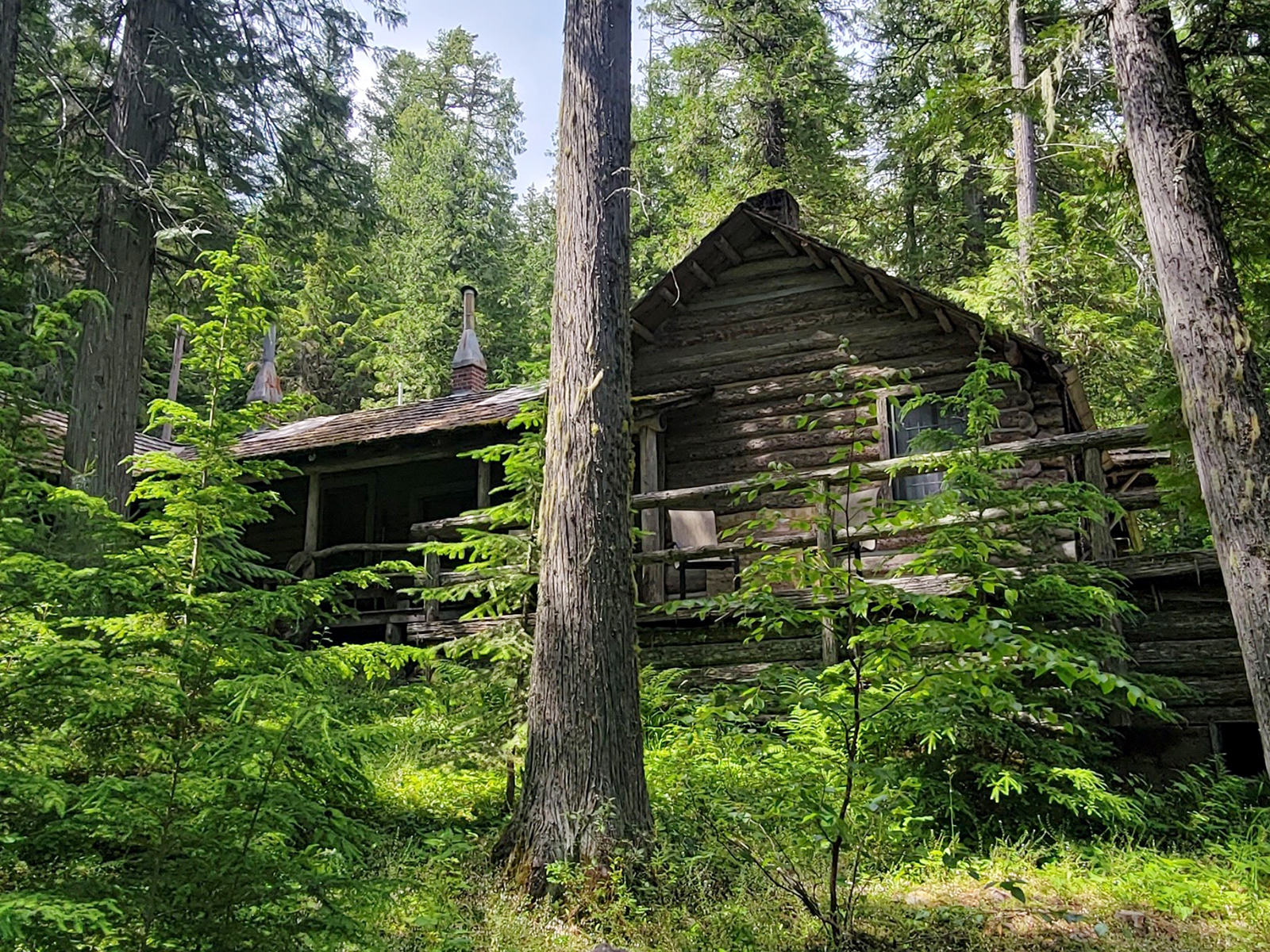
For the first time in nearly 120 years, Bull Head Lodge — the Lake McDonald cabin where legendary Western artist Charles M. Russell once painted, fished, and told stories around the fire — will be opening its doors to the public.
Whitefish philanthropists Dave and Sherry Lesar purchased the historic cabin at the end of July, according to a grant deed obtained by the Flathead Beacon. Mike Anderson of National Parks Realty, who facilitated the sale, said that the couple plans to restore the cabin and partner with Glacier National Park to offer tours.
The cabin — from its original chairs to the hearth carved by Russell himself — remains largely unchanged from the time the artist lived there. Anderson said the Lesars plan to undertake a “very expensive, 100% restoration” to preserve its historical integrity before eventually opening it to the public for tours and artist retreats.
The Lesars did not respond to a request for comment about the sale or the timeline for the restoration.
But Anderson said that within 24 hours of listing the property, he was “bombarded” with interest from museums, nonprofits, and private donors who hoped to protect it. The property was listed for $10 million and sold for $6 million.
The Lundgrens — a family with deep ties to Glacier National Park — had owned the cabin for decades before selling it to the Lesars, according to the grant deed. For more than half a century, they also operated businesses in Apgar Village and West Glacier before selling them to Glacier Park Inc. in 2014.
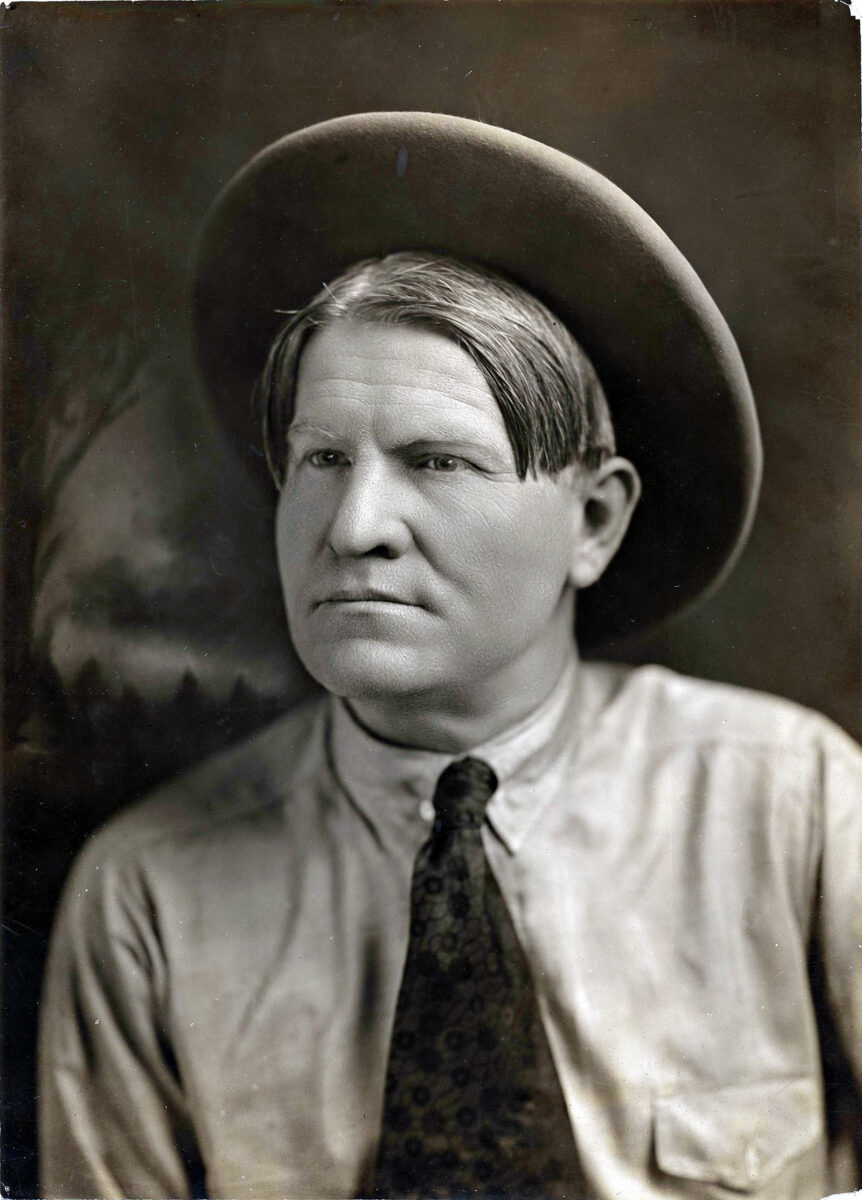
In 1980, Conrad Lundgren successfully nominated Bull Head Lodge for the National Register of Historic Places, ensuring its preservation for future generations. His efforts protected a place deeply rooted in Montana’s cultural and artistic history.
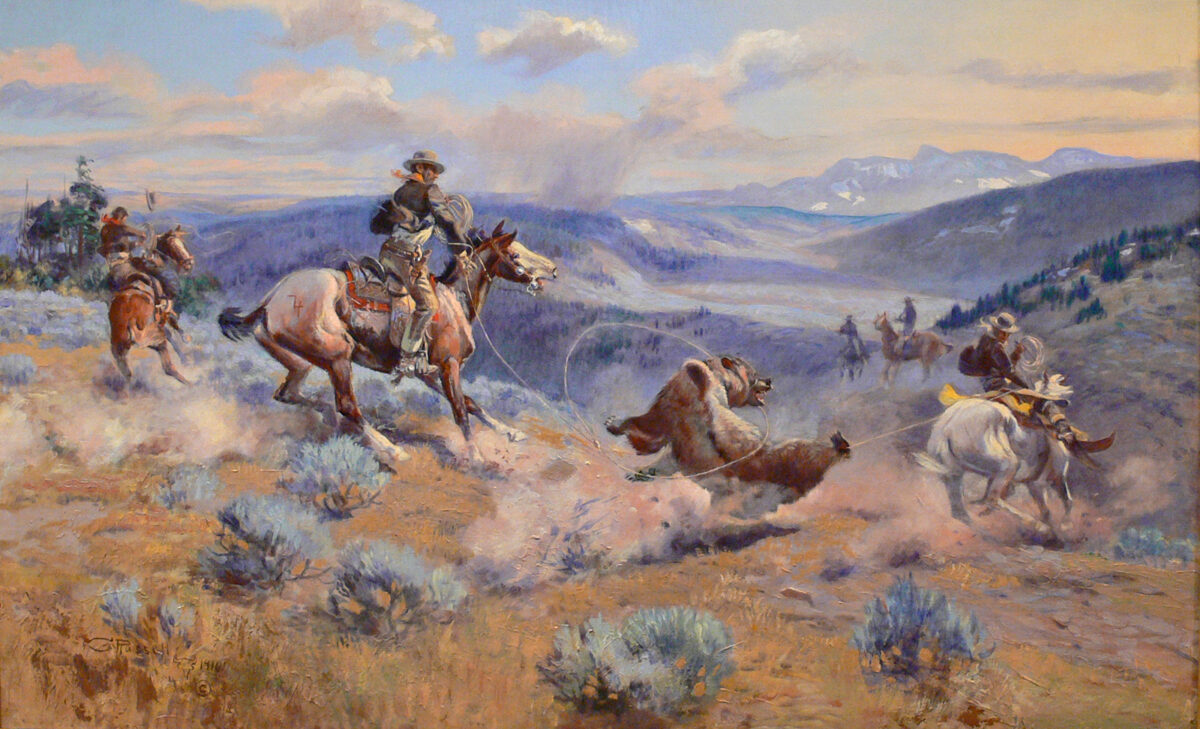
Russell is best known for his depictions of the “cowboy era,” a romanticized chapter of American history that spanned from the Civil War to the turn of the 20th century. He traveled to Montana from St. Louis in 1880, working as a cowboy while painting the ranchers, Native Americans, and tensions between them that shaped the Western landscape.
His work continues to influence cultural understandings of the American West.
“Russell is known for his mix of realism and romance,” Kirby Lambert, a retired historian with the Montana Historical Society, said. “Through that combination, he was able to capture the spirit of his time and place.”
By the time Russell first set foot on the shores of Lake McDonald in 1905 — five years before President William Howard Taft signed the bill establishing Glacier National Park — the cowboy heyday had faded. He had traded the saddle for the studio, firmly establishing himself as a full-time artist.
Russell visited the area several times in 1905 with his wife Nancy, a savvy businesswoman who managed his career. The couple purchased land along Lake McDonald that year and completed construction on the cabin by 1906. Years later, they added an additional studio west of the main lodge.
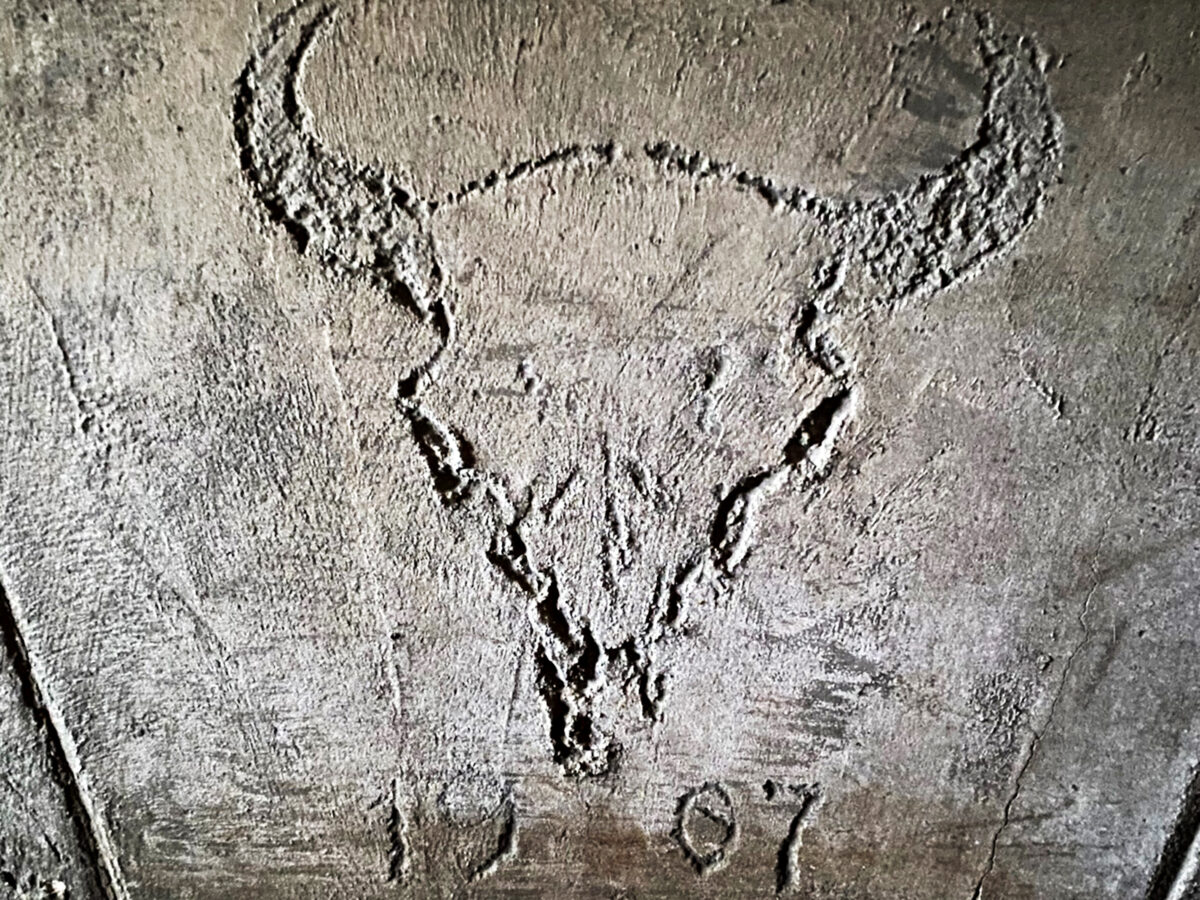
The name Bull Head Lodge derived from Russell’s trademark bison skull, which accompanied his signature on most of his artwork. He lined the property with miniature gnomes — built from moss, sticks and leaves — which served as guards to protect the couple as they slept.
Nancy stopped visiting the cabin in 1935 due to illness, but Russell spent the rest of his summers among the cedar and fir trees that line Lake McDonald.
His attachment to the lodge and the surrounding wilderness reflected the worldview that shaped his art.
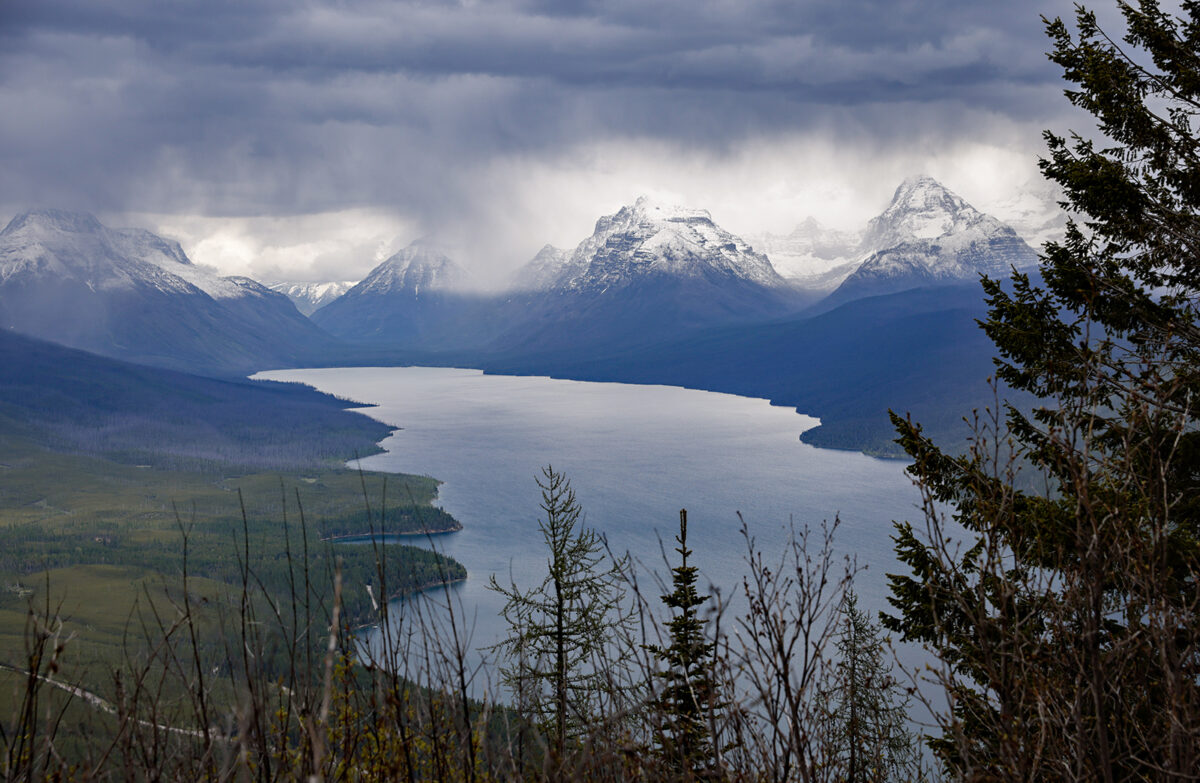
“For Charlie, Glacier National Park was a representation of Montana and the wildness of it,” Lambert said. “He believed that Native Americans were the rightful inhabitants of Montana, and that the cowboys also belonged. But other than that, he didn’t want people to be there, and the solitude and natural beauty of Lake McDonald represented that.”
The cabin was Russell’s retreat into nature, where he spent summer mornings painting. While he rarely painted park landscapes, scholars believe the setting offered him a space for reflection that influenced his style.
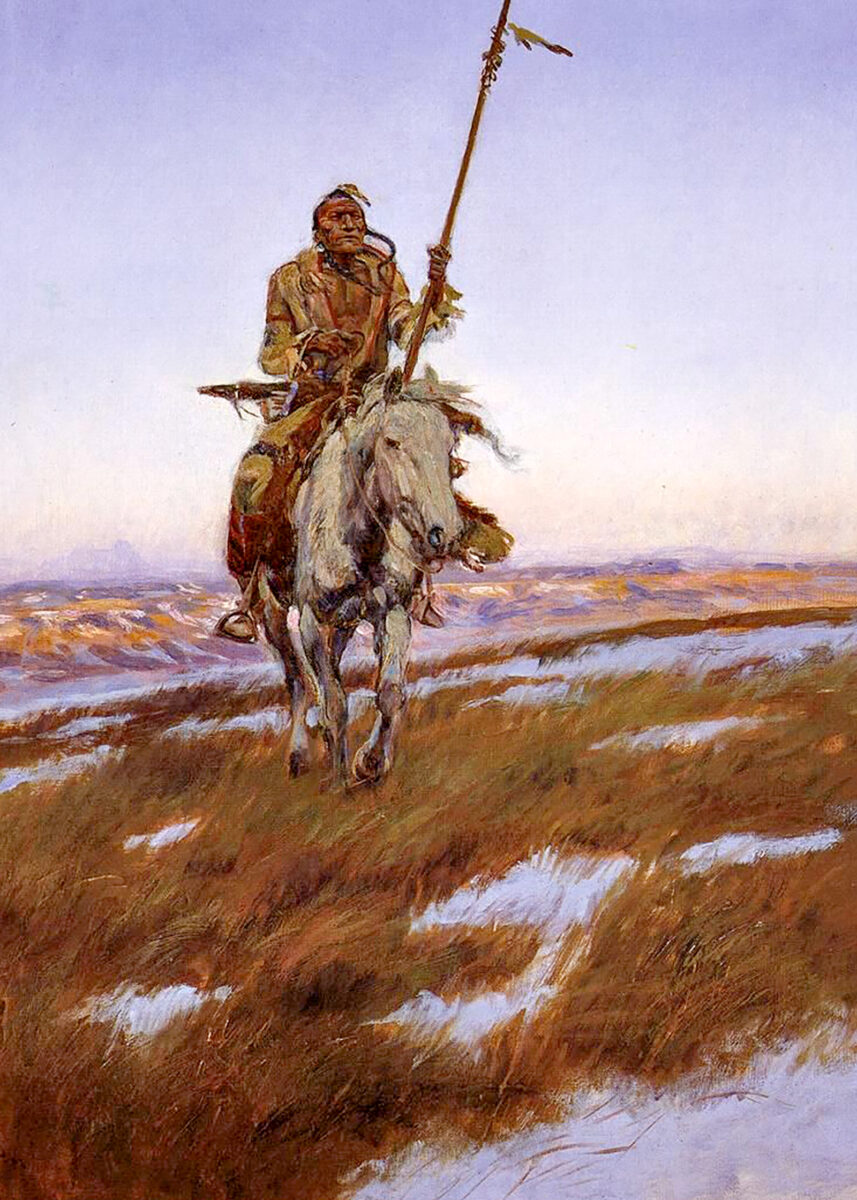
“The park experience — walking, riding, swimming, camping, and sketching the landscape, the light, and the water — influenced the subject matter, style, and mood of his artwork, lending it in his later years a contemplative quietude uncommon in his early work,” former C.M. Russell Museum Curator Elizabeth Dear wrote in Montana The Magazine of Western History.
But Russell’s time at Bull Head Lodge wasn’t entirely solitary. Friends and potential clients would travel by Great Northern Railroad to visit the park. Nancy, who never missed a chance to make a sale, would host them at the cabin.
Privacy screens, now preserved at the C.M. Russell Museum, once served as bedroom dividers in the single-room lodge. Covered with more than 150 signatures, they record the names of visitors who came to swim, ride horses, and race sailboats with the Russells.
Russell also staged photo shoots during these gatherings, dressing guests in Native American regalia. Some of the photos were simply for fun, but others inspired his paintings.
Nearly a century has passed since Russell last spent a summer in the park, but his presence still lingers. Lambert says that the chance to tour Bull Head Lodge will give fans a rare chance to connect with the artist’s world.
“If he were to show up today, Charlie would still recognize Bull Head Lodge and Lake McDonald,” he added. “That’s not the case for most of the Montana he knew. For those of us that love this state and love Western art, there is nothing more meaningful than that.”
Now, the future of that connection lies in the hands of Dave and Sherry Lesar. The Bull Head Lodge restoration marks the couple’s latest project in their Flathead Valley philanthropic work that spans more than a decade.
Much of their giving has focused on healthcare. In 2021, they donated $7 million to the Montana Tech nursing program to fund student scholarships, faculty leadership training, and a high-tech simulation center. In 2013, they also contributed $250,000 toward a dental program at Shepherd’s Hand Clinic in Whitefish.
Most recently, the couple made the lead gift for the Lesar Family Mountain Center for DREAM Adaptive Recreation at Whitefish Mountain Resort. The center will serve as headquarters for DREAM, a nonprofit supporting skiing, mountain biking, and water sports adapted for individuals with physical and intellectual disabilities.
The Lesars split their time between homes in Houston and Whitefish. Dave is the former CEO of Halliburton, and Sherry has served on the Whitefish Community Foundation board for nearly a decade.
The restoration of Bull Head Lodge adds a cultural legacy to their philanthropic track record, one that will reach beyond Flathead Valley.
“Each state gets to pick two citizens to represent in the National Statuary Hall in Washington, D.C.,” Lambert said. “The only artist in the hall is Charlie Russell — and that speaks to just how important he is, and how important preserving his history is.”